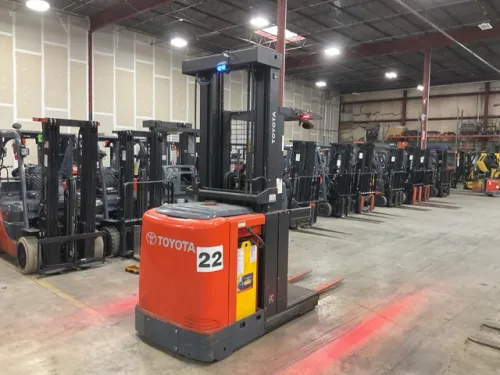
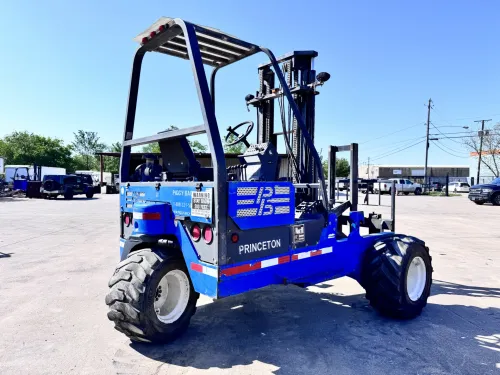
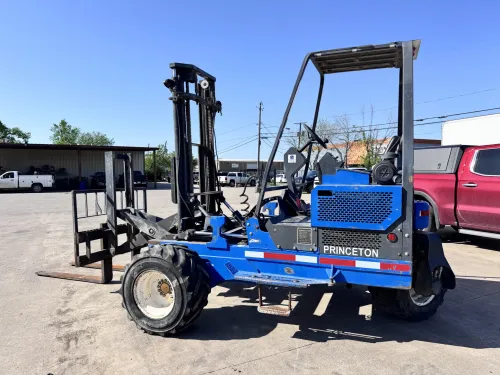
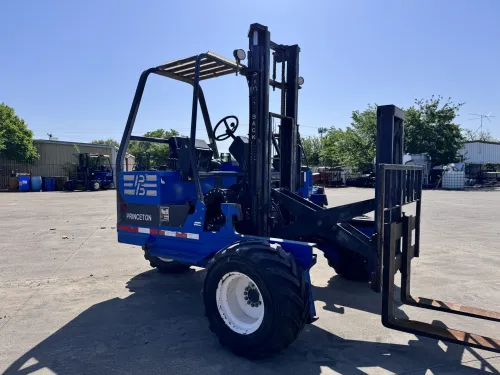
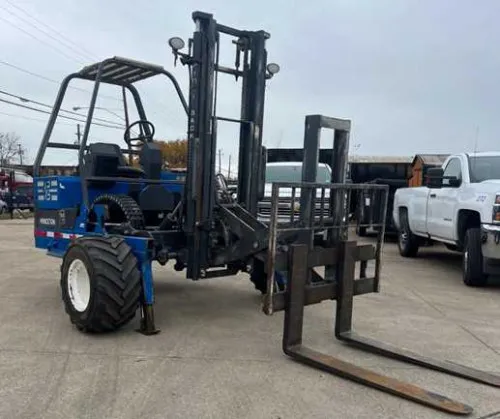
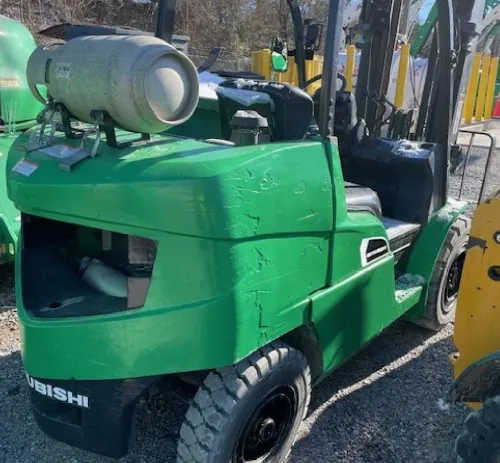
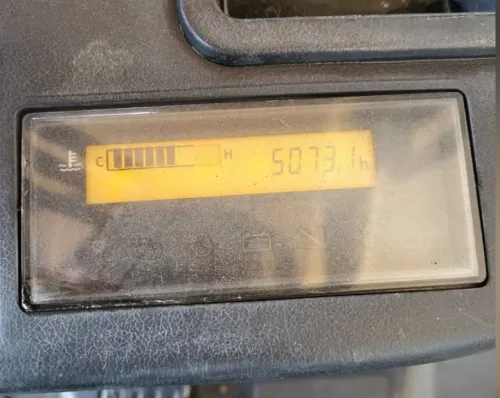
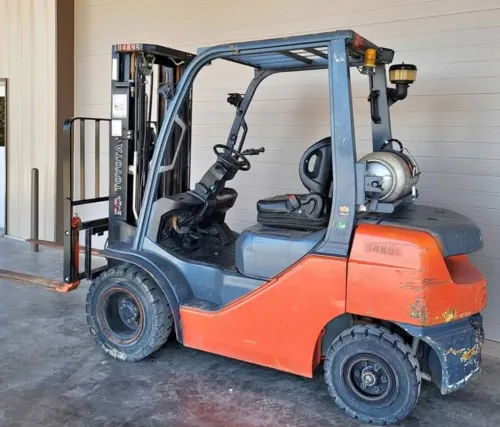
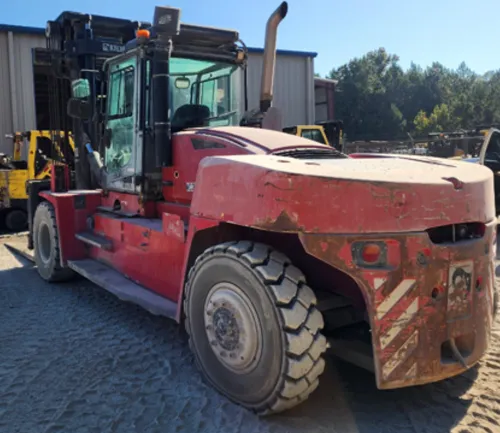
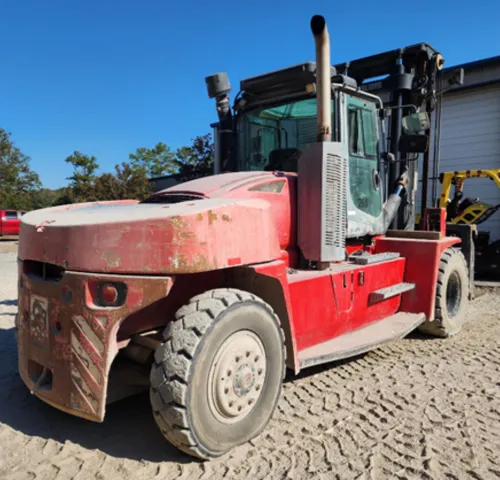
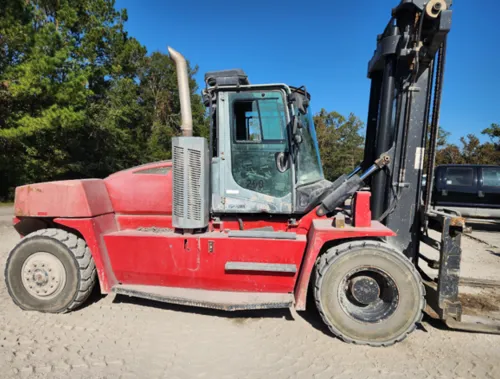
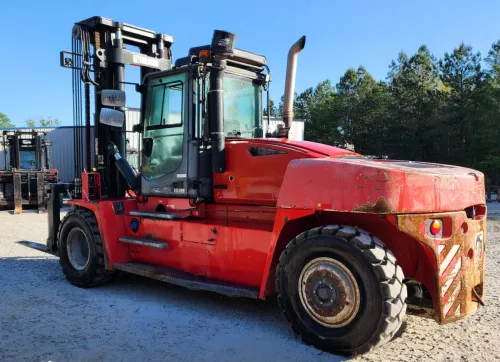
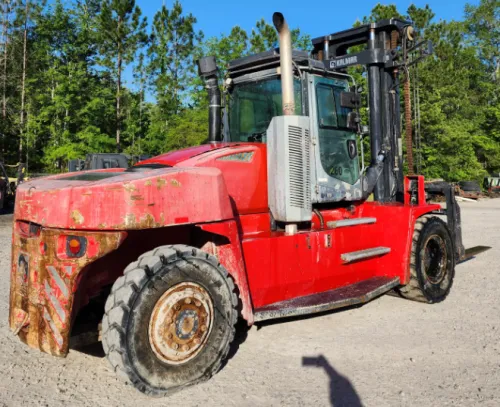
544 forklifts for sale

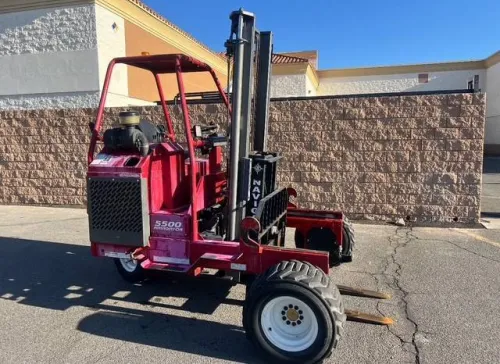
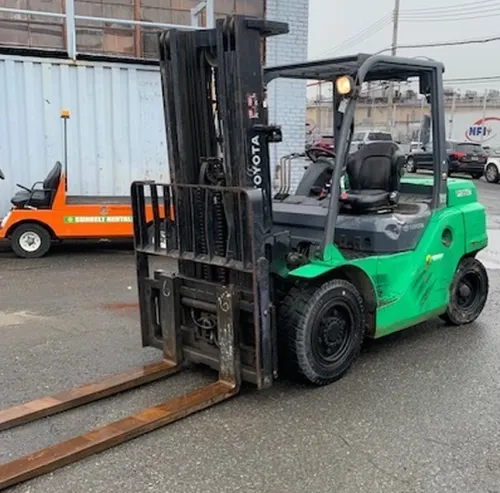
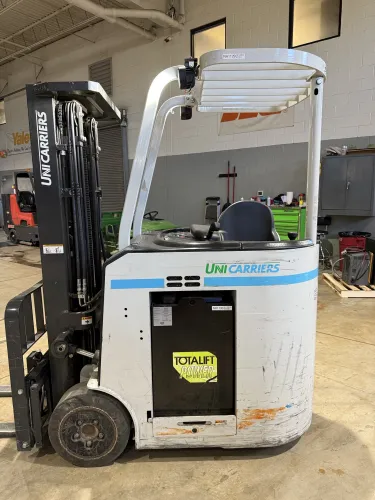
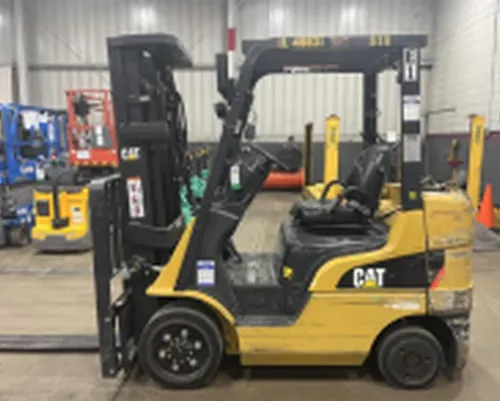
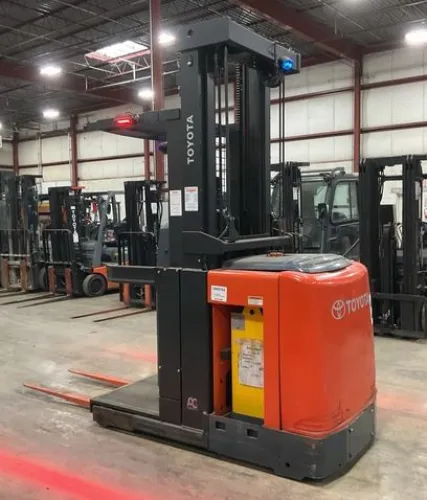
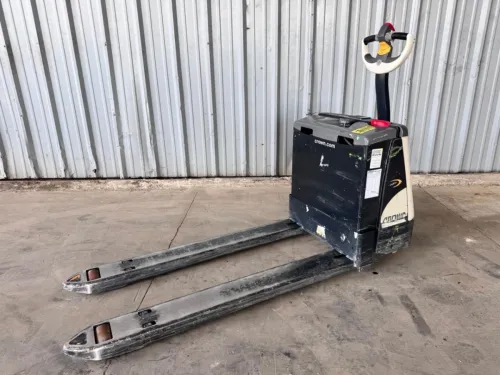
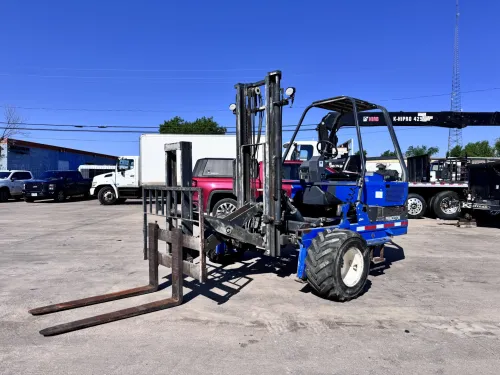
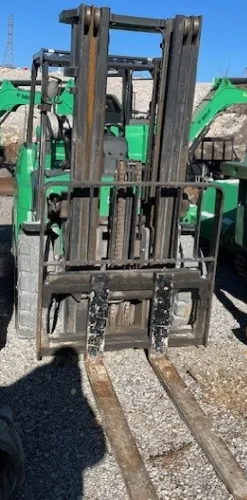
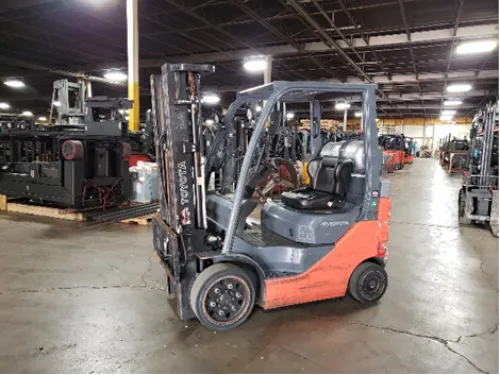
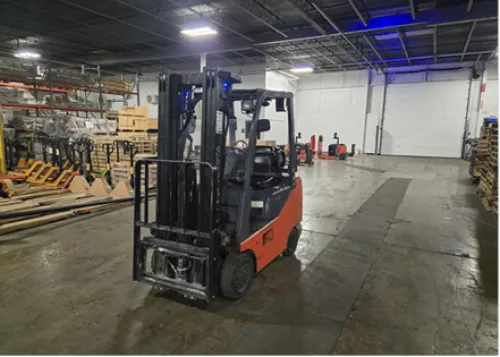
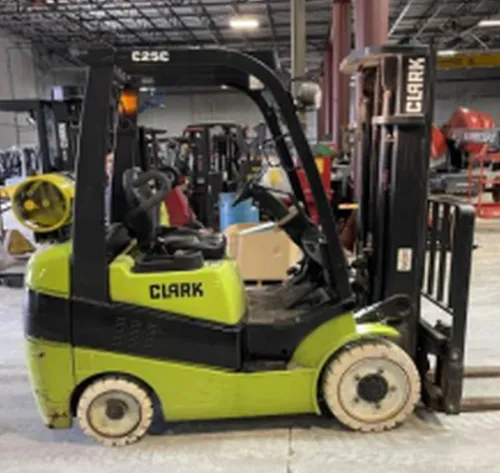
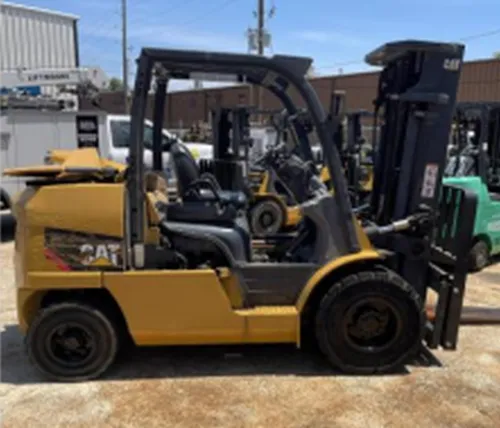
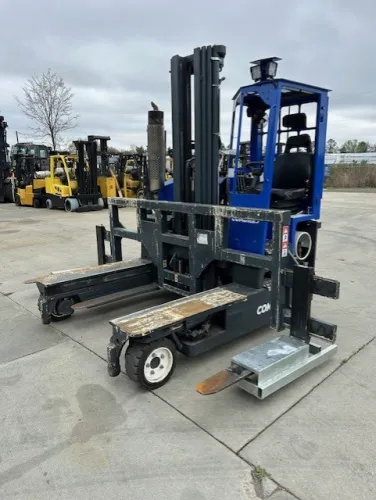
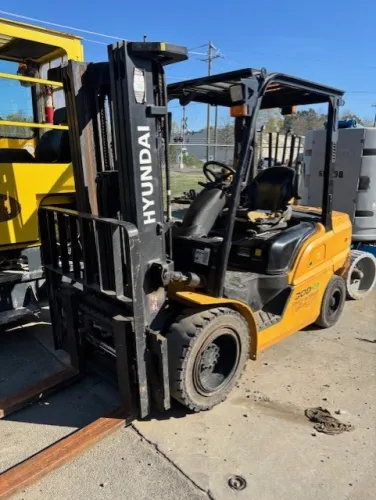
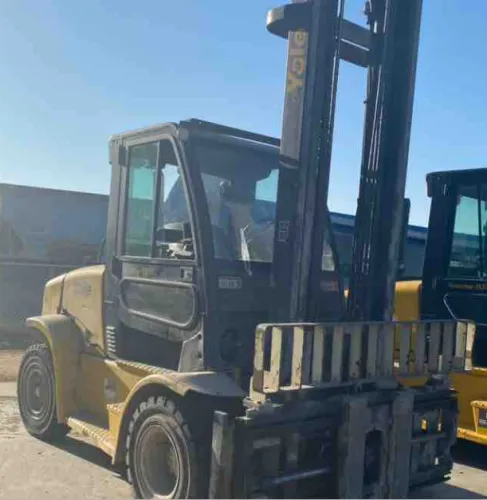
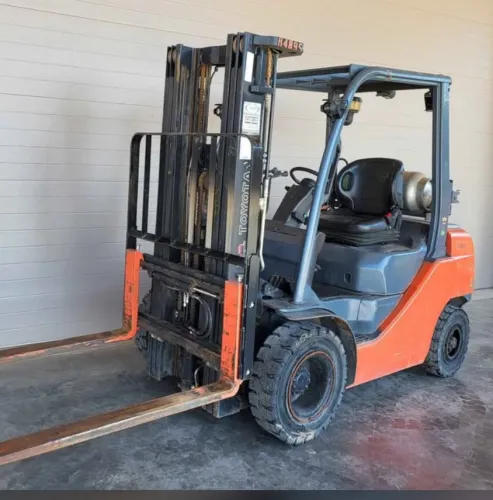
Buying guide
An educational guide to comparing forklifts, knowing what to inspect, and asking the right questions before you buy.

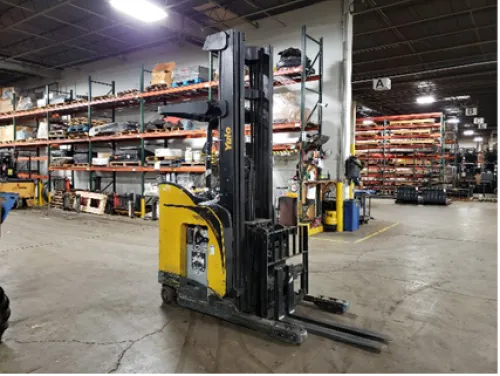
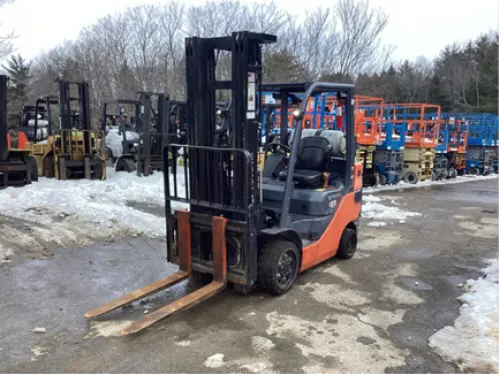
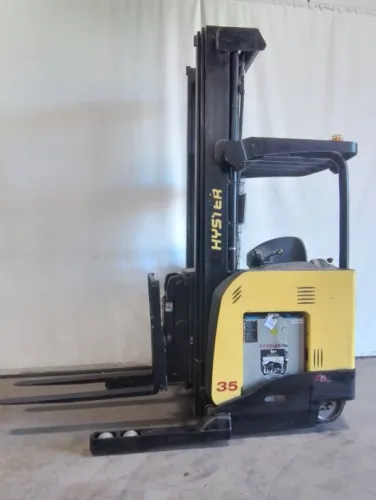
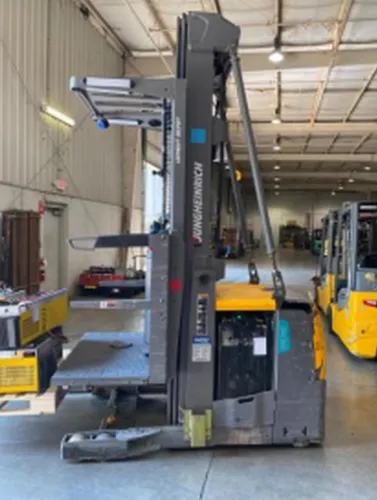
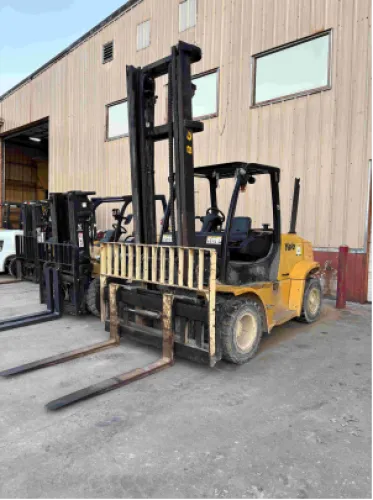
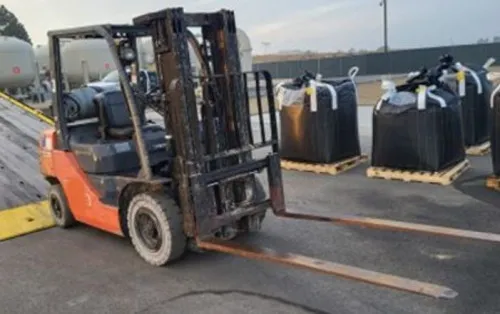
A forklift is a powered industrial truck that lifts and moves loads on forks, from pallets in a warehouse to lumber and block in a yard. Cushion-tire electric and LP gas trucks work indoors on smooth floors; pneumatic-tire LP gas and diesel trucks handle outdoor and rough ground.
Start with your heaviest load, how high you stack and where the truck will run. Then check the exact forklift's data plate, mast, power source, tires and condition. The guide below explains what to compare before you contact a seller, rather than choosing by brand, hours or price alone.
| Buying question | What to look for |
|---|---|
| What capacity and load center do you need? |
Size the forklift from the data plate, not the model name. Rated capacity applies only at the load center shown on the data plate. Longer or bulkier loads move the center of gravity forward, and the truck can safely lift less. Attachments also change capacity, so a truck with a side shifter or fork positioner should have a plate that lists that attachment. Check that the data plate is present and readable. OSHA says not to operate a truck with an illegible or missing nameplate. |
| Which mast and lift height fit your building? |
Match the mast to your stacking height and your lowest door or trailer. Two-stage masts suit low-clearance work such as loading inside trailers. Three-stage masts stay compact while driving but reach much higher, and quad masts reach the highest. Free lift is how far the forks rise before the mast itself extends, which matters under low ceilings. Measure your top rack, your lowest door and your trailer height, then compare the exact mast's lowered height, free lift and maximum height. |
| Electric, LP gas or diesel? Cushion or pneumatic tires? |
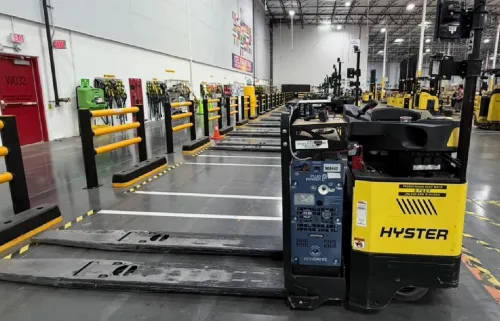
Choose the power source and tires for where the truck will run. Electric forklifts suit a wide range of indoor work. LP gas trucks can work inside and outside. Diesel forklifts are for outdoor use. Cushion tires suit indoor, smooth-floor work; air pneumatic tires handle rough outdoor ground, and solid pneumatic tires work in both but cost more up front. On electric trucks, factor in the battery's age and your charging area, which OSHA requires to be ventilated and designated for charging. |
| What should you inspect on a used forklift? |
Review the mast, forks, chains, hydraulics and safety equipment before making an offer. Look at the forks for surface cracks and wear on the blade, heel and hooks, and check the mast chains for even tension and stretch. Look for hydraulic and fluid leaks, worn tires and damage to the overhead guard. On electric trucks, check the battery, cables, connectors and restraints. Test the horn, seat belt, brakes, steering, lift, tilt and side shift. Ask for service records and confirm the data plate matches the truck and any attachment.
|
The load center is the distance from the fork face to the load's center of gravity. Rated capacity applies only at the load center on the data plate, commonly 24 inches. OSHA's example: a truck rated for 4,000 pounds at a 24-inch load center can lift only about 2,666 pounds at a 36-inch load center.
It depends on where the truck works. Cat Lift Trucks notes electric forklifts suit a wide range of indoor jobs, LP gas trucks work both inside and outside, and diesel forklifts are for outside use. Indoor air quality, fuel supply and charging space usually decide it.
Toyota explains that cushion tires are suited to indoor, smooth-floor work, air pneumatic tires to rough outdoor terrain, and solid pneumatic tires to both indoor and outdoor use at a higher upfront cost. Pick the tire for the ground the truck runs on most.
Free lift is the maximum height the forks can rise before the mast rails start to extend upward. Full free lift helps in low-clearance spaces such as trailers and mezzanines, because the mast does not grow taller while the forks lift.
Yes. OSHA requires employers to train and evaluate each forklift operator, with a performance evaluation at least once every three years and refresher training after an accident, near miss, unsafe operation or a switch to a different truck type. Trucks must also be examined before use, at least daily.
OSHA says to take a fork out of service for surface cracks or wear on the blade, shank or hooks. Toyota advises inspecting mast chains every shift and replacing a chain that has elongated more than three percent. Follow the manufacturer's manual for exact limits.