Skid Steers for Sale
Showing 1–36 of 131 listings
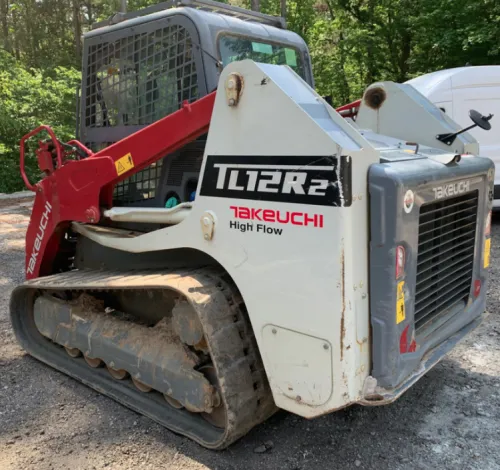
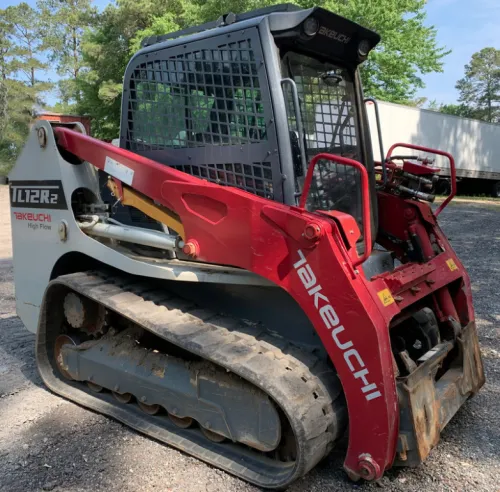
2
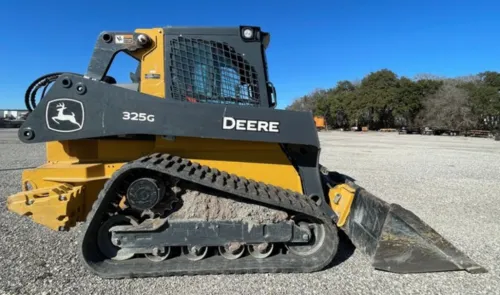
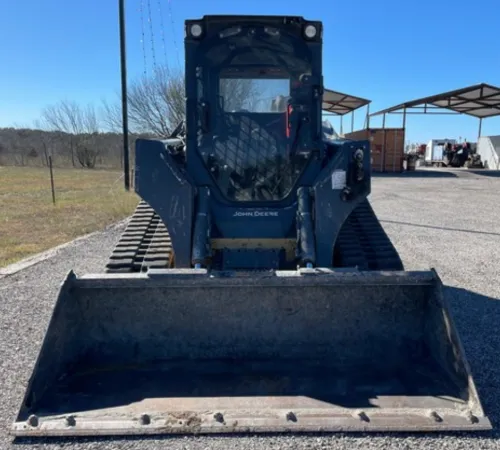
6
1
2
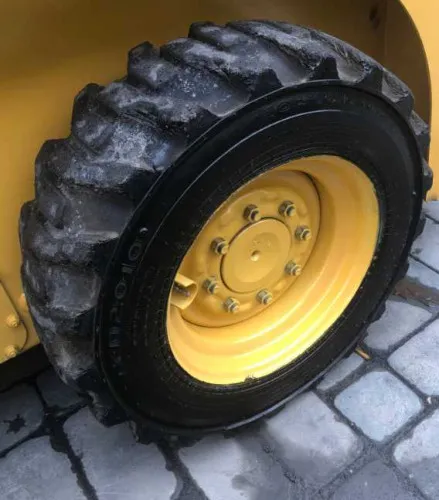
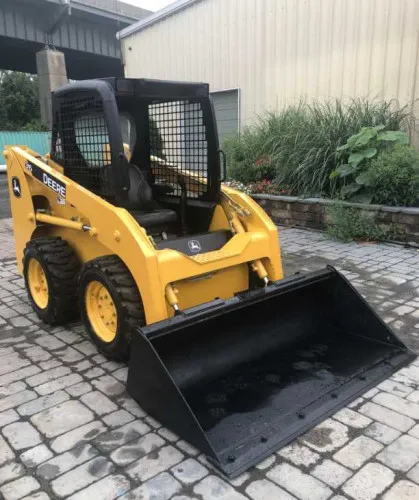
15
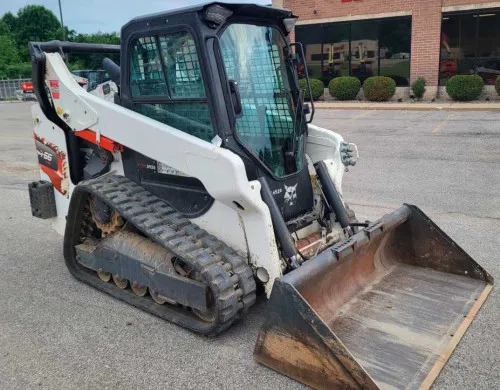
1
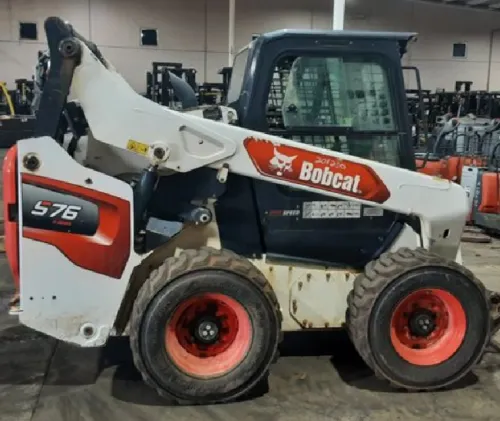
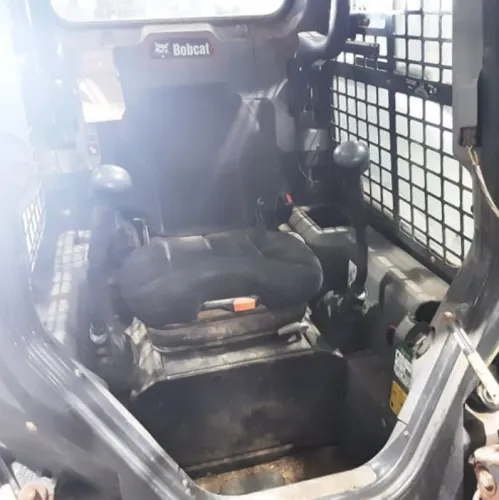
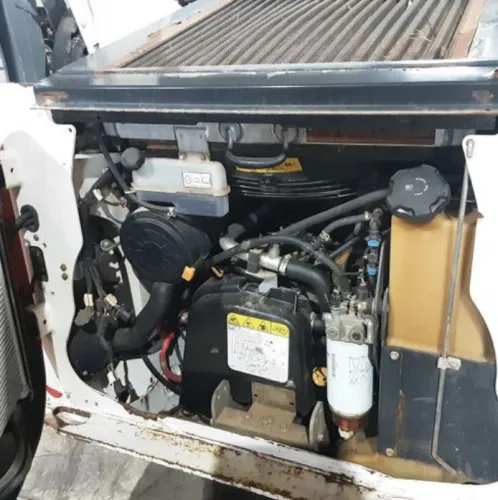
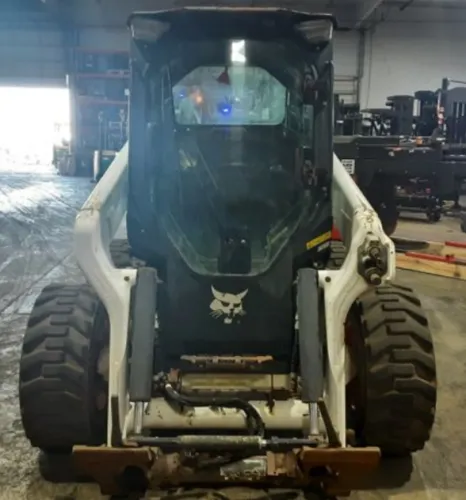
4
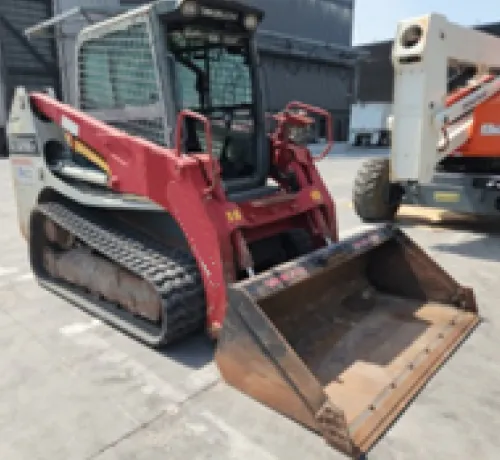
2
10
3
1
1
1

8
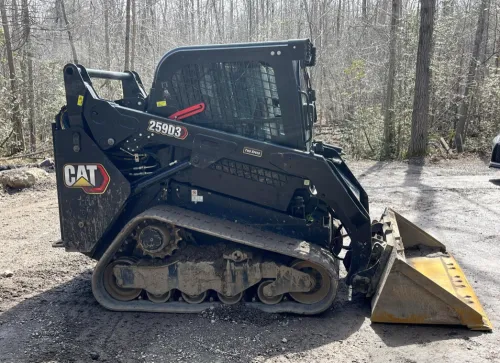
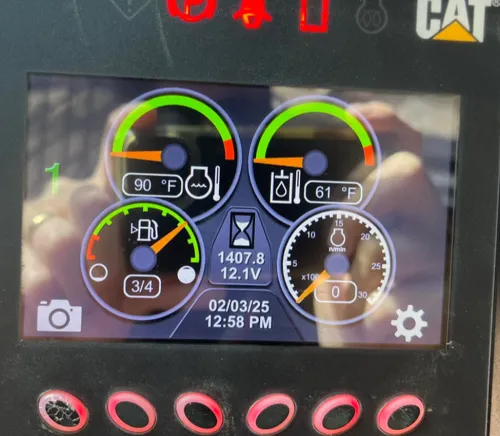
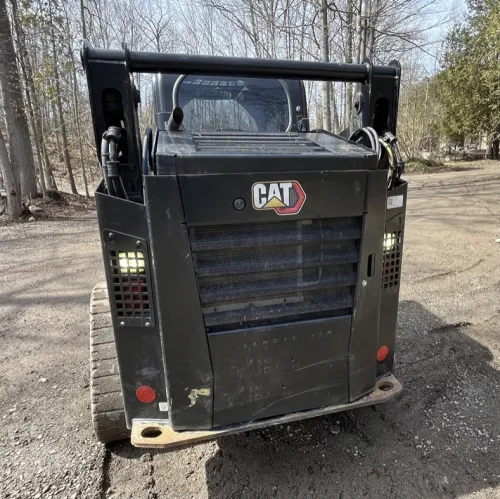
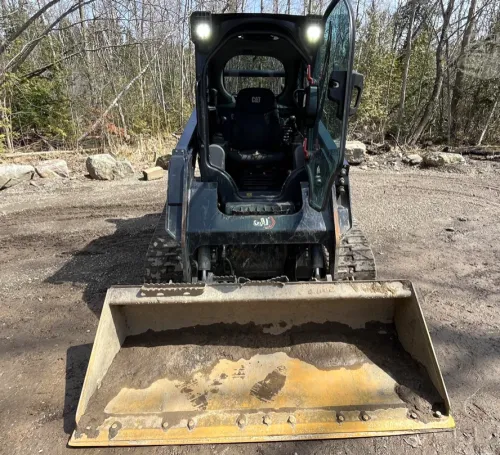
4
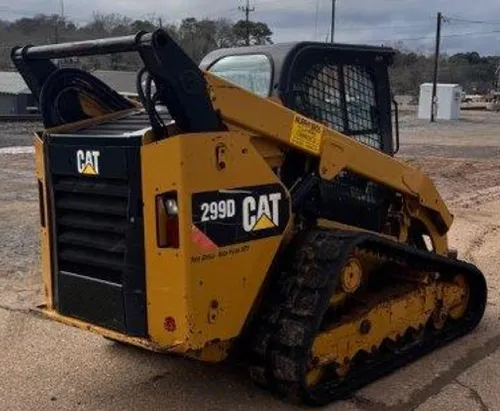
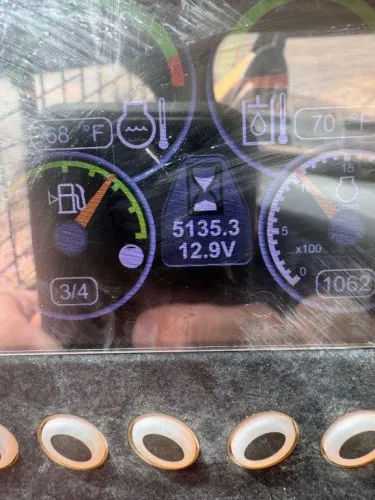
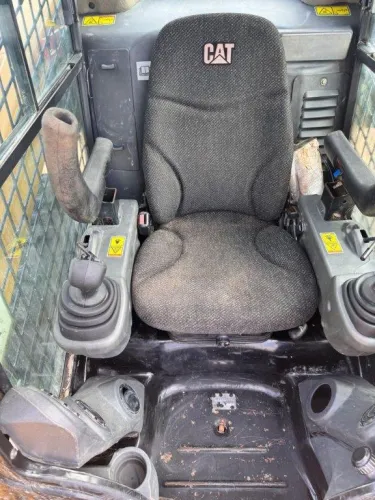
3
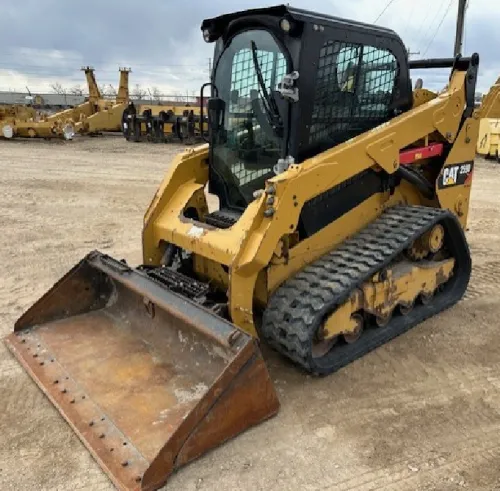
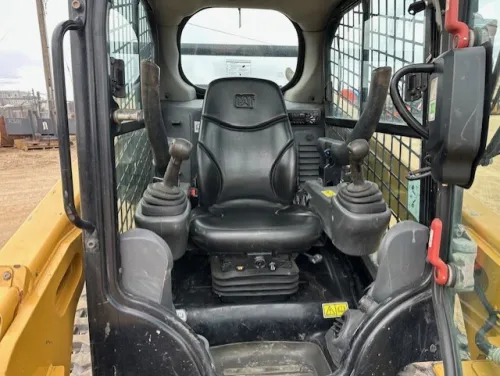
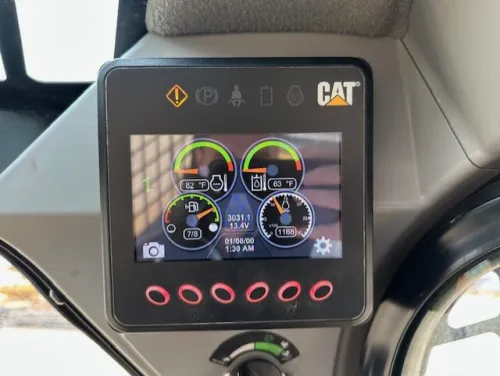
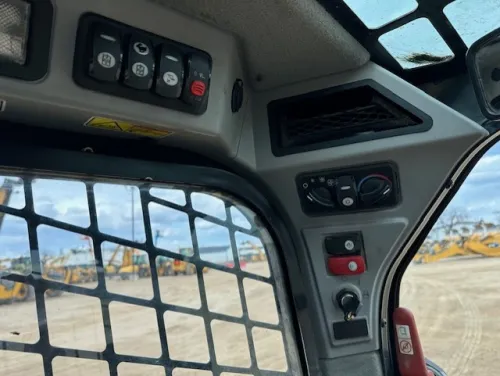
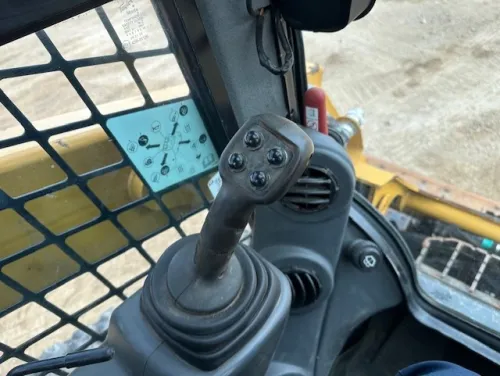
12
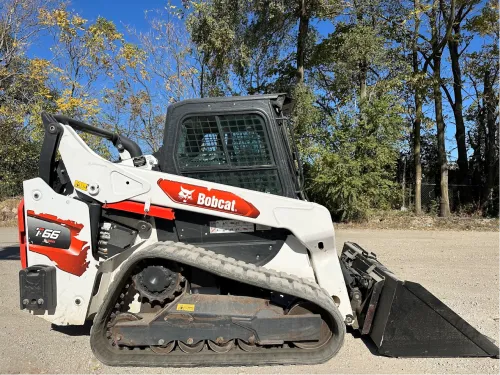
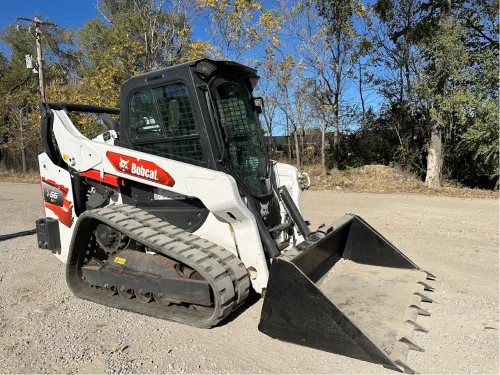
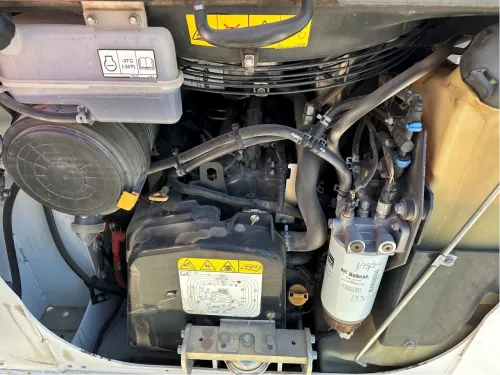
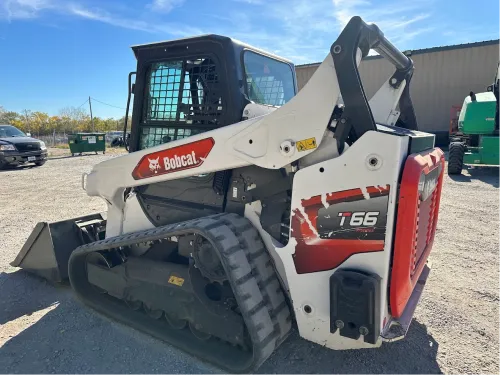
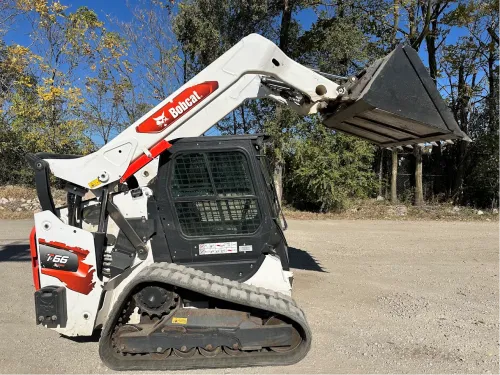
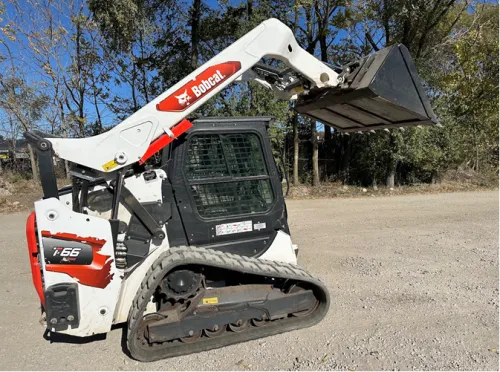
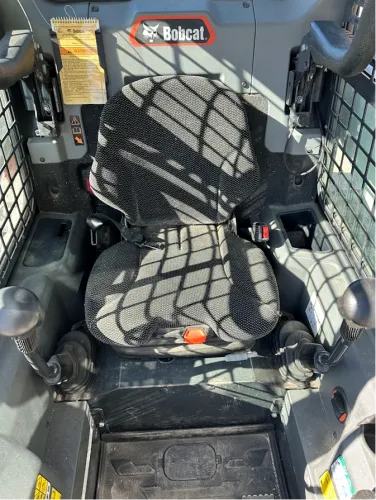
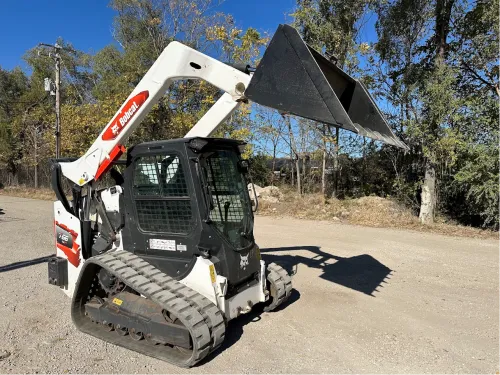
9
0
1
2
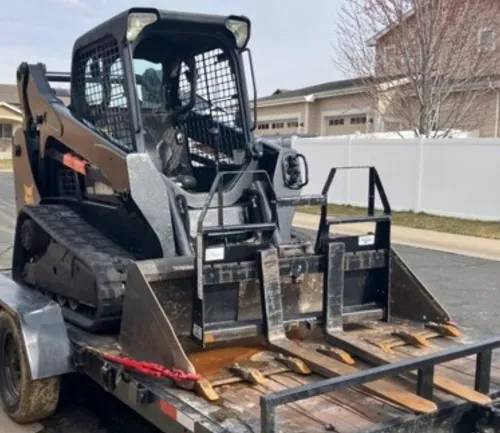
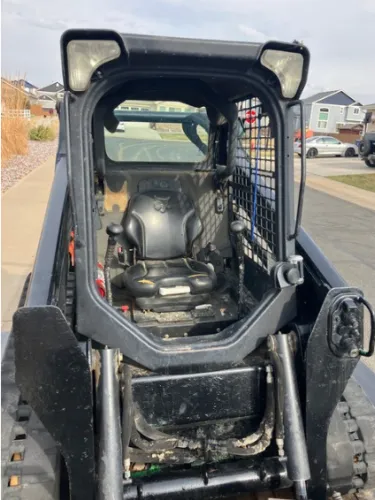
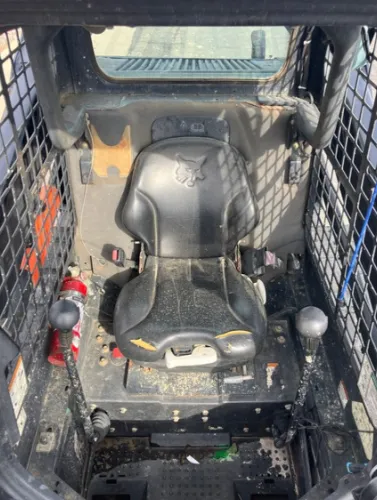
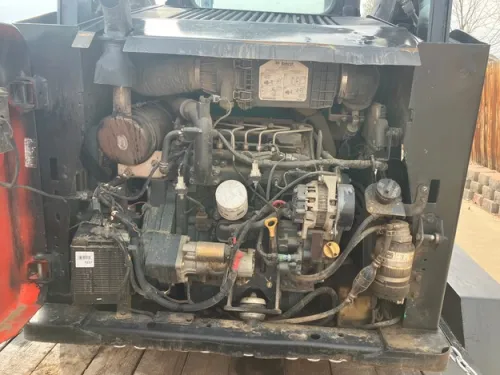
6
1
2
1
0
0
1
1
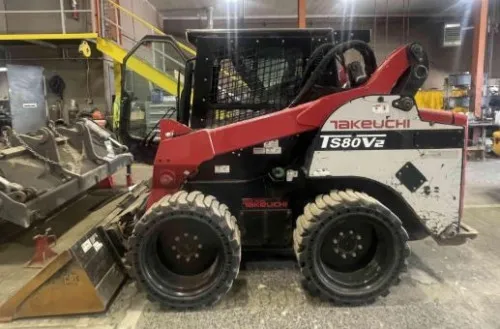
1
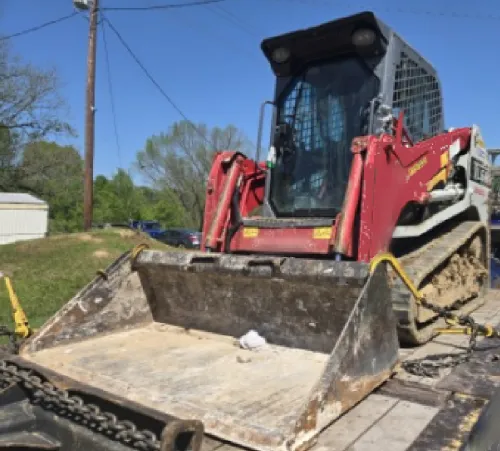
1
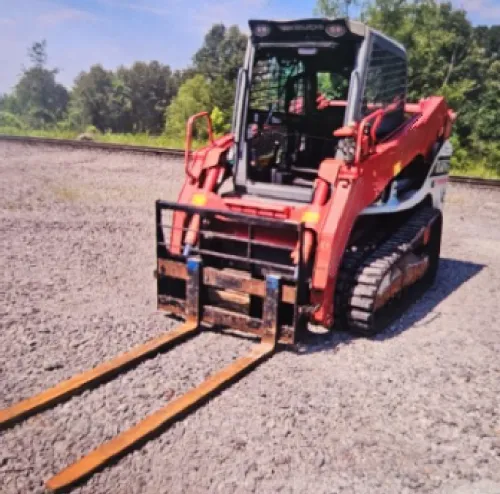
1
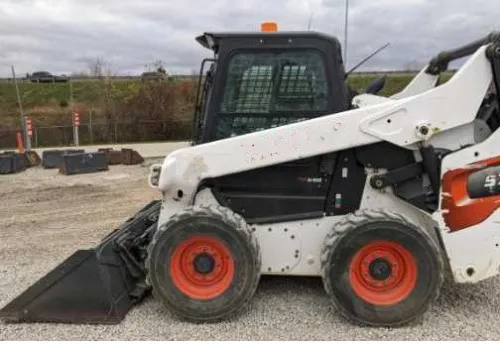
1
1
2
1
Buying guide
Skid Steers
An educational guide to comparing skid steers, knowing what to inspect, and asking the right questions before you buy.

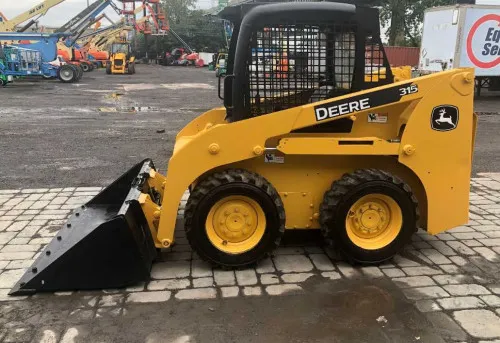
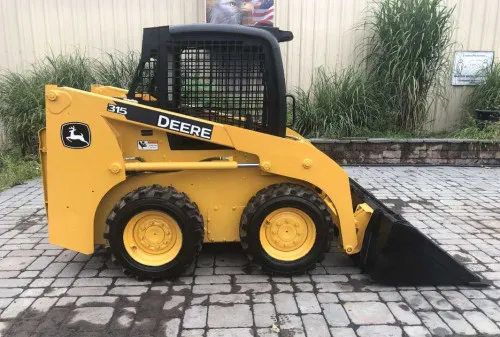
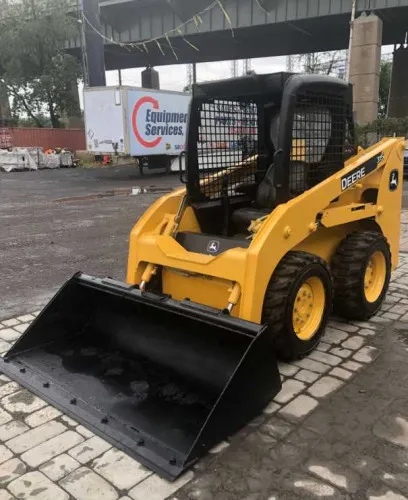
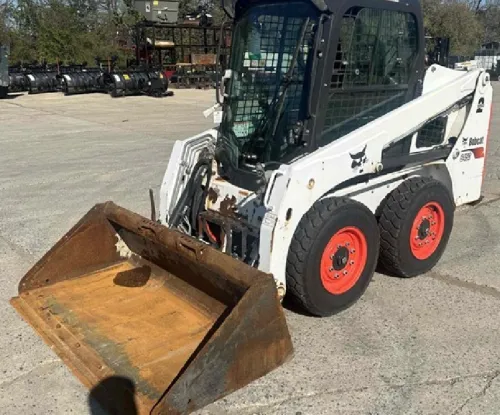
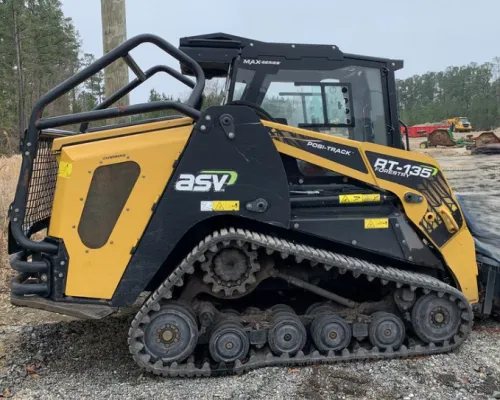
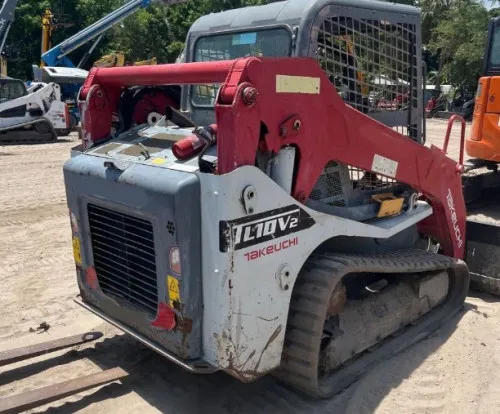
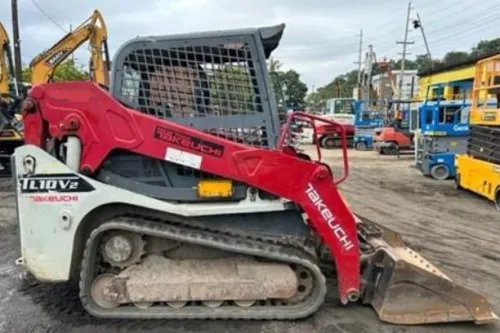
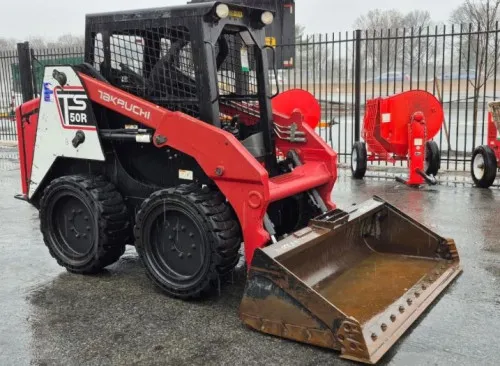
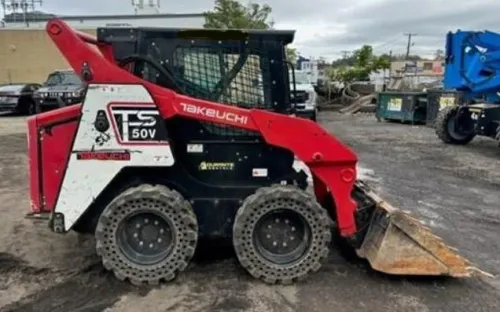
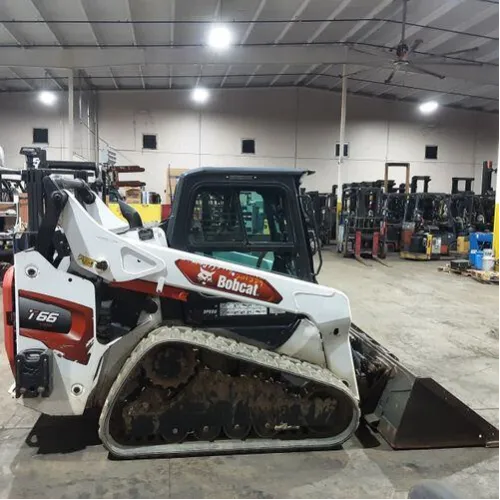
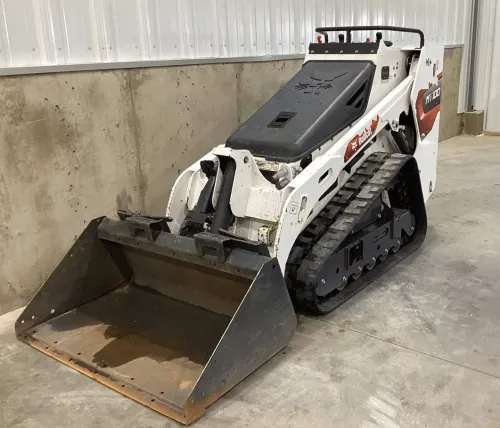
A skid steer is a compact loader with independently driven left and right wheels that turn by skidding. A compact track loader uses tracks; buyers often search for both under “skid steers.” These machines can move materials, grade, load and run compatible attachments on construction sites, farms and landscaping jobs.
Start with the ground you work on, your heaviest regular load and the attachments you need. Then check the exact machine’s lift path, dimensions, hydraulics and condition. The guide below explains what to compare before you contact a seller, rather than choosing by horsepower, hours or price alone.
| Buying question | What to look for |
|---|---|
| Wheels or tracks: which fits your ground? |
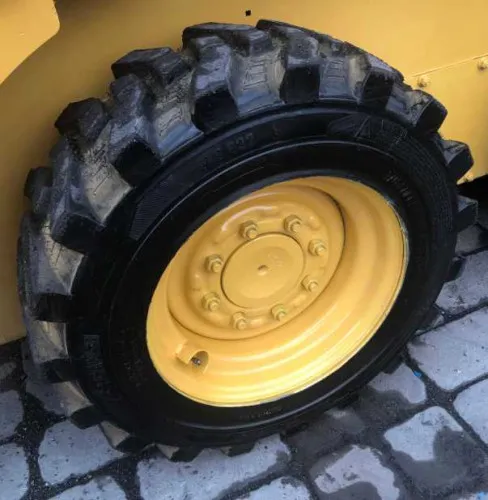
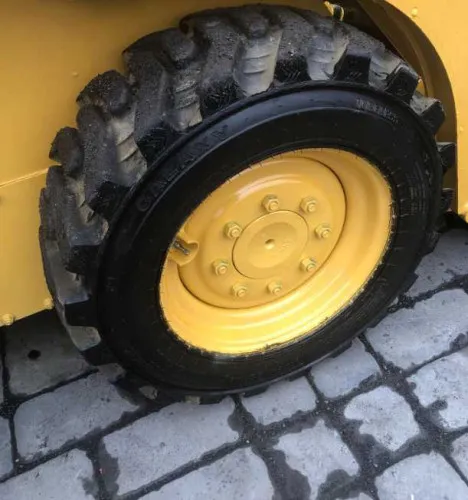
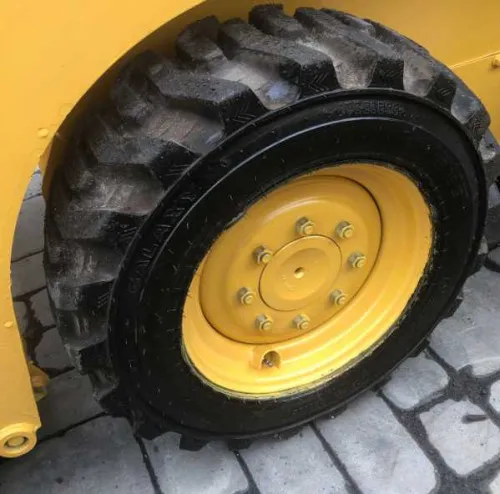
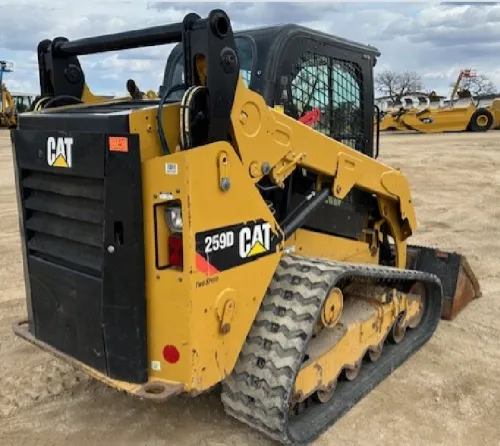
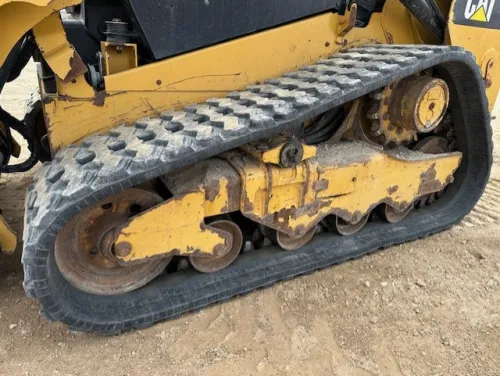
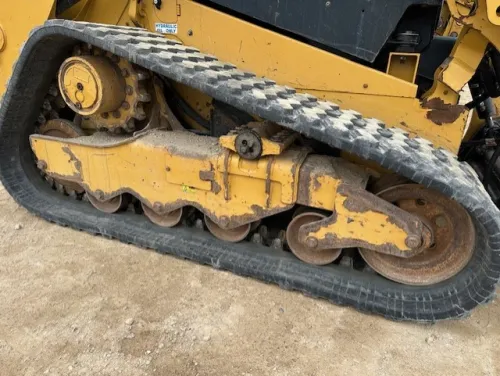
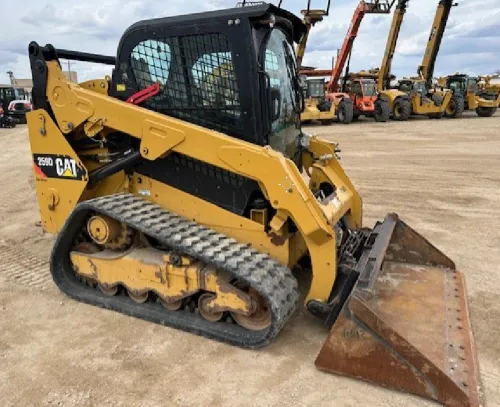
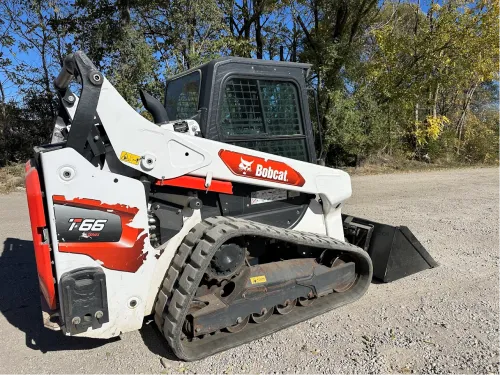
Use your normal working surface to narrow the choice. Wheeled skid steers generally suit pavement, hardstanding and other firm surfaces. Compact track loaders distribute their weight over tracks, offering flotation and traction on soft or muddy ground. Both can disturb turf when turned sharply. Look beyond the purchase price: ask about tire or undercarriage condition, replacement costs and how often you will move between sites. A demonstration on ground similar to yours is more useful than judging from a photograph. |
| Radial or vertical lift: which suits your work? |
Compare where you need the bucket or forks to reach. Radial-lift arms follow an arc, with useful forward reach at intermediate heights for ground-level work. Vertical-lift designs are often a better fit for frequent high loading, such as reaching into trucks. Exact reach and clearance vary by model. Check the manufacturer’s reach and dump-height figures against your truck, hopper or stacking task. Ask to see the machine perform the task with the attachment you plan to use. |
| What size and capacity do you need? |
Choose for the load you regularly handle and the space you work in. Check rated operating capacity, overall width and height, machine weight and attachment requirements. Horsepower alone does not tell you whether a loader can carry your load, fit through a gate or work with your attachment. Confirm the specifications for the exact model, year and attachment before you buy. |
| What should you inspect on a used machine? |
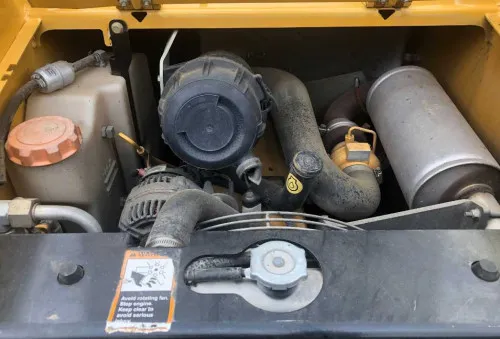
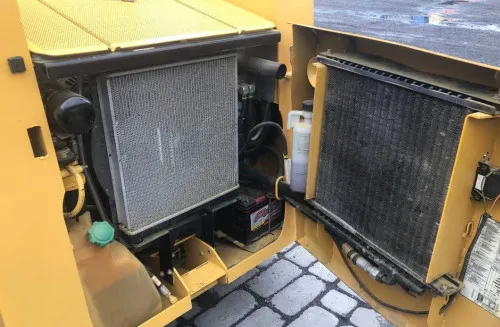
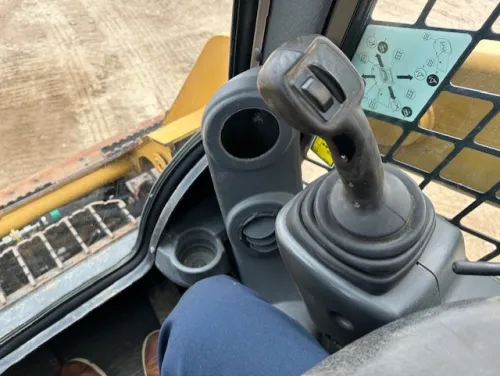
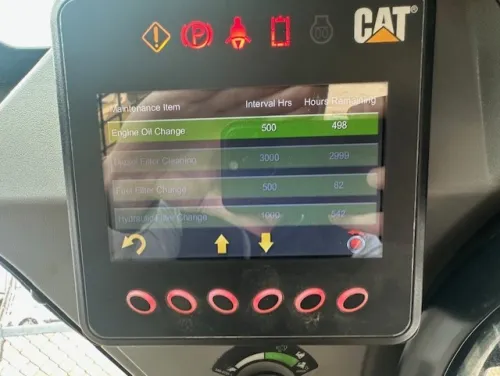
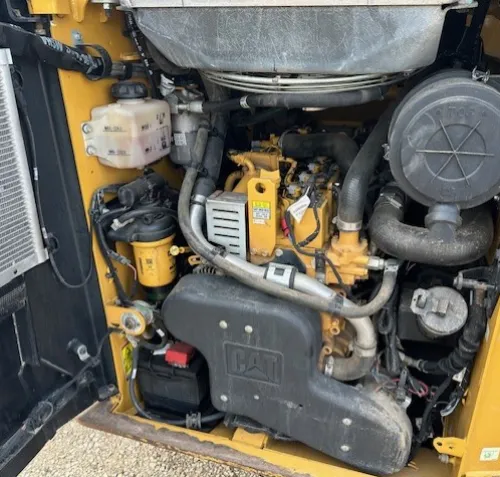
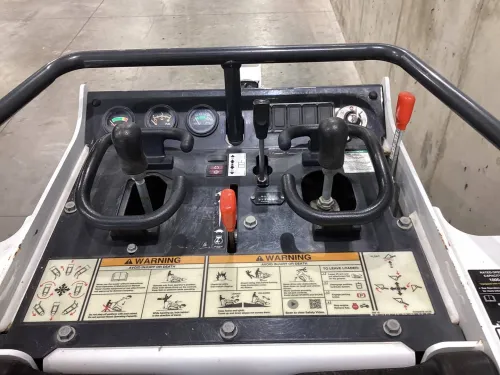
Review the hydraulics, running gear and safety equipment before making an offer. Check maintenance records, leaks, visible damage and excessive wear. Request an inspection report where available; Caterpillar’s used-machine inspection guidance treats mechanical faults and safety issues as meaningful checks. Have a qualified person demonstrate the machine and intended attachment. Verify hydraulic flow and pressure, couplers and any required case drain or electrical controls. Higher-flow options are configuration-specific; a badge alone is not proof.
|
Skid steer FAQs
What size skid steer do I need?
Write down your normal load weight, access limits and attachment needs before comparing models. Use rated operating capacity and actual dimensions to narrow the list. Then ask for a demonstration and confirm the machine’s configuration; a broad “small,” “medium” or “large” label is not enough to choose safely.
Is a wheeled or tracked skid steer better?
Neither suits every job. Wheeled machines generally fit hard surfaces; compact track loaders offer flotation on soft ground. Include tire or track wear, site conditions and transport in the comparison. Turning technique still matters: tracks do not guarantee that finished grass will be left undamaged.
What does rated operating capacity (ROC) mean?
ROC is the manufacturer’s rated working-load figure under specified conditions. It is different from tipping load, which describes a stability limit rather than a load to target in everyday work. Follow the exact machine’s manual and attachment limits; do not use horsepower or tipping load as a substitute.
How many hours is too many on a used skid steer?
There is no single hour count that guarantees a good or bad purchase. Maintenance, duty cycle, damage and wear all matter. Use the hour meter as one part of the assessment, then review service history and have the machine inspected. Caterpillar identifies utilization, care and maintenance as factors in machine lifespan.
Will attachments from another brand fit?
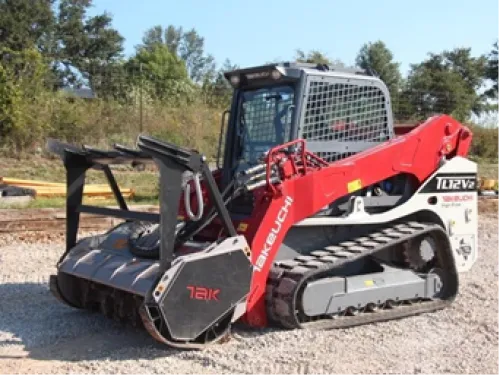
Do not assume compatibility from appearance or brand alone. Verify the mounting system, hydraulic flow and pressure, couplers, case drain and any electrical requirements against both manuals. Confirm the attachment is appropriate for the machine’s capacity and installed hydraulic options before connecting or operating it.
What is the difference between a skid steer and a compact track loader?
The main difference is the running gear: a skid steer has wheels, while a compact track loader has tracks. They perform many similar tasks, but ground pressure, traction and maintenance differ. Search results may use the terms together, so check the actual machine configuration in each listing.
Browse skid steers
Manufacturers
Related equipment
Sources
- Compact loader definitions and applications
- Choosing wheels or tracks for site conditions
- ROC, lift paths and specification comparison
- Compact loader sizes and specifications
- Caterpillar used-machine inspection checks
- Matching machine hydraulics and attachments
- Caterpillar skid steer and track loader guidance
Sorting
Done