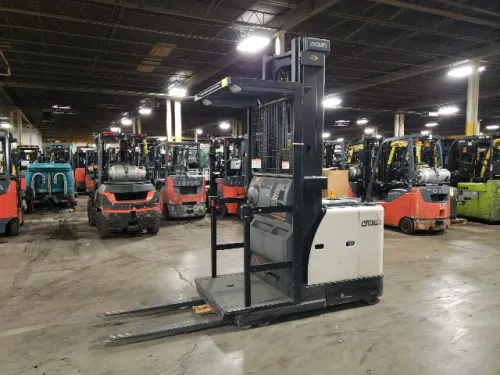
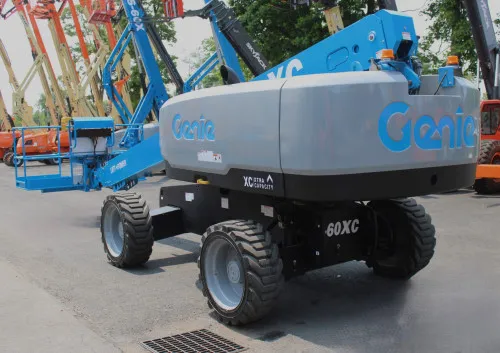
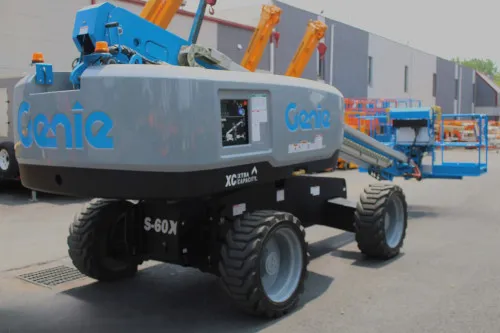
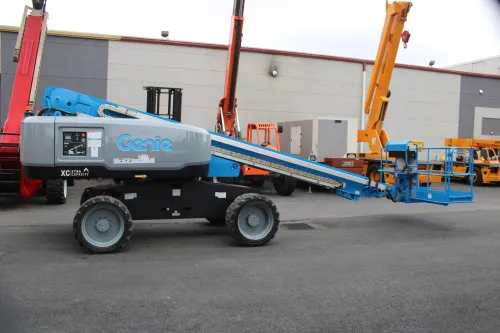
1,630 lifts for sale
Buying guide
How to choose between forklifts, telehandlers and aerial lifts, match power and tires to your site, and check the basics on any used lift.

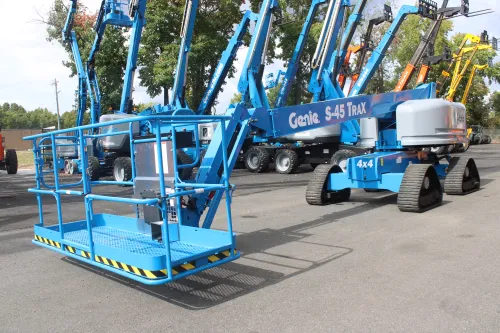
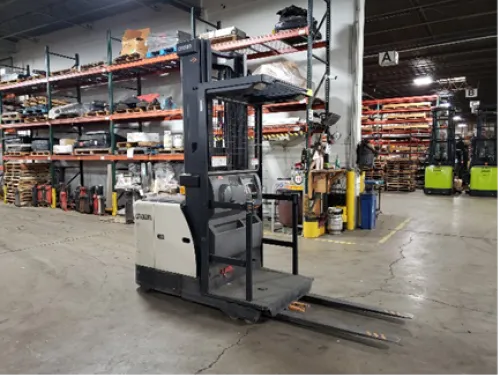
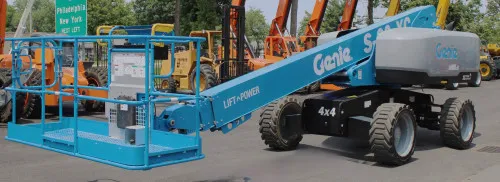
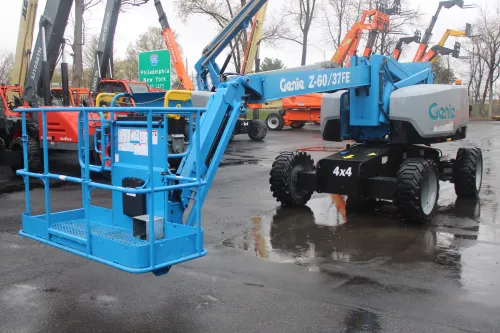
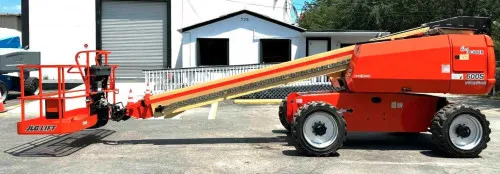
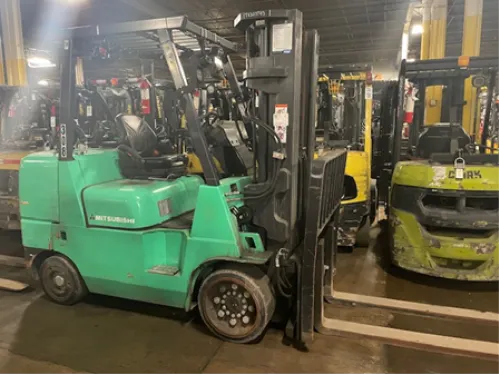
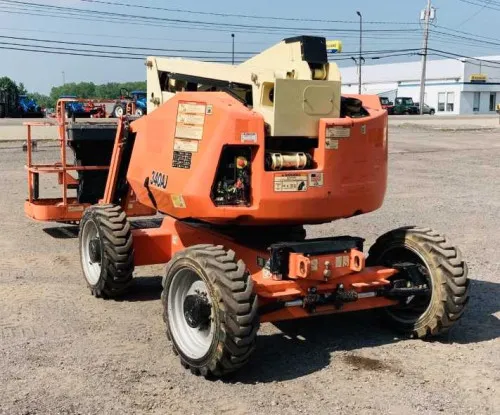
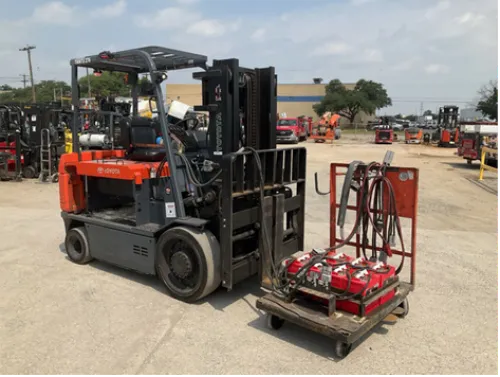
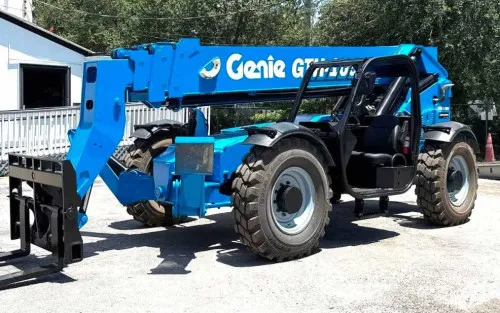
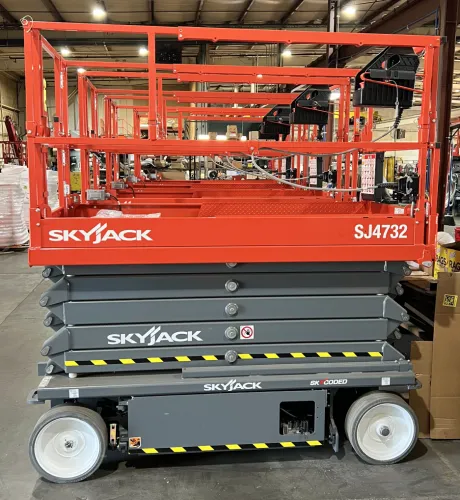
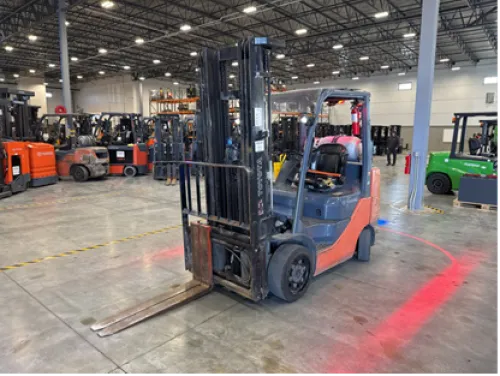
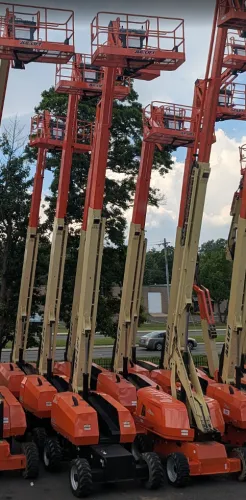
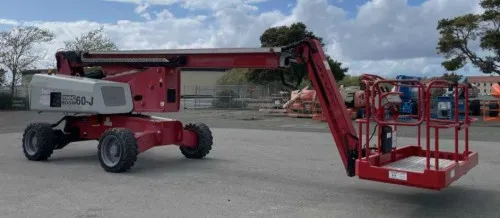
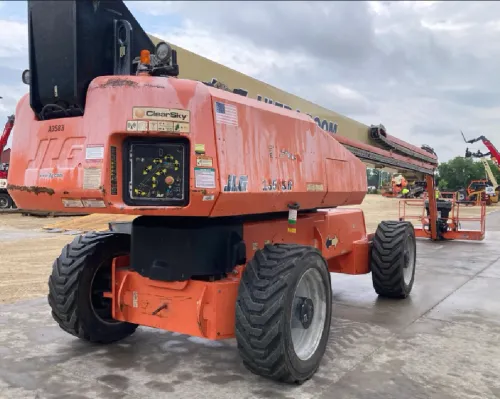
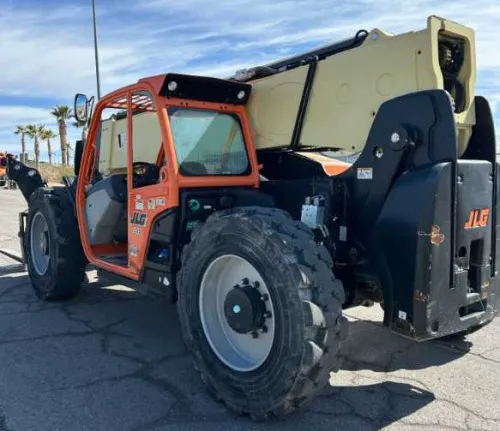
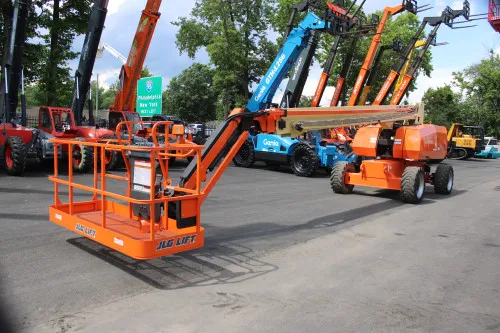
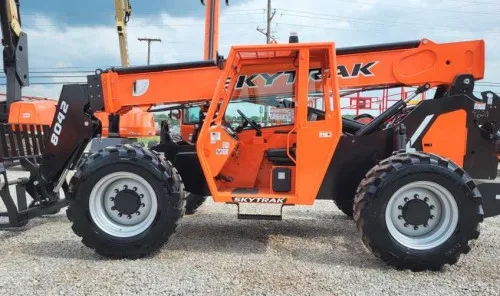
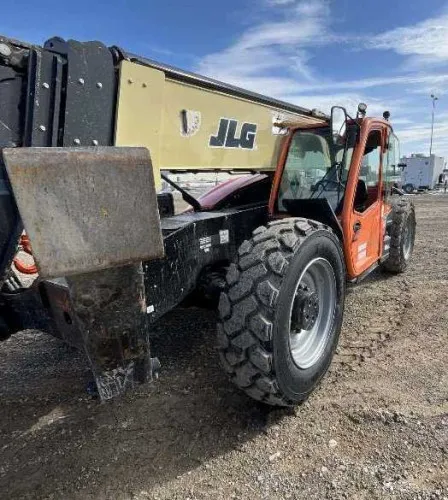
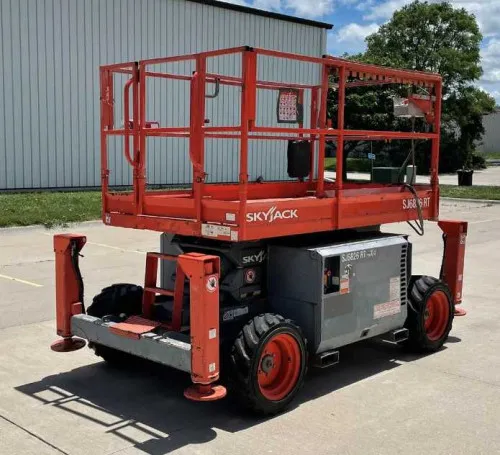
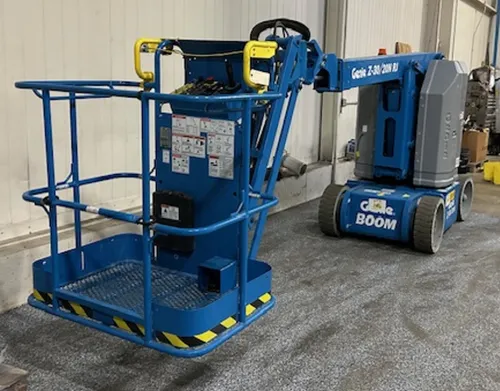
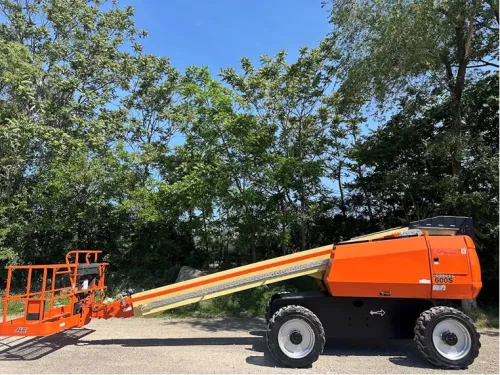
Lifts fall into two broad groups. Forklifts and telehandlers are material-handling machines that pick up, carry and place loads. Boom lifts, scissor lifts and personnel or mast lifts are aerial work platforms that raise people and their tools to work at height.
Start with what goes up: a load or a person. Then think about how high and how far out you need to reach, whether you work indoors or outdoors, and the ground under the machine. Use the questions below to narrow down the type of lift you need, then compare the lifts listed above.
| Buying question | What to look for |
|---|---|
| Moving materials or lifting people: which type of lift do you need? |
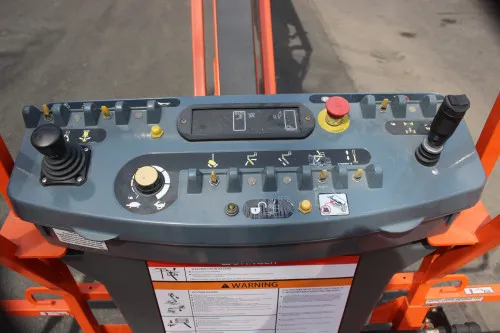
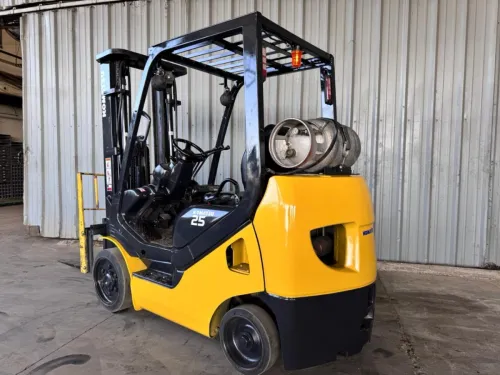
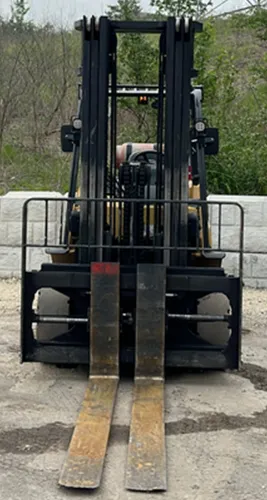
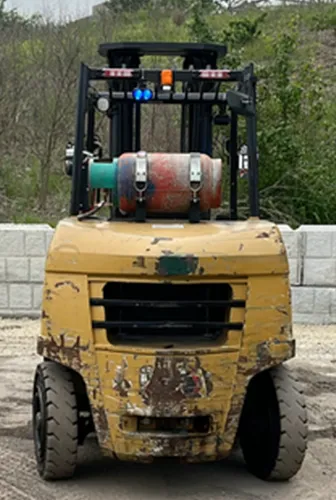
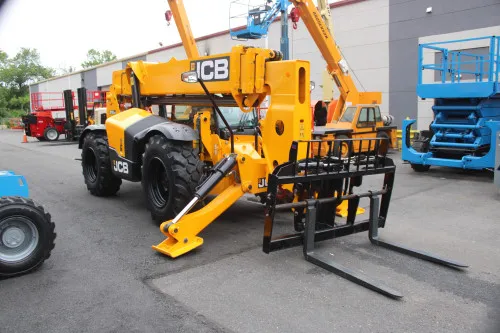
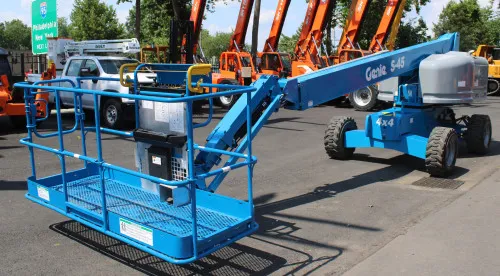
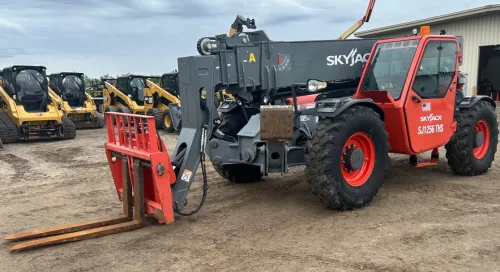
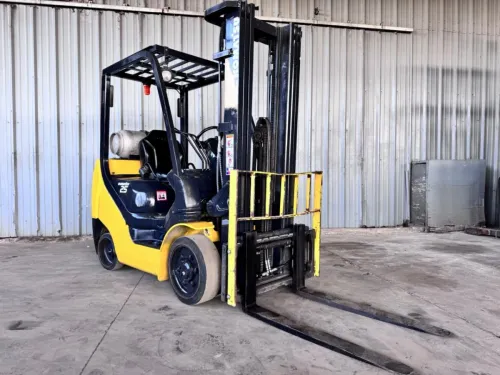
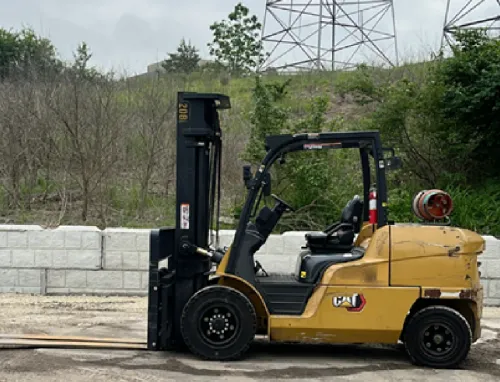
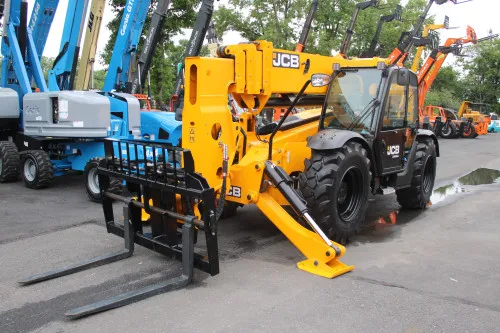
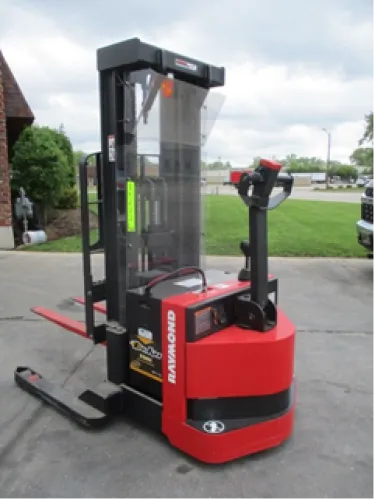
Choose a forklift or telehandler for loads and an aerial work platform for people. Forklifts and telehandlers are built to lift, carry and place pallets and materials. A forklift lifts straight up on its mast, while a telehandler's boom reaches forward and up over obstacles on rough ground. Aerial work platforms have a guarded platform and controls at the top, so a worker can position themselves and their tools at height. If the job is mainly putting people in the air, an aerial lift is usually the right tool rather than a platform on forks. |
| Boom, scissor or personnel lift: which aerial lift fits your work? |
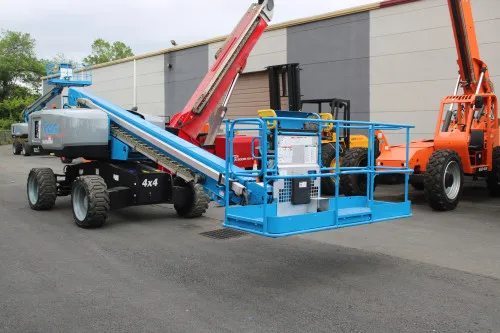
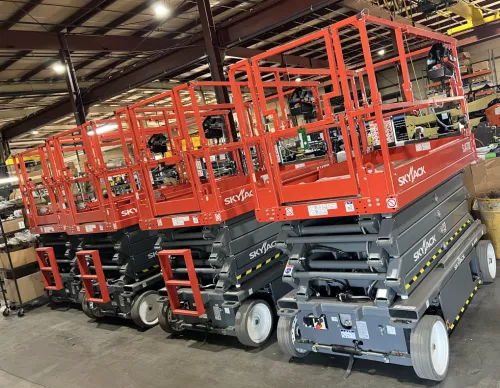
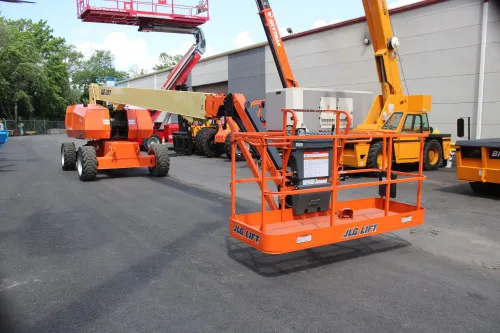
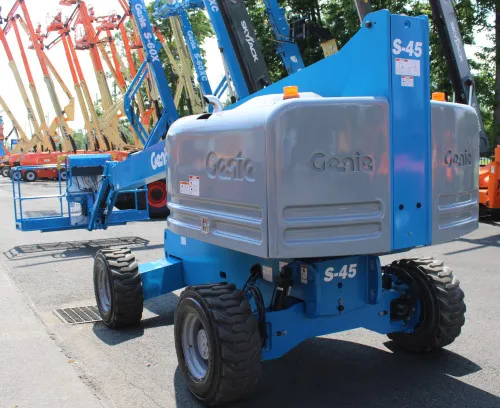
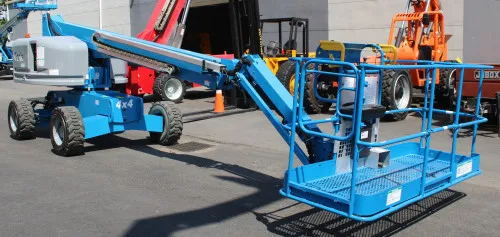
Match the lift to how high you need to go and whether you need to reach out. A scissor lift raises a wide platform straight up, which suits ceiling, wall and overhead work directly above a firm, level surface. A boom lift reaches up and out, so it can get over obstacles, around structures and to work far from where the machine sits. Personnel and mast lifts are compact one-person machines for tight indoor spaces and quick jobs. Compare working height, outreach, platform size and platform capacity against your real tasks before choosing a type. |
| Indoor or outdoor: which power source and tires? |
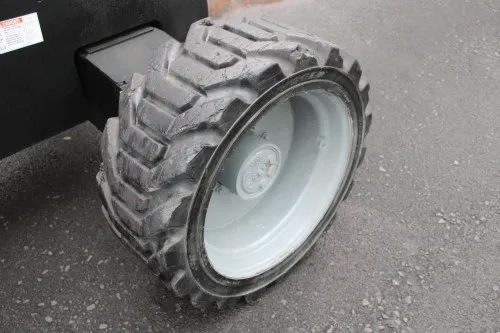
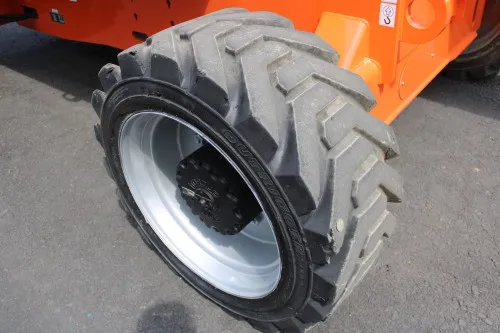
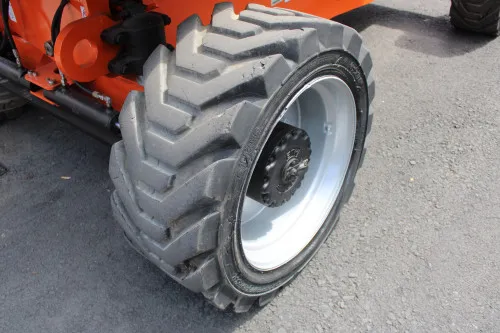
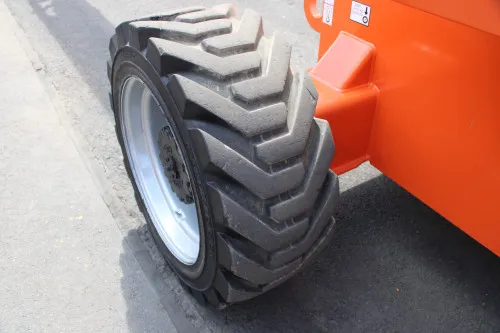
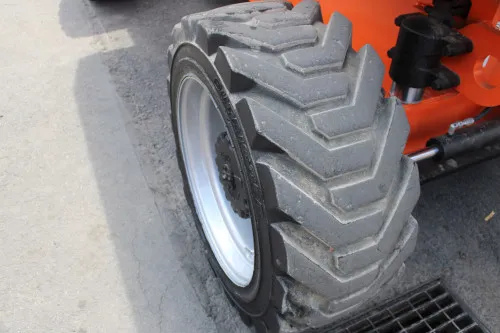
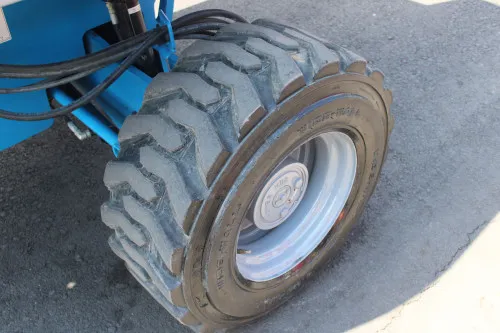
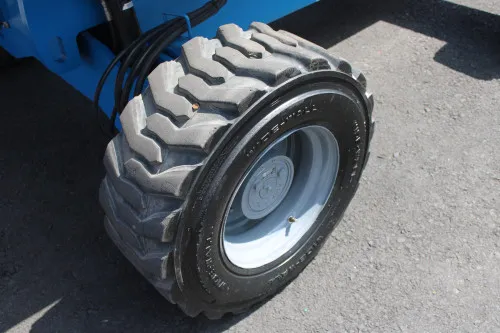
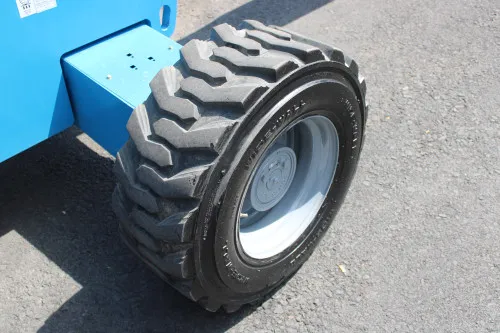
Pick electric power and non-marking tires for indoor work, and engine power with rough-terrain tires for job sites. Electric and battery machines run quietly with no exhaust, which suits warehouses, stores and finished buildings. Engine-powered and rough-terrain machines handle mud, gravel and slopes but bring exhaust and noise. Many aerial lifts carry a lower rating for outdoor use because wind affects stability, and some are rated for indoor use only. Check the machine's data plate and manual for its indoor and outdoor ratings before you rely on it outside. |
| What should you check on any used lift? |
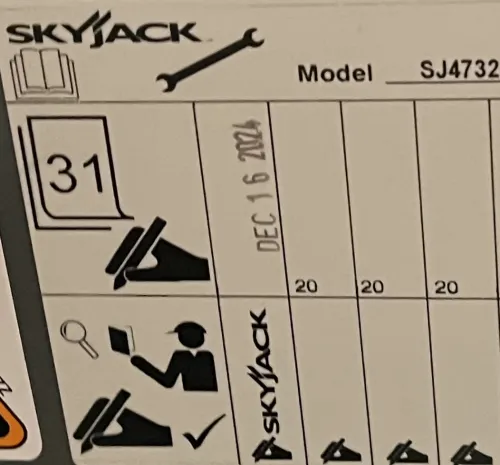
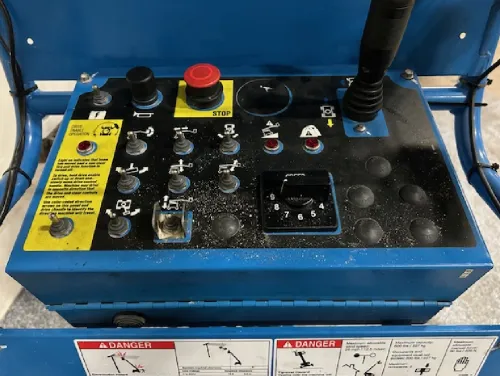
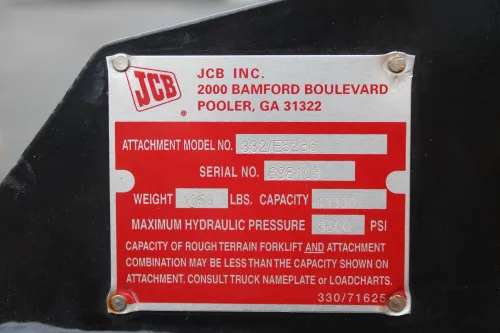
Confirm the paperwork, plates and safety systems before you look at anything else. Whatever the type, a used lift should come with readable data plates, a load chart or platform capacity decal, the operator's manual and a record of its inspections and repairs. Run every function from both the ground and platform controls, test the emergency stop and look for hydraulic leaks, damaged hoses and cracked welds. Ask the seller whether any manufacturer safety notices for that model have been completed, and get the repair records that show it.
|
Asking prices for lifts on MachineryList currently range from $13,000 to $76,800, across 1,441 listings that show a price. The equipment market changes constantly as machines sell and new ones are listed, so treat this as a starting point, not a quote. Year, hours, condition and options move the price most.
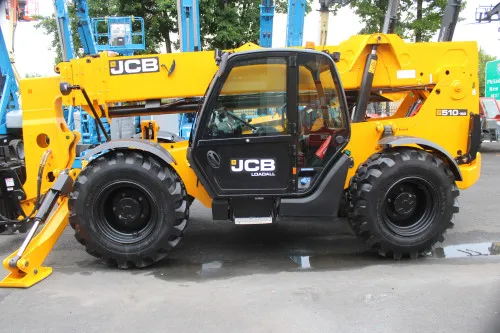
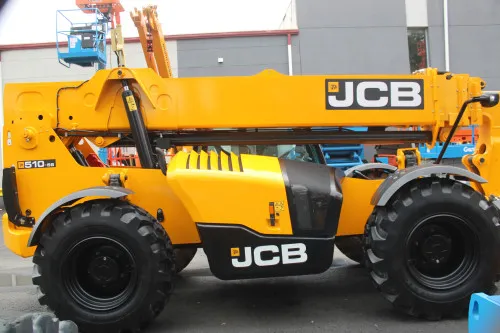
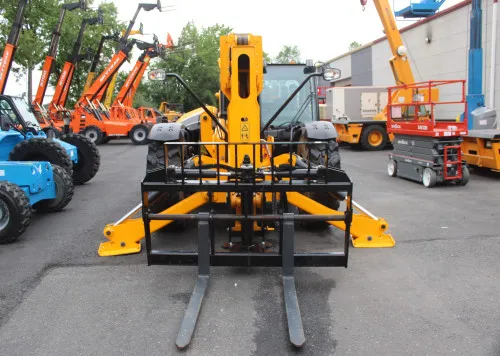
A forklift lifts loads straight up on its mast, and warehouse models are built for smooth floors. A telehandler's boom reaches forward and up over obstacles on rough ground. OSHA treats both as powered industrial trucks; its construction training page covers rough terrain straight-mast and extended-reach forklift trucks. Choose by your ground and how far out you place loads.
It depends on reach. OSHA's scissor lift hazard alert says the scissor mechanism moves the work platform straight up and down. A boom lift reaches up and out over obstacles. Genie lists its S-65 HF boom at 71 ft 2 in maximum working height and 51 ft 2 in maximum horizontal reach. Choose a scissor for work directly overhead, a boom for outreach.
Yes, and it differs by type. OSHA's forklift training in construction, which covers rough terrain and extended-reach trucks, requires an operator evaluation during initial training and at least once every 3 years. For aerial lifts, OSHA's fact sheet says only trained and authorized persons may operate one, and workers should be retrained when a different type of aerial lift is used.
Only in narrow cases. In a 1999 interpretation letter on rough terrain forklifts, OSHA says employers would normally have to consider scaffolds, scissor lifts, aerial lifts and ladders first, and only after finding those infeasible would the forklift be permitted. If the manufacturer's manual prohibits elevating people, OSHA treats that use as a violation. For regular work at height, use an aerial lift.
Working height is roughly how high a person standing on the platform can reach, not the height of the platform floor. Genie's GS-4655 spec sheet says US working height adds 6 ft to platform height, so its 45 ft 9 in indoor platform height gives 51 ft 9 in working height. The same sheet lists only 21 ft 6 in platform height outdoors.
JLG says the ANSI A92.22 standard requires an annual inspection no later than 13 months after the prior one, by a person qualified on that make and model. Genie's inspection guide adds frequent inspections after 3 months or 150 hours in service, whichever comes first, after more than 3 months out of service, and when a machine is purchased used.