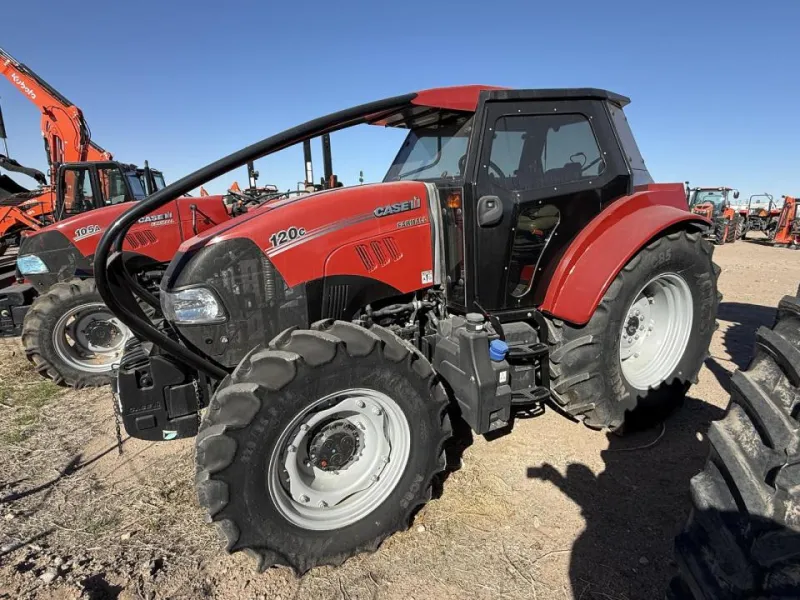
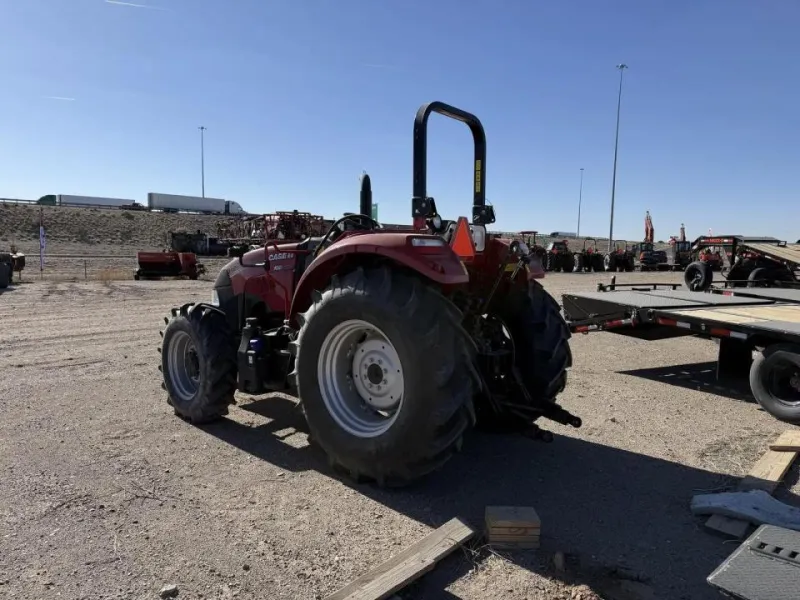
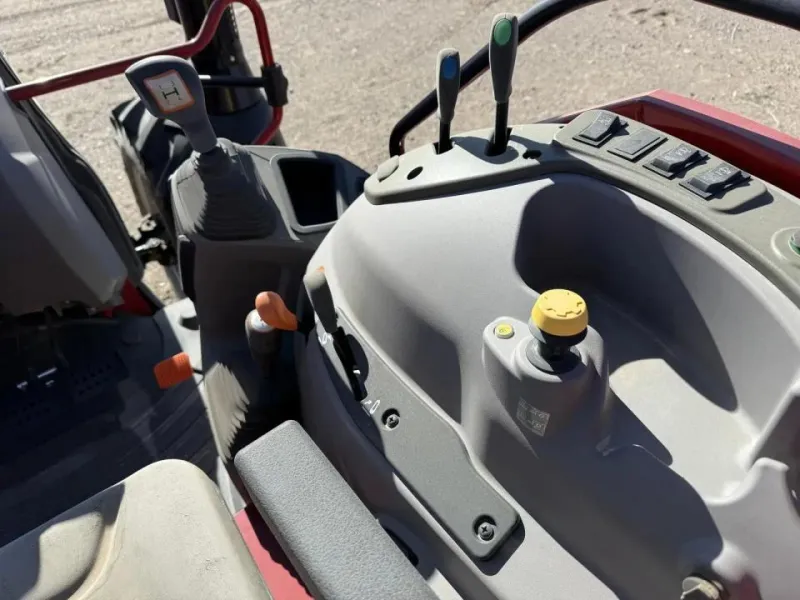
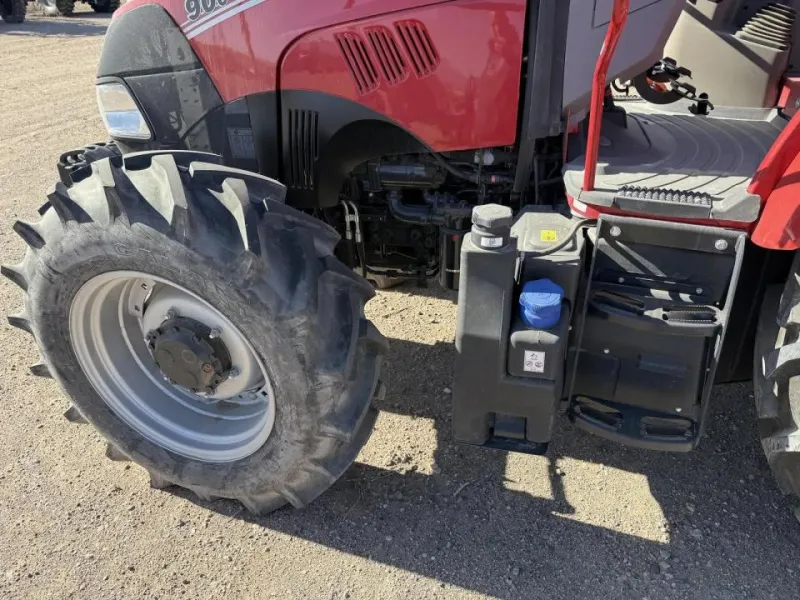
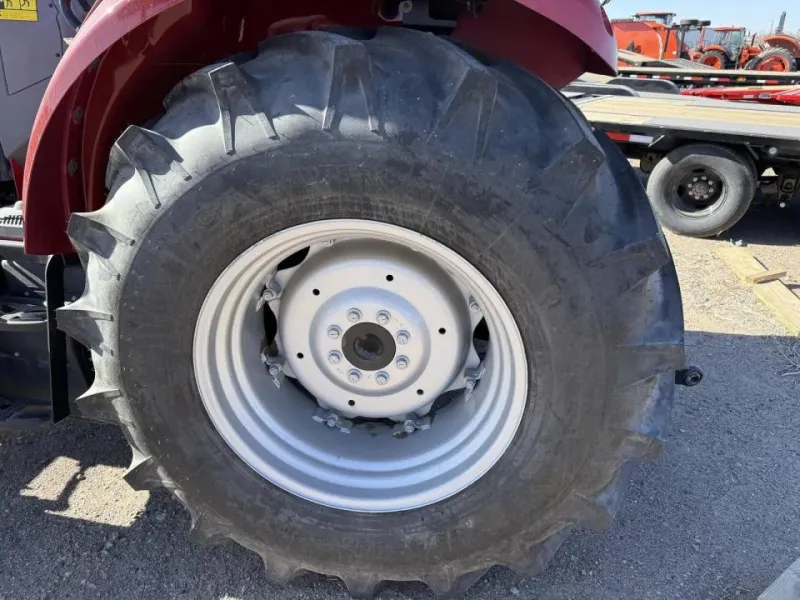
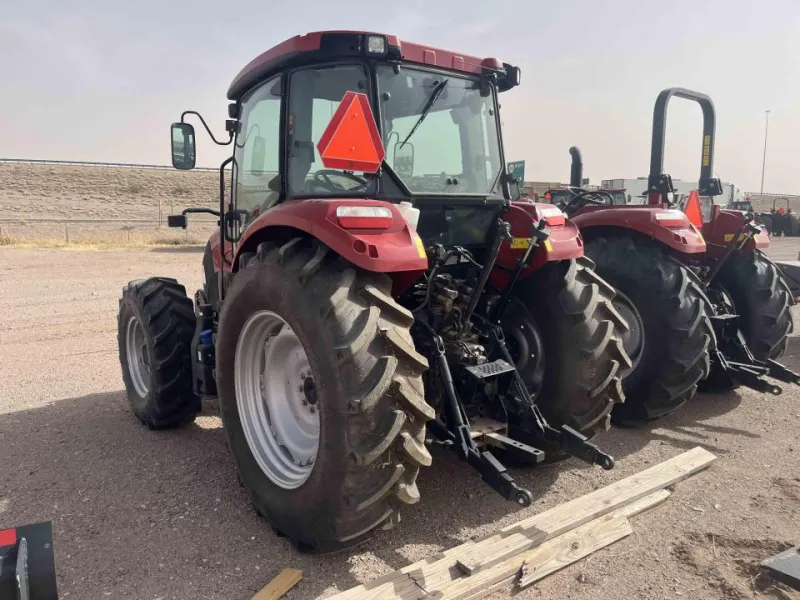
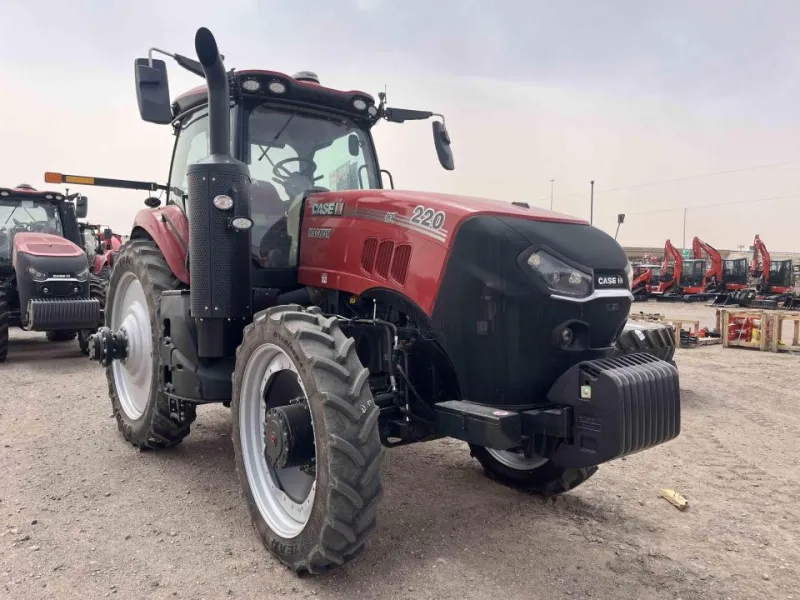
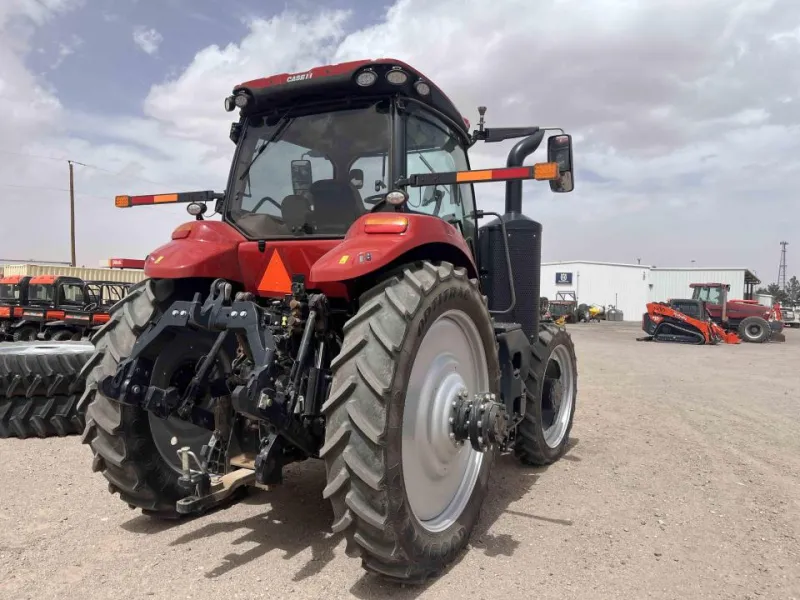
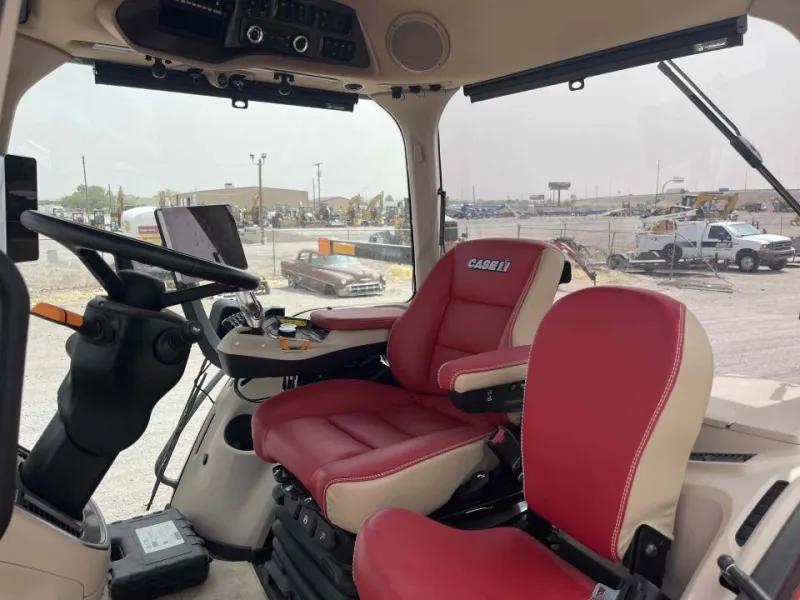
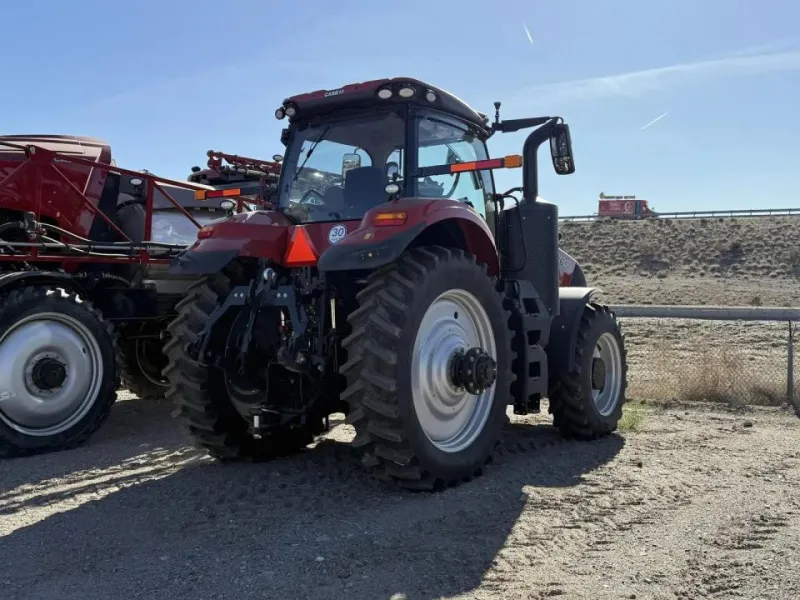
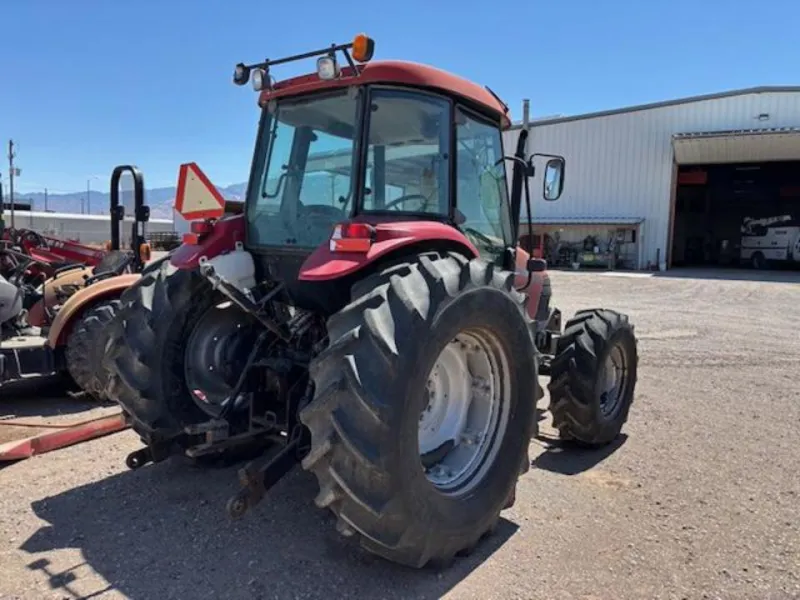
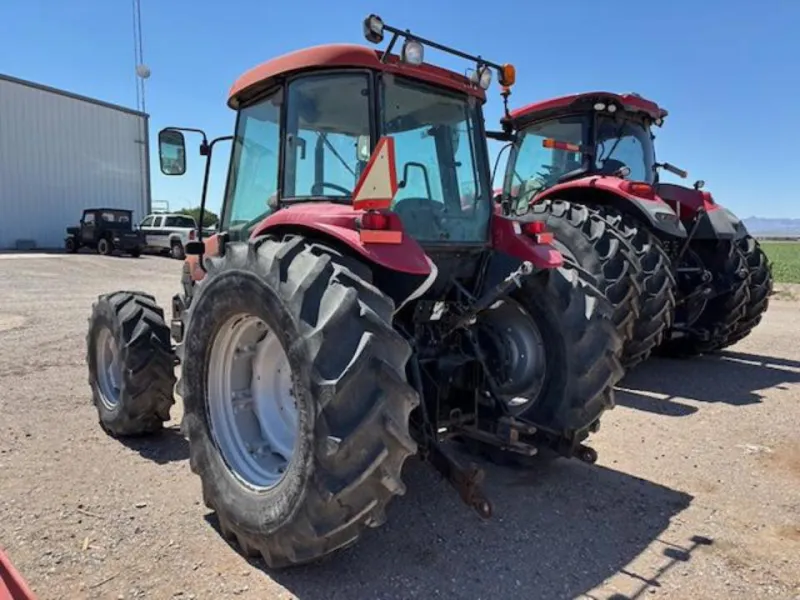
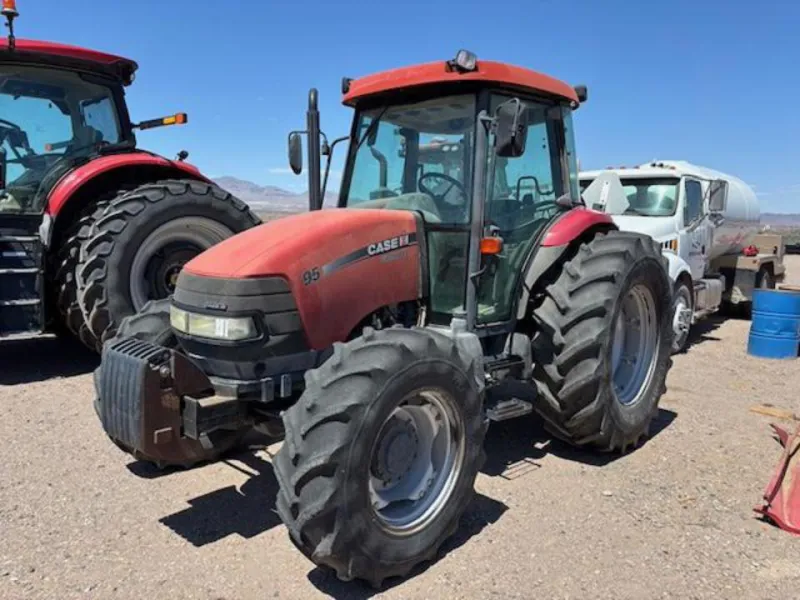
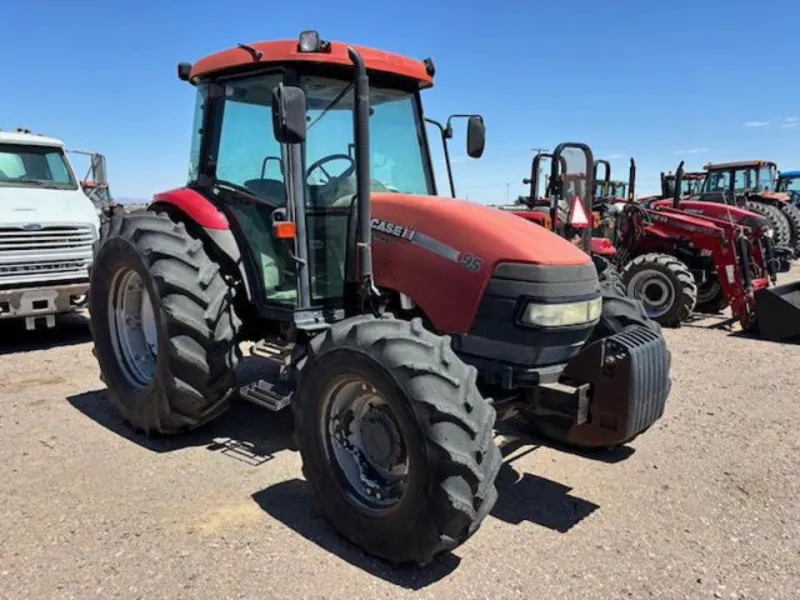
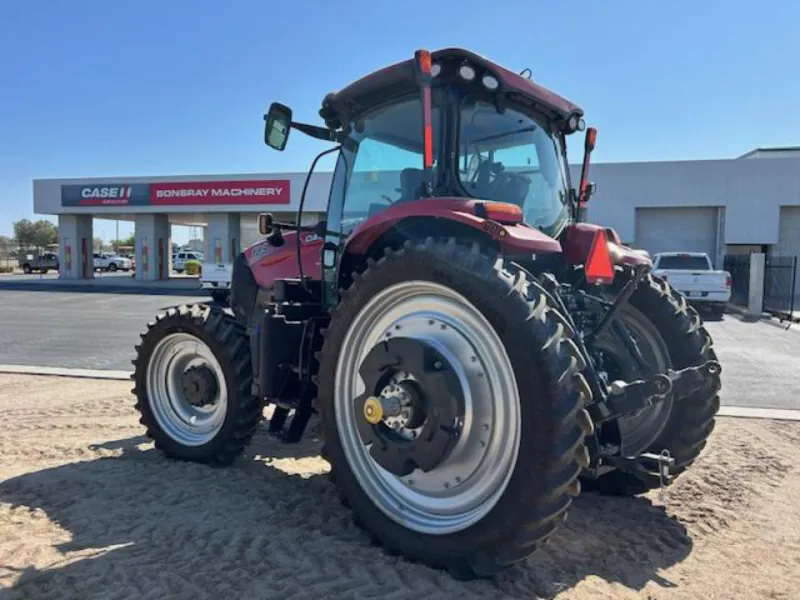
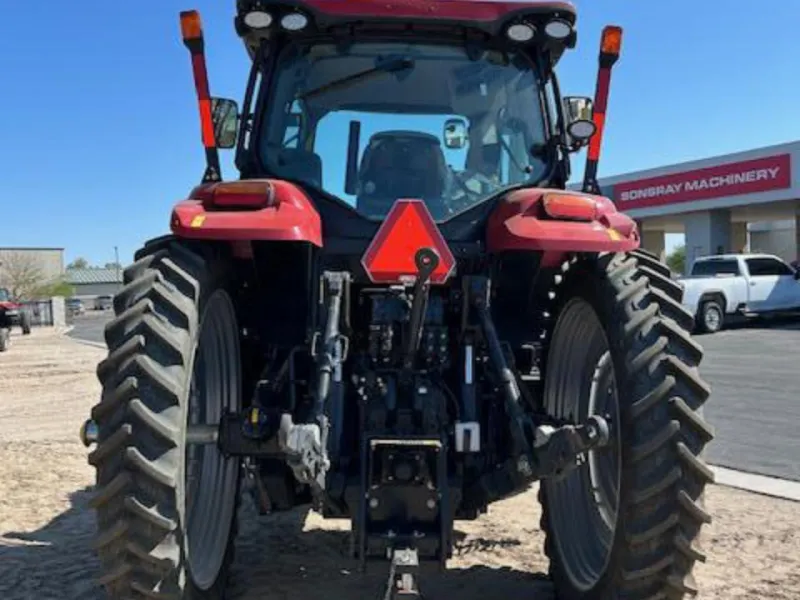
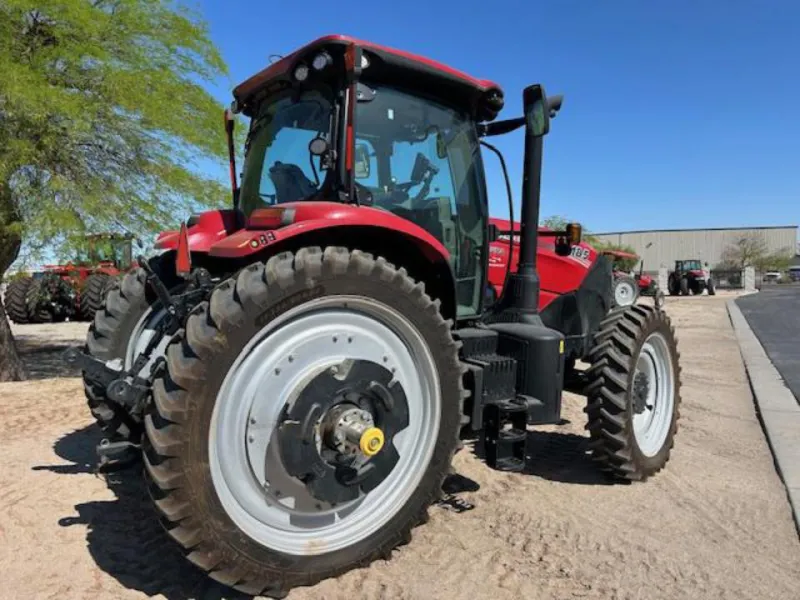
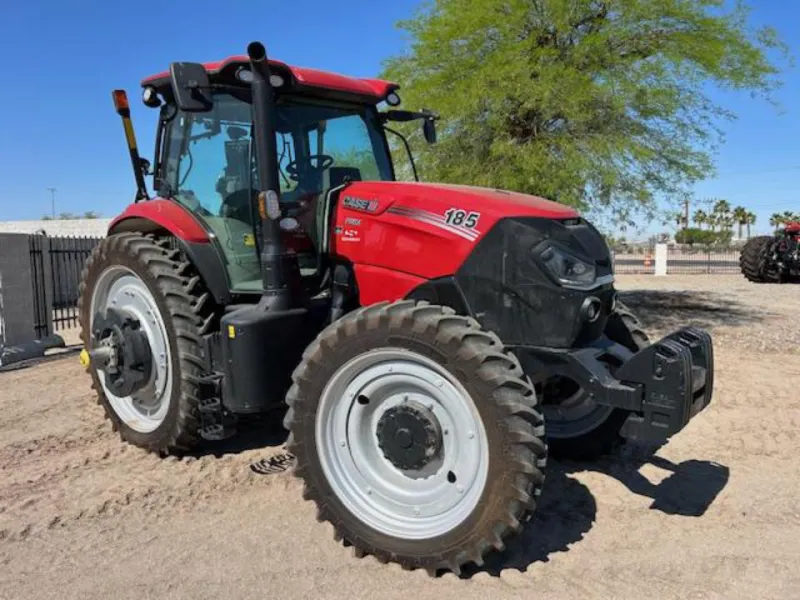
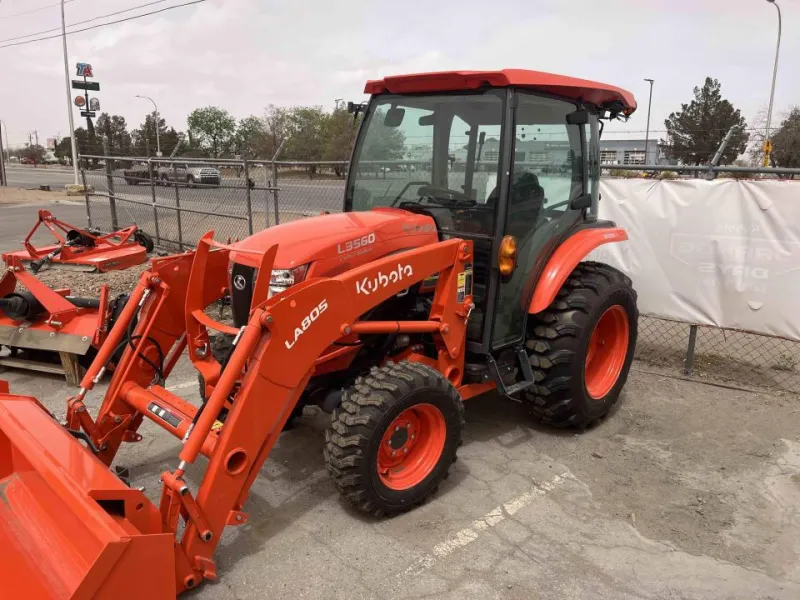
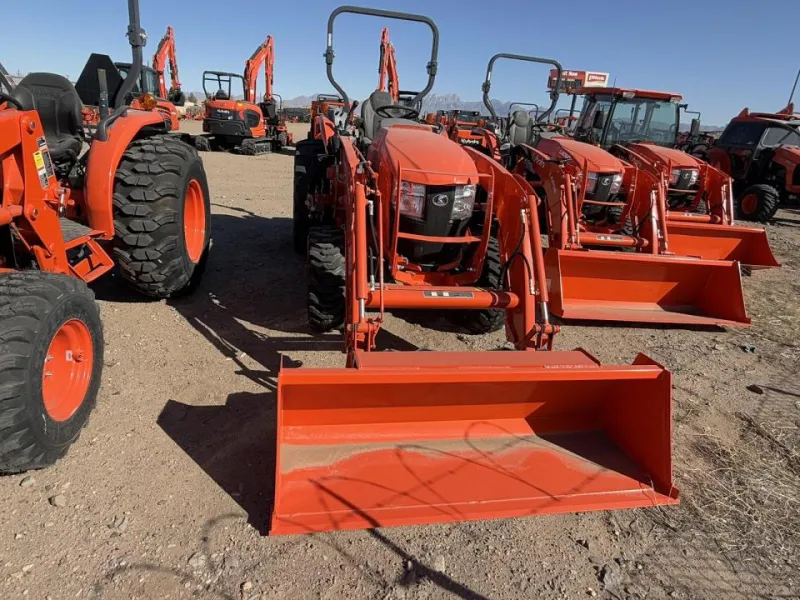
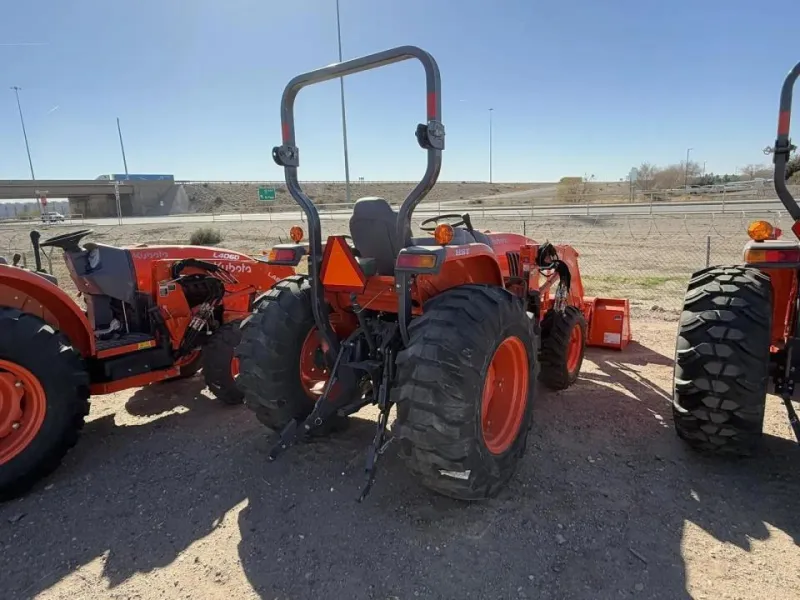
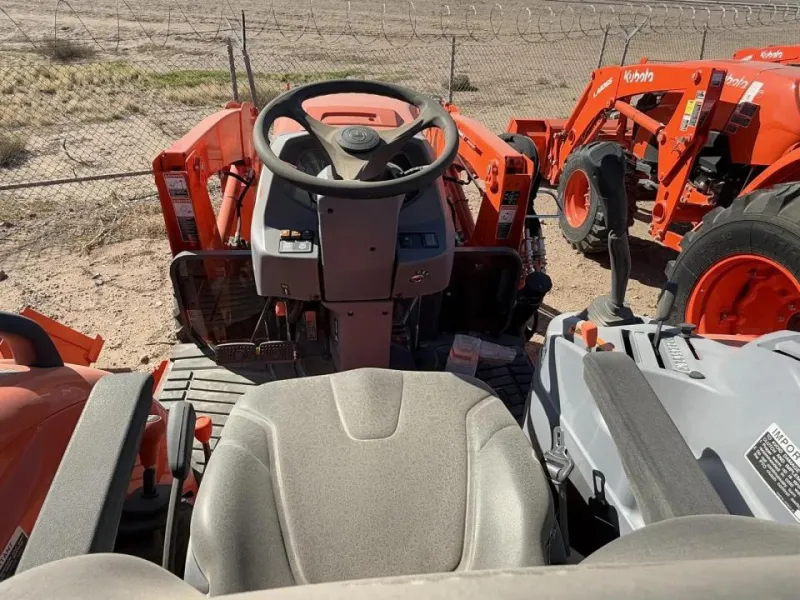
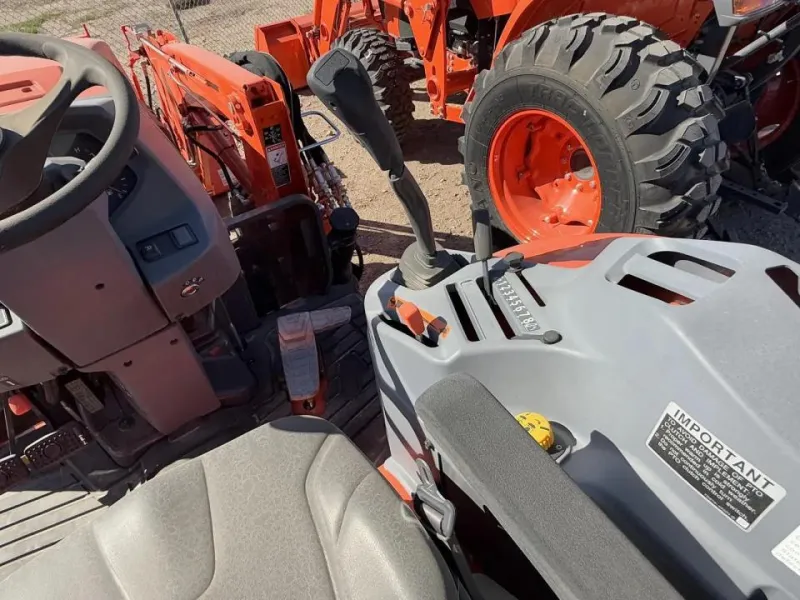
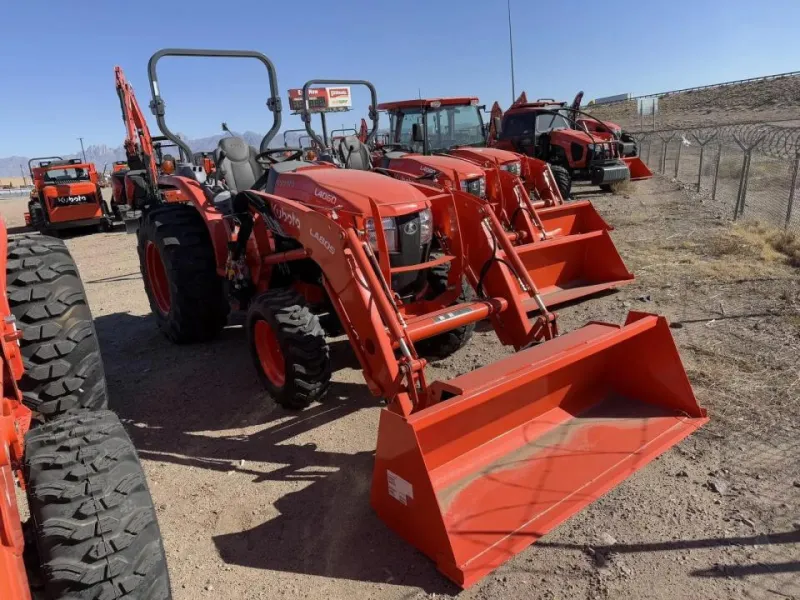
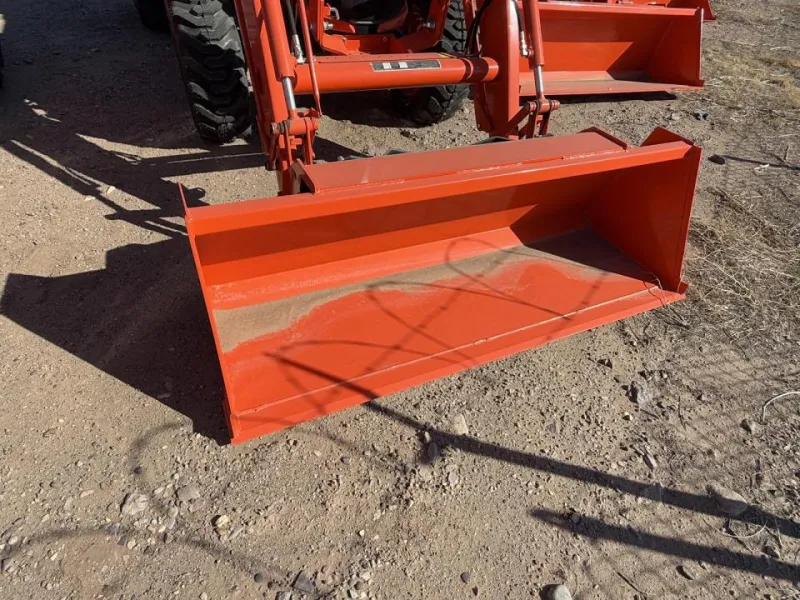
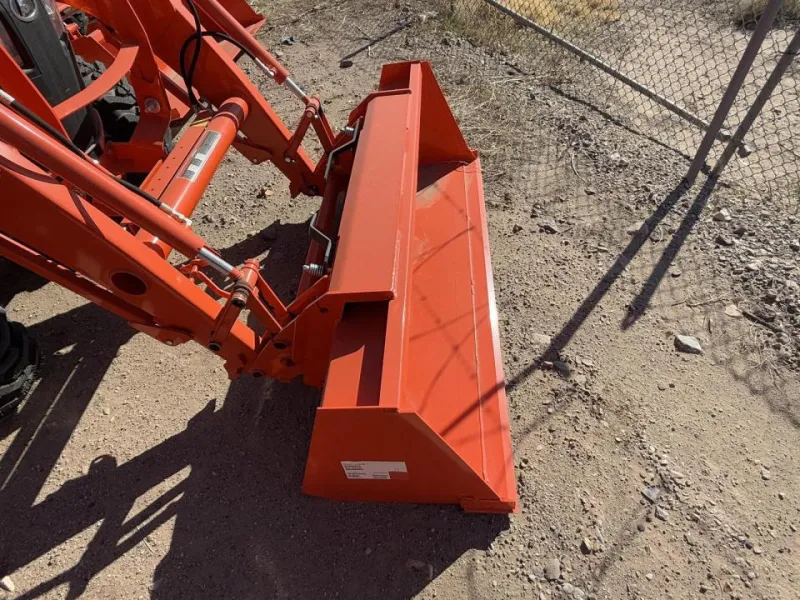
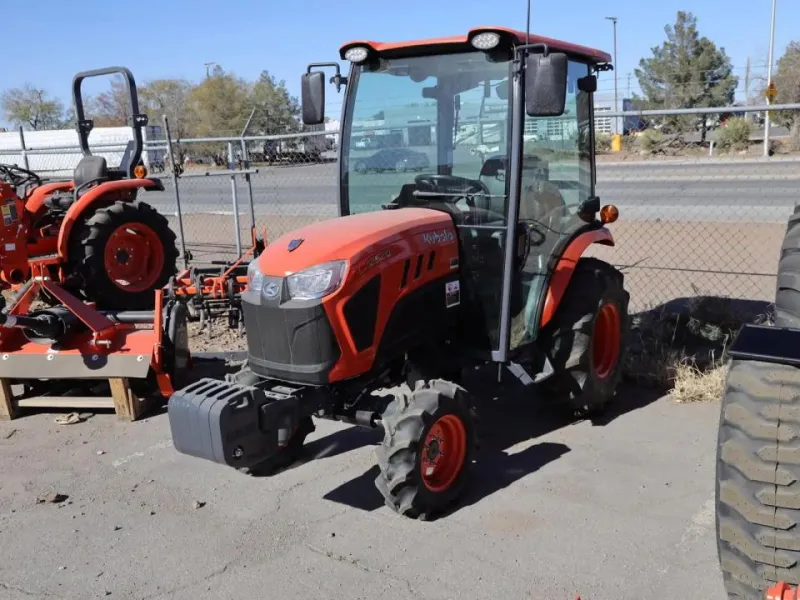
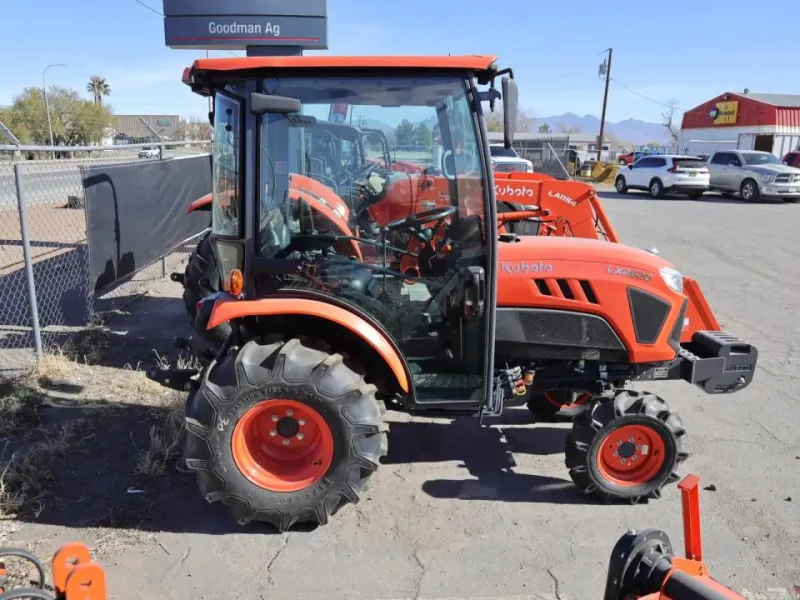
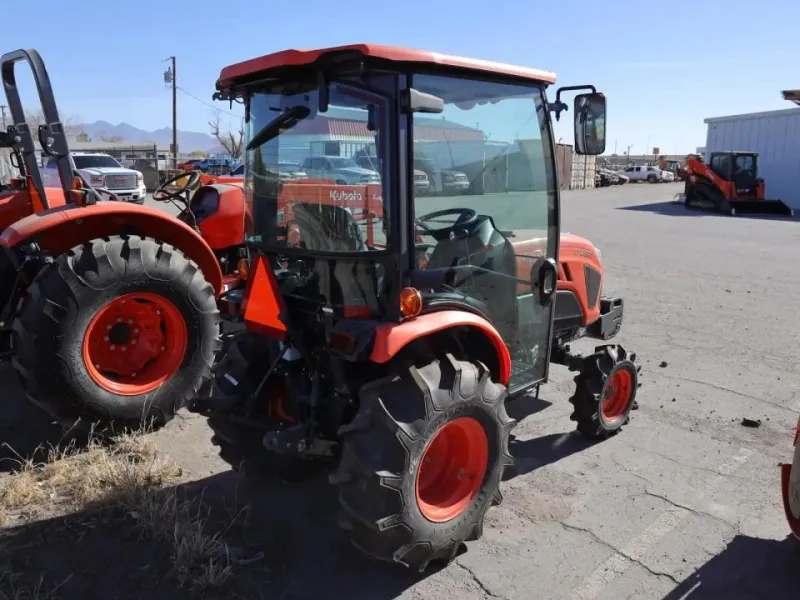
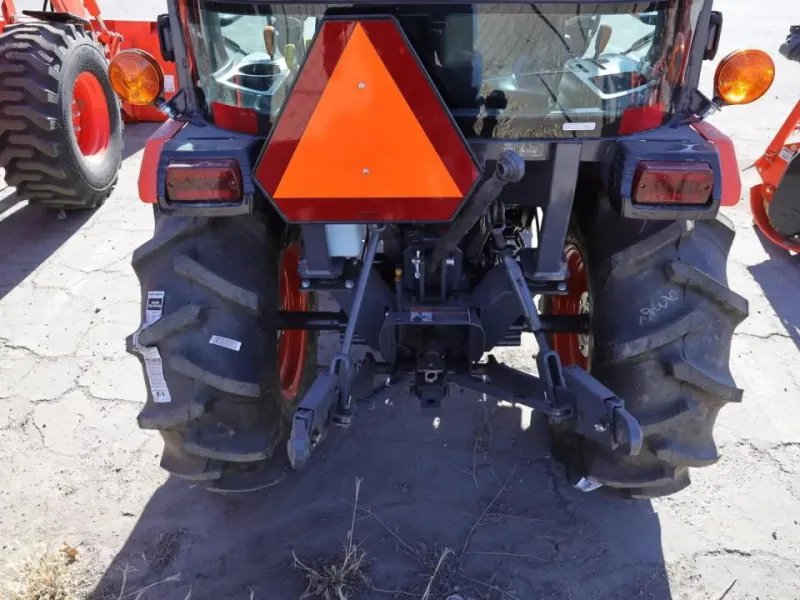
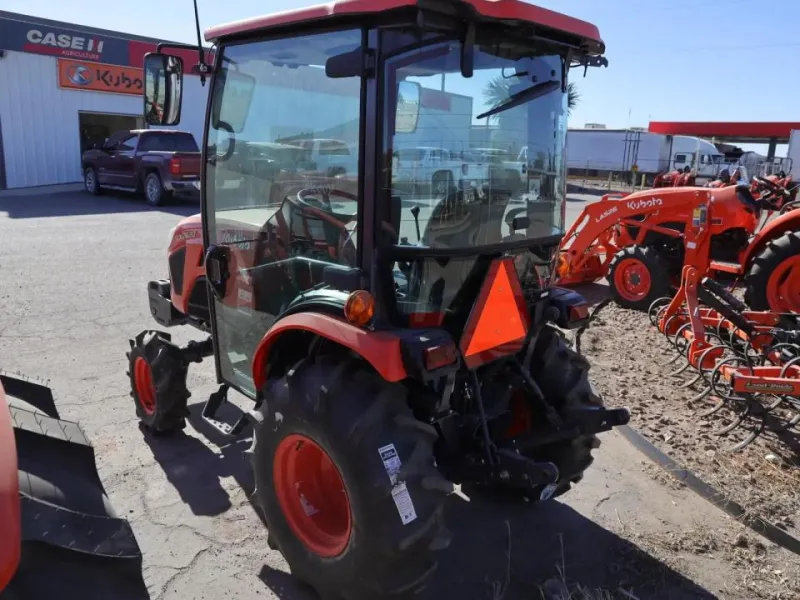
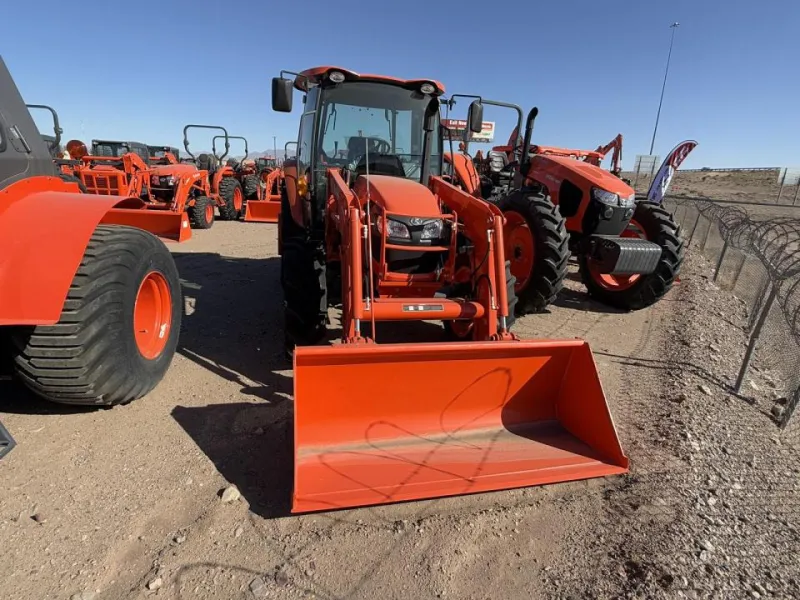
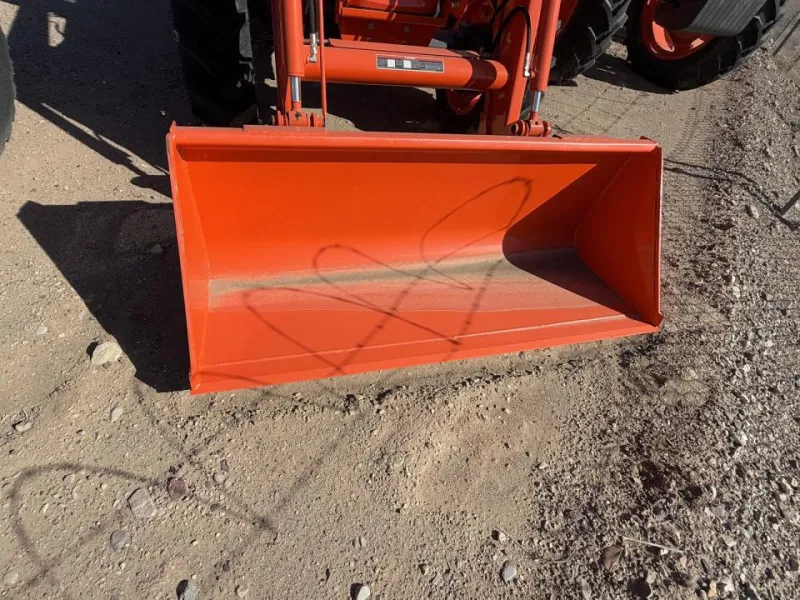
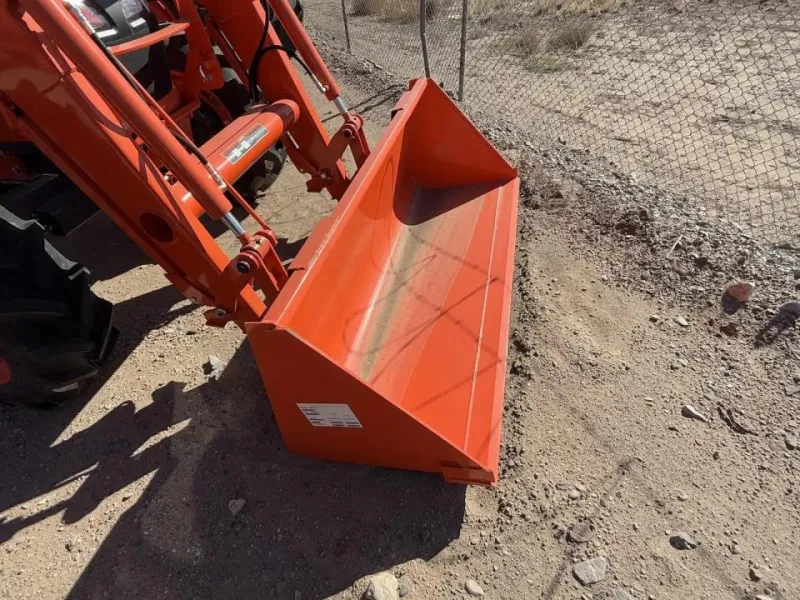
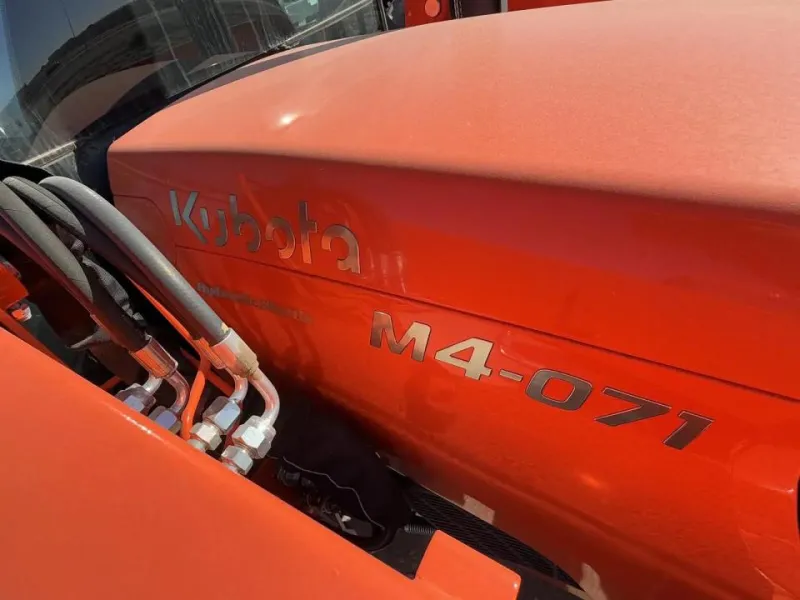
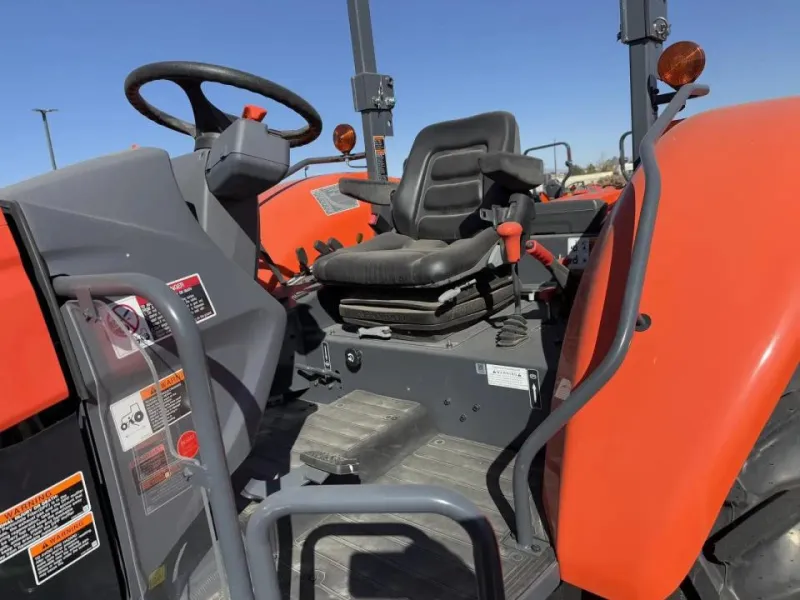
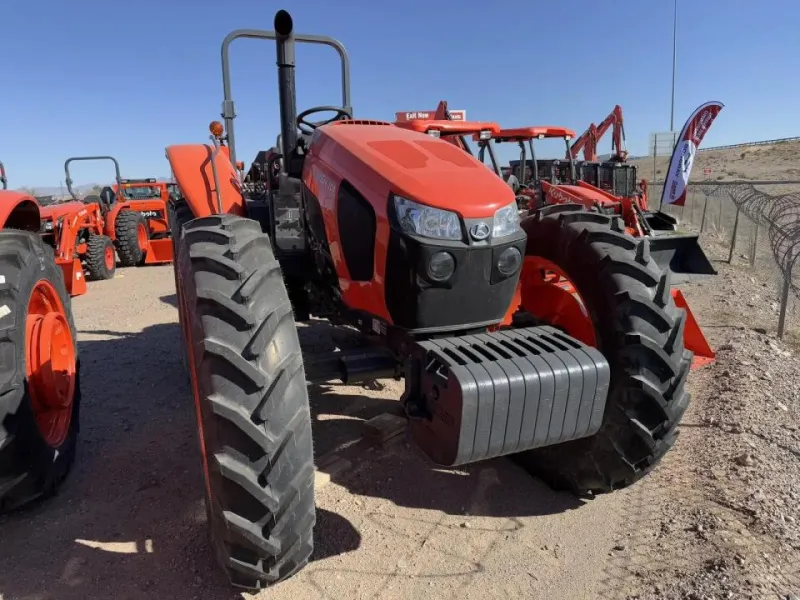
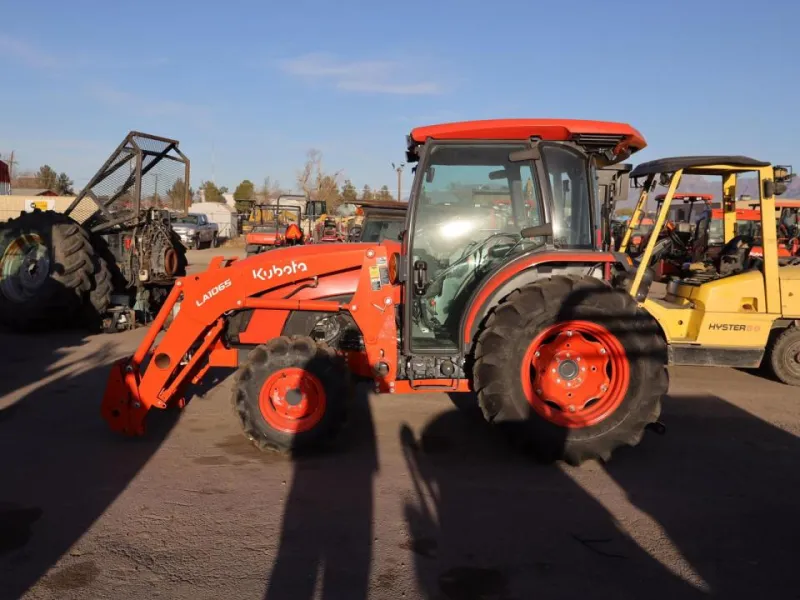
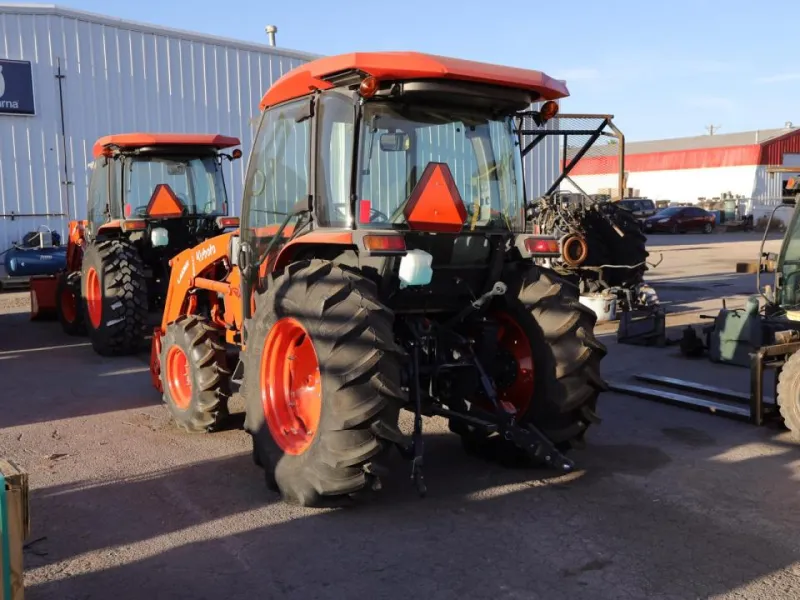
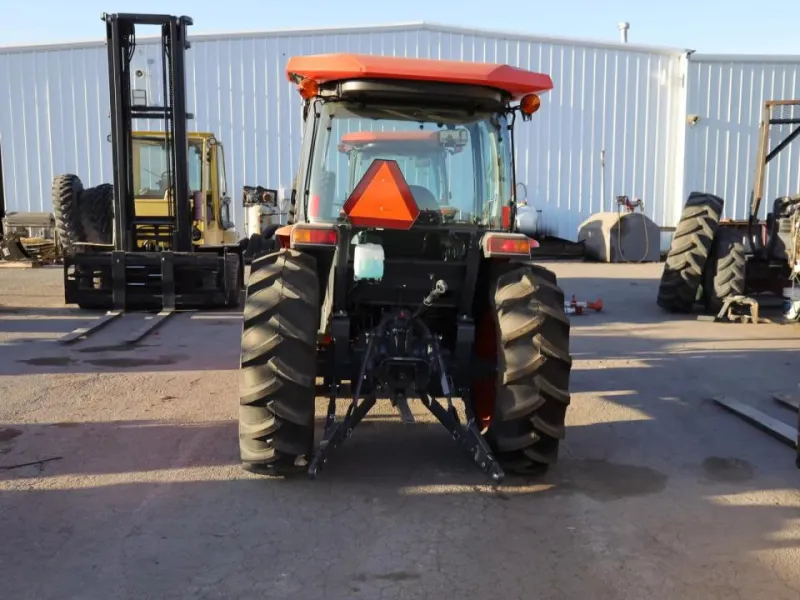
201 tractors for sale
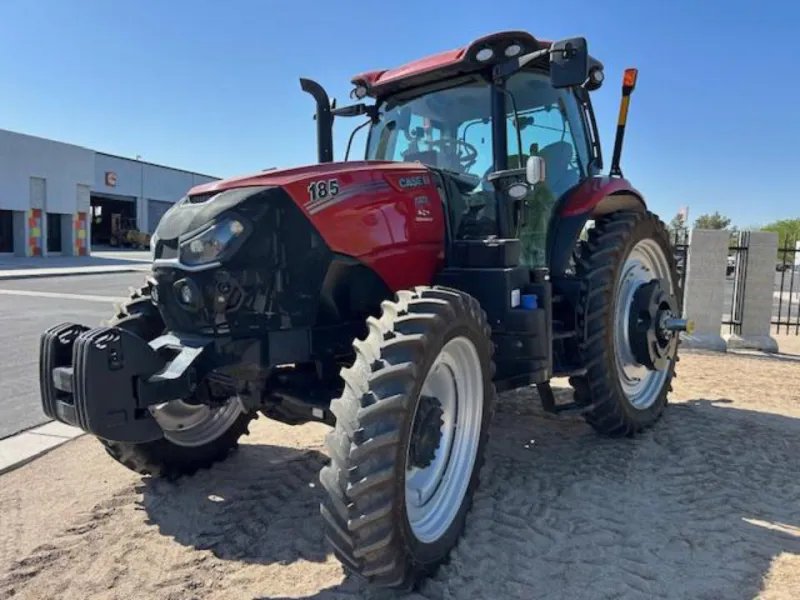
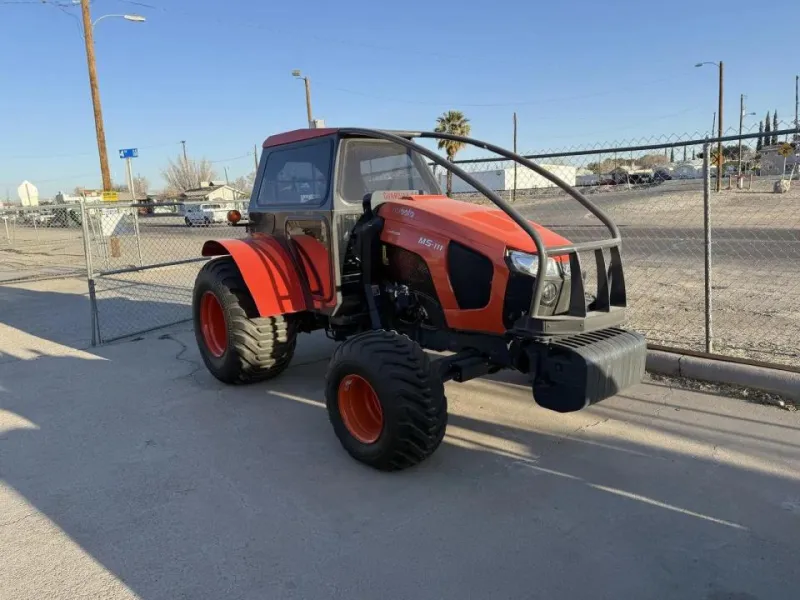
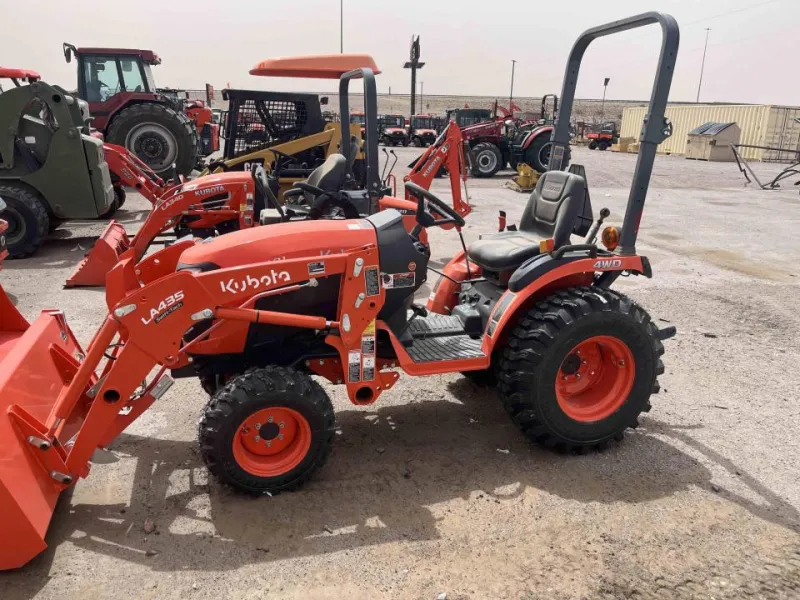
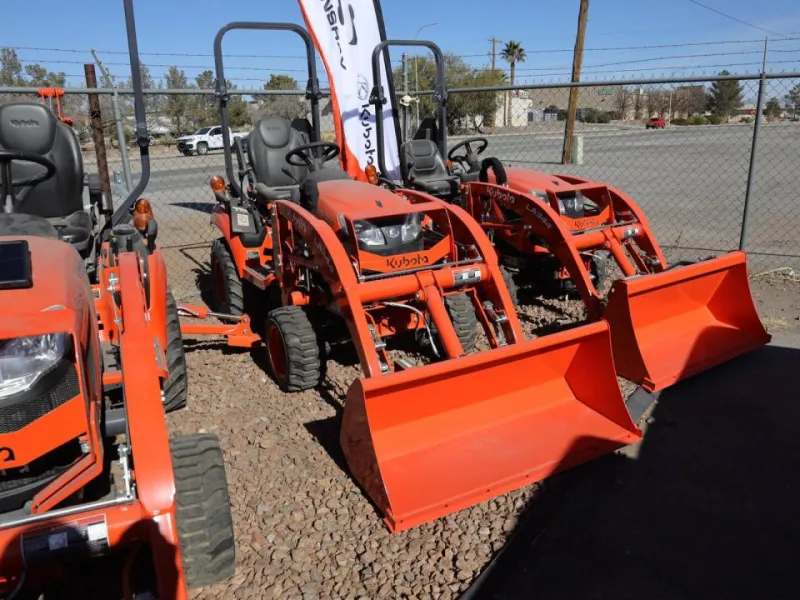
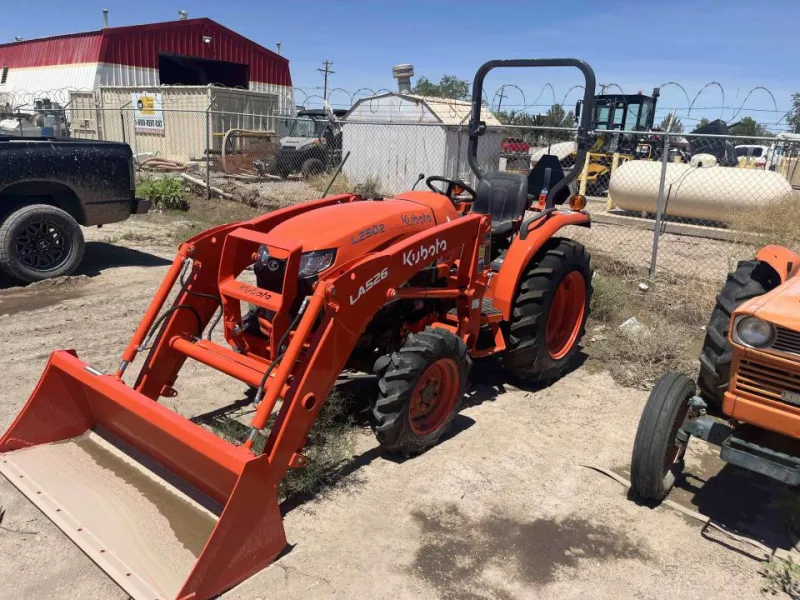
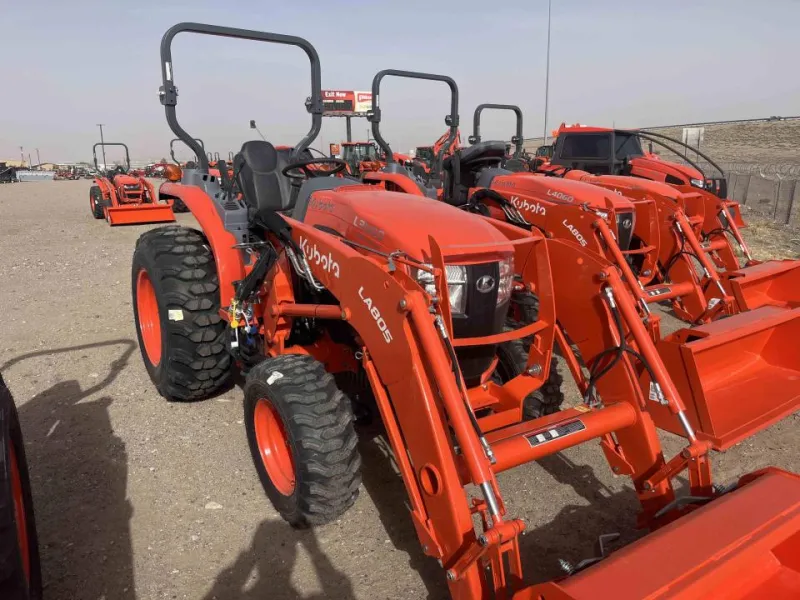
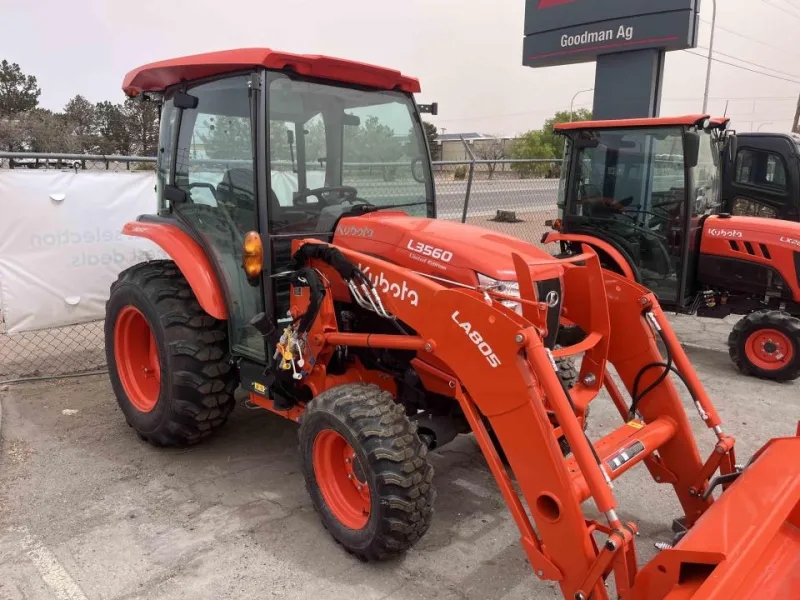
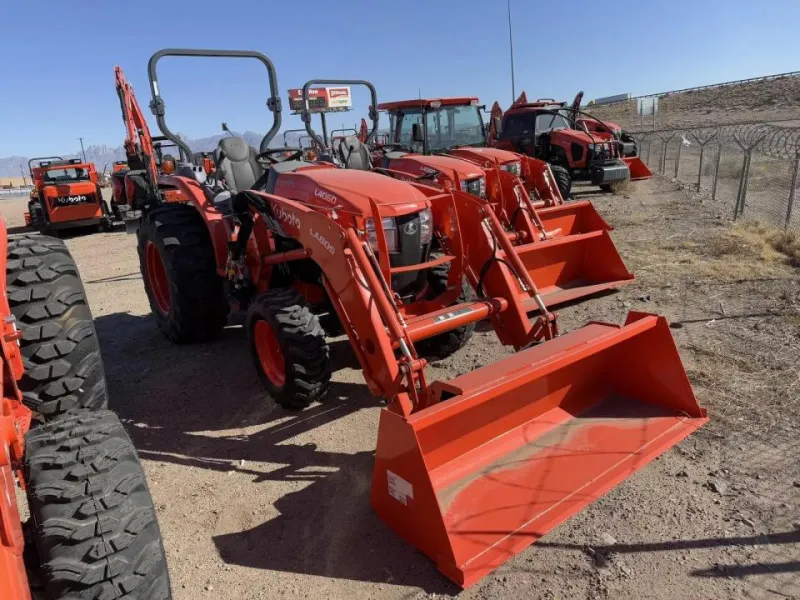
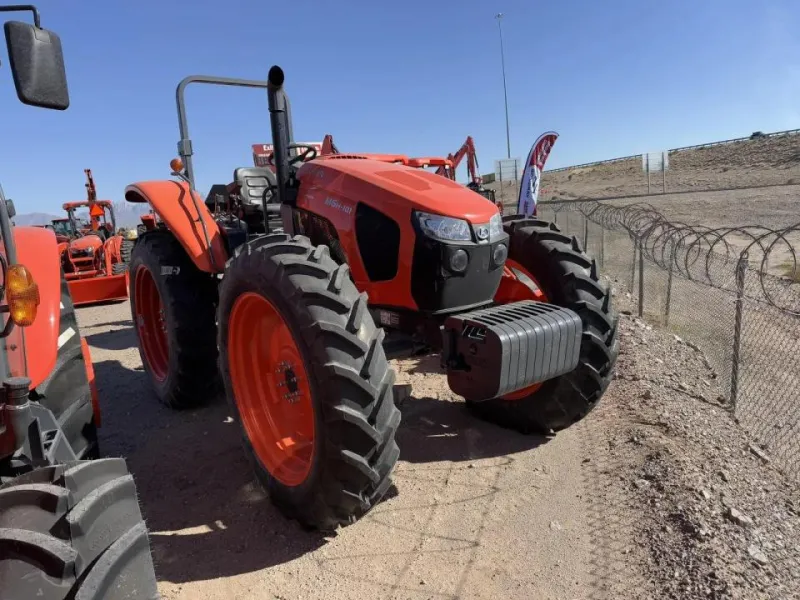
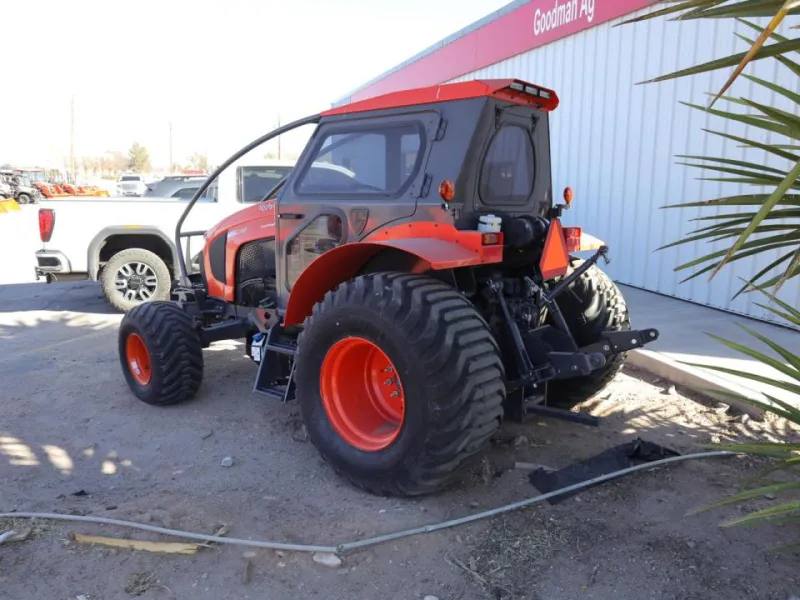
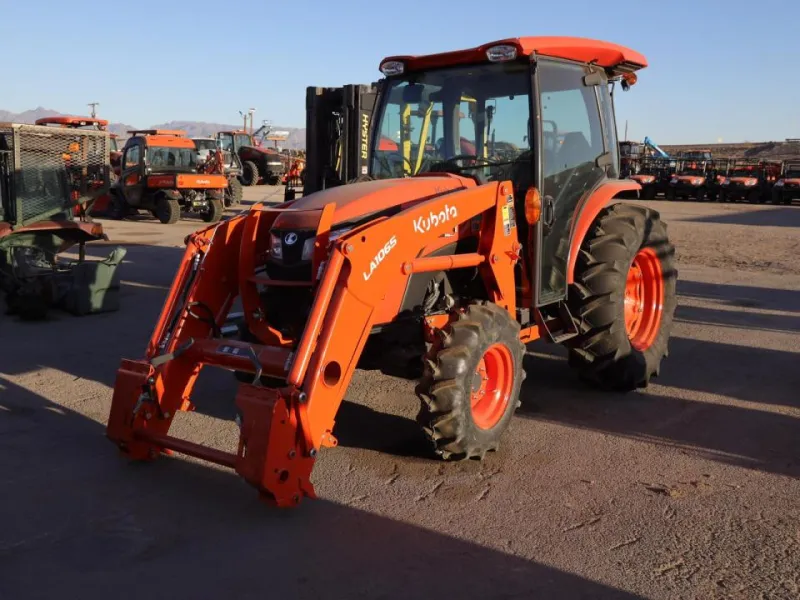
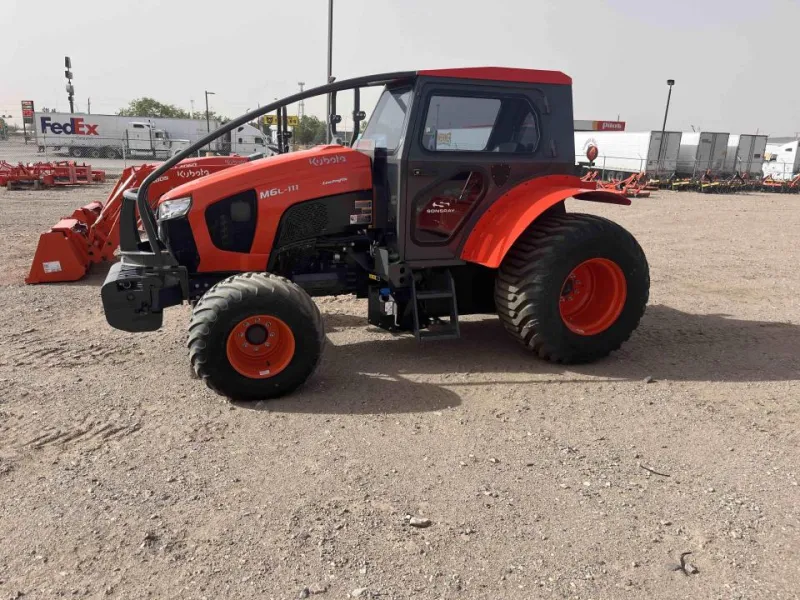
Buying guide
How to size a tractor by horsepower and implements, choose a transmission and drive, and check a used tractor before you make an offer.

A tractor is a power unit that pulls, lifts and drives implements, from mowing and loader work on a small property to tillage and hay on a working farm. Sub-compact and compact tractors suit acreages and property upkeep; utility and larger farm tractors handle bigger fields and heavier implements.
Start with your acreage, your heaviest regular jobs and the implements you own or plan to buy. Then check the exact tractor's PTO horsepower, hitch, transmission, drive and condition. Match horsepower to your heaviest implement first, then use the questions below to compare the tractors listed above.
| Buying question | What to look for |
|---|---|
| What size and horsepower do you need? |
Size the tractor to your acreage, your jobs and your heaviest implement. Manufacturers group tractors by horsepower: lower-horsepower machines suit property maintenance and light work, mid-range tractors support hay, livestock and mixed operations, and higher-horsepower tractors handle large acreage and heavy fieldwork. Bigger is not always better; an oversized tractor costs more than the work requires, and an undersized one may not run your implements at all. Compare PTO horsepower, not only engine horsepower, because PTO horsepower is what drives mowers, balers and other powered implements. List the implements you plan to run and check each one's power and lift requirements against the exact tractor. |
| Which transmission fits your work? |
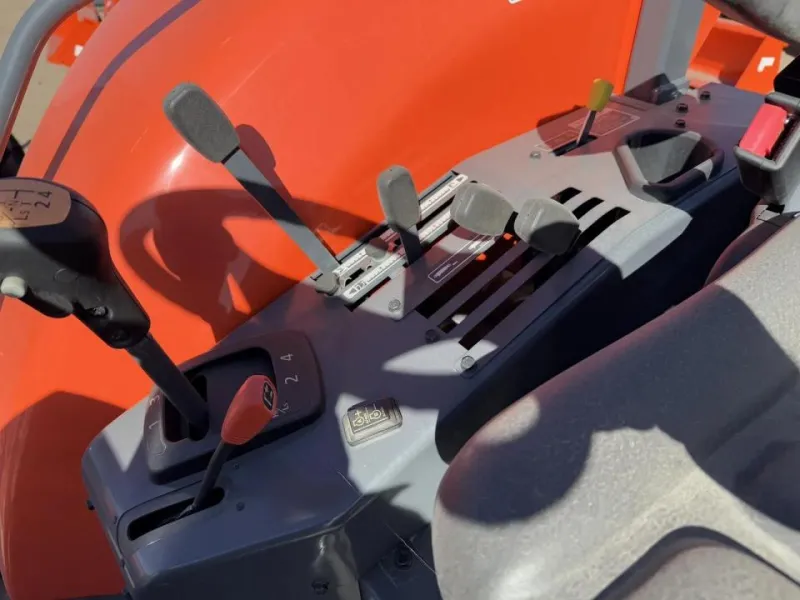
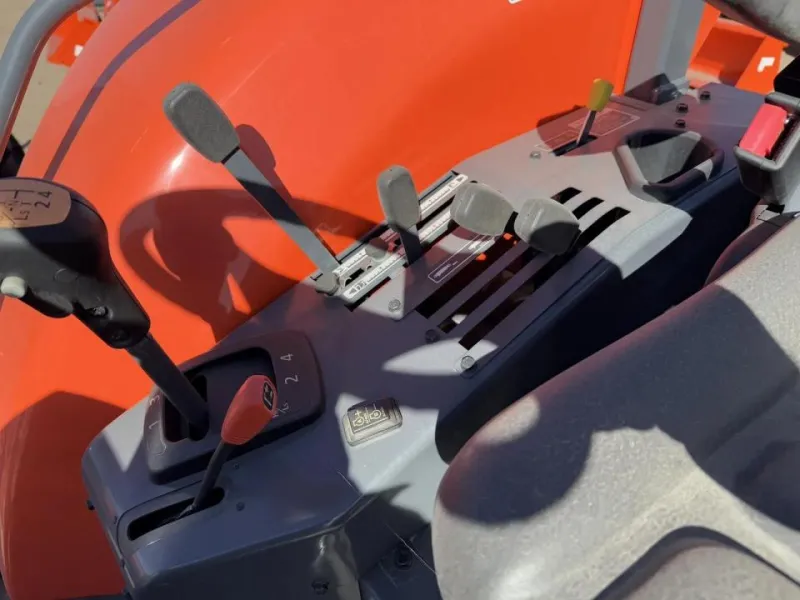
Choose the transmission for the job you do most. Hydrostatic transmissions give infinitely variable speed with no clutching, which suits loader work, mowing and landscaping. Gear transmissions with a shuttle suit hauling and ground-engaging work and generally deliver more PTO horsepower at a lower price. Continuously variable transmissions change ratio steplessly so the tractor can hold a set speed as conditions change. On a used tractor, drive forward and reverse under load and confirm it changes direction and speed smoothly, without slipping, grinding or delay. |
| Two-wheel or four-wheel drive, cab or open station? |
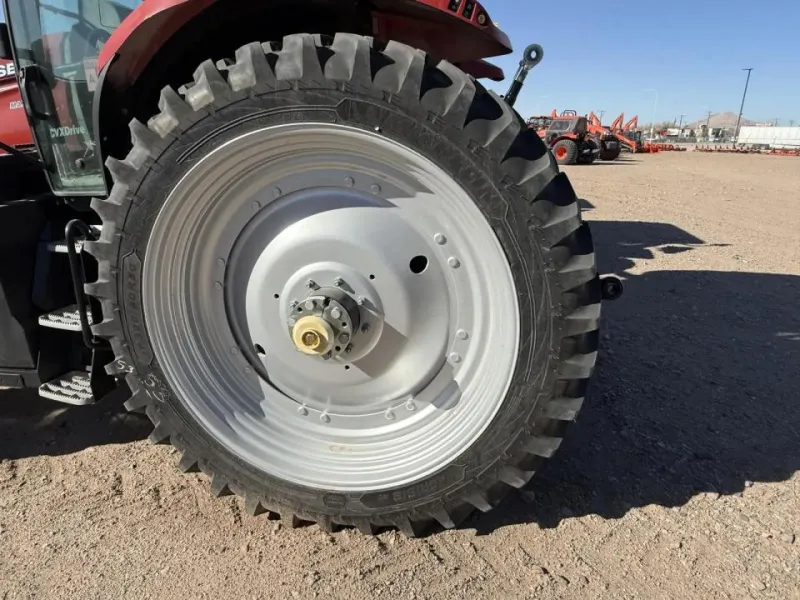
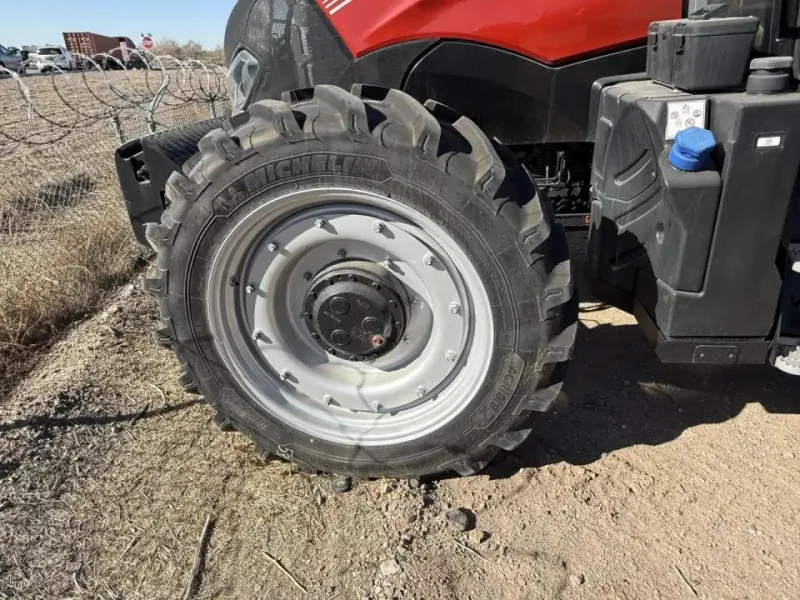
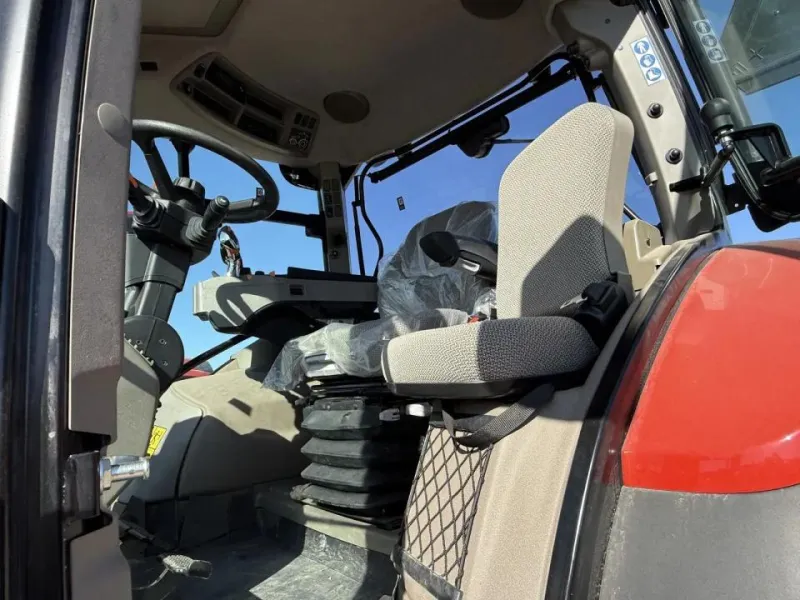
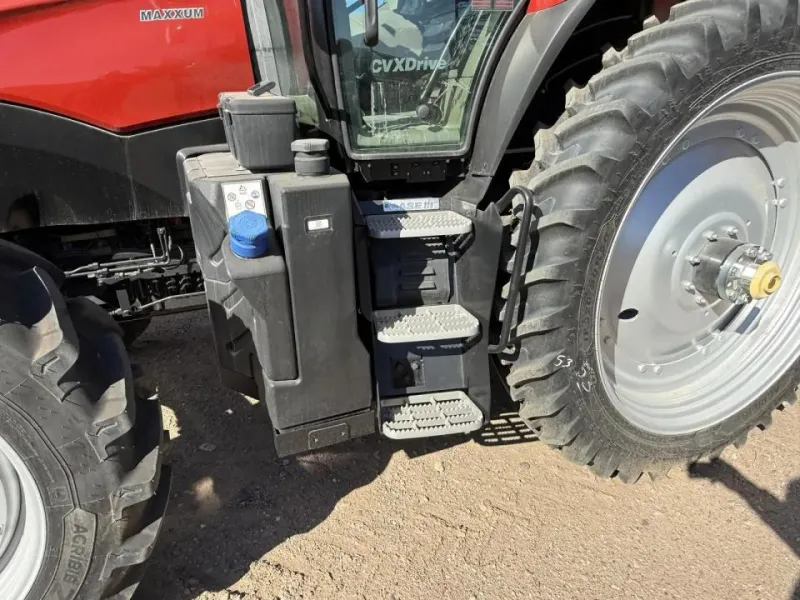
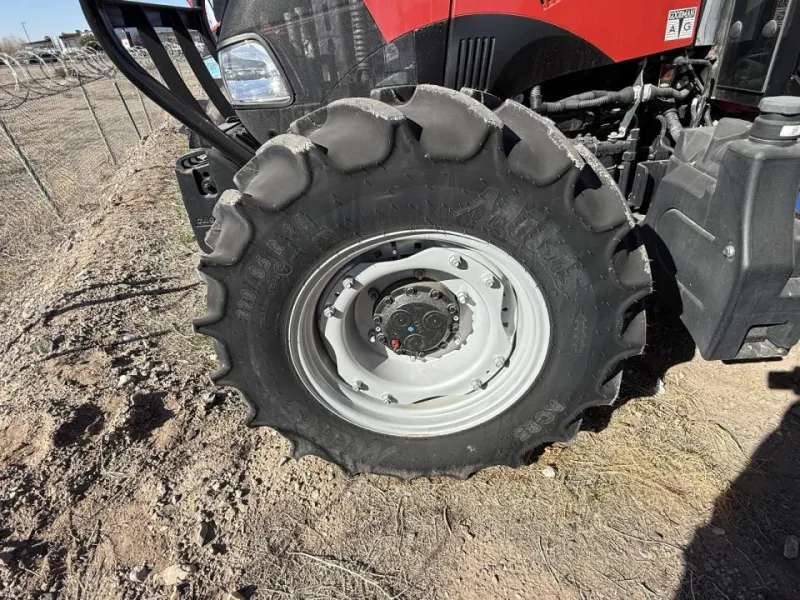
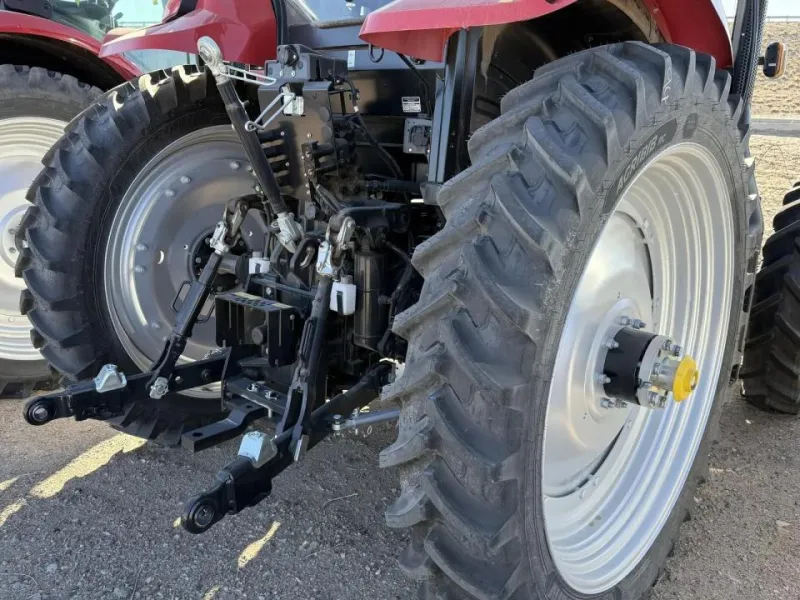
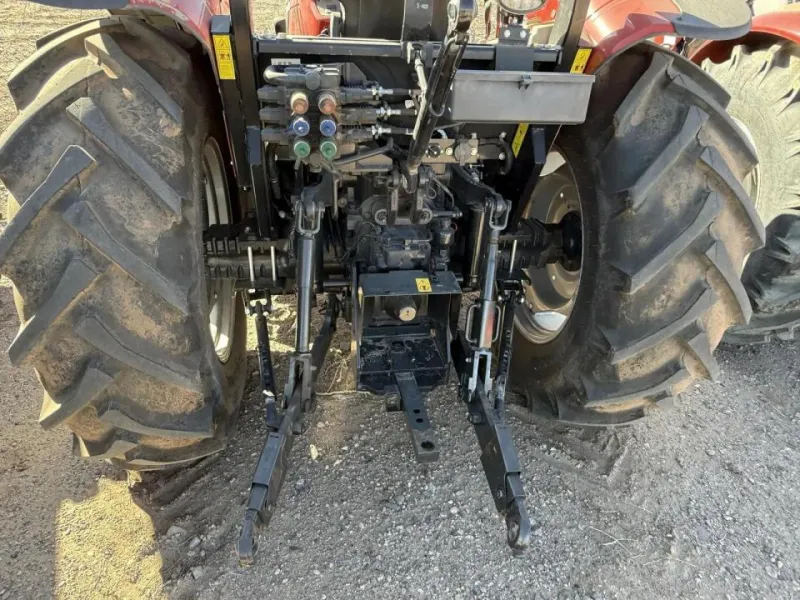
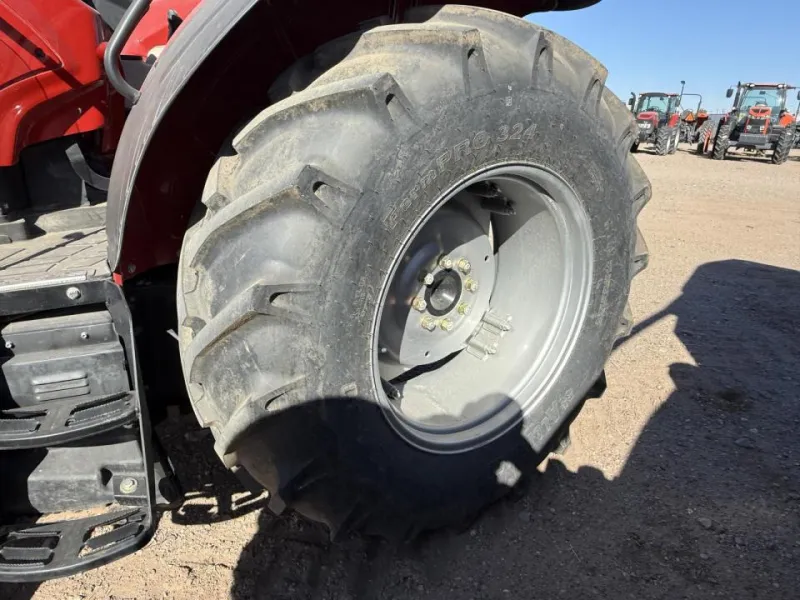
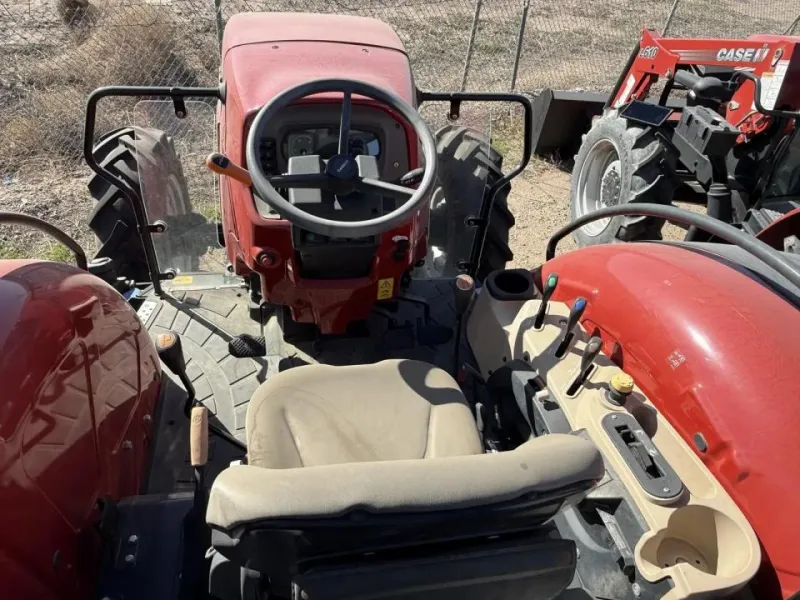
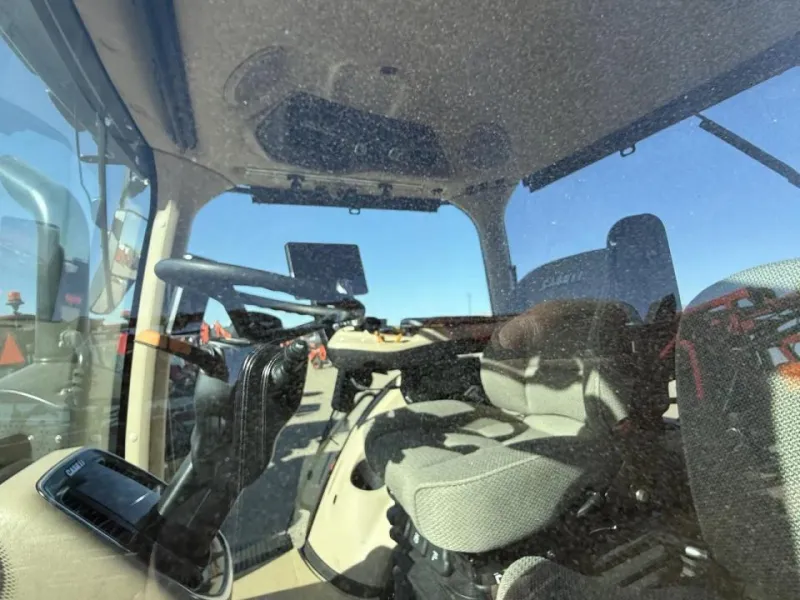
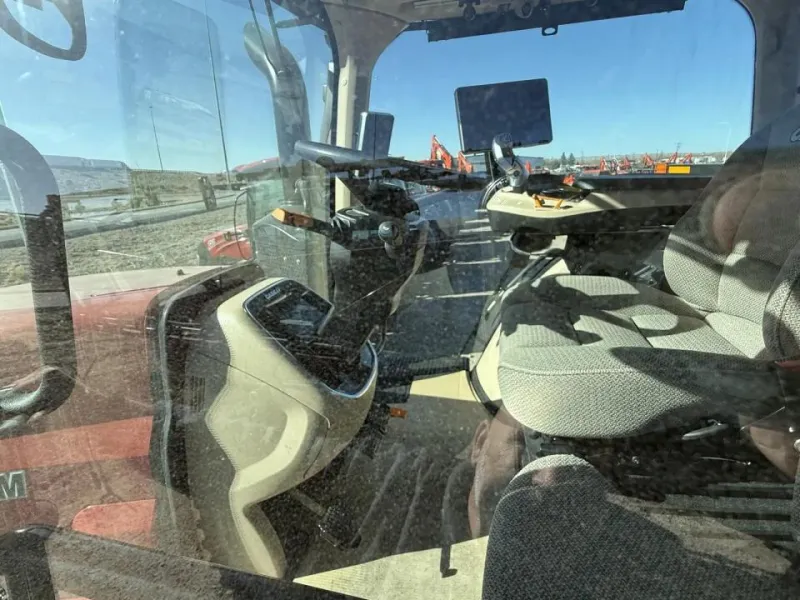
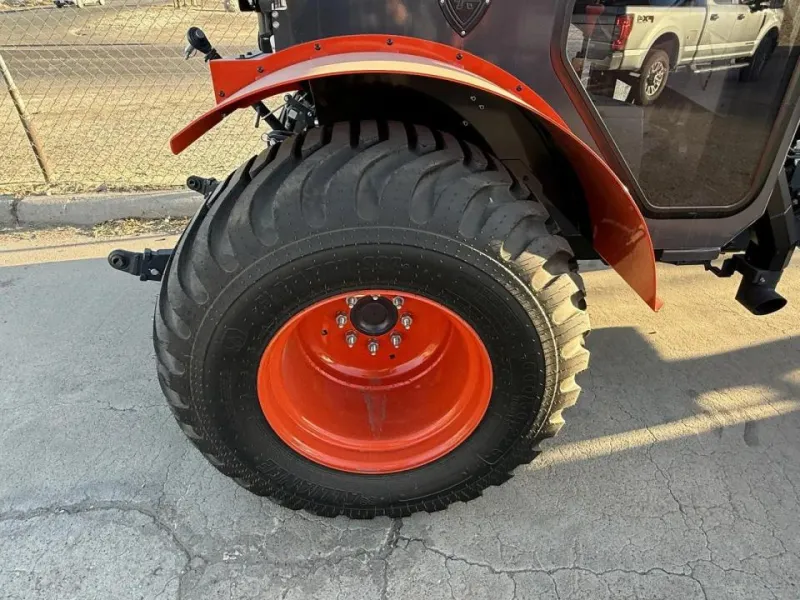
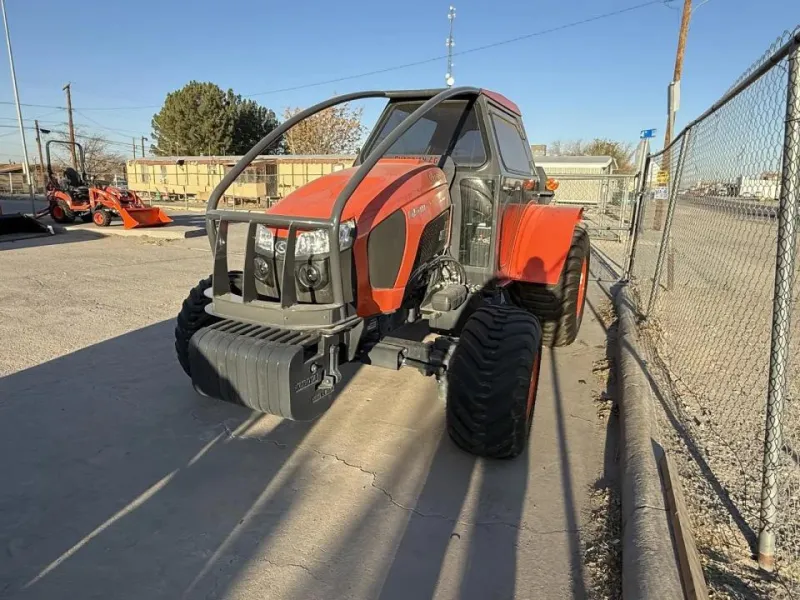
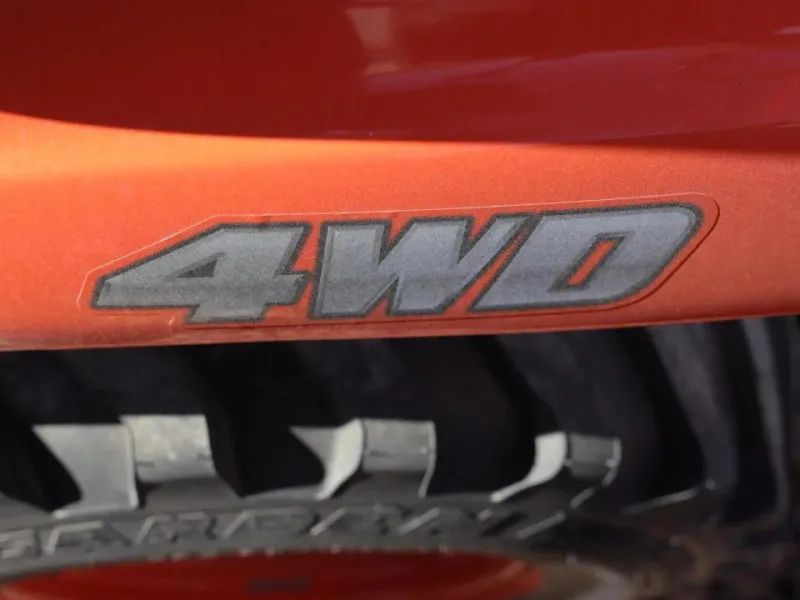
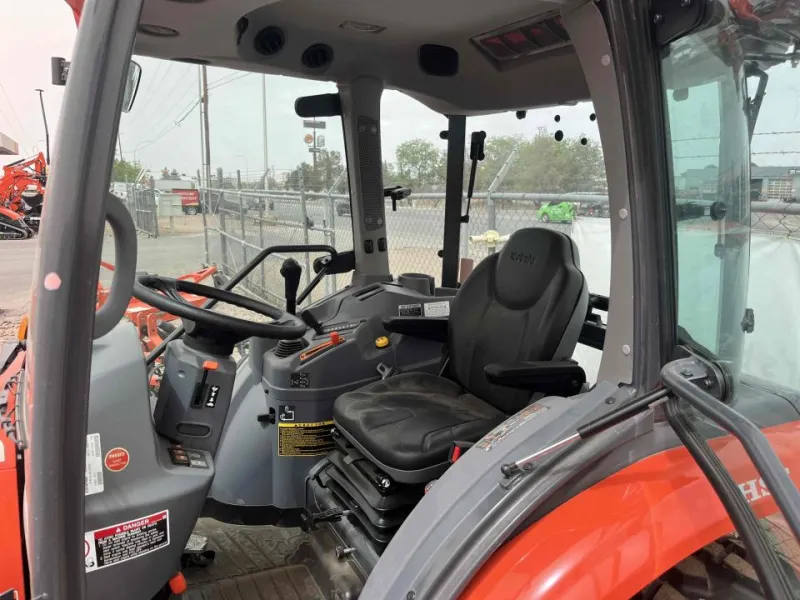
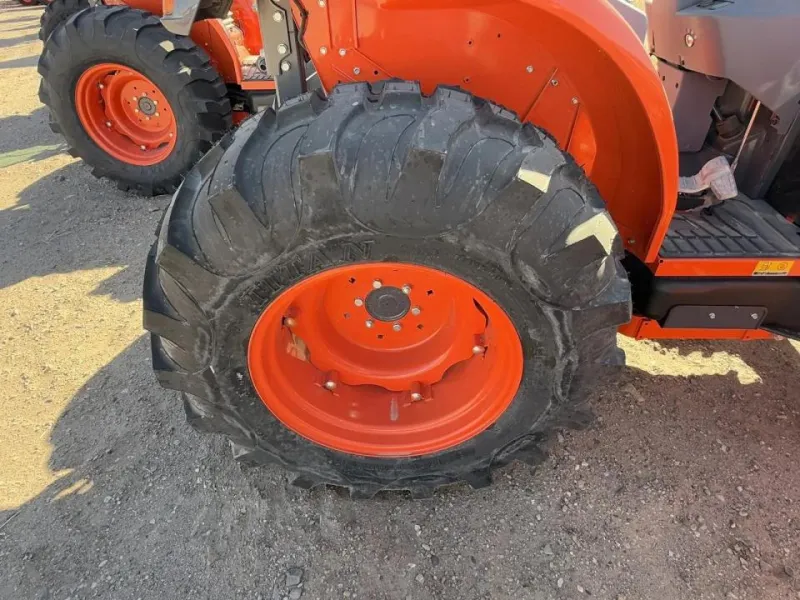
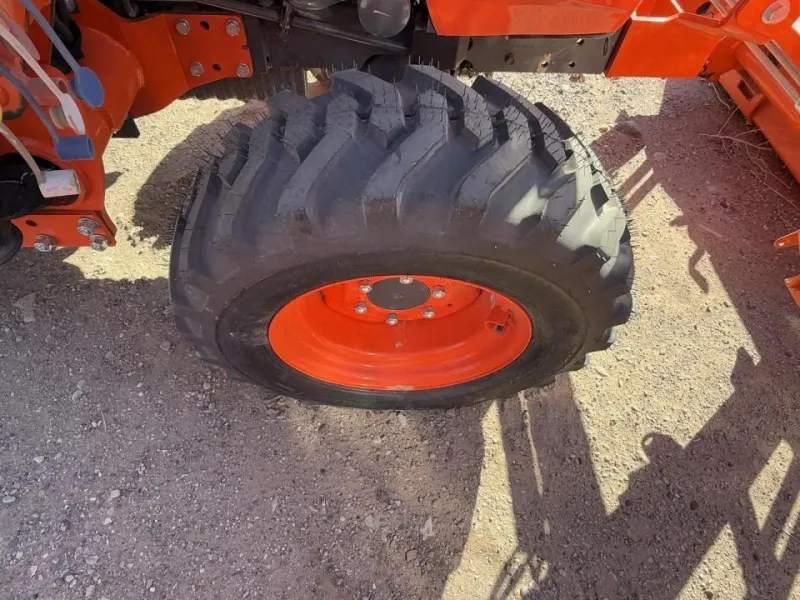
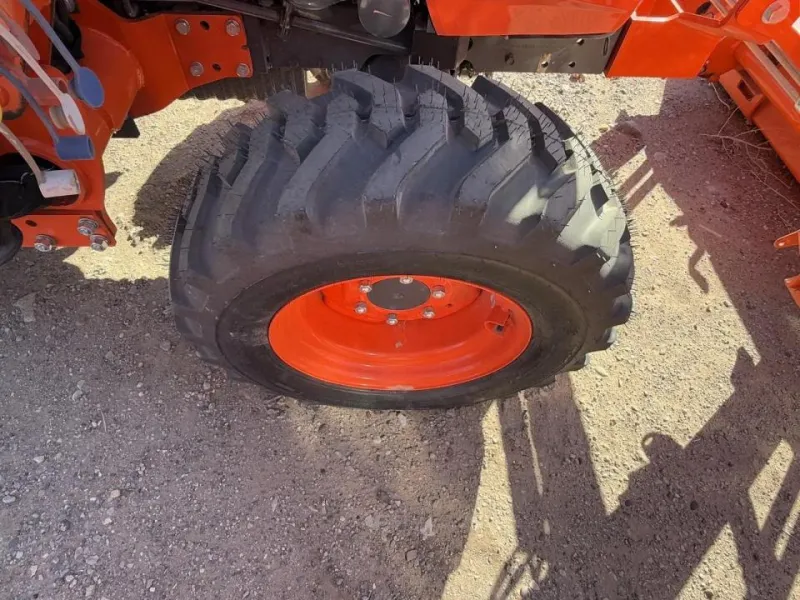
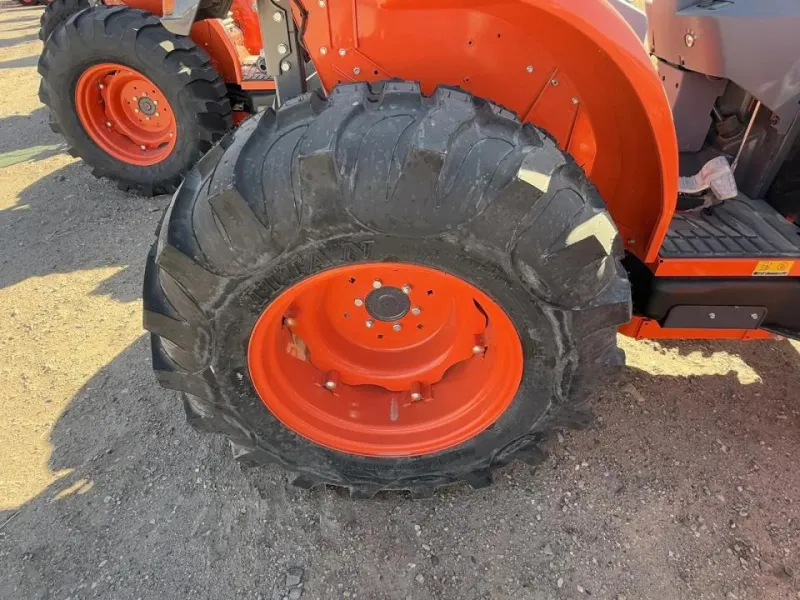
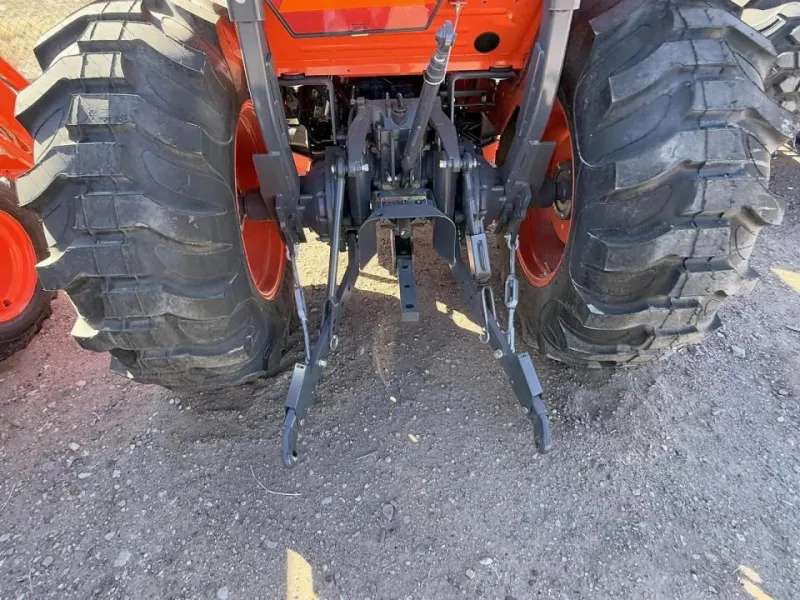
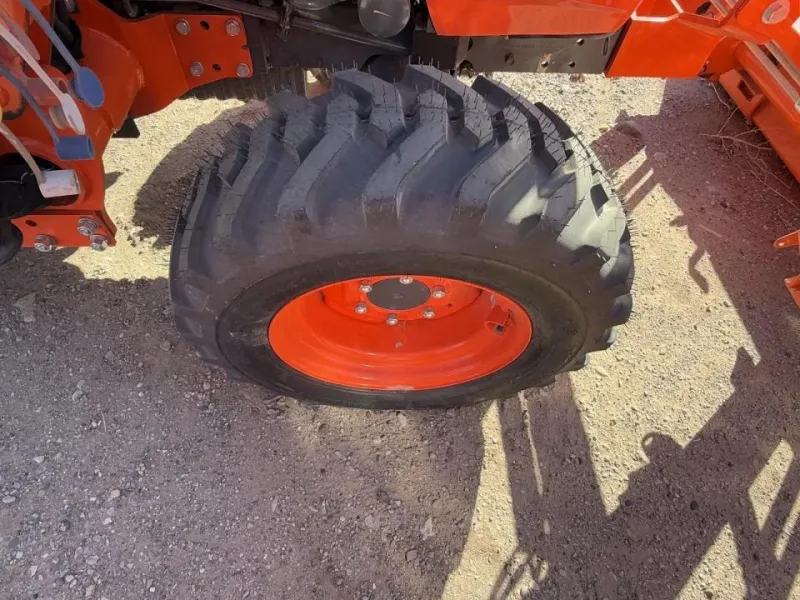
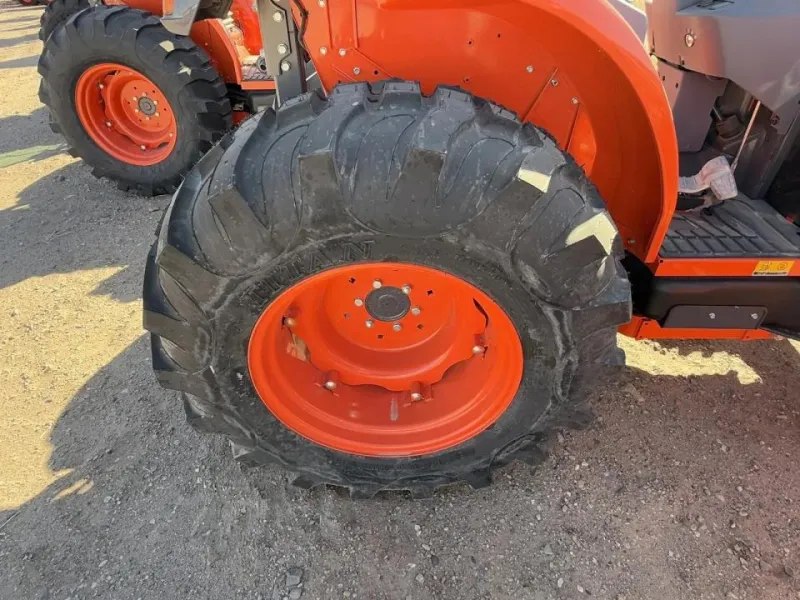
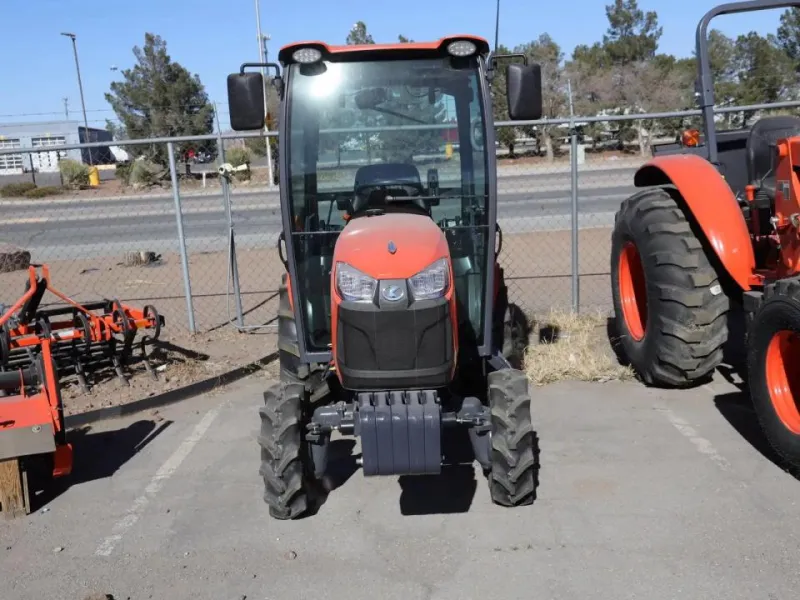
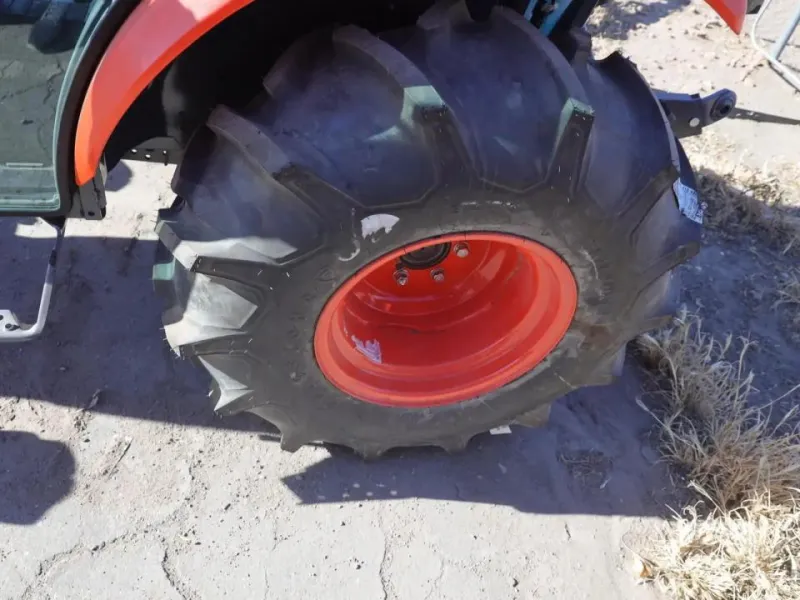
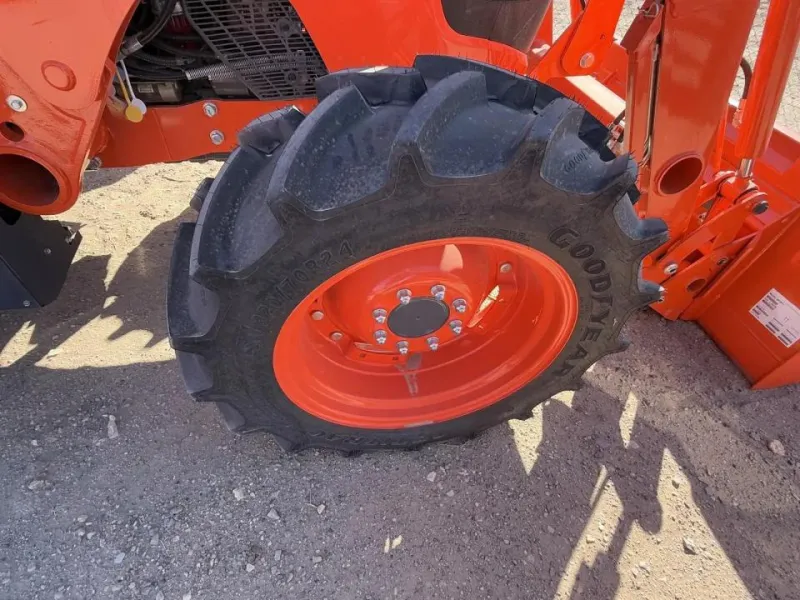
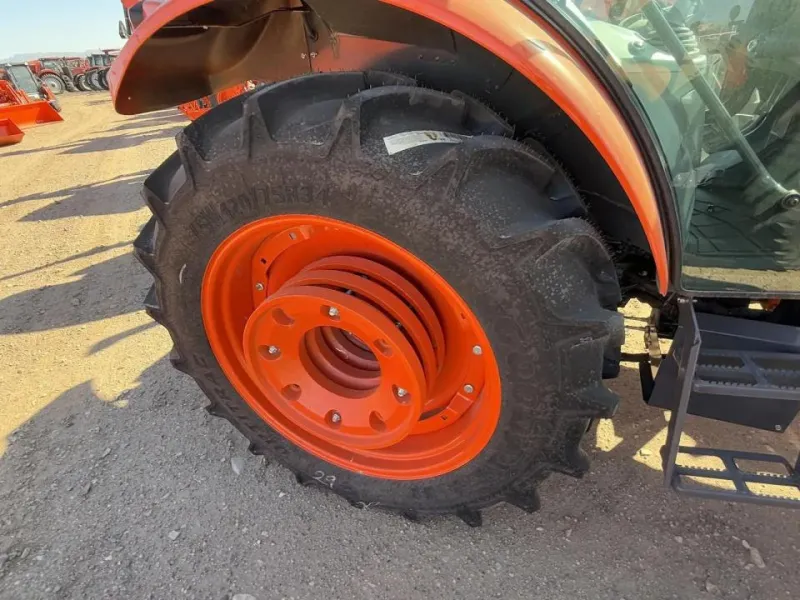
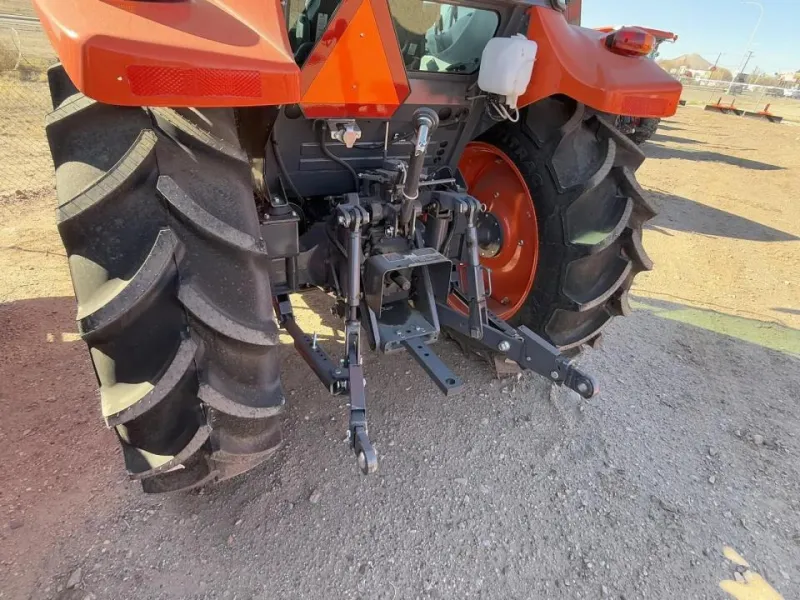
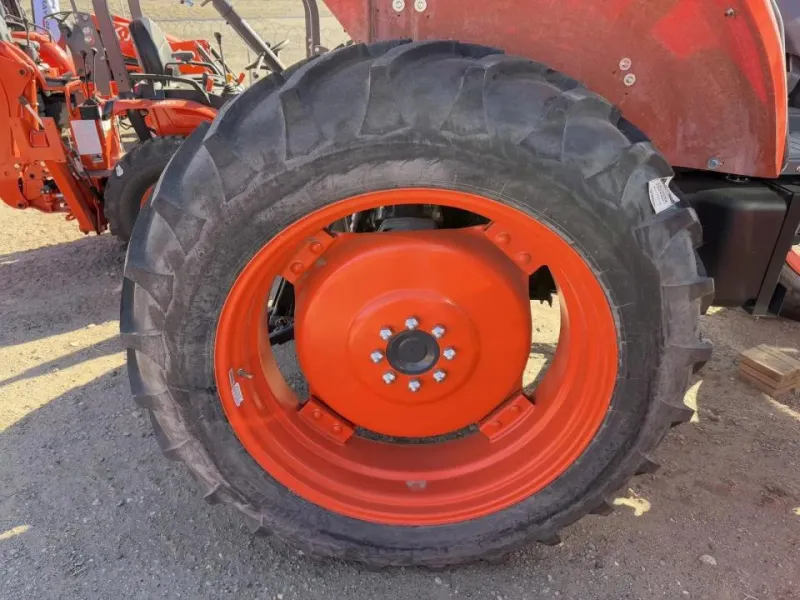
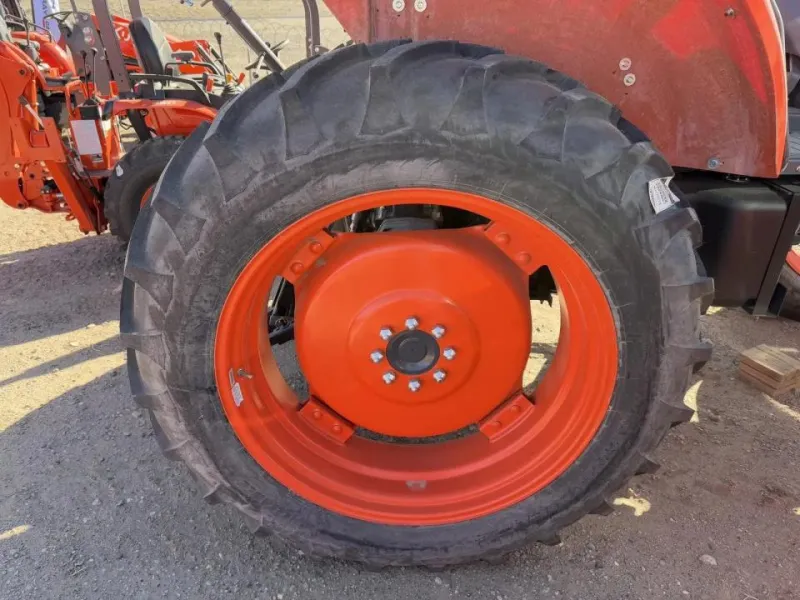
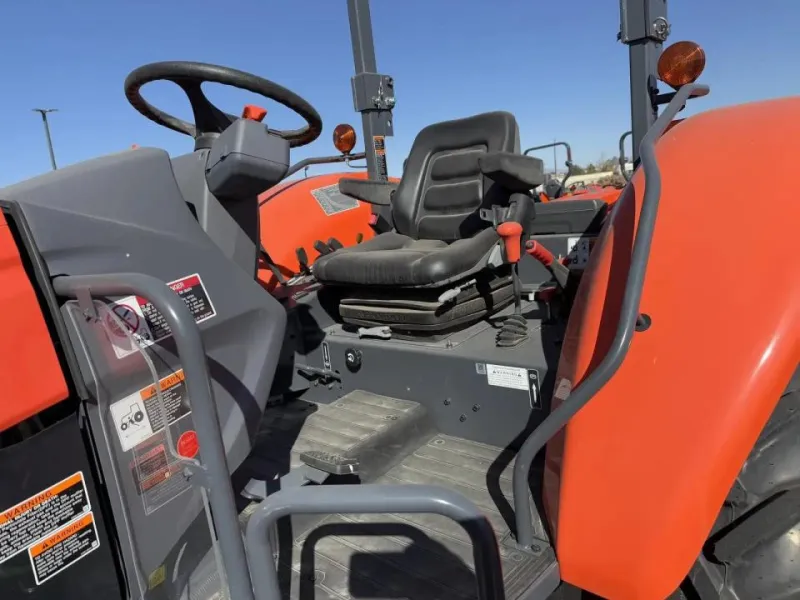
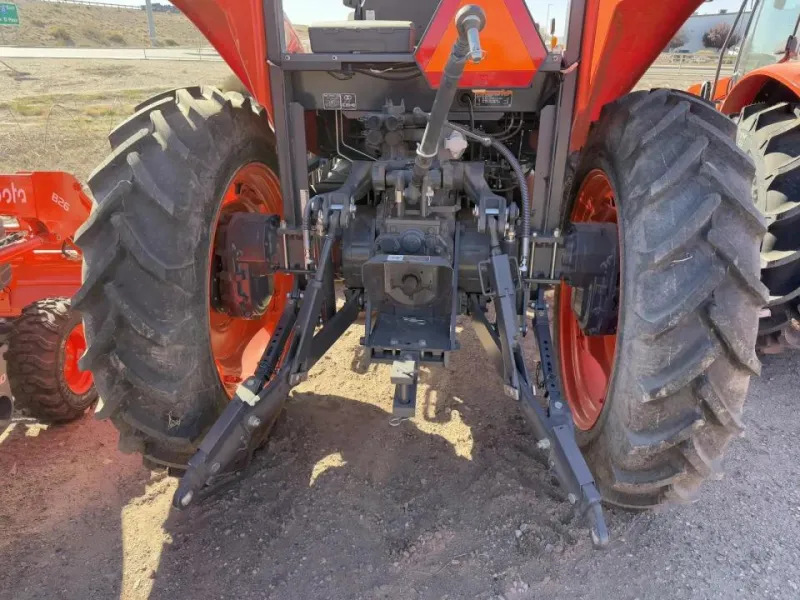
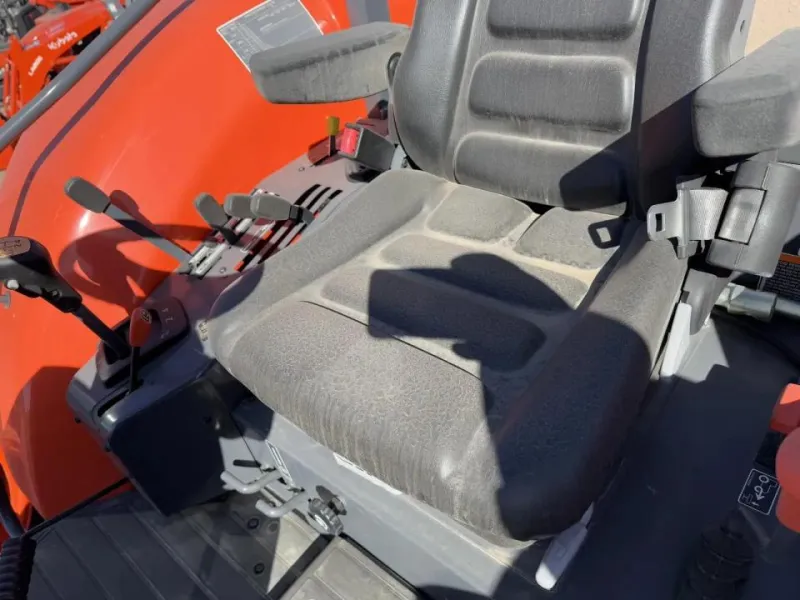
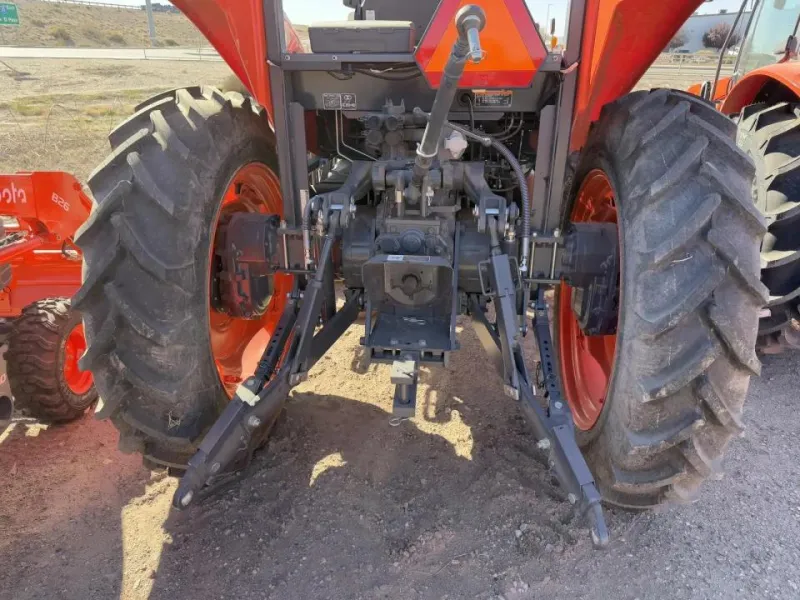
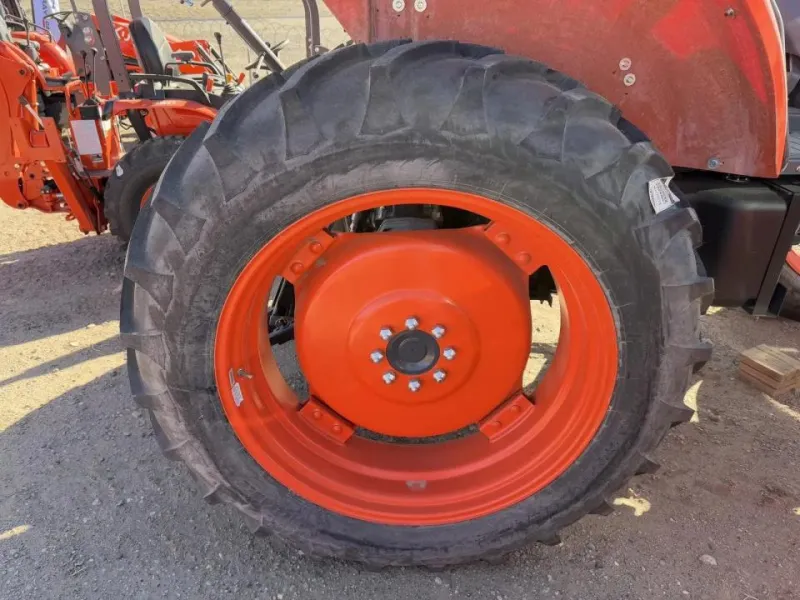
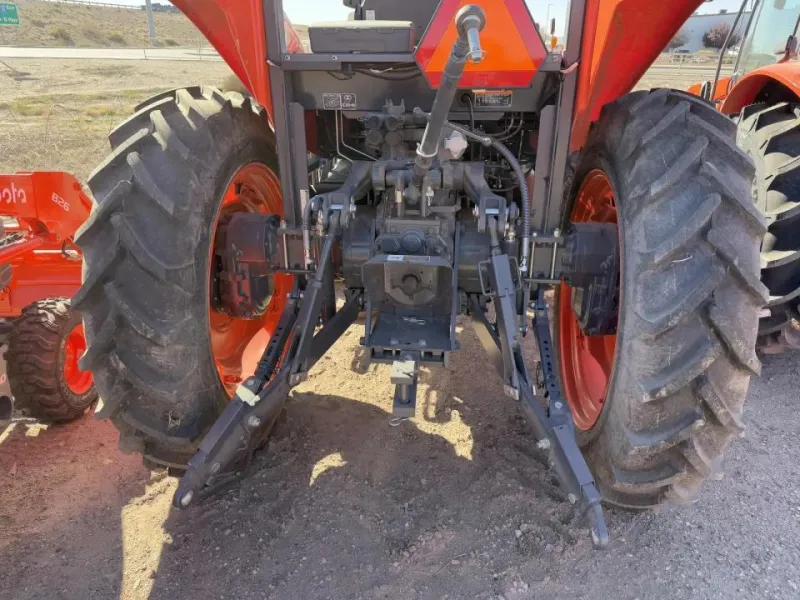
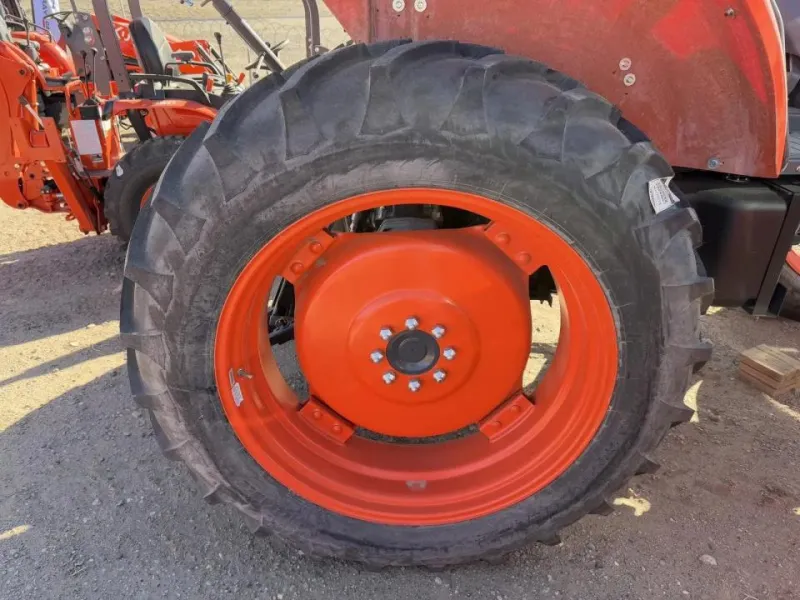
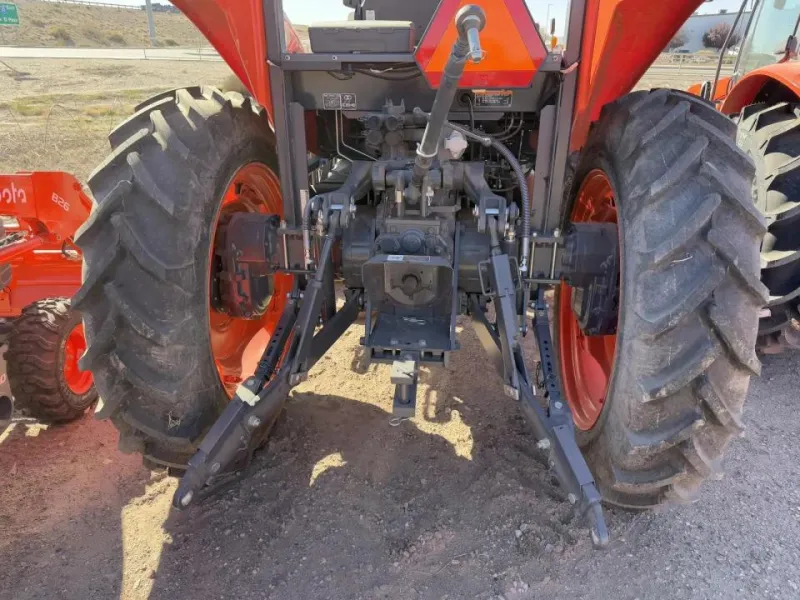
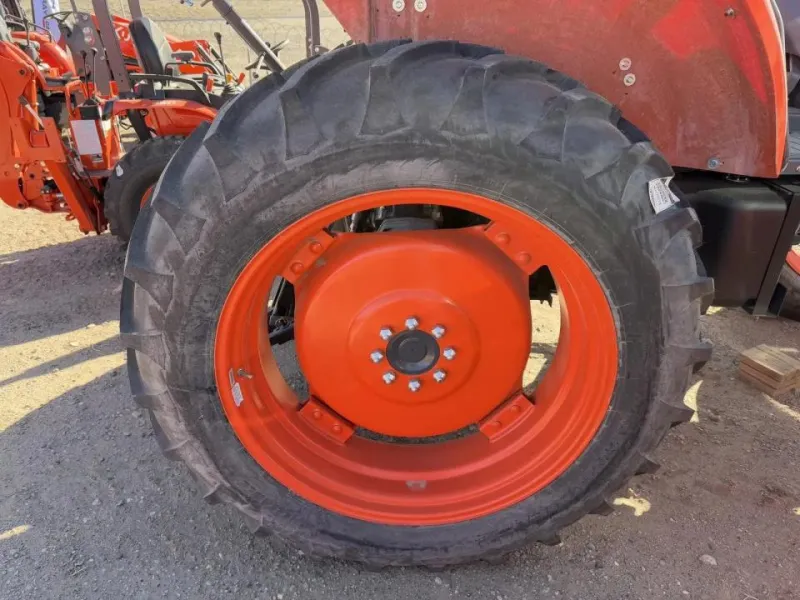
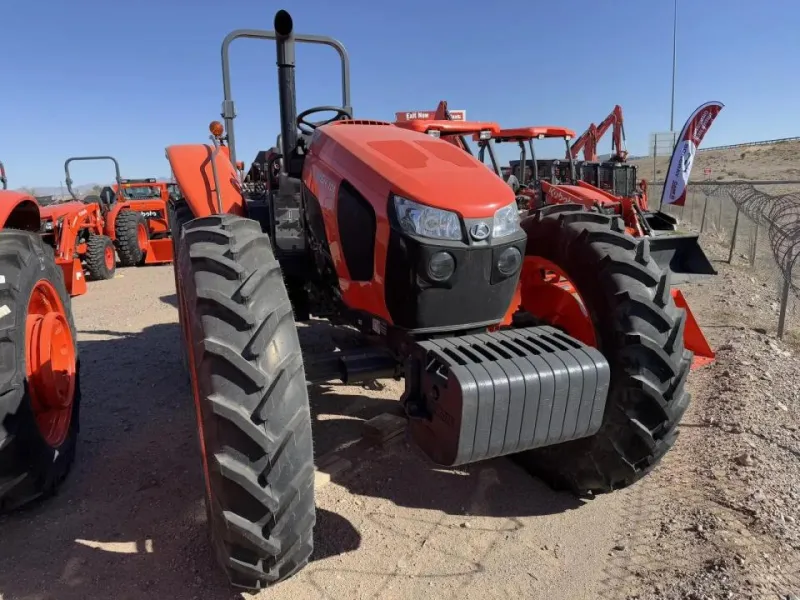
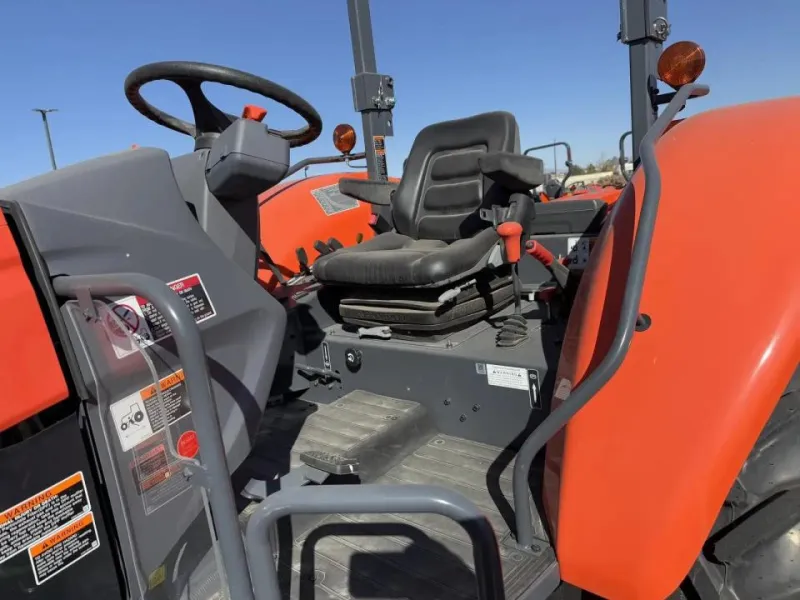
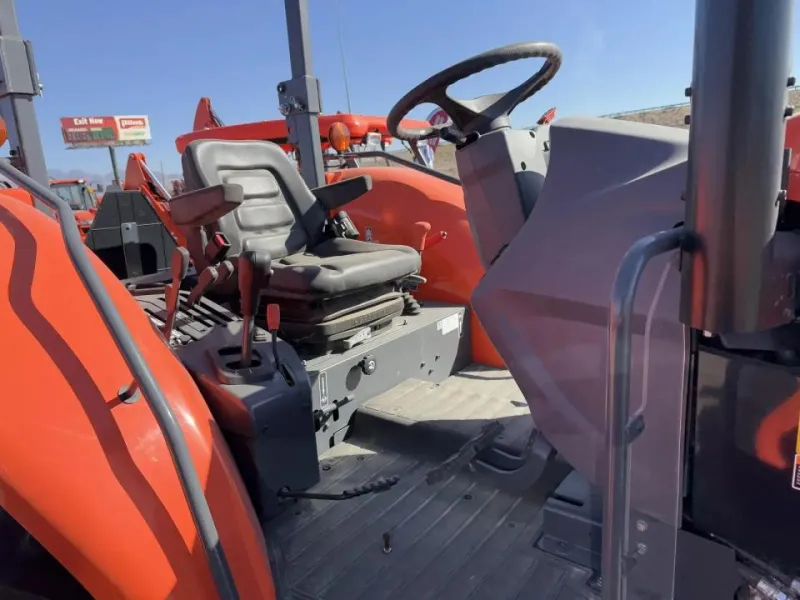
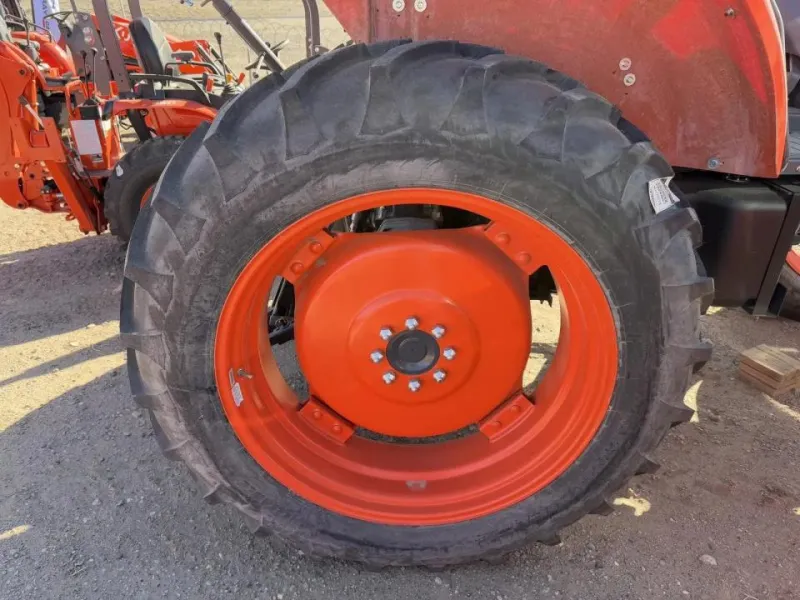
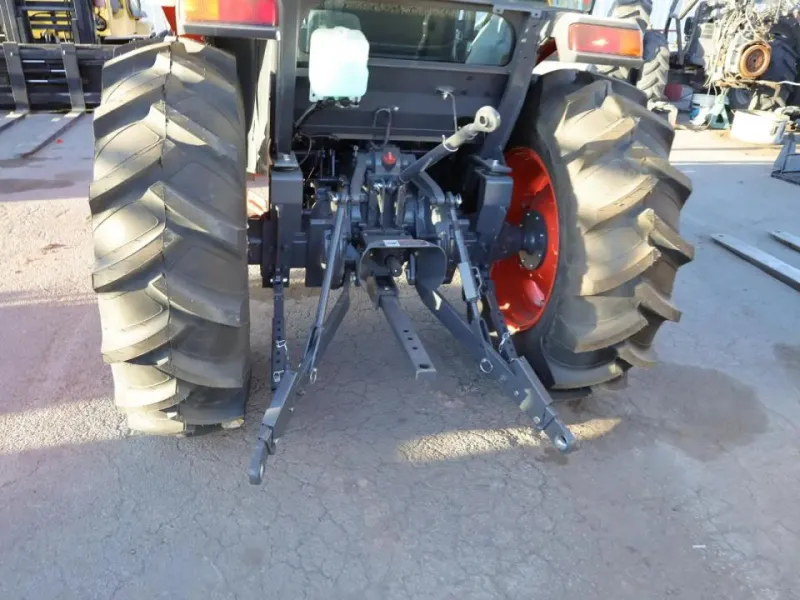
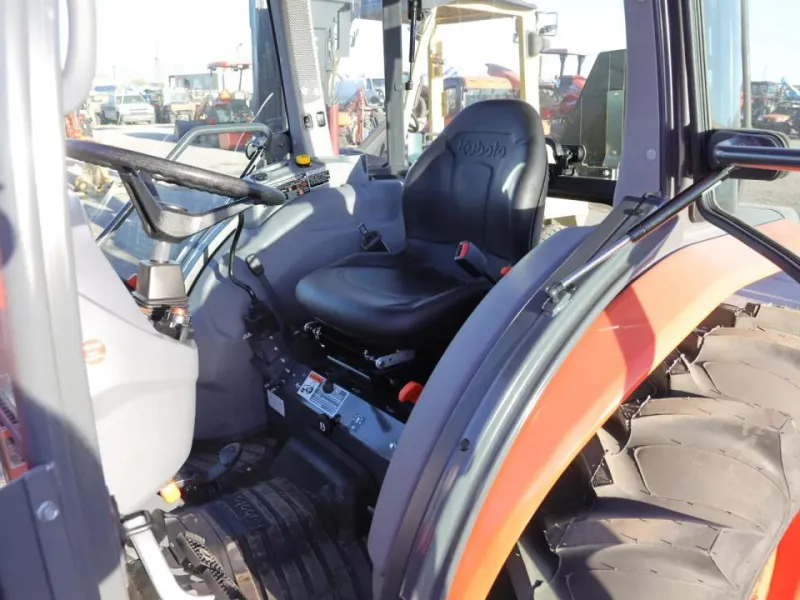
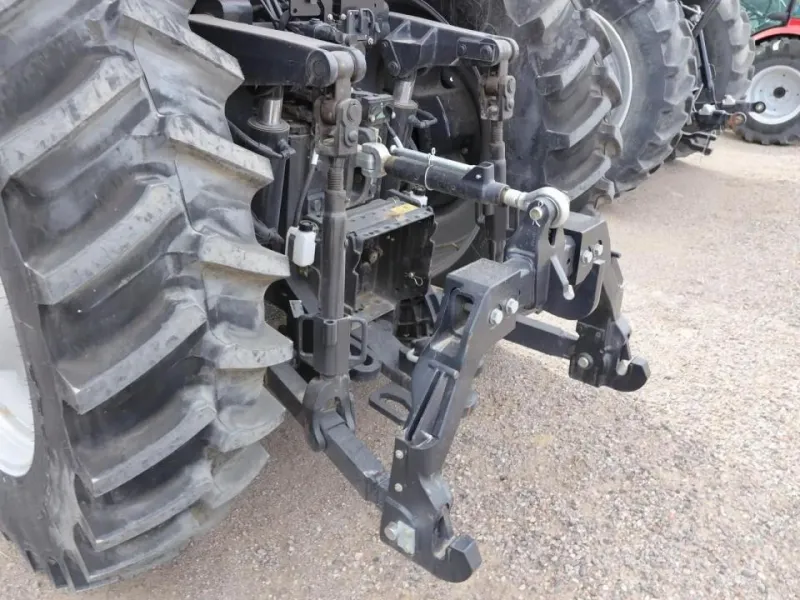
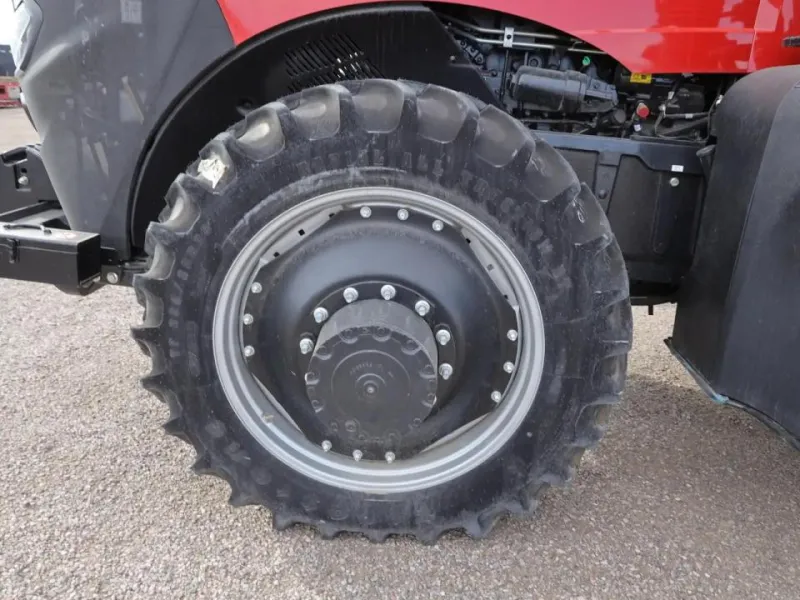
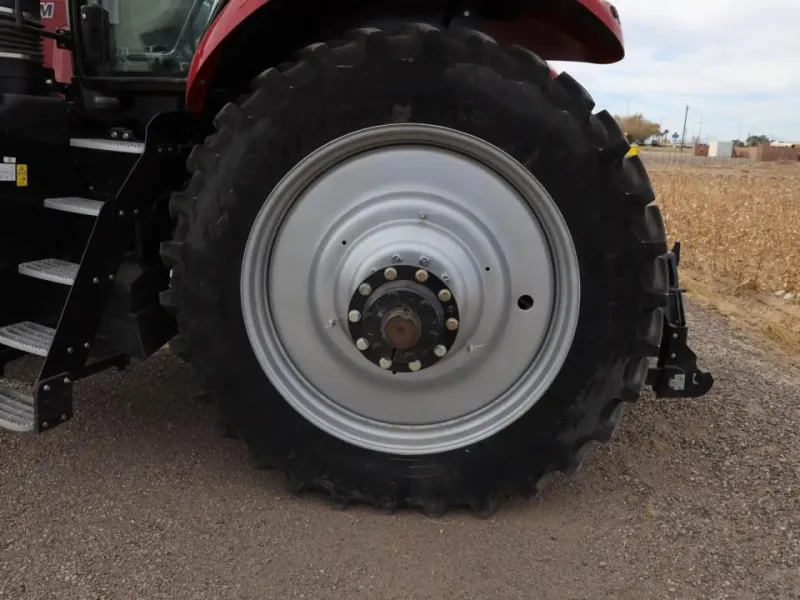
Match the drive, operator station and hitch to your ground, weather and implements. Mechanical front-wheel drive, often called four-wheel drive, adds traction on soft or difficult ground and is common on loader tractors. A cab adds year-round comfort, weather protection and lower noise; an open station with a rollover protective structure costs less and fits under lower clearances. New Holland notes that backhoe digging is only compatible with a ROPS tractor on its compact models. Check the three-point hitch category against your implements, and choose tires for your surface: turf tires for lawns, industrial tires for mixed use and agricultural tires for maximum traction. |
| What should you inspect on a used tractor? |
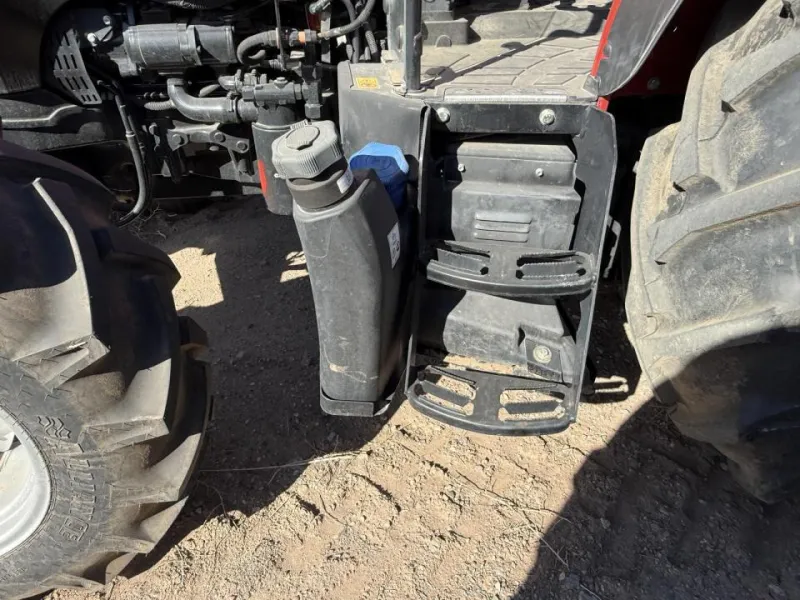
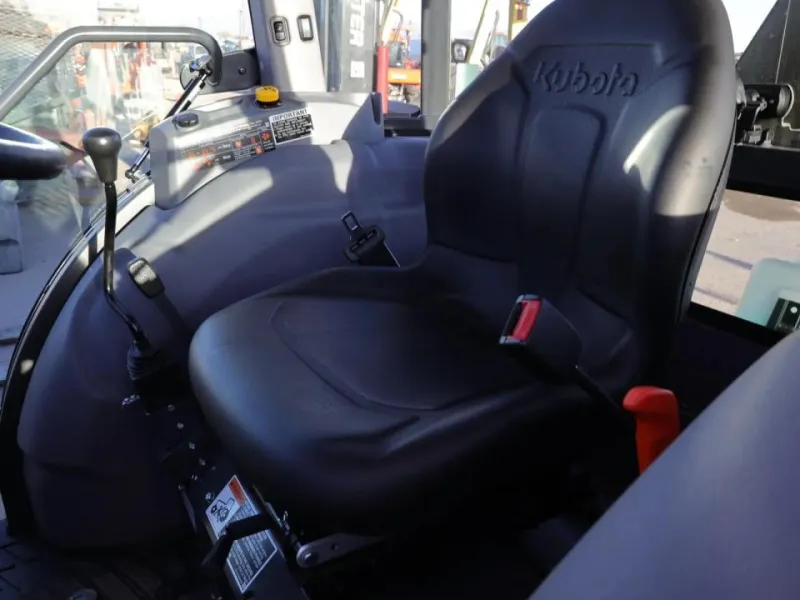
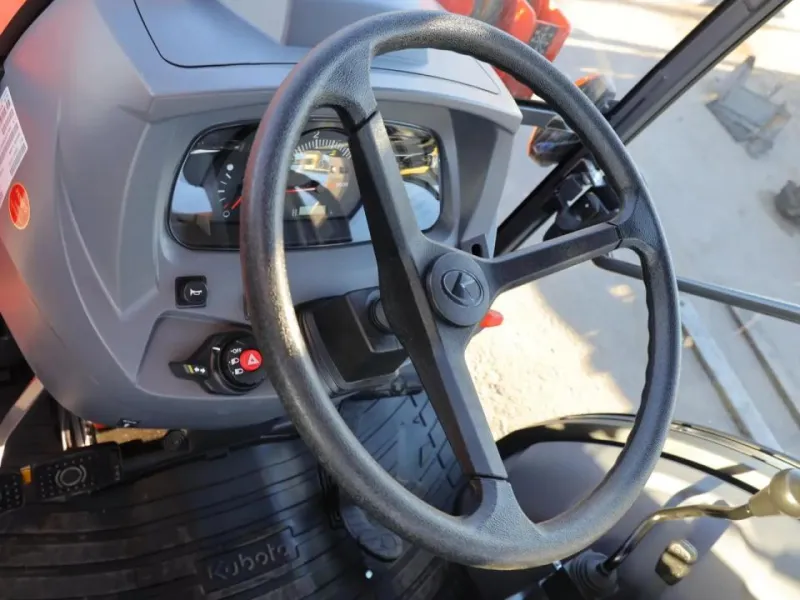
Review the engine, drivetrain, hydraulics and safety equipment before making an offer. Check service records, fluid levels and condition, leaks, tire wear and any warning lights or diagnostic codes. There is no single hour count that makes a tractor a good or bad buy; how it was maintained, used and stored matters as much as the hour meter. Have a qualified person start the tractor cold, run the PTO and hydraulics, and operate the loader and three-point hitch with an implement attached. Confirm the rollover protective structure and seatbelt are present and undamaged.
|
Asking prices for tractors on MachineryList currently range from $20,100 to $201,300, across 16 listings that show a price. The equipment market changes constantly as machines sell and new ones are listed, so treat this as a starting point, not a quote. Year, hours, condition and options move the price most.
Start with your acreage and your jobs. New Holland recommends sub-compact tractors for properties under 5 acres and compact tractors for properties of about 5 to 10 acres, while larger utility and farm tractors handle bigger operations and heavier implements. Then confirm the PTO horsepower, hitch and lift capacity your implements need.
The power take-off (PTO) is a driveshaft that sends power from the tractor's engine to an implement such as a mower, baler or tiller. PTO horsepower is the power available at that shaft. Spec sheets list it separately from engine horsepower, and it is the lower of the two, so use PTO horsepower when matching a tractor to powered implements.
Neither suits every job. Hydrostatic transmissions offer infinitely variable speed without clutching, which suits loader work and landscaping. Gear transmissions with a shuttle suit hauling and ground-engaging work and generally deliver more PTO horsepower at a lower price. Choose for the work you do most often.
Mechanical front-wheel drive adds traction on soft, wet or difficult ground and helps with loader work. Two-wheel drive can be enough for mowing and light work on firm, level ground. Extra traction does not make steep slopes safe; follow the operator's manual for slope, ballast and loader guidance.
Manufacturers do not publish a single hour limit for tractors. Maintenance, the type of work and how the tractor was stored matter as much as the hour meter. Use hours as one factor, then review service records and have the tractor inspected and run under load before you buy.
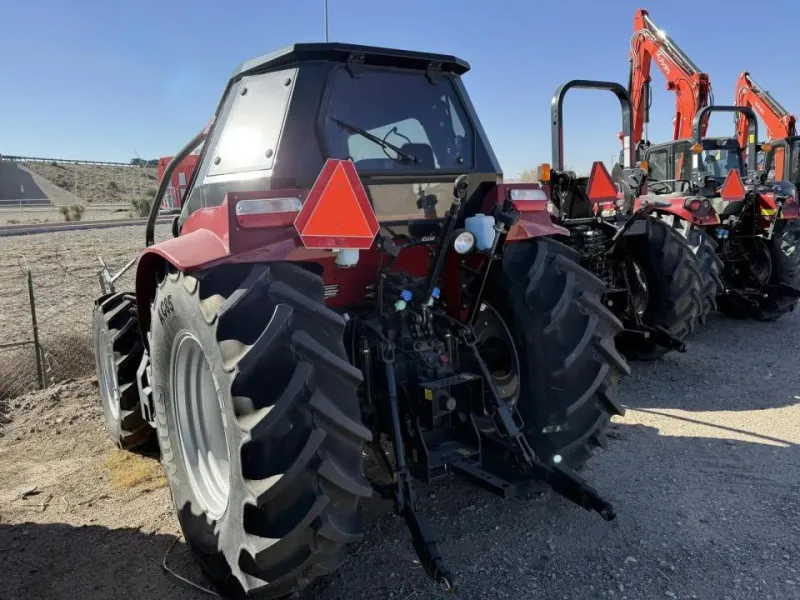
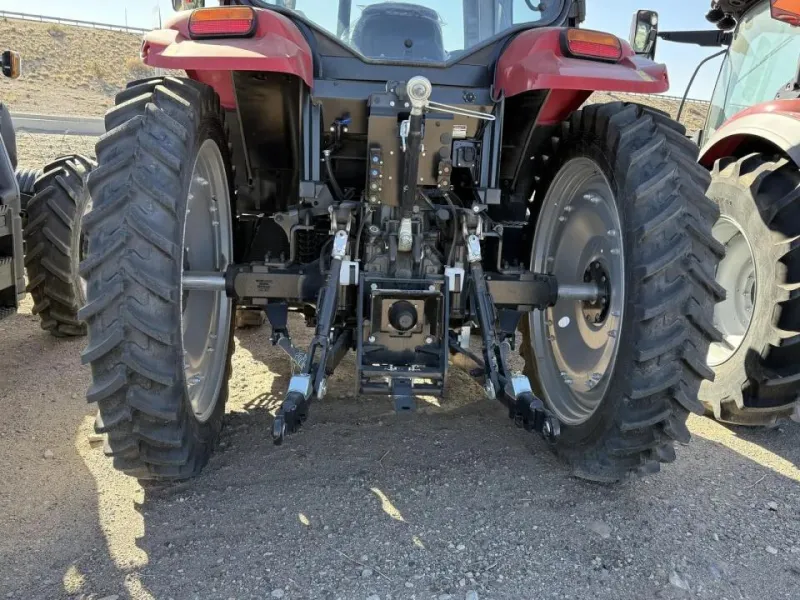
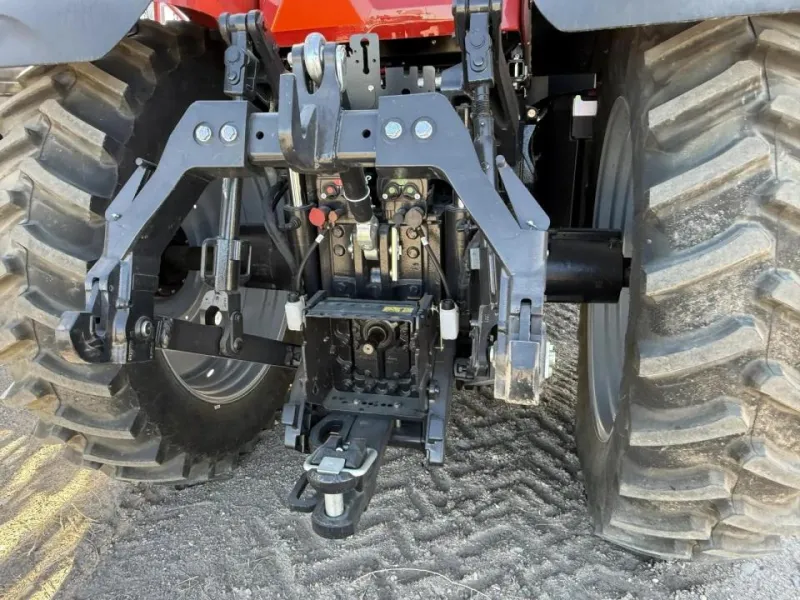
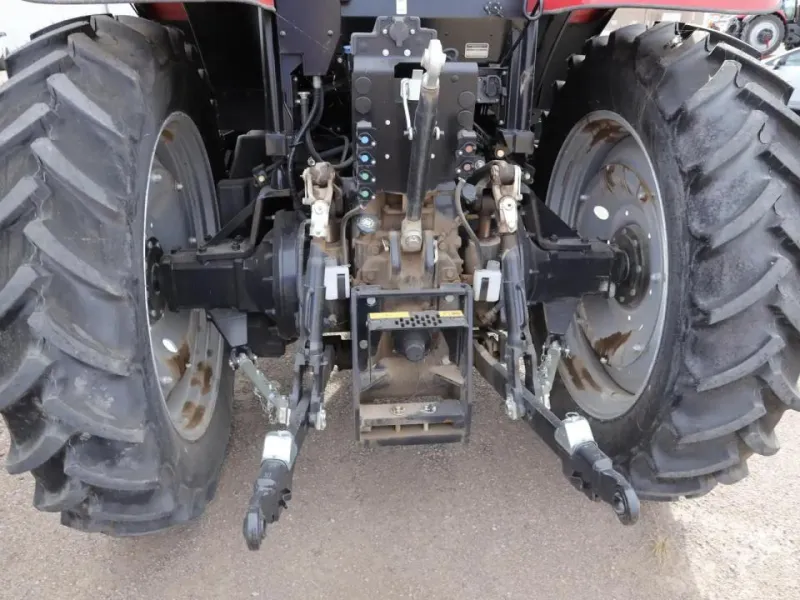
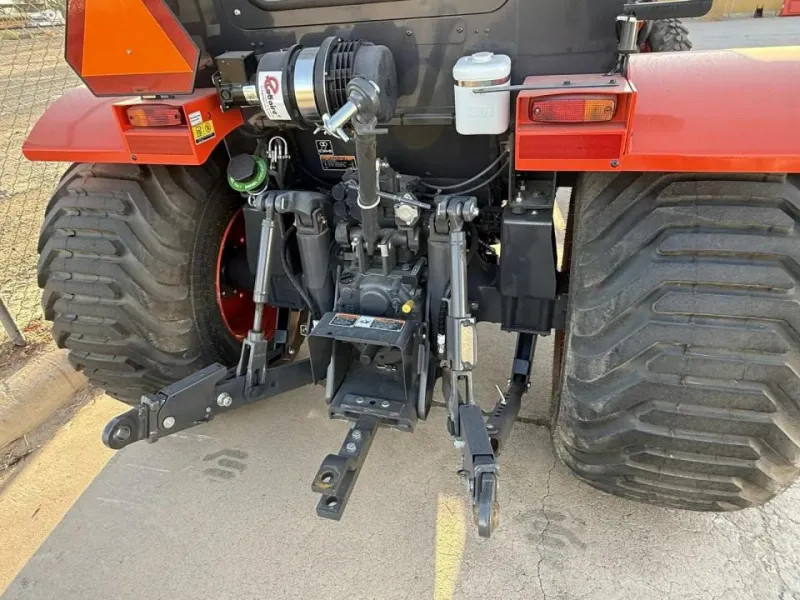
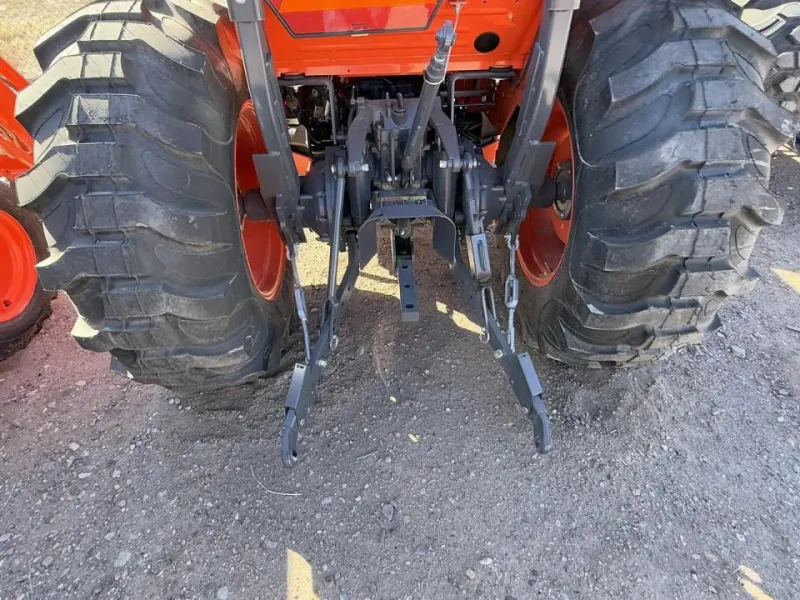
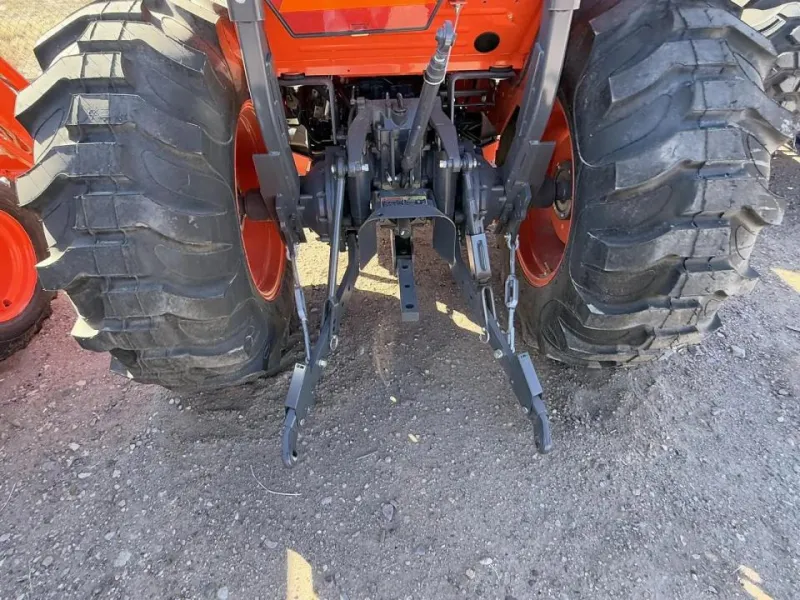
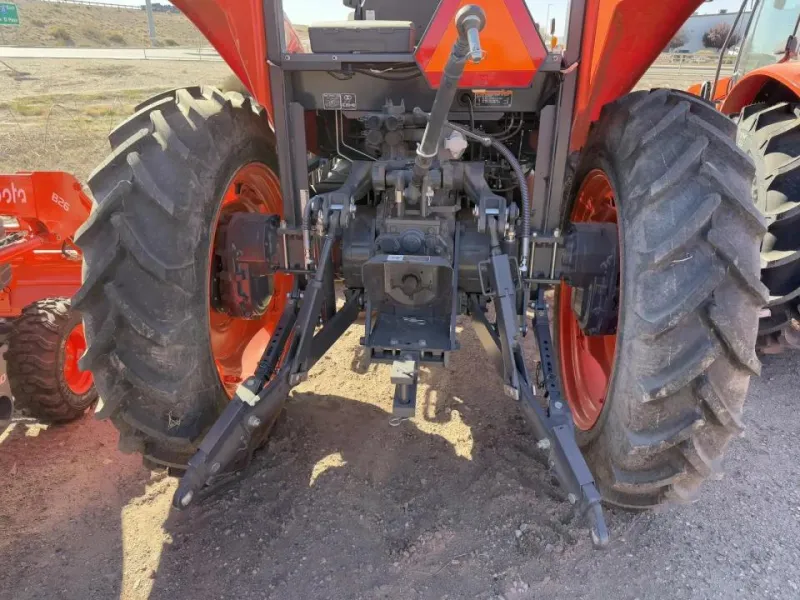
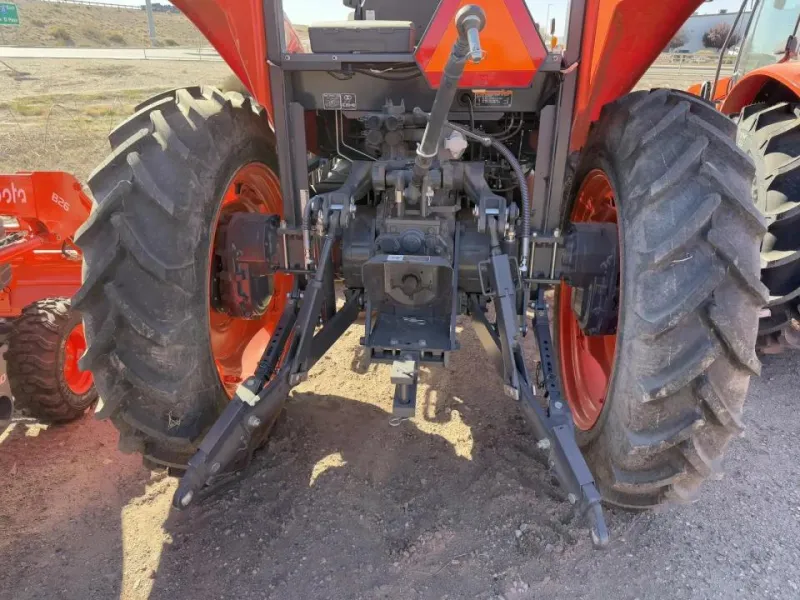
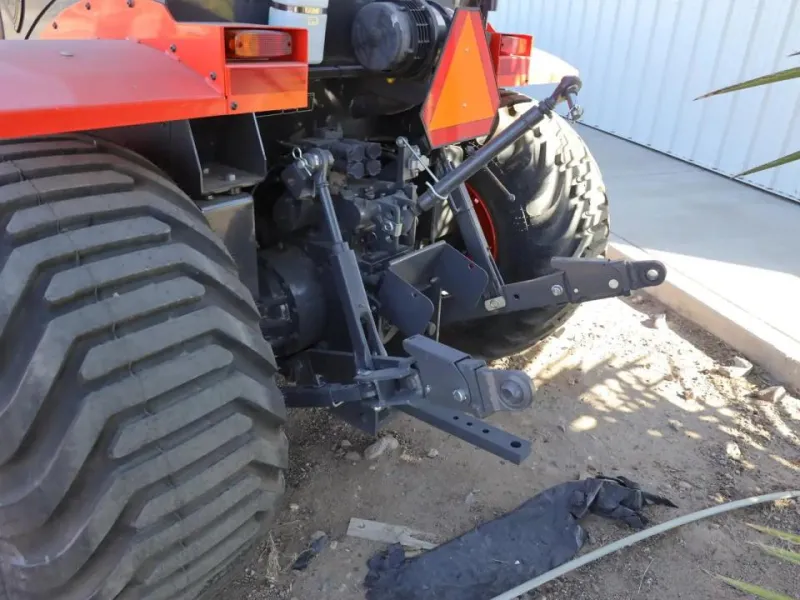
The hitch category sets the pin sizes an implement must match. Land Pride lists 7/8-inch lower hitch pins for Category 1, 1 1/8-inch for Category 2 and 1 7/16-inch for Category 3. Match the implement's hitch category to the tractor, or use the bushings the implement maker specifies.