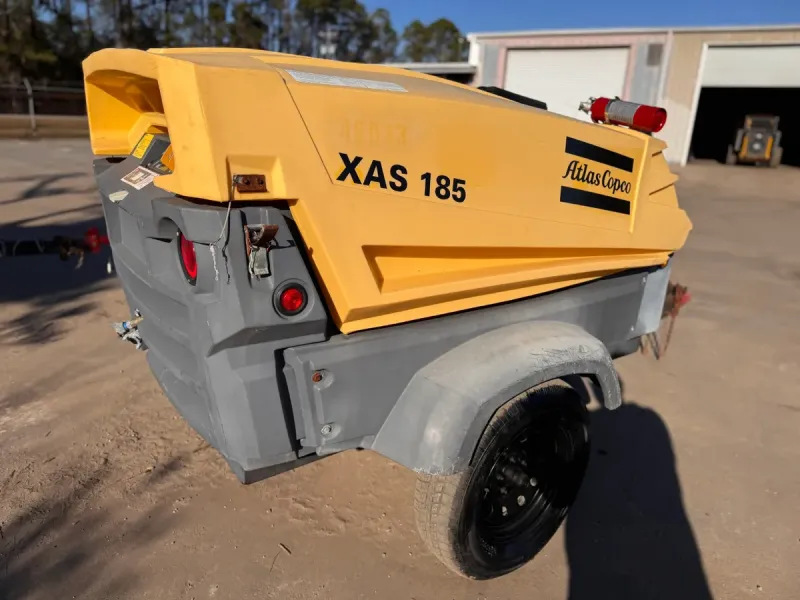
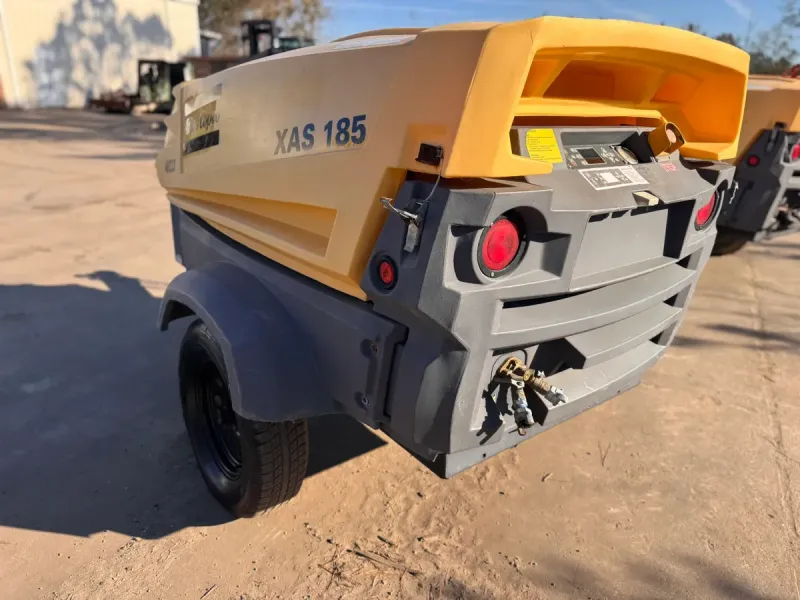
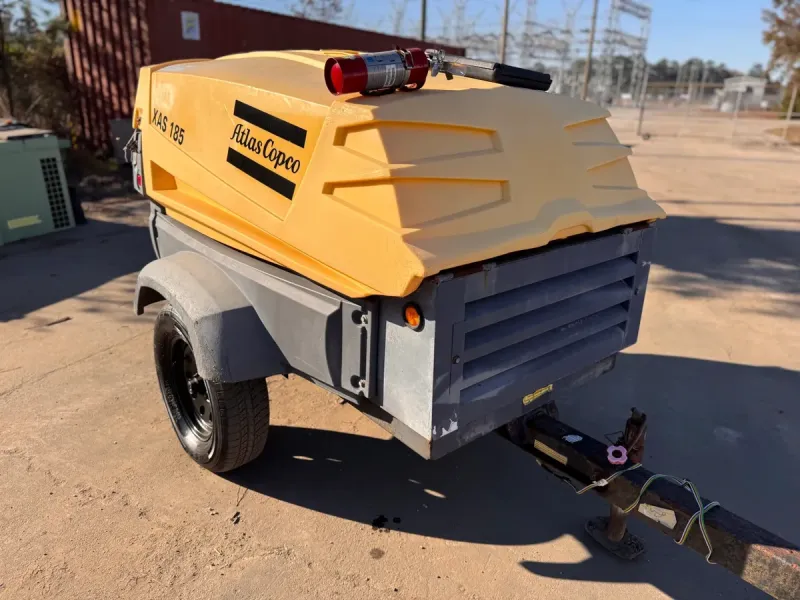
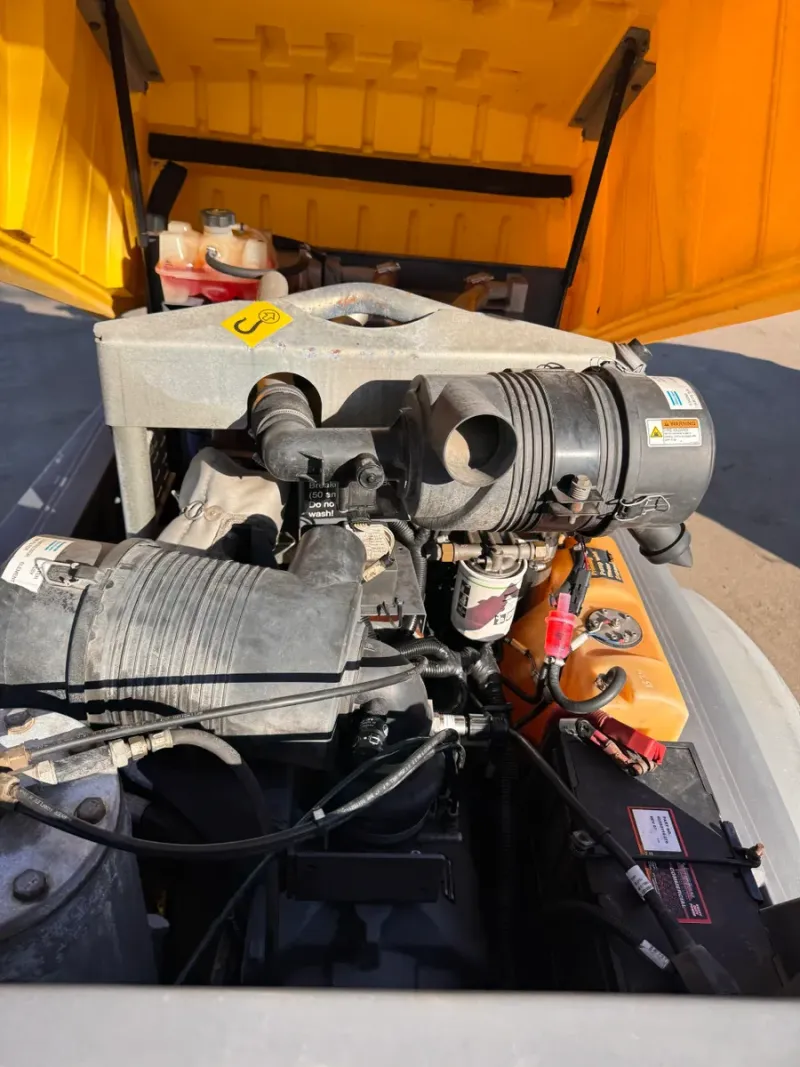
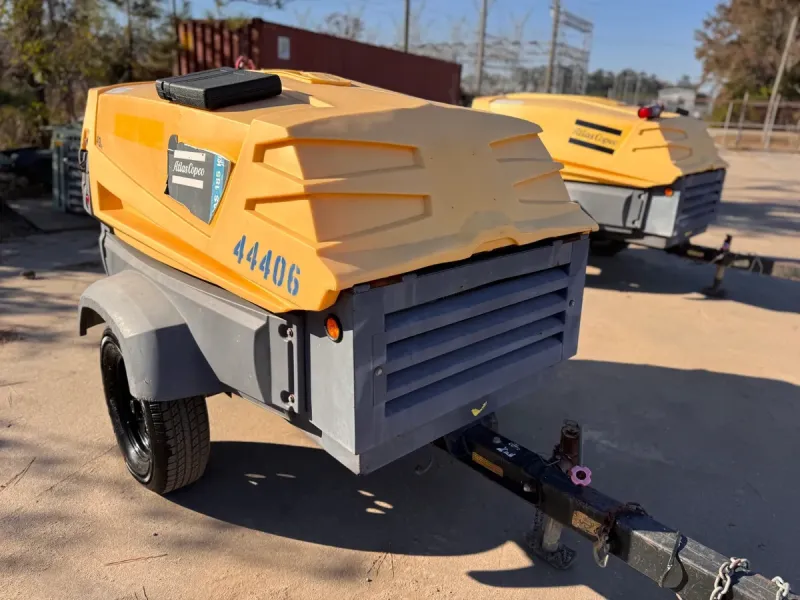
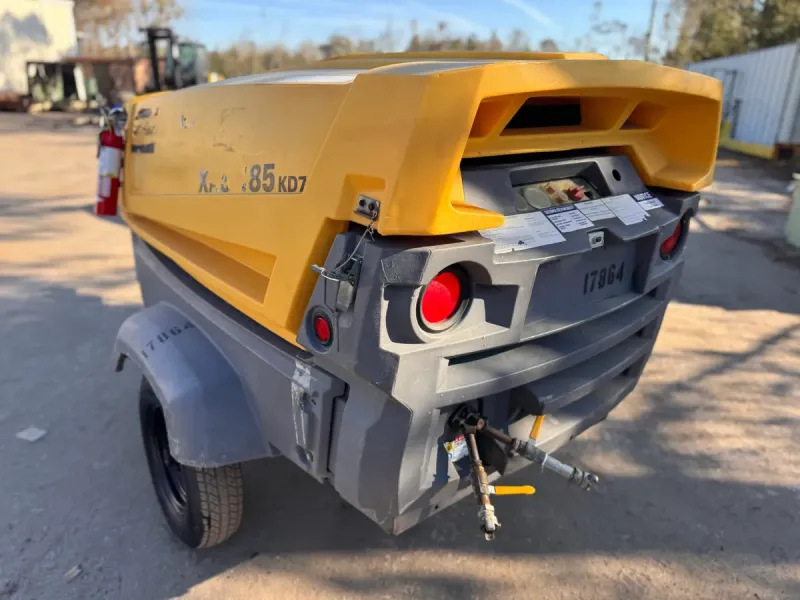
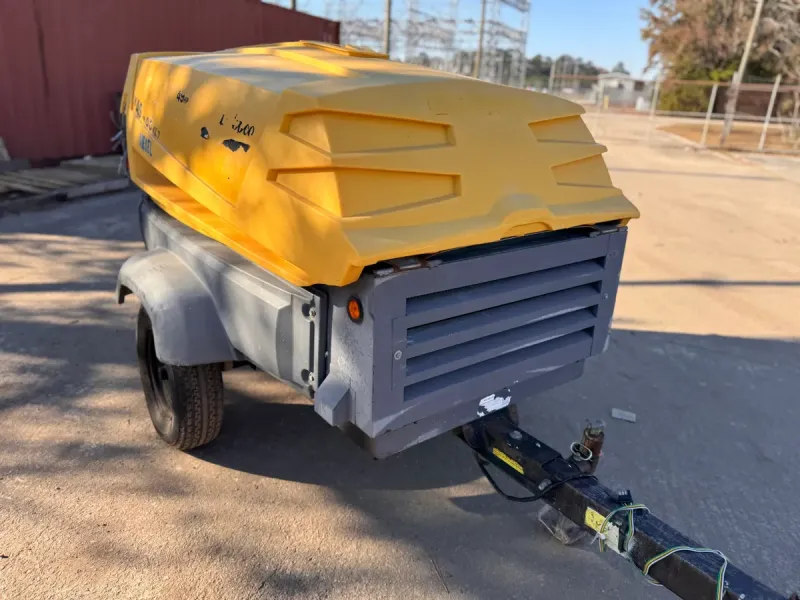
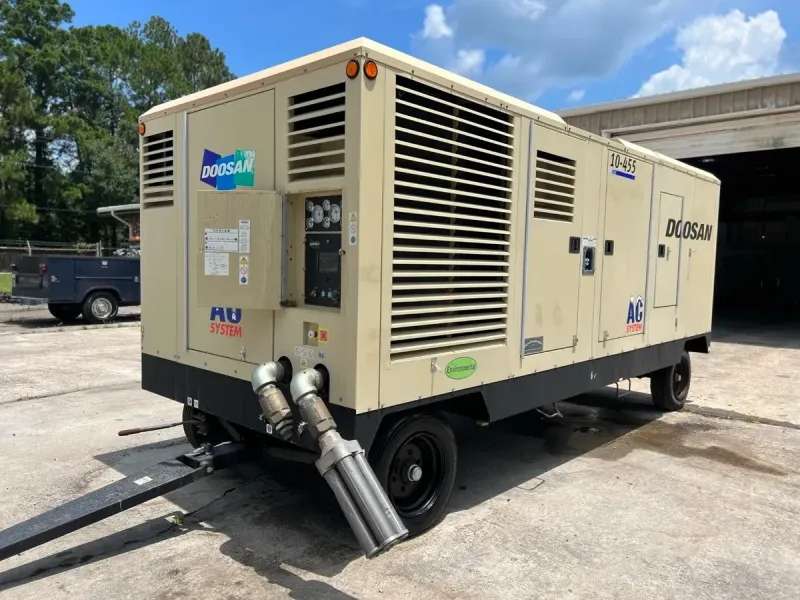
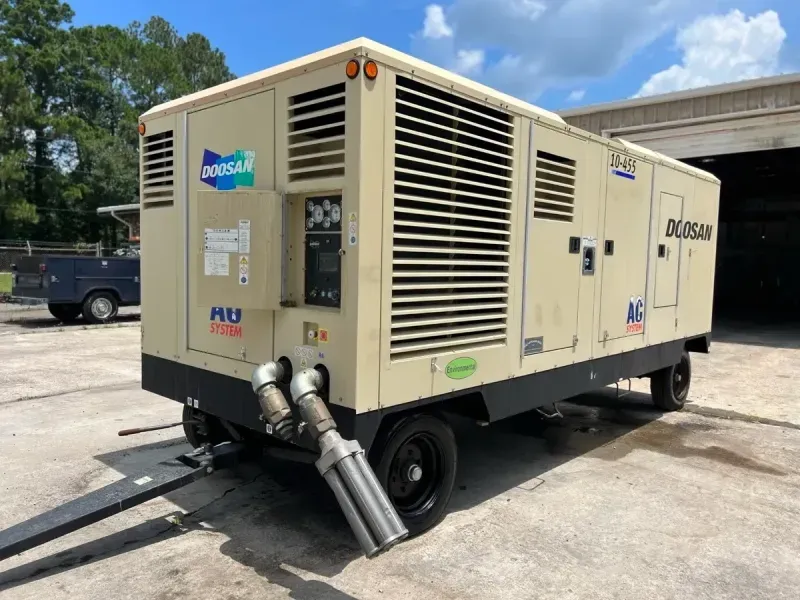
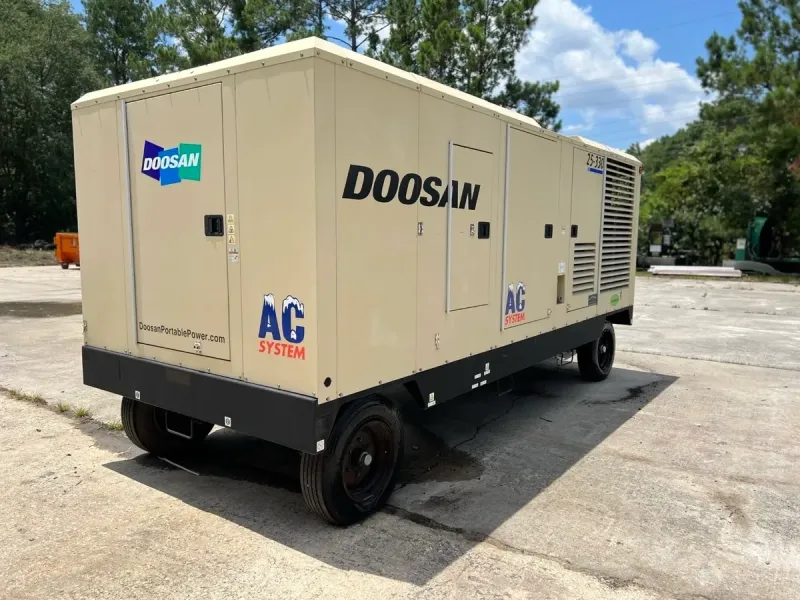
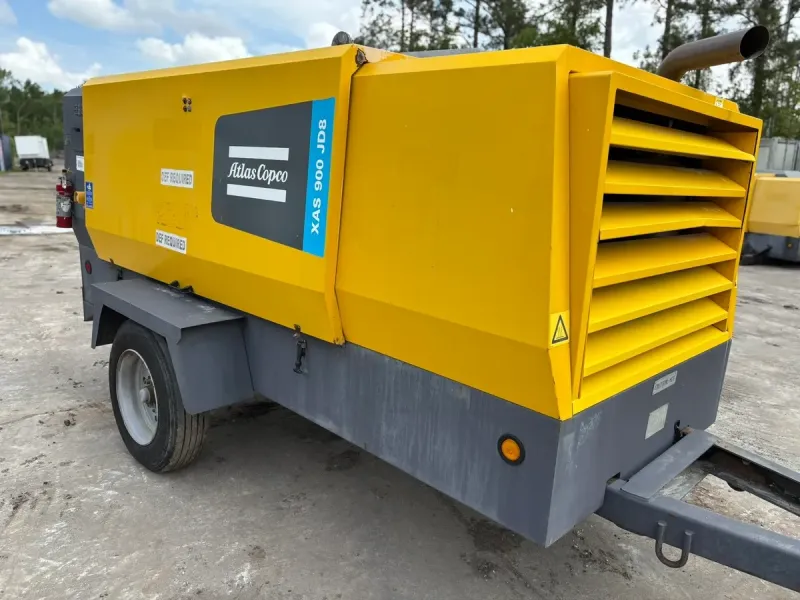
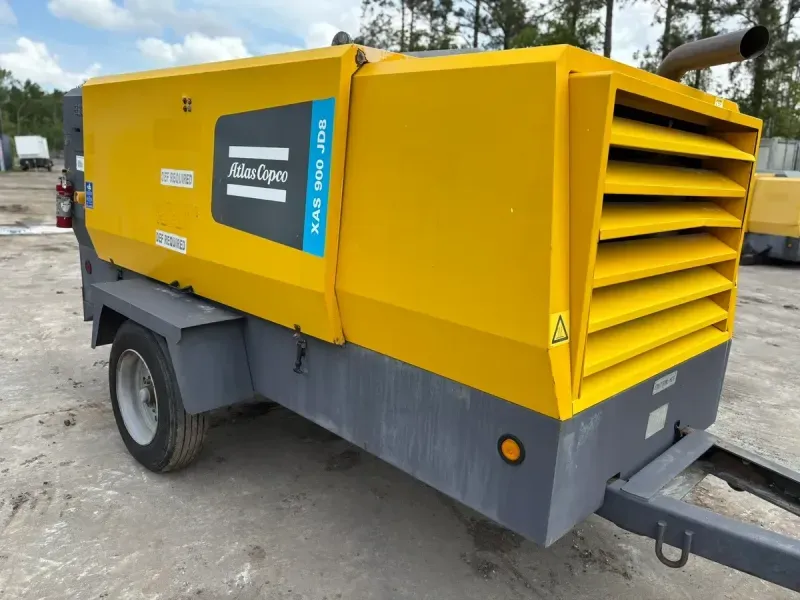
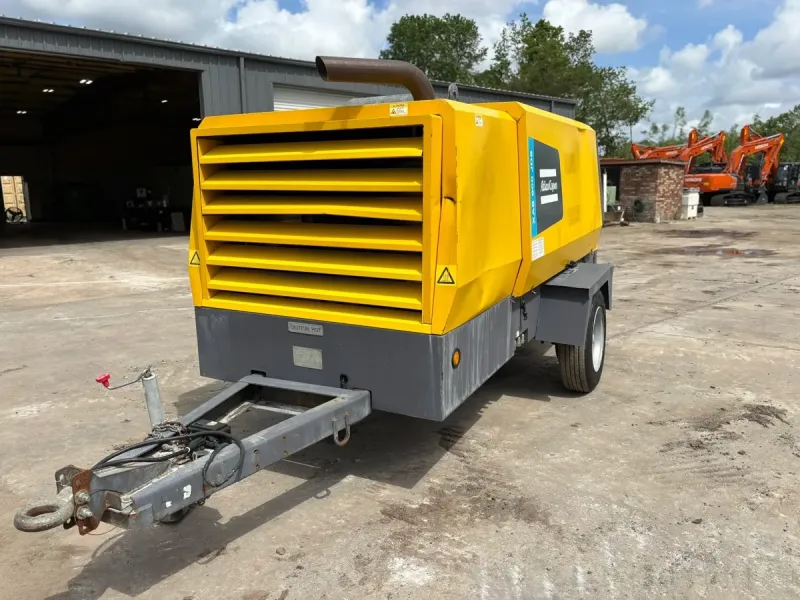
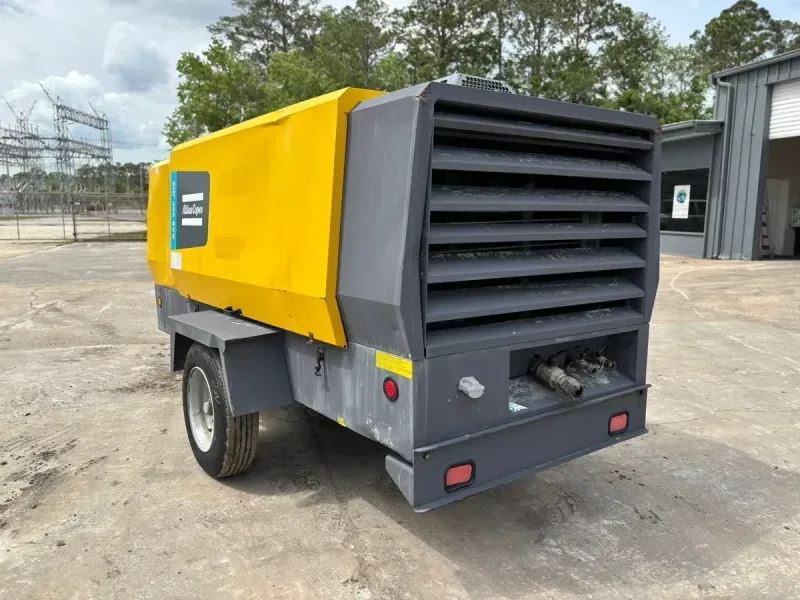
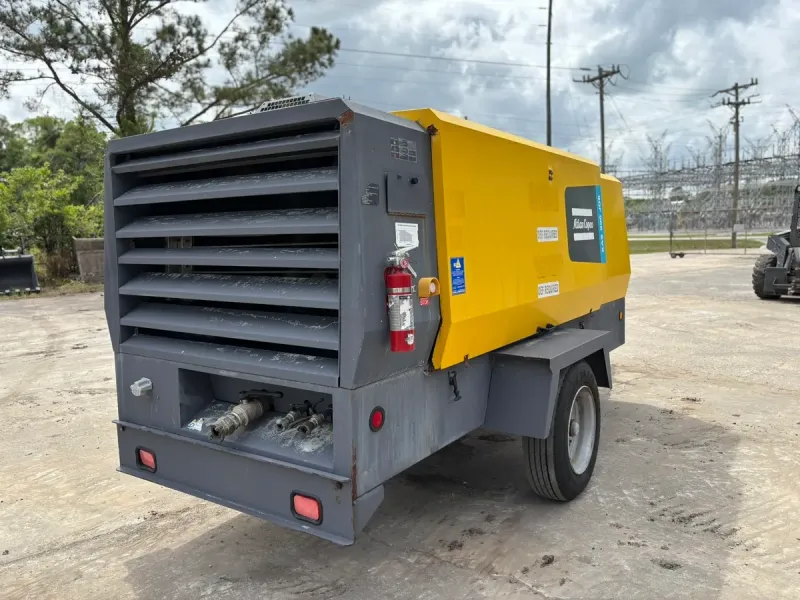
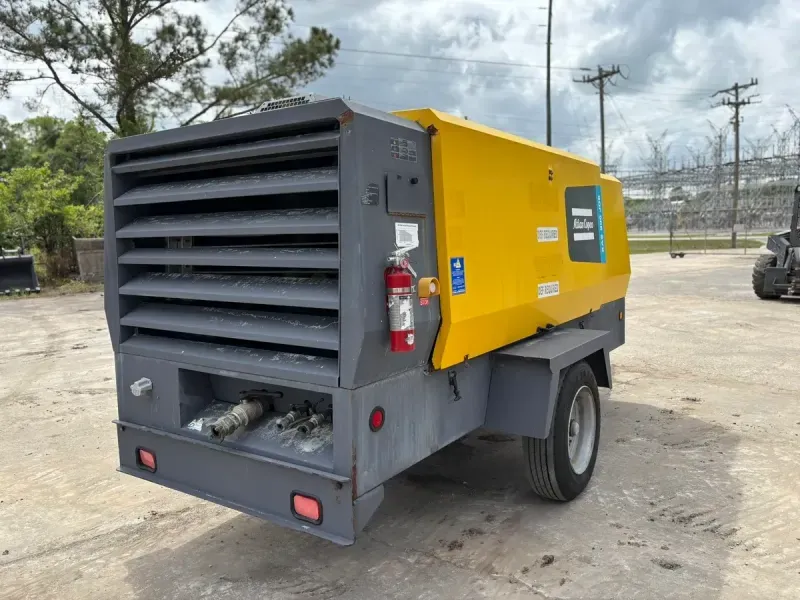
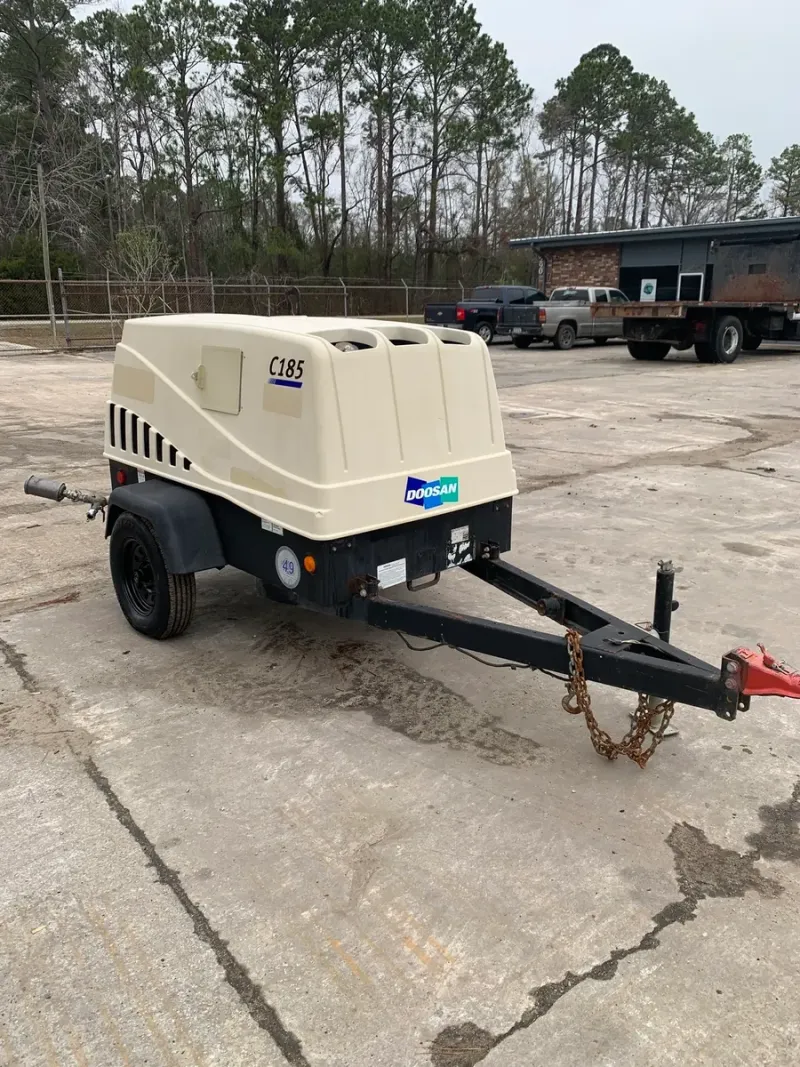
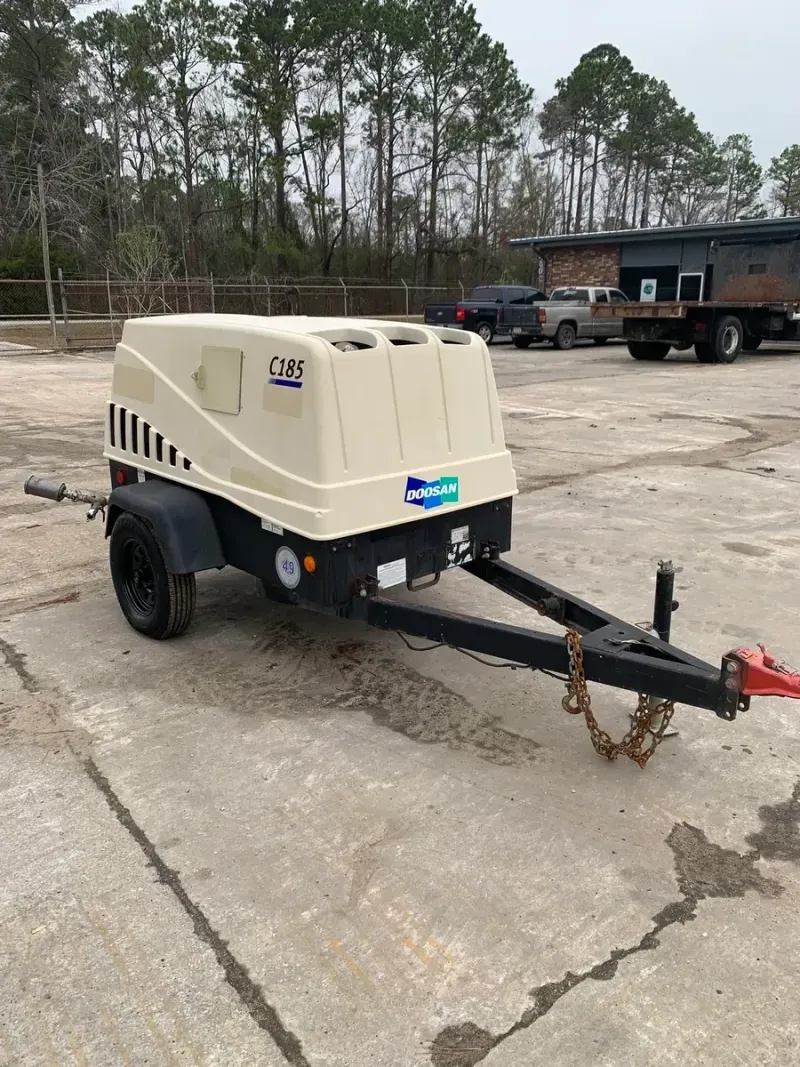
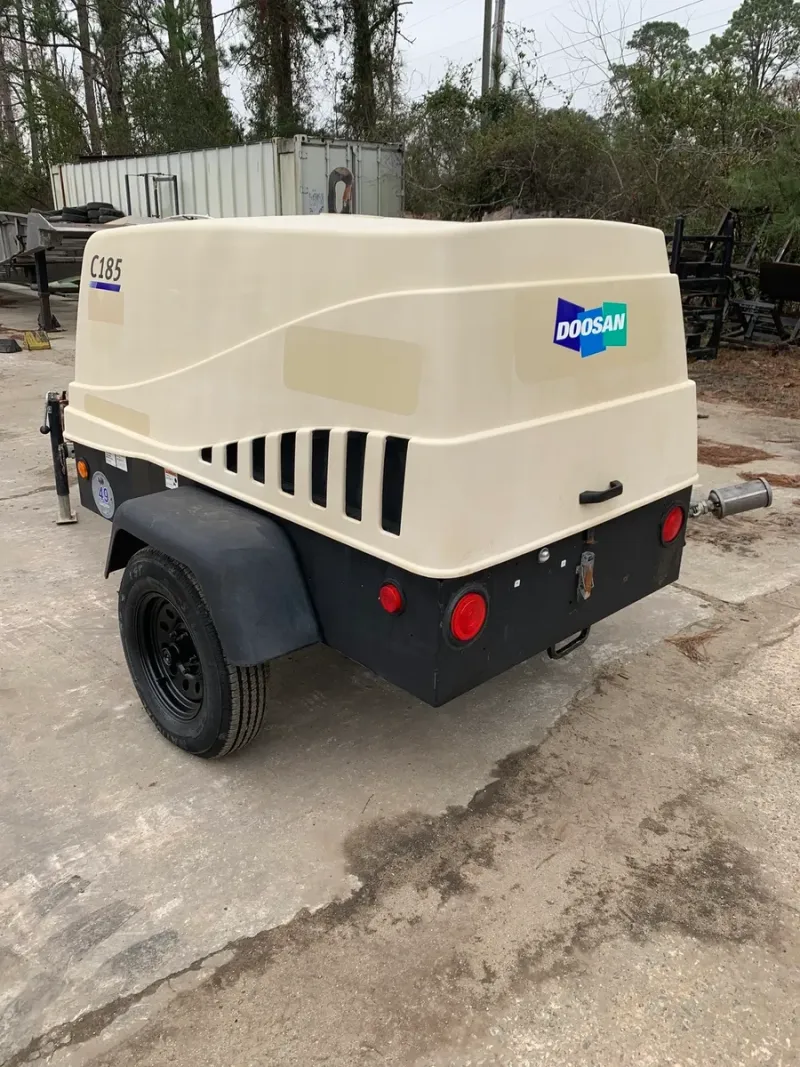
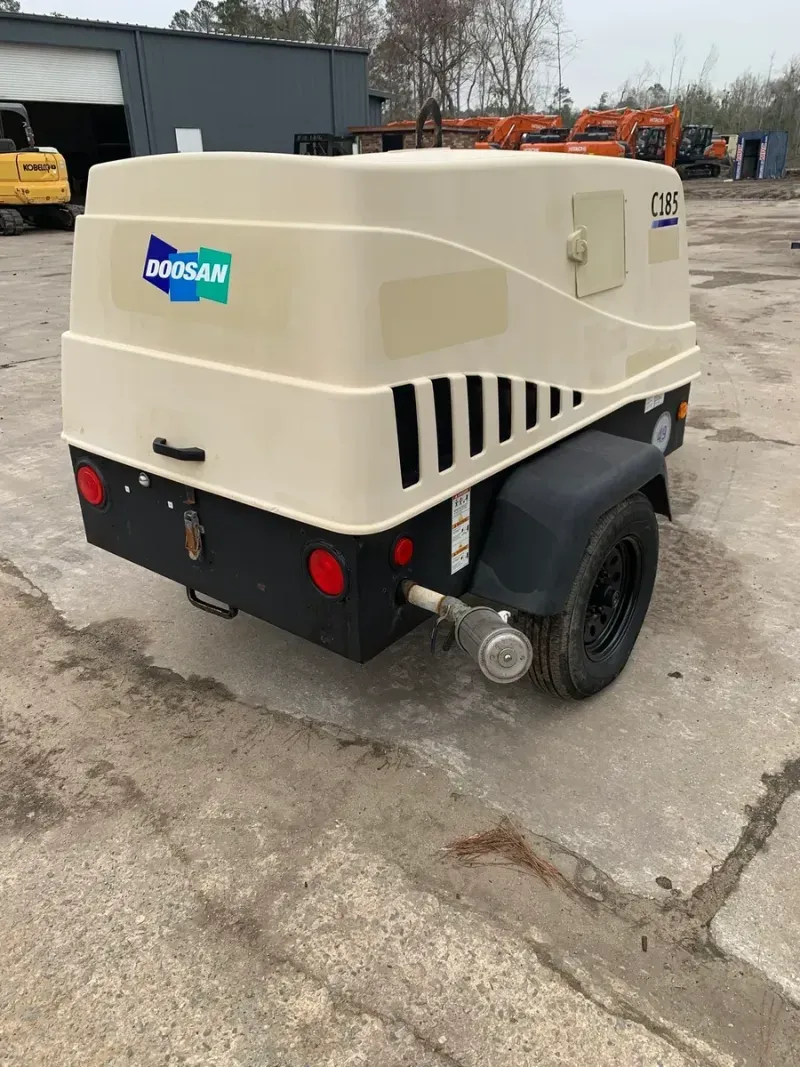
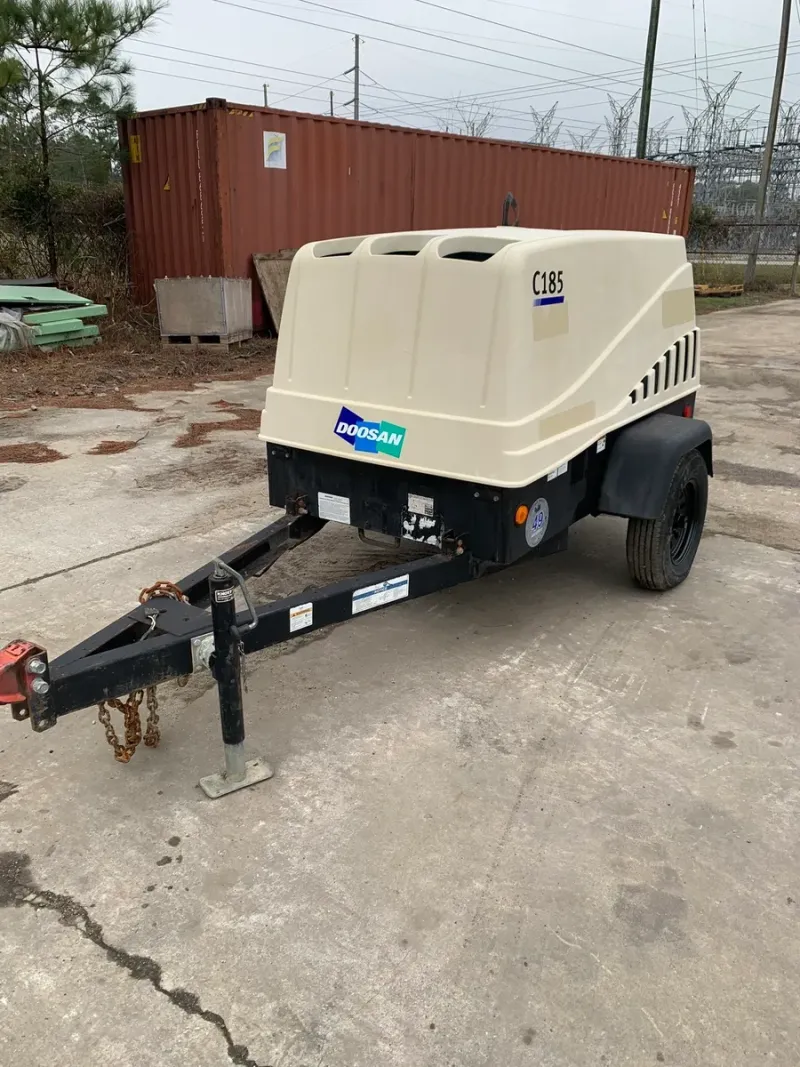
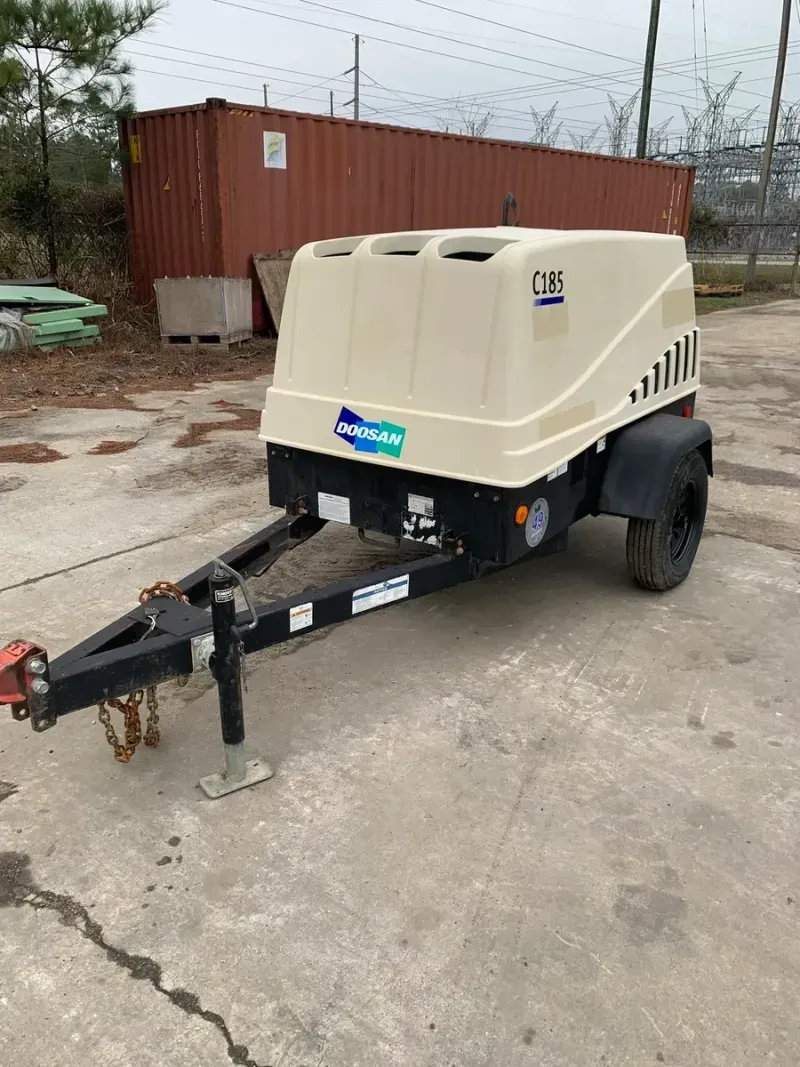
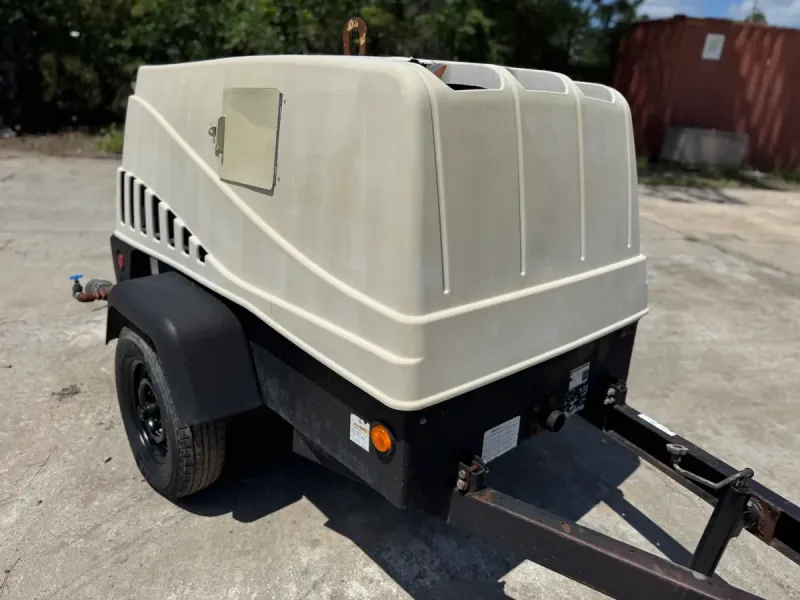
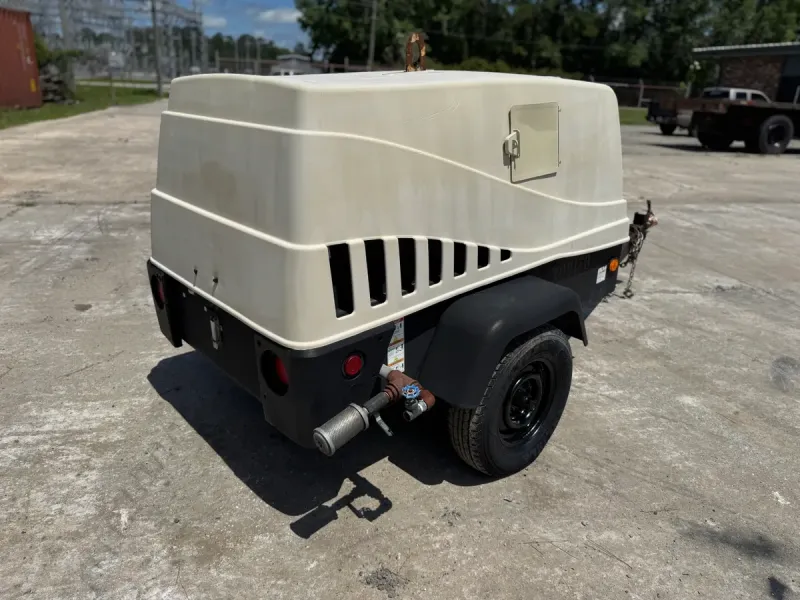
22 air compressors for sale
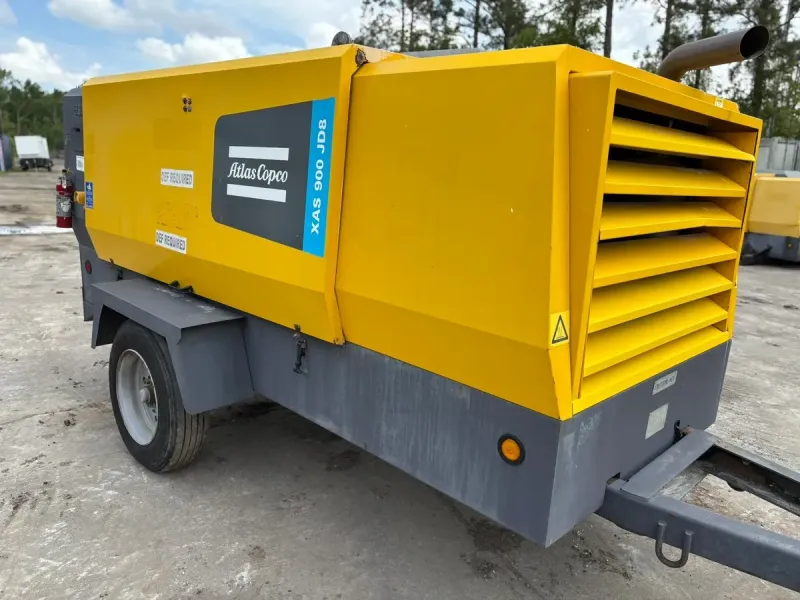
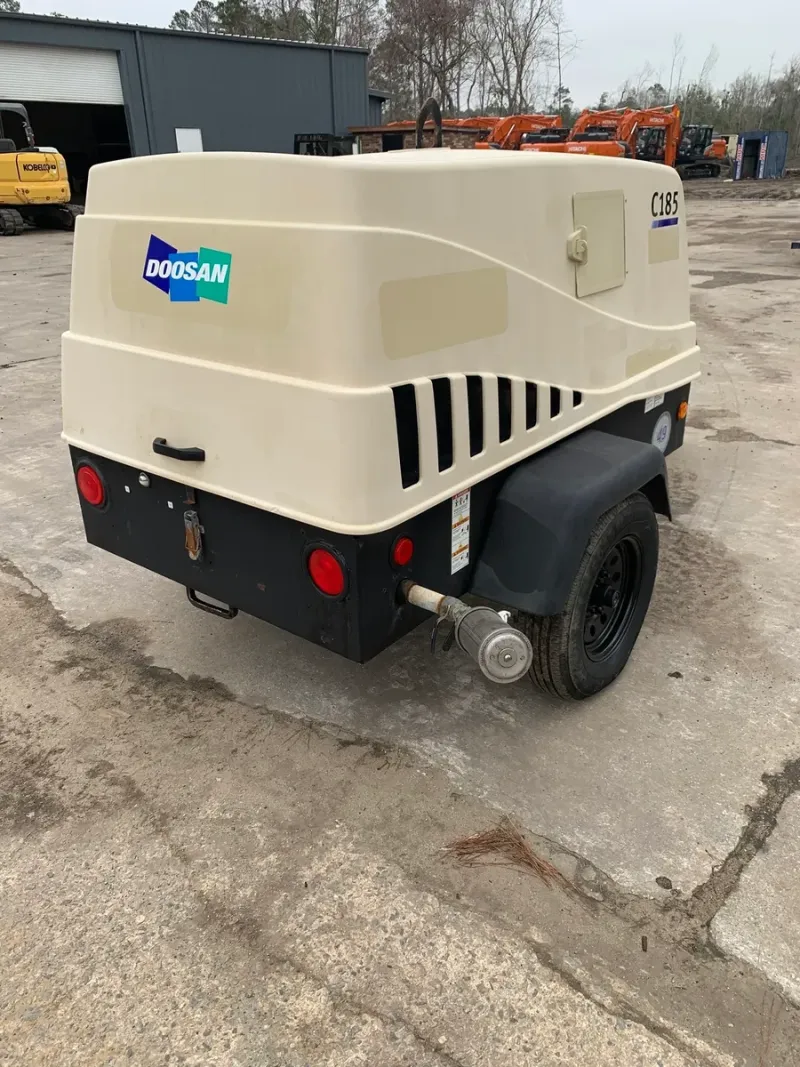
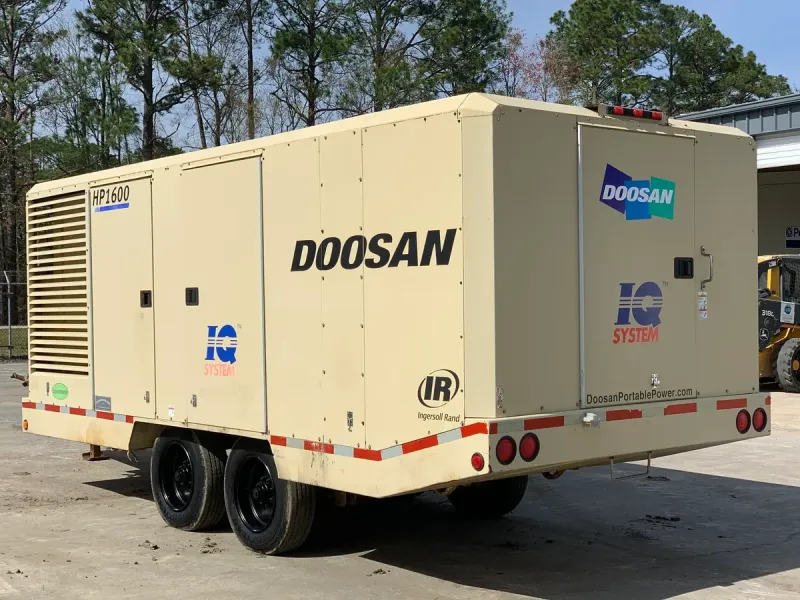
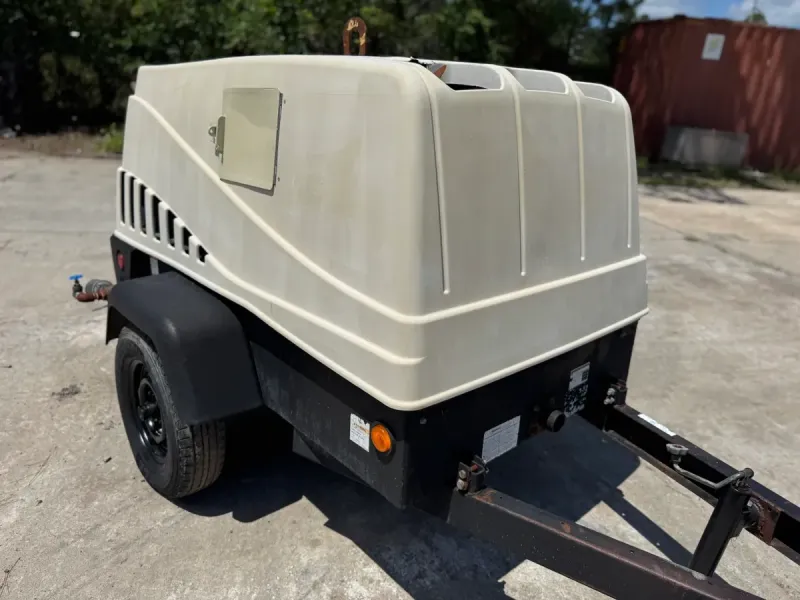
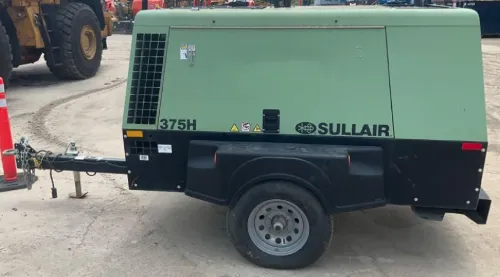
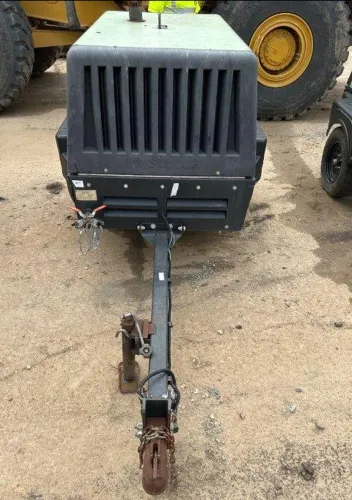
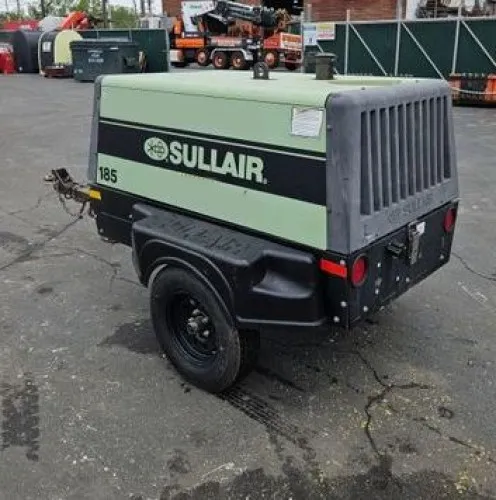
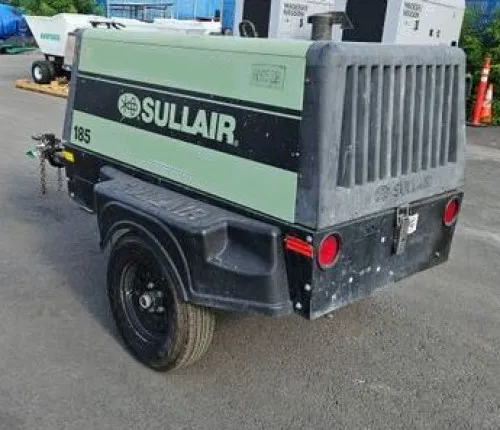
Buying guide
How to size a portable air compressor by CFM and PSI, understand Tier 4 emissions, and check the engine, safety valve and trailer on a used unit.

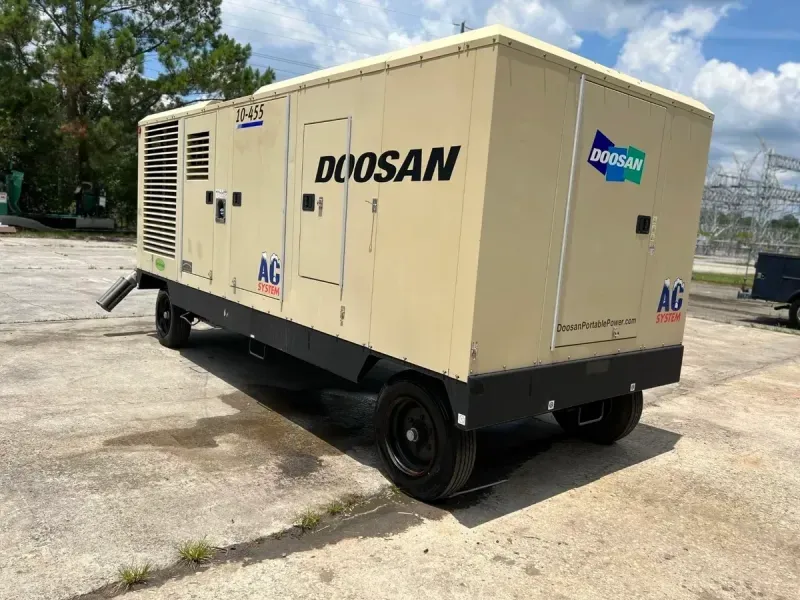
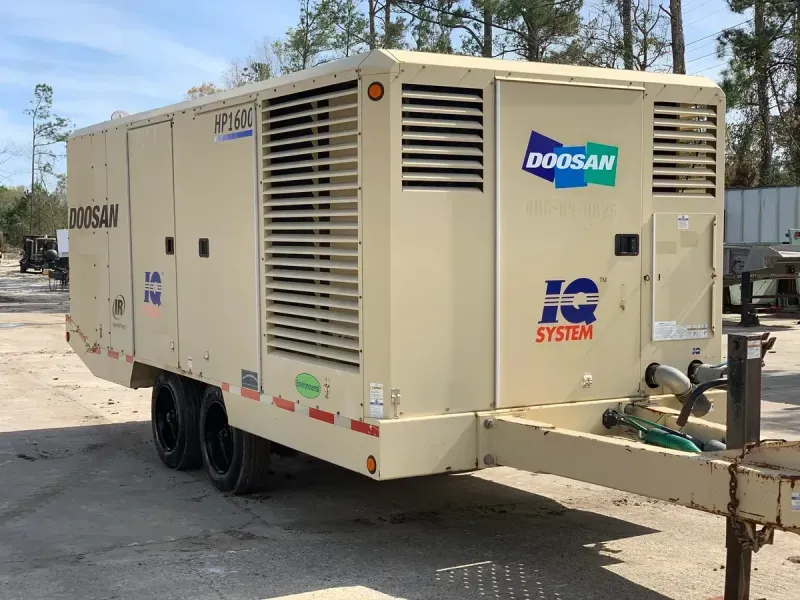
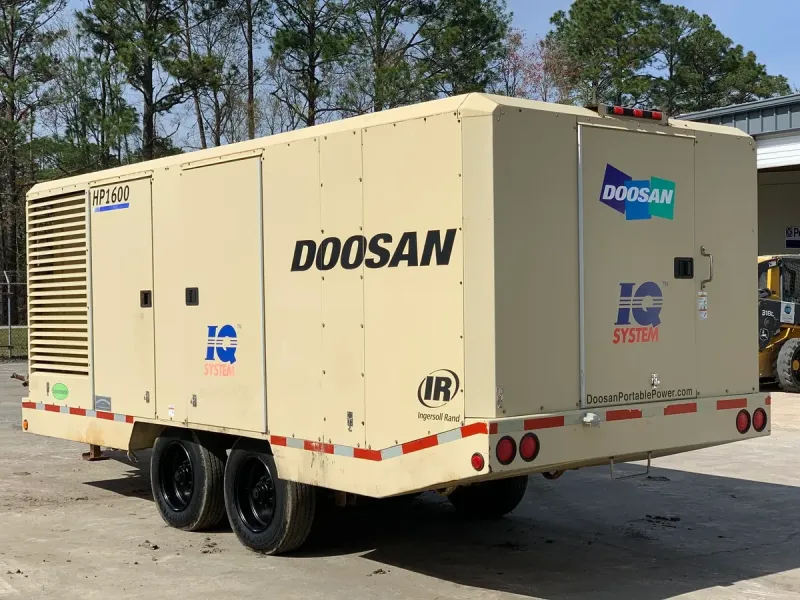
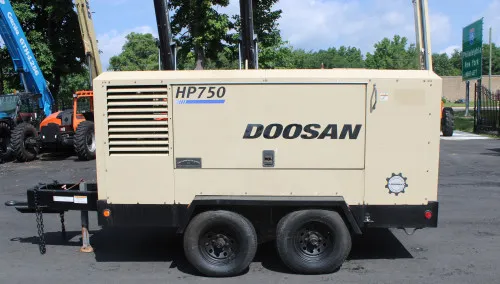
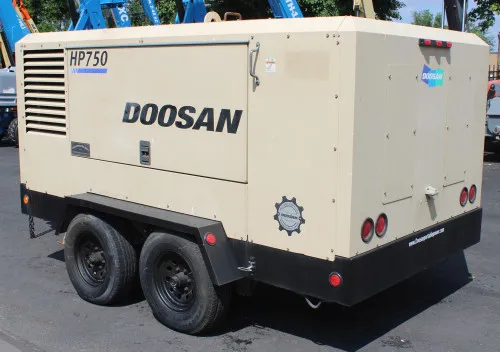
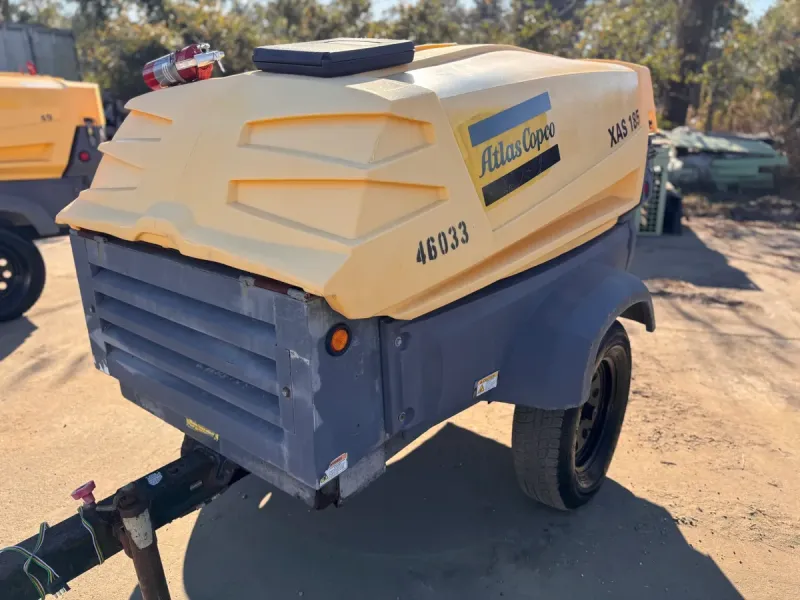
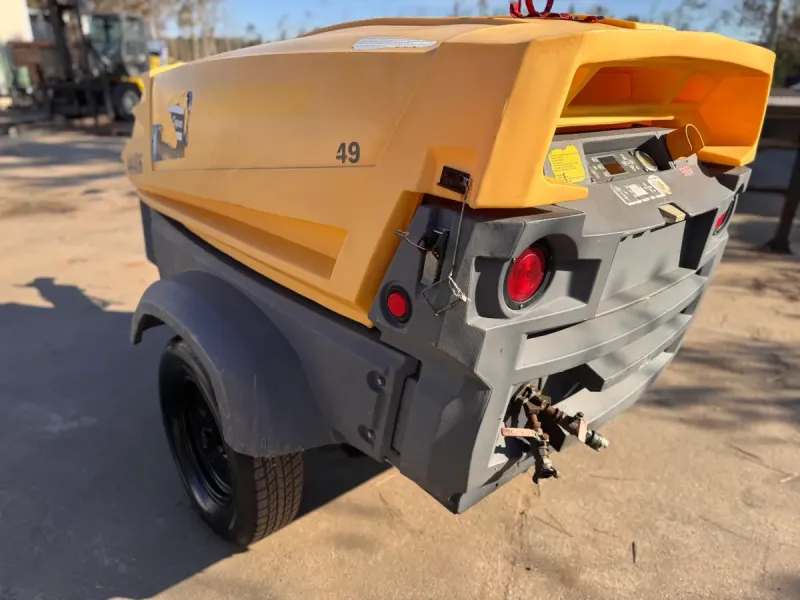
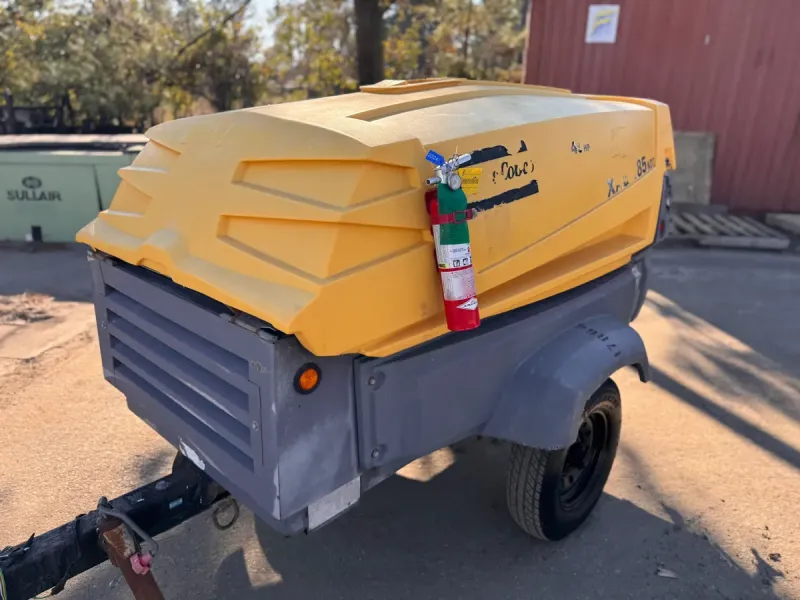
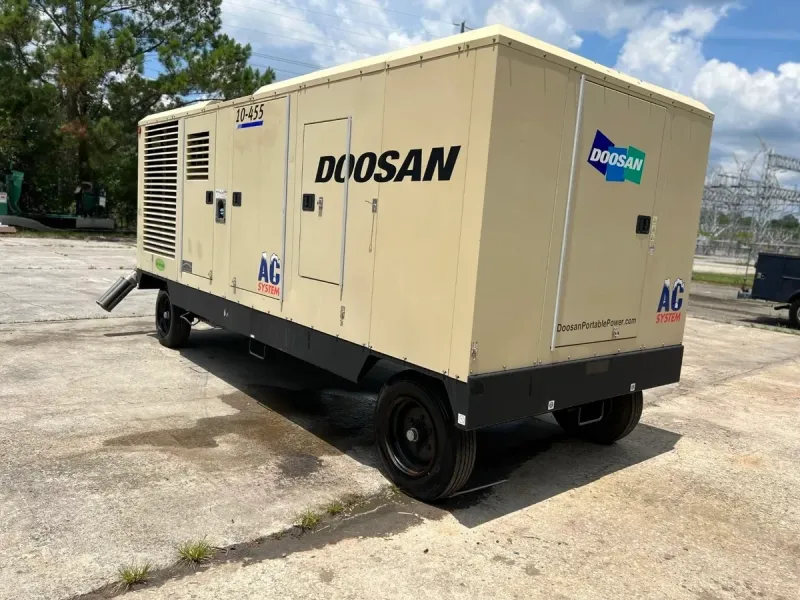
Portable air compressors, usually towable diesel units, supply compressed air for jackhammers, breakers, impact wrenches, sandblasters and other air tools on jobsites. Electric units serve sites with grid power, and larger compressors run multiple tools or high-demand jobs.
Start with the air tools you will run at the same time and the pressure they need. Then check the exact compressor's CFM and PSI rating, engine and emissions system, running gear and condition. Add up the air your tools need at the same time, then use the questions below to compare the compressors listed above.
| Buying question | What to look for |
|---|---|
| How much CFM and PSI do you need? |
Size the compressor to every tool that will run at the same time. Add up the air demand of all tools that may run at once, at the pressure they need, and leave a margin for hose length and tool wear. Compressor ratings are given at a stated pressure, and many units trade some airflow for higher pressure. Check the rated CFM at the pressure your tools need for the exact model, not just the headline number. |
| Diesel or electric, and which emissions system? |
Choose the power source for where the compressor will work. Diesel towable compressors work anywhere and are the jobsite standard. Electric compressors need grid power but produce no exhaust on site and need less engine maintenance. Newer diesel units use aftertreatment such as a diesel particulate filter and diesel exhaust fluid, which needs fluid and attention to warning lights. Ask whether the unit uses DEF and whether the particulate filter has been serviced. |
| Which options and running gear do you need? |
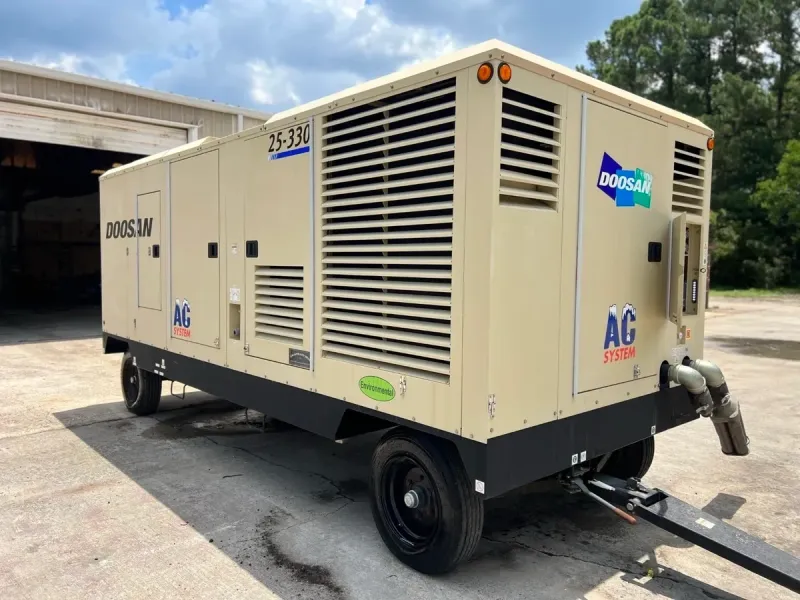
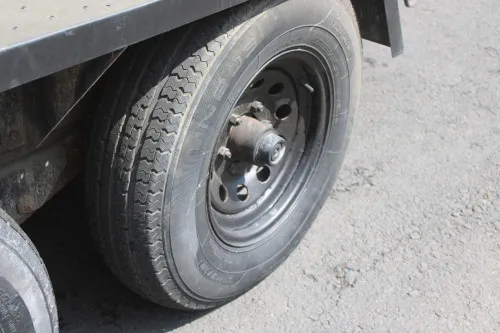
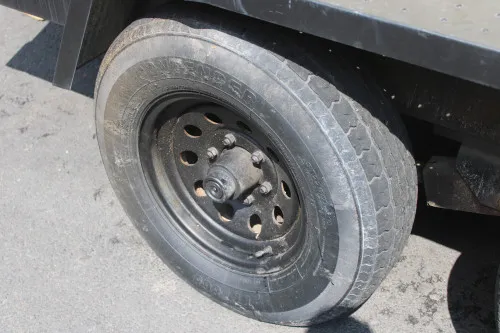
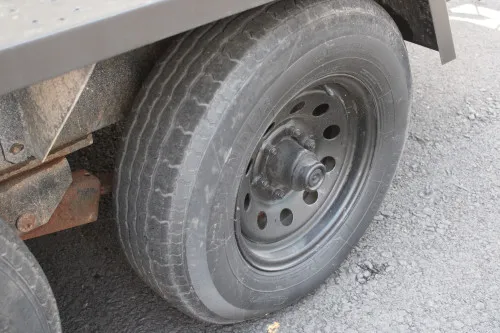
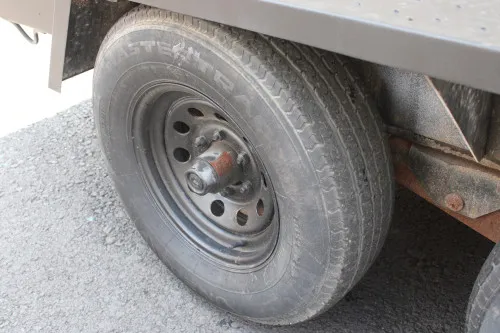
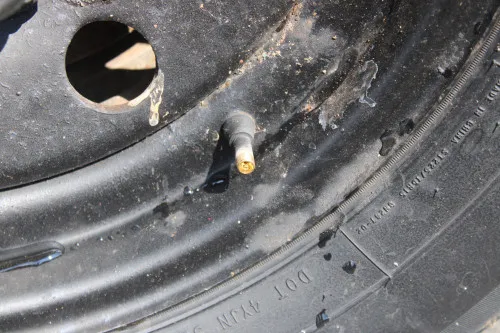
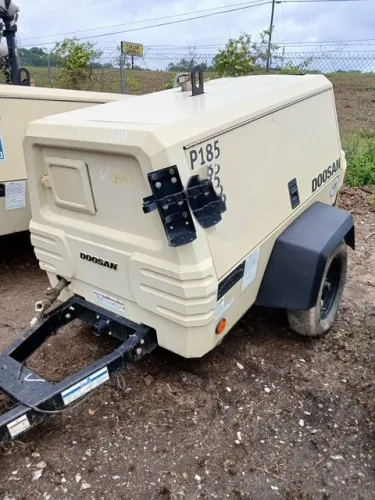
Check the trailer, filtration and accessories along with the compressor. Towable units should have working lights, brakes where required, sound tires and a solid tow eye or pintle. Aftercoolers and filtration remove moisture for sandblasting, painting and sensitive tools. OSHA requires safety devices on larger air hoses at the supply. Confirm the hose connections, any included tools and the trailer's road-legal equipment. |
| What should you inspect on a used air compressor? |
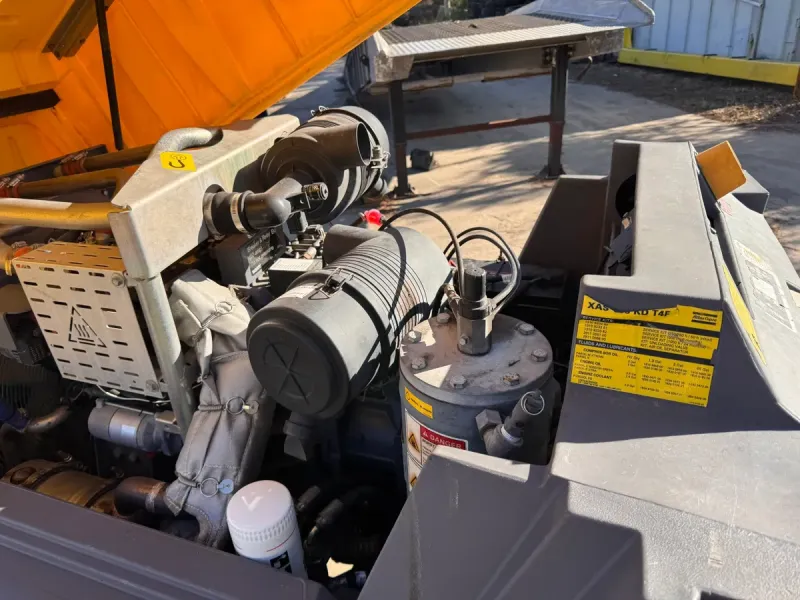
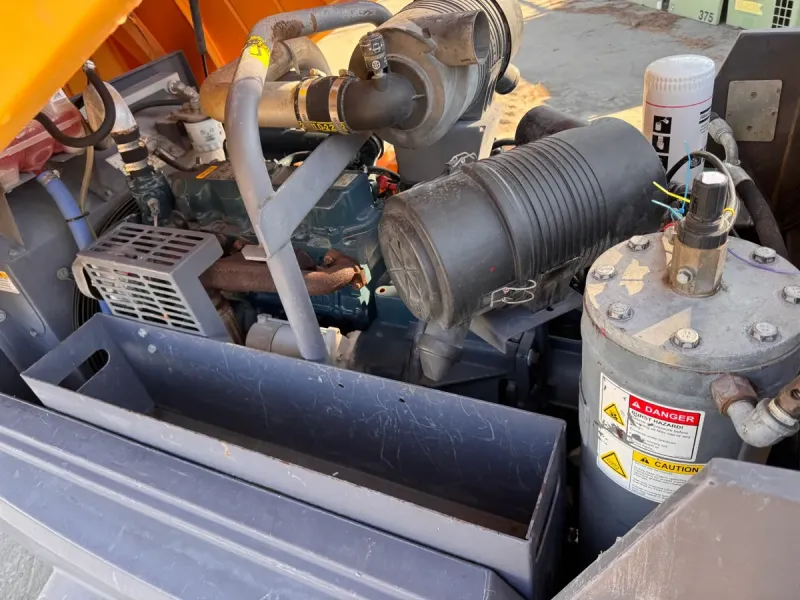
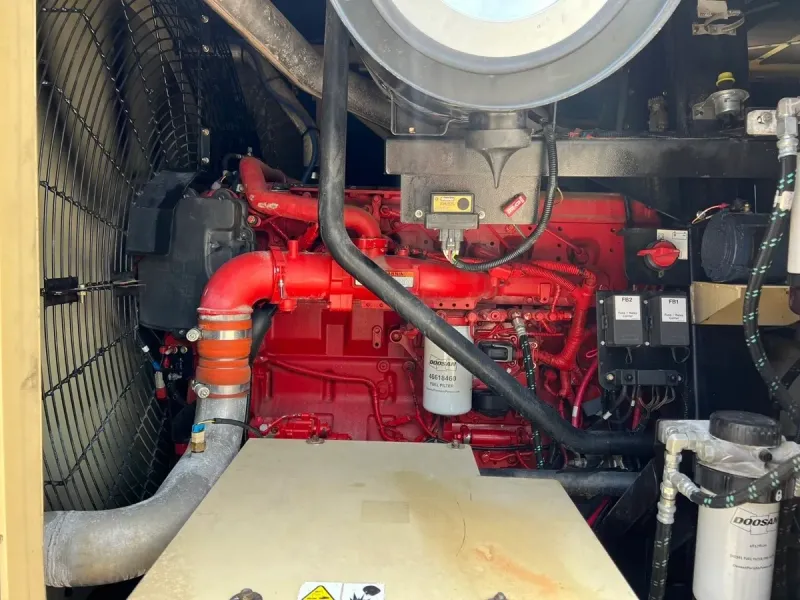
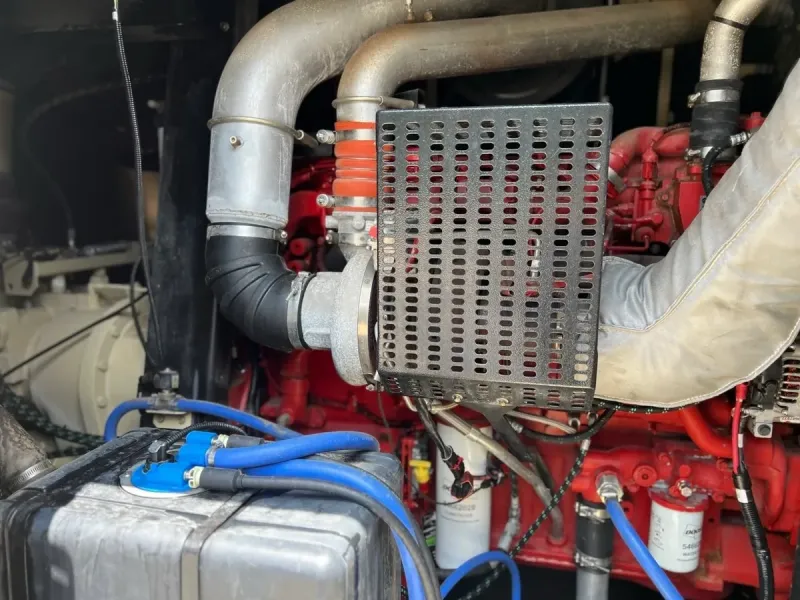
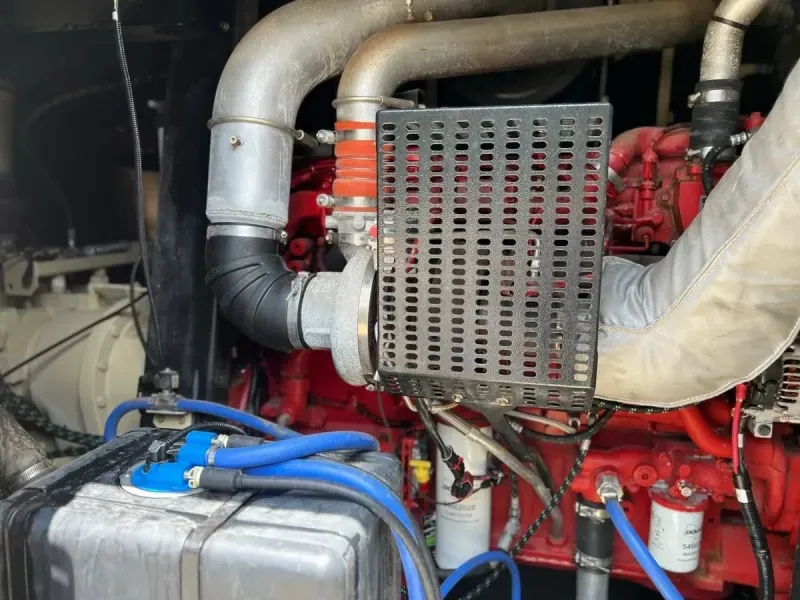
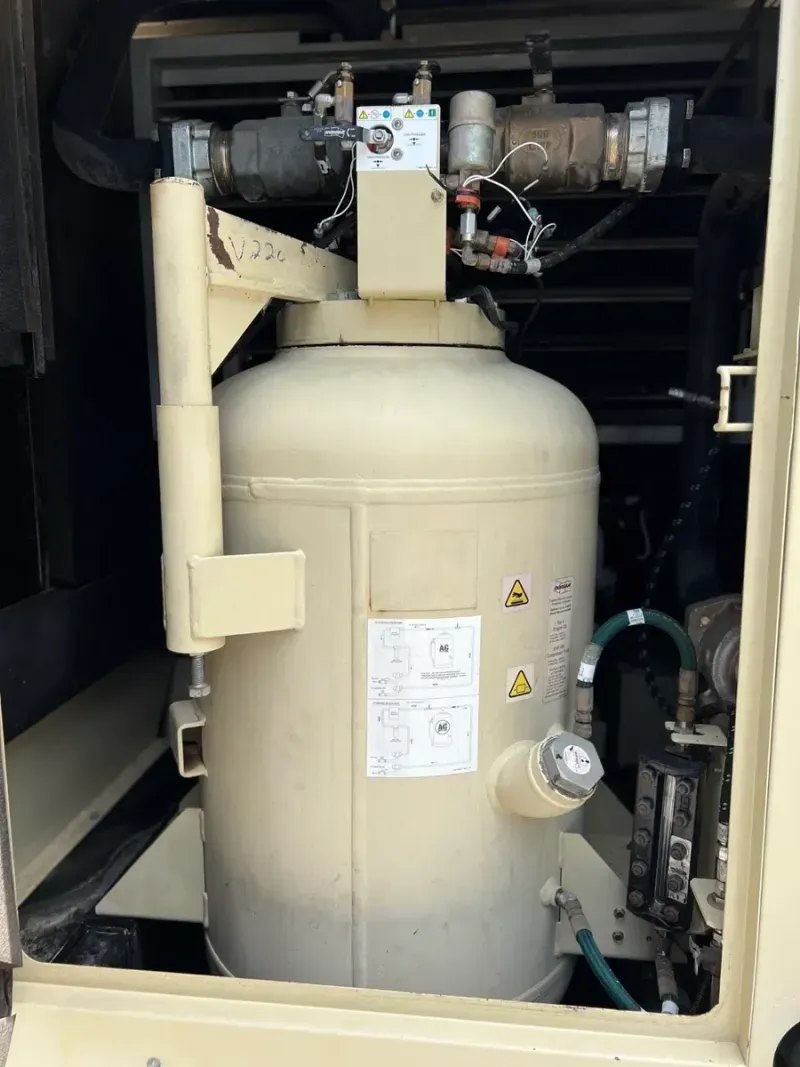
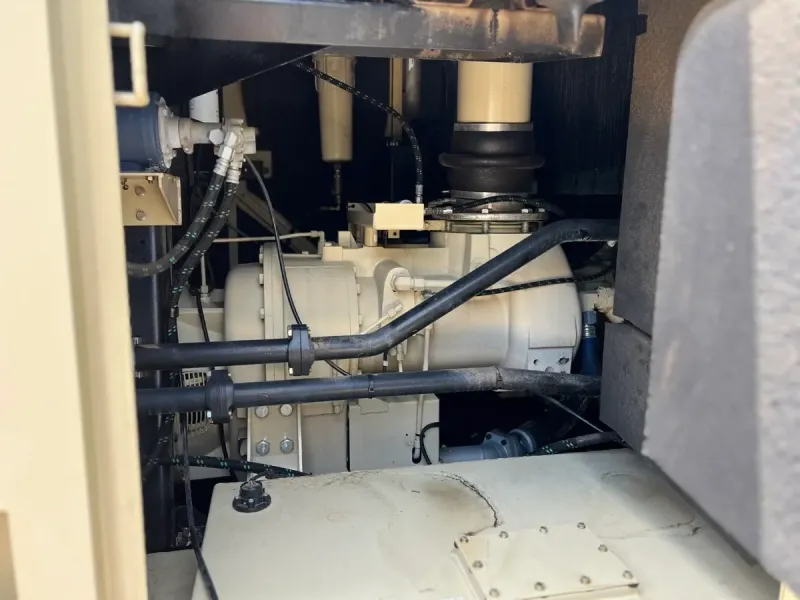
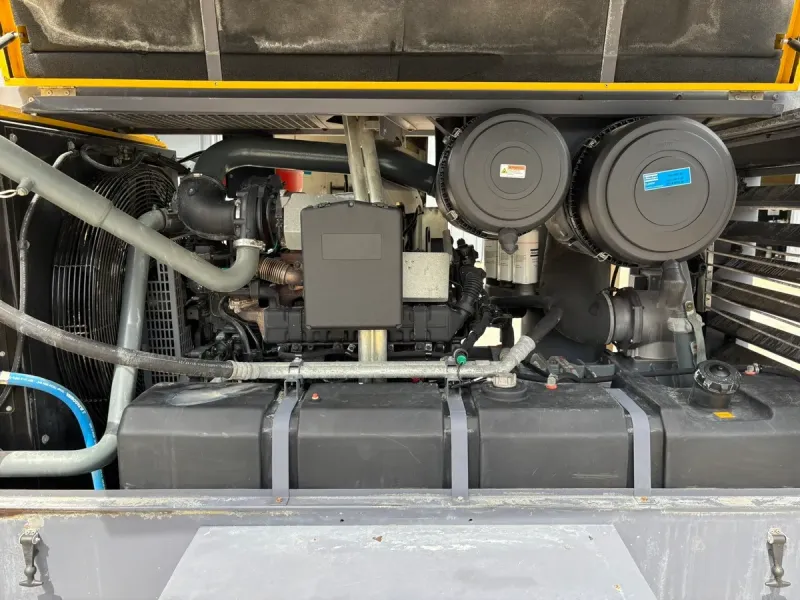
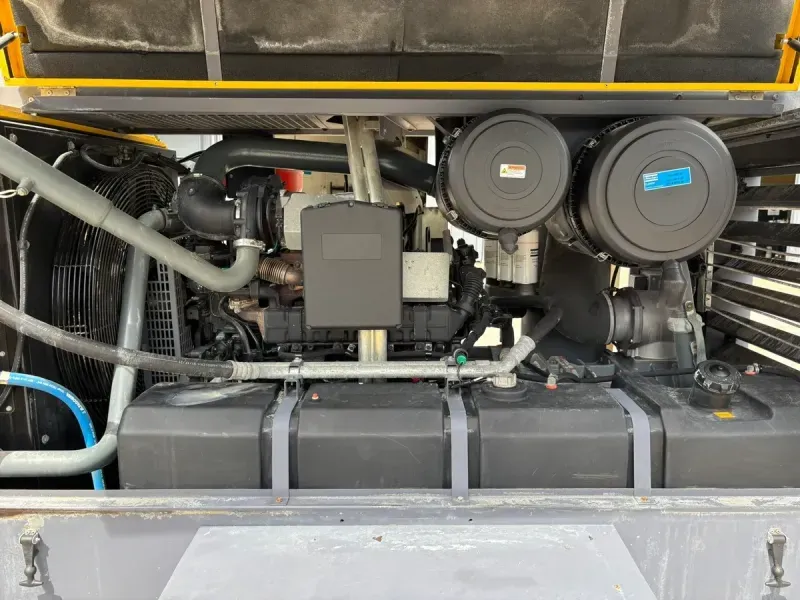
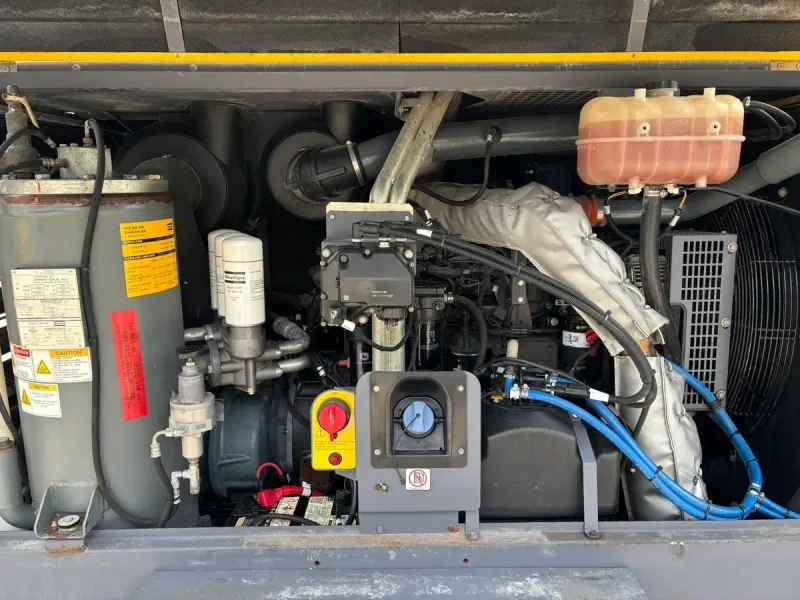
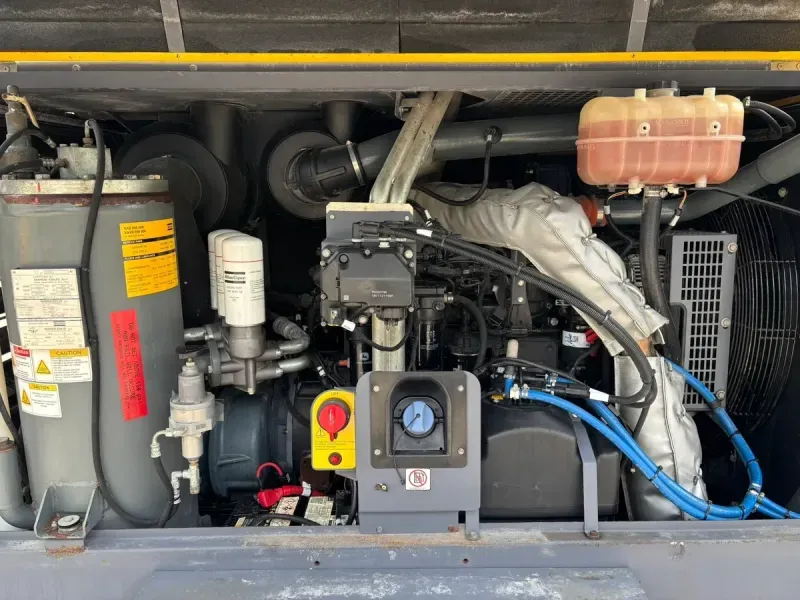
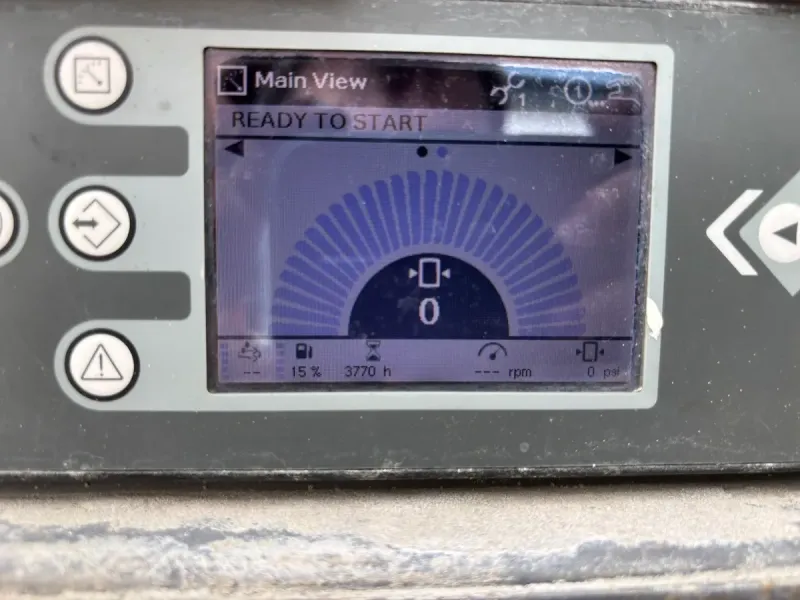
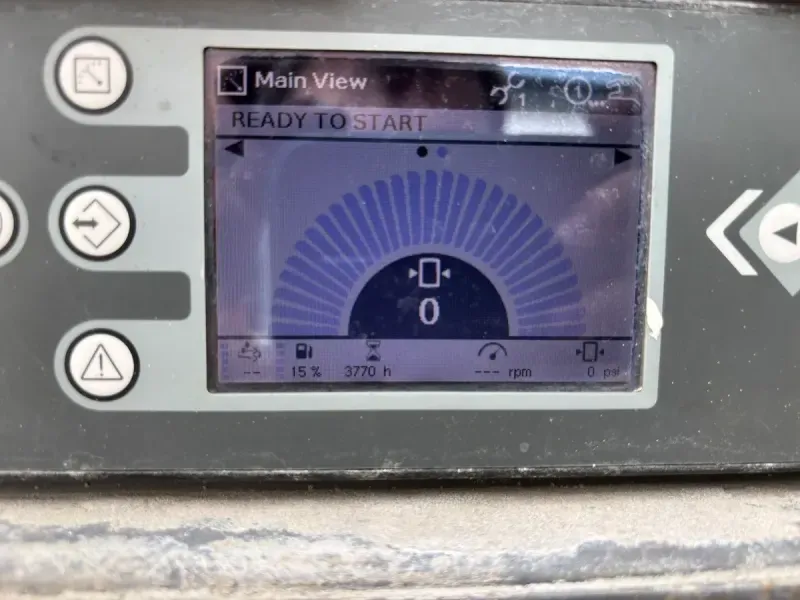
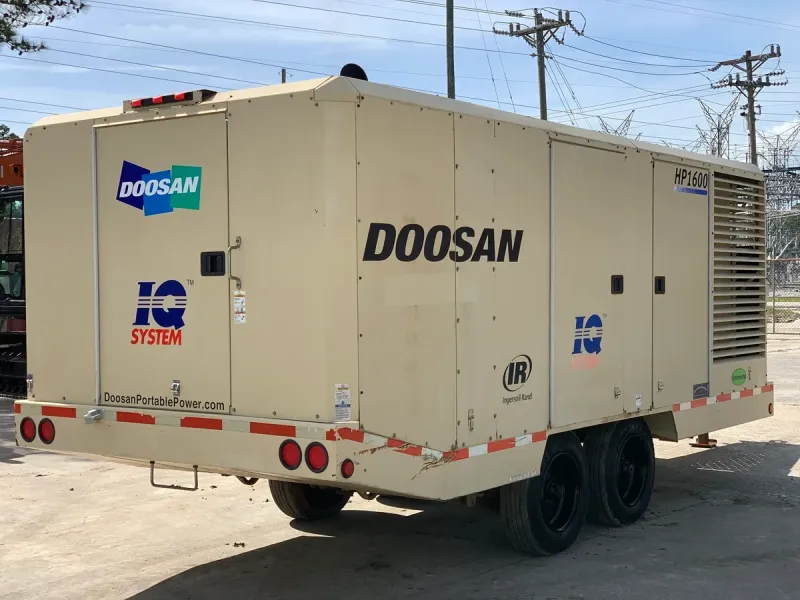
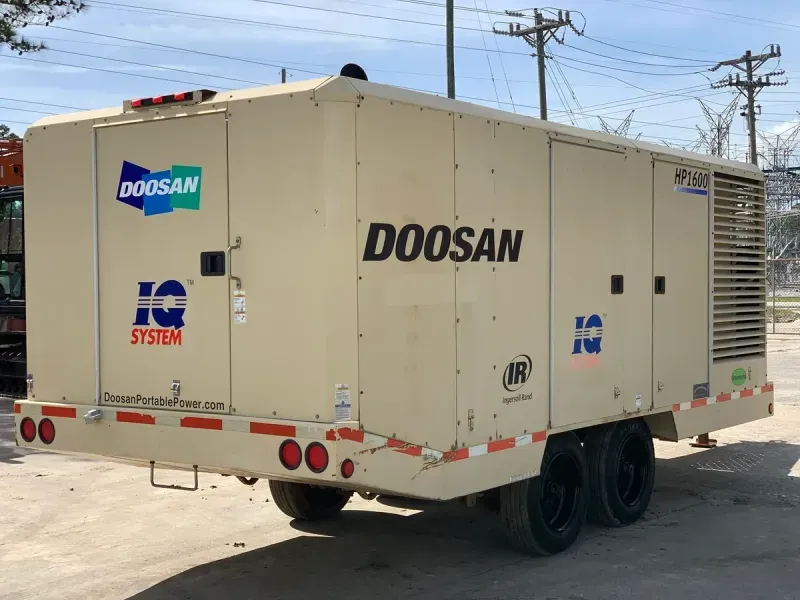
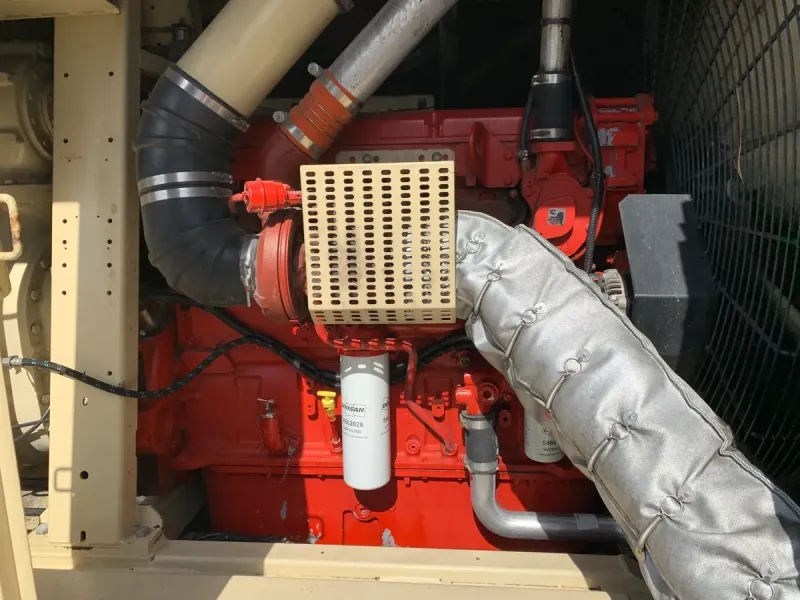
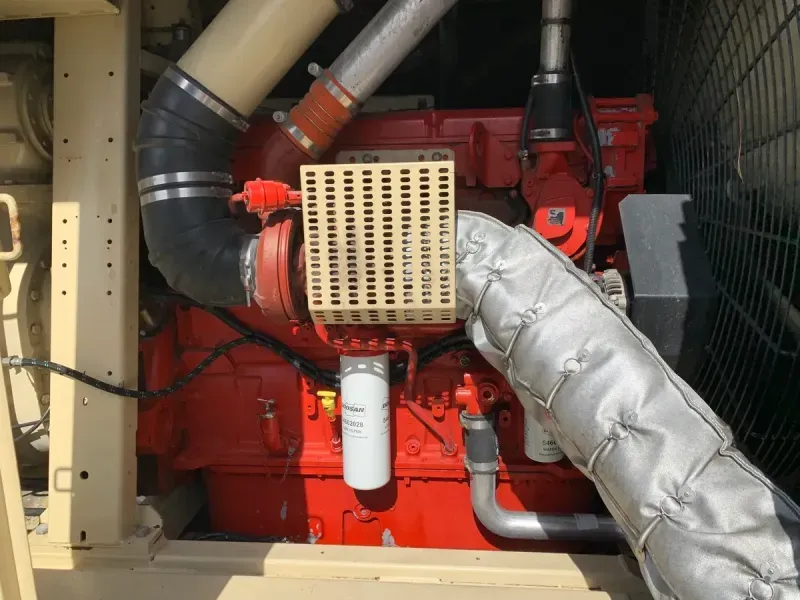
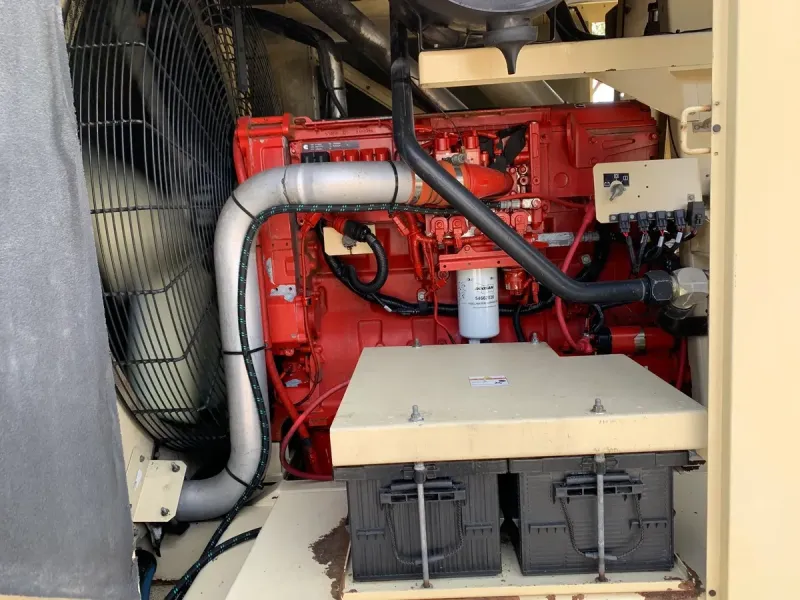
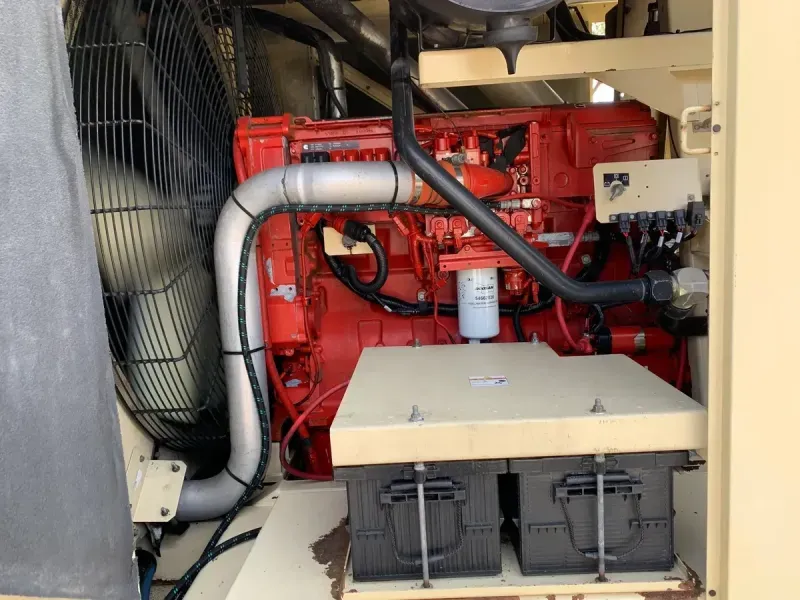
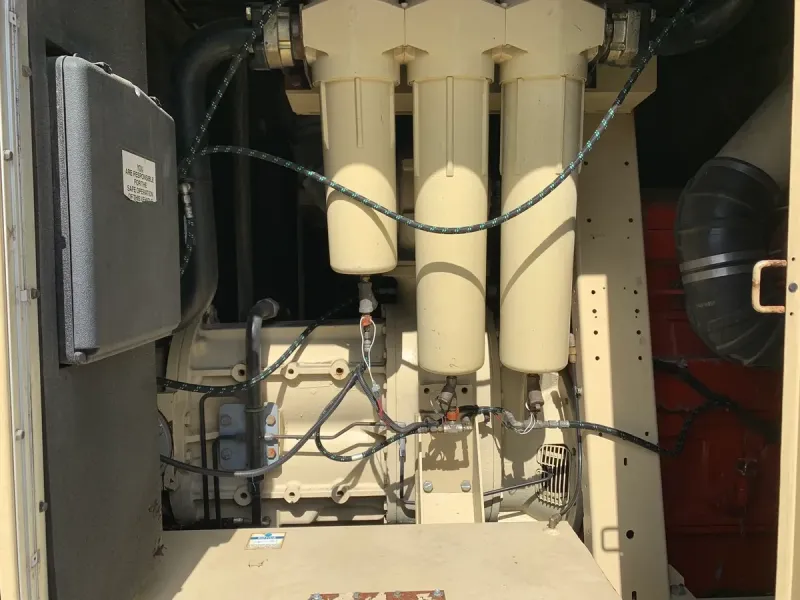
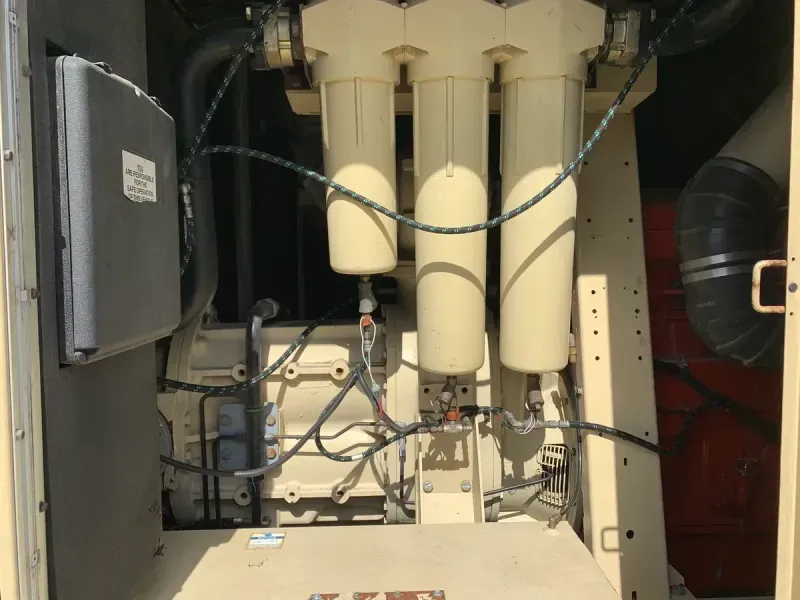
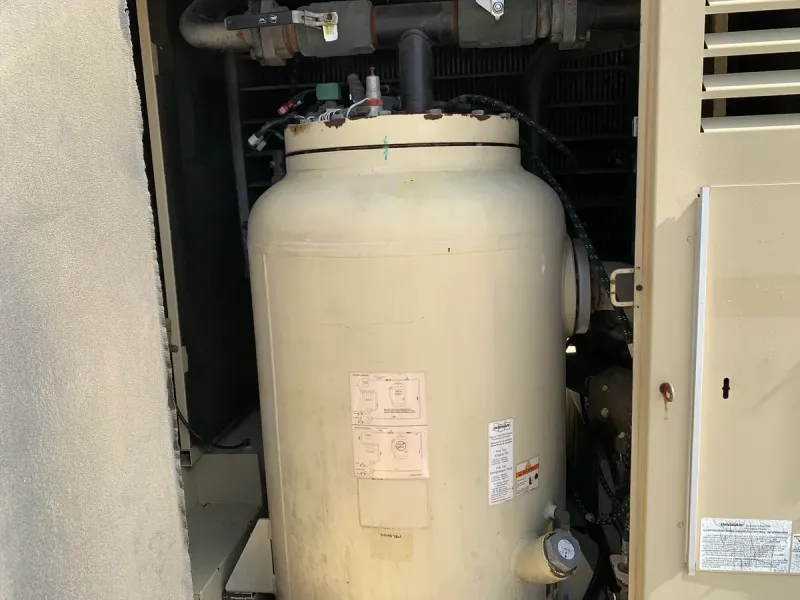
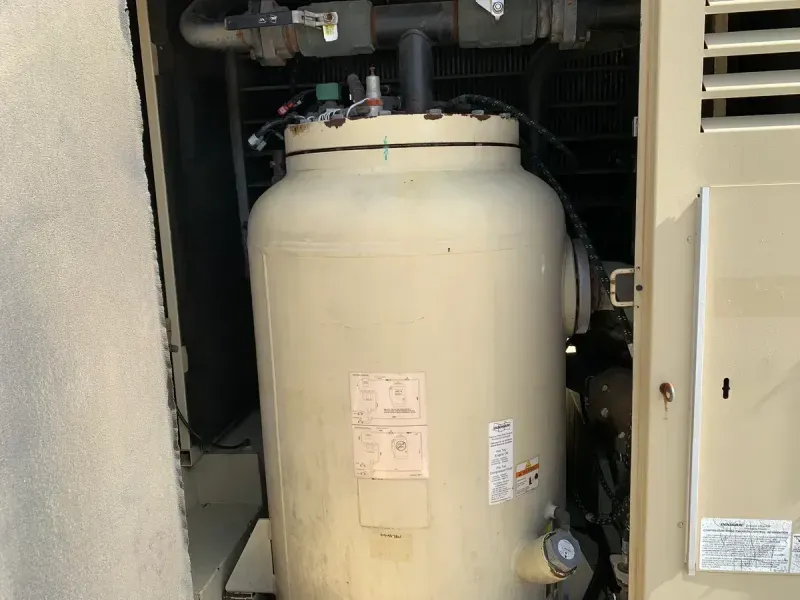
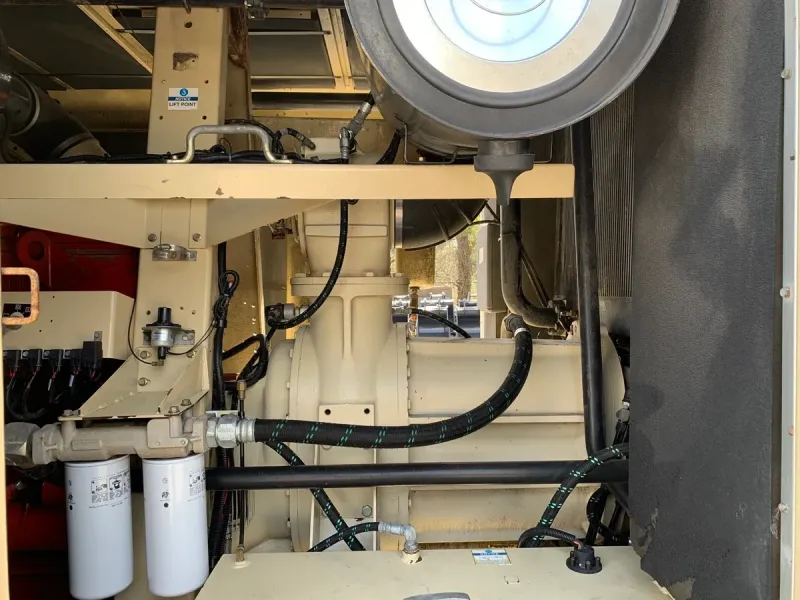
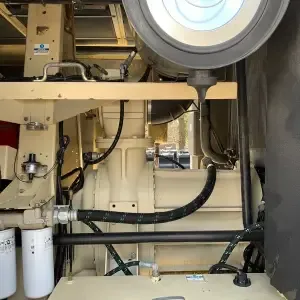
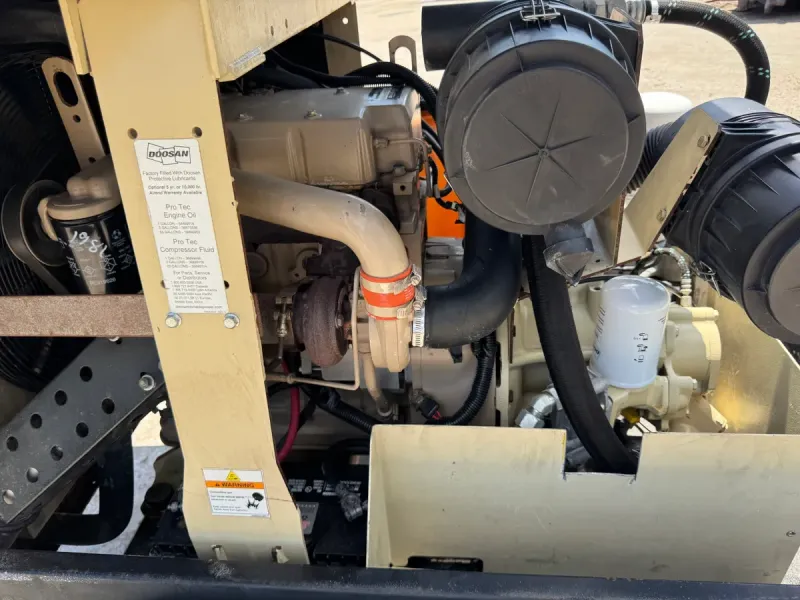
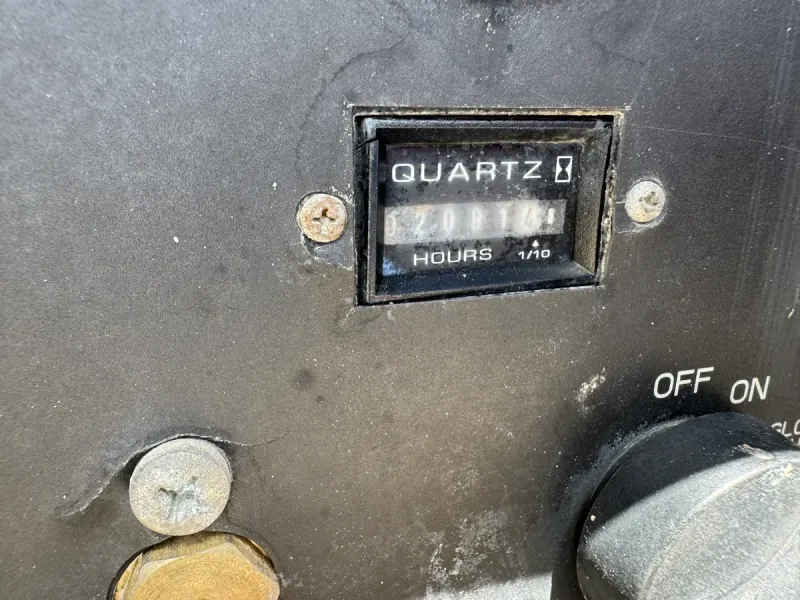
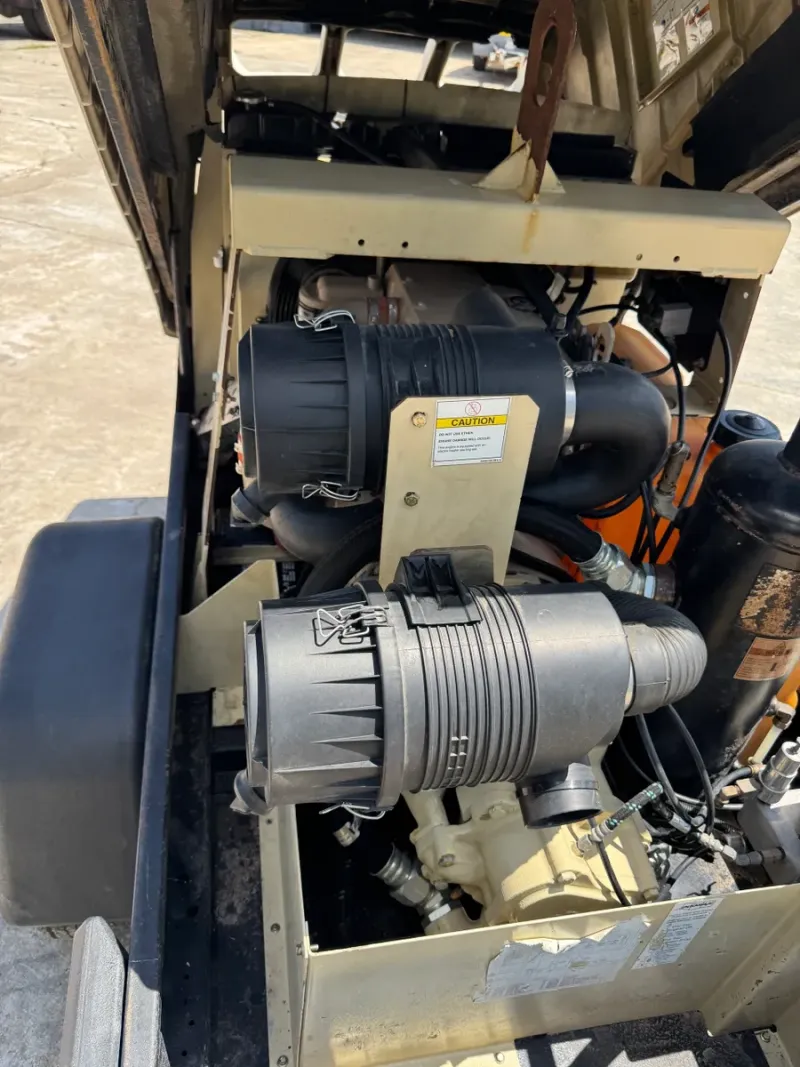
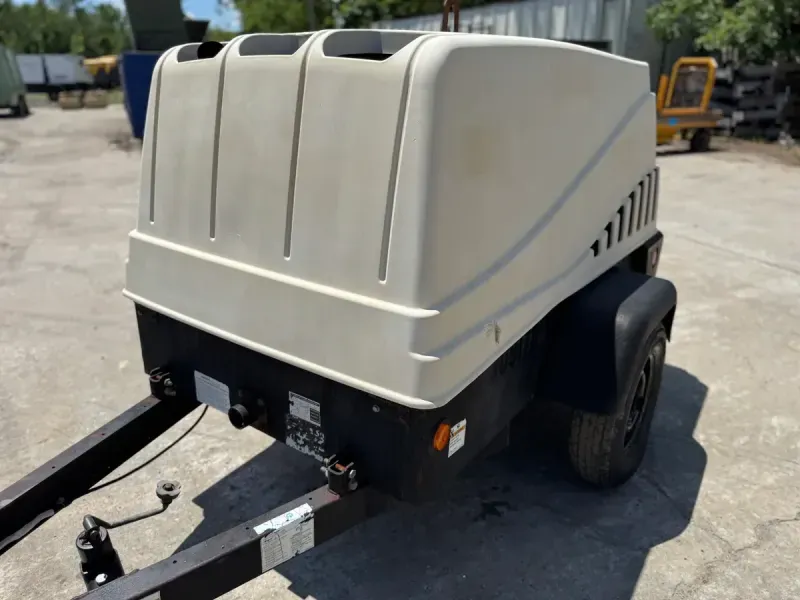
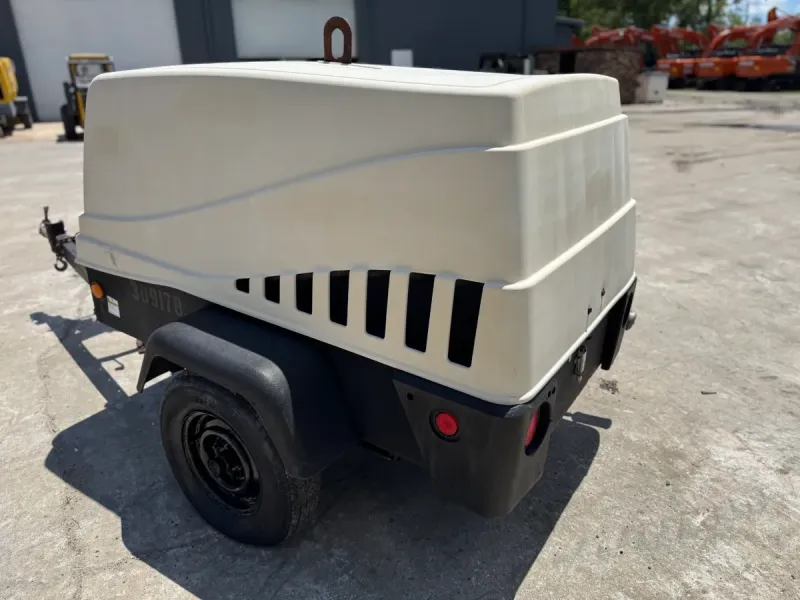
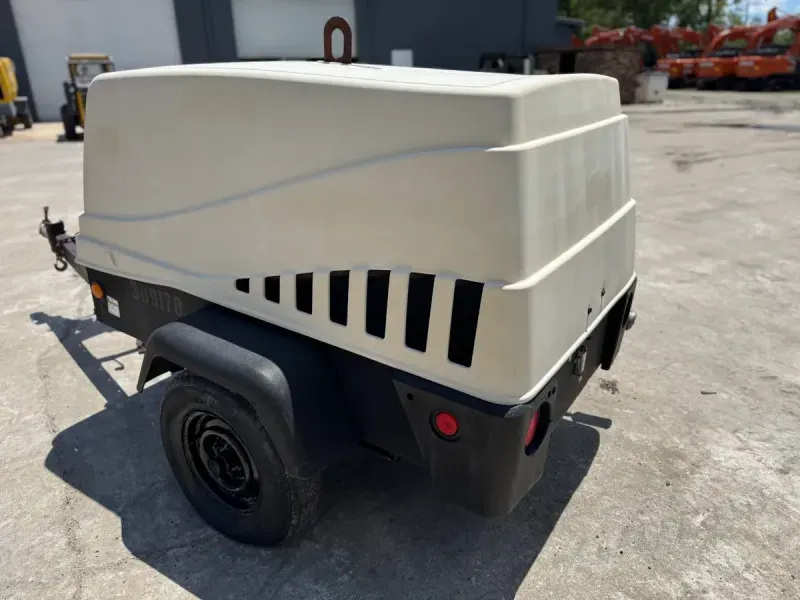
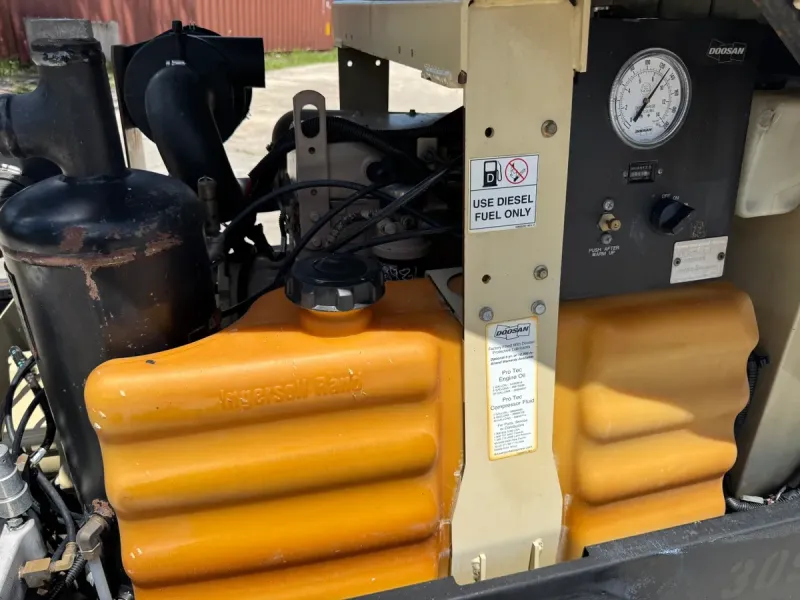
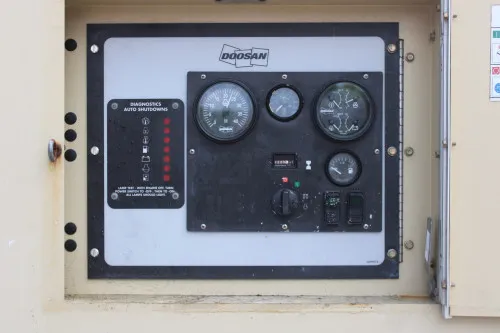
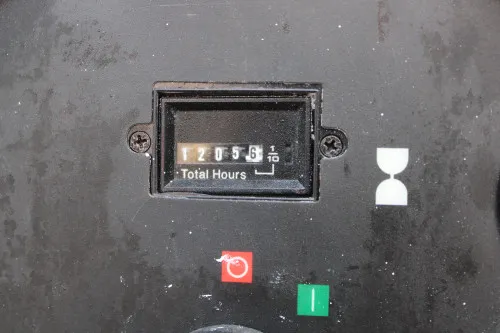
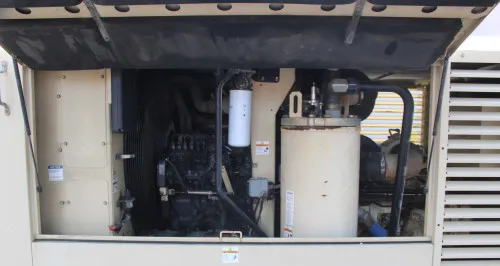
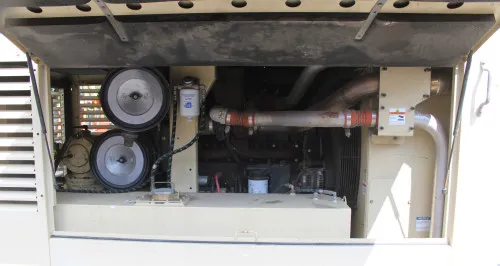
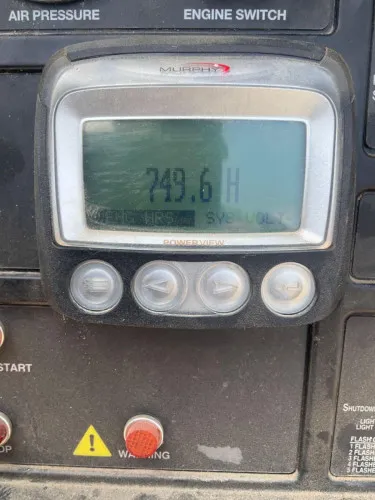
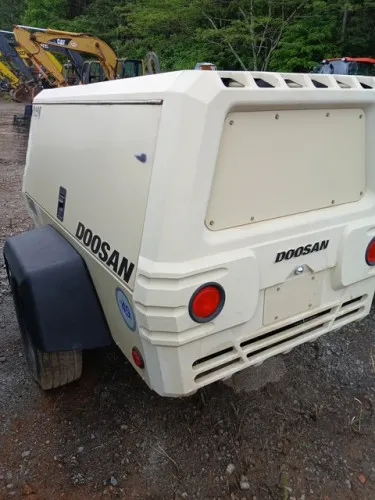
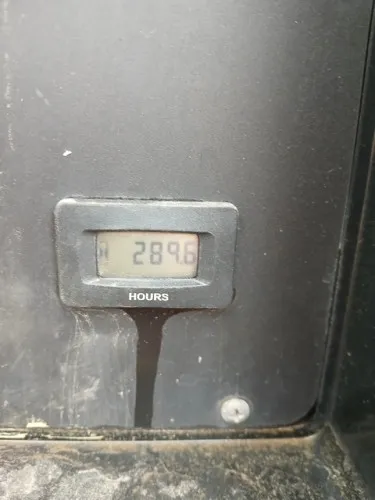
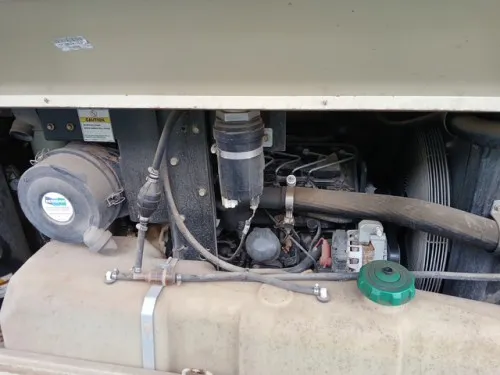
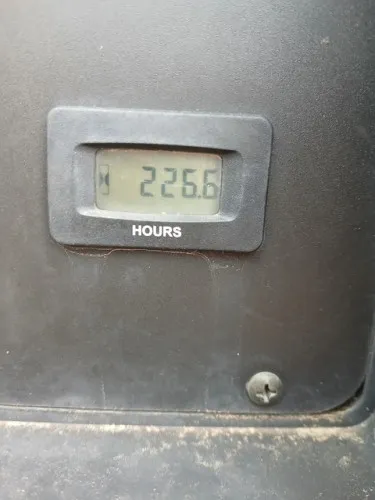
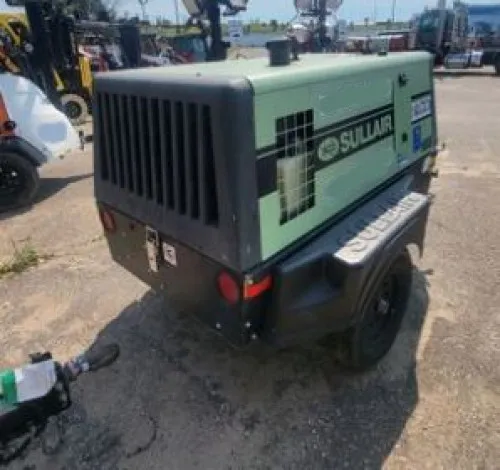
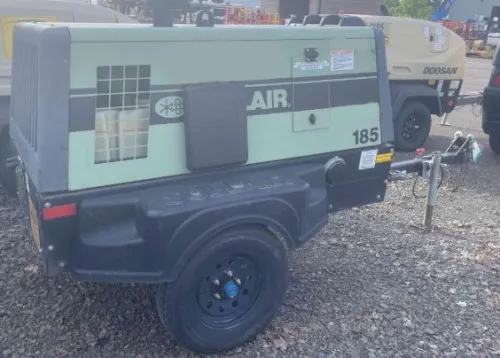
Review the engine, compressor oil system, safety valve and trailer before making an offer. Check the hour meter and service records, and look for oil carryover in the discharge air, which can point to a worn separator element. Inspect belts, hoses, coolers and the fuel and water separator, and confirm the safety valve is present and tested. Run the compressor up to rated pressure, check that it holds and unloads correctly, and inspect the brakes, tires, lights and tow eye.
|
Asking prices for air compressors on MachineryList currently range from $9,000 to $59,900, across 22 listings that show a price. The equipment market changes constantly as machines sell and new ones are listed, so treat this as a starting point, not a quote. Year, hours, condition and options move the price most.
Atlas Copco recommends sizing for the peak combined CFM of all tools that may run at the same time. Its reference table lists an impact wrench at 3 to 5 CFM and an air grinder at 4 to 8 CFM at 90 to 120 PSI, and a sandblaster at 6 to 25 CFM. Leave a margin for hoses.
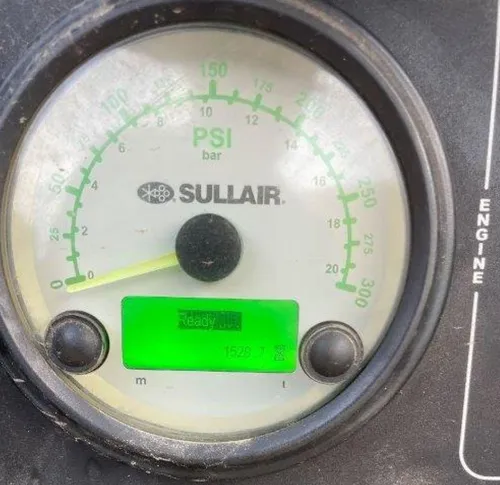
CFM is how much air the compressor delivers per minute, and PSI is the pressure it delivers it at. Ratings go together: Bobcat lists its PA825V at 825 cfm at 125 psi or 750 cfm at 150 psi. Match both numbers to your tools.
Tier 4 Final is the EPA emissions standard for newer diesel engines. Sullair explains that compliant compressors use aftertreatment such as a diesel oxidation catalyst, diesel particulate filter and selective catalytic reduction, which uses diesel exhaust fluid. Ignored warnings can cause the engine to de-rate.
Sullair advises a break-in service at 50 hours, cooler inspection at 100 hours and, on oil-flooded units, compressor oil and separator element changes every 1,500 hours, plus daily fluid checks and draining the fuel and water separator. Follow the manual for your model.
OSHA requires hoses over 1/2 inch inside diameter to have a safety device at the source of supply or branch line to reduce pressure if a hose fails. Do not exceed the manufacturer's safe operating pressure, and never hoist tools by the hose.
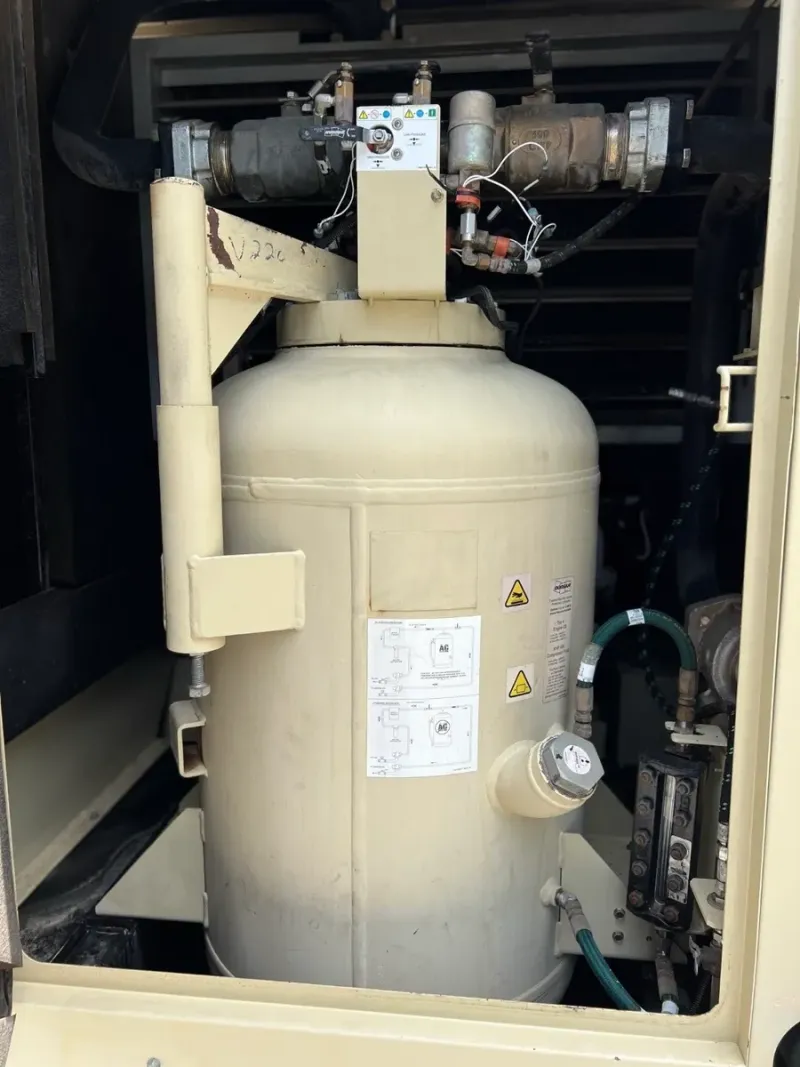
Yes. Air receivers need spring-loaded safety valves that keep pressure from exceeding the maximum allowable working pressure by more than 10 percent, with no valve between the receiver and its safety valve, according to OSHA. Test safety valves regularly and check them on any used unit.