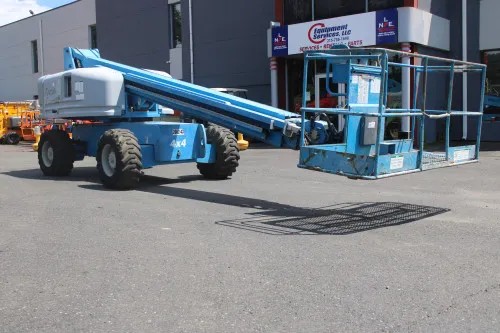
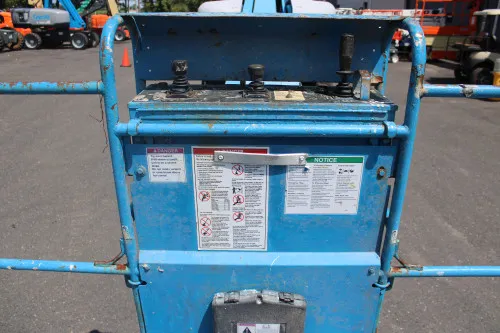
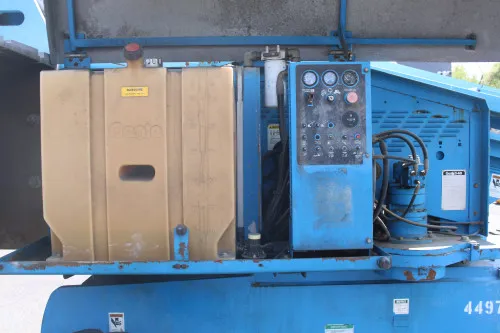
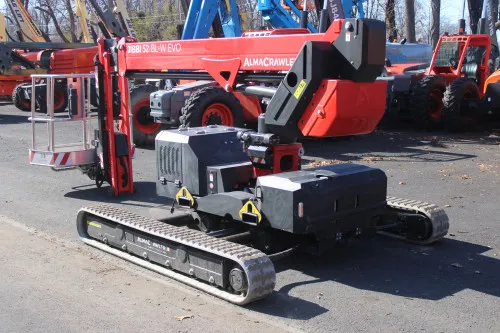
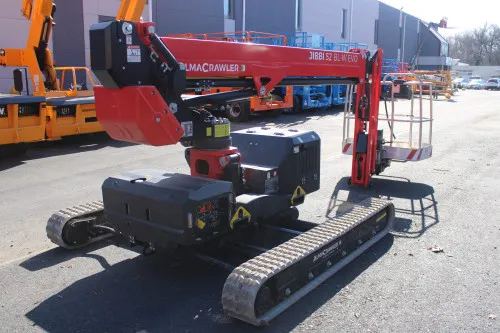
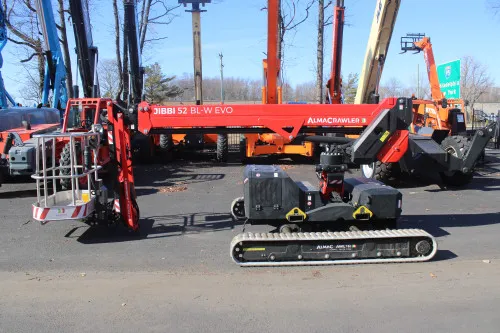
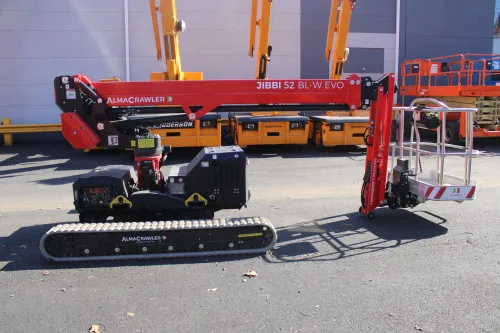
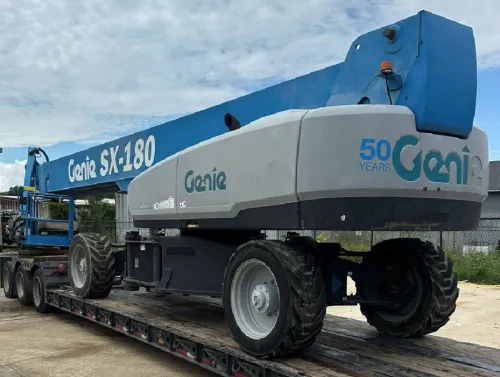
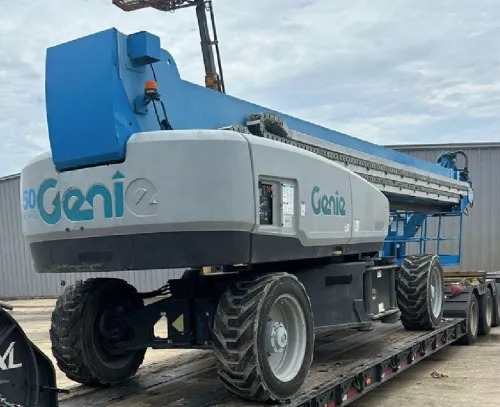
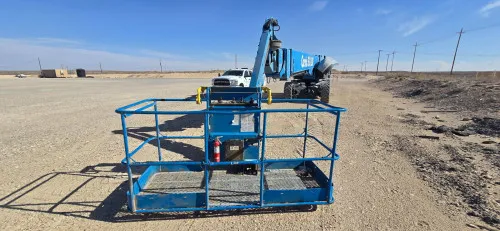
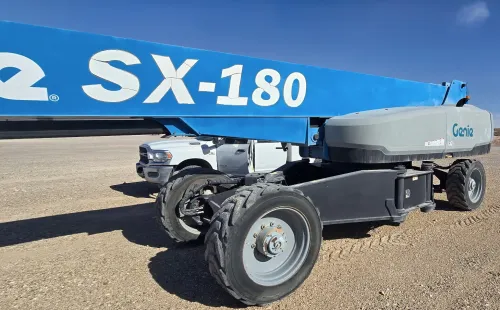
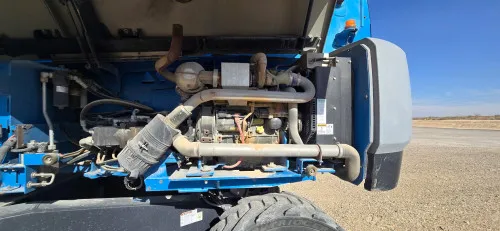
491 boom lifts for sale
Buying guide
How to compare articulating, telescopic and towable boom lifts by working height, outreach and platform capacity, choose power and drive, and inspect a used boom.

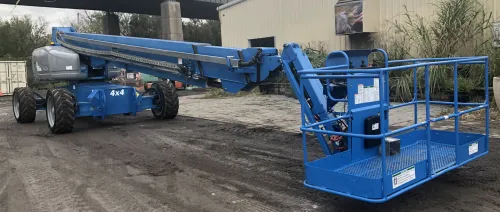
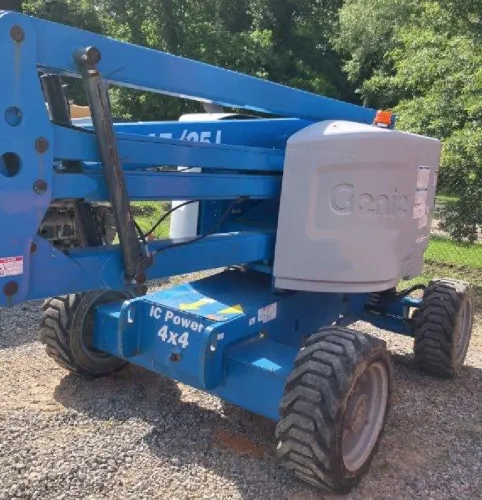
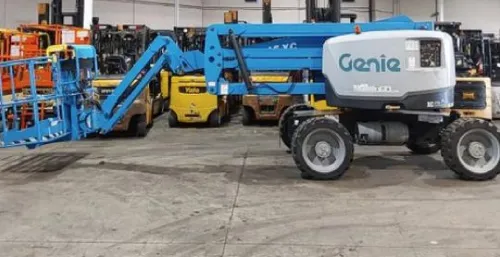
A boom lift is a mobile elevating work platform that carries workers and tools in a basket at the end of a hydraulic boom. Crews use them for construction, steel erection, painting, glazing and building maintenance, where a ladder or scissor lift cannot reach up and out far enough.
Start with the height and outreach you need, the obstacles in the way, the load in the basket and the ground or floor you work on. Then check the exact machine's working envelope, power, drive and inspection history. Decide between an articulating, telescopic or towable boom first, then use the questions below to compare the boom lifts listed above.
| Buying question | What to look for |
|---|---|
| Do you need an articulating, telescopic or towable boom lift? |
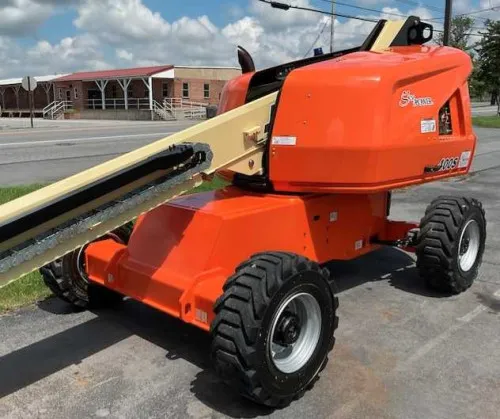
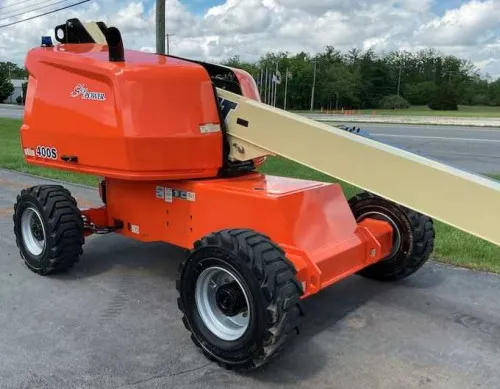
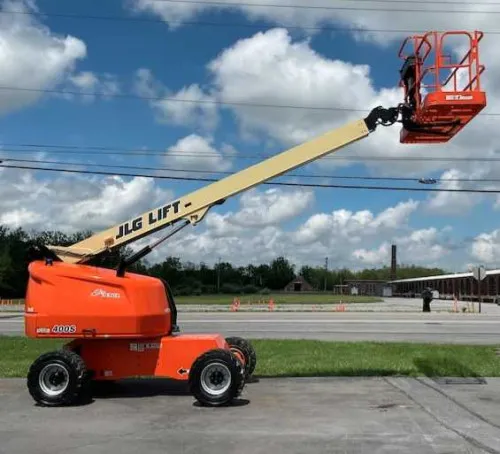
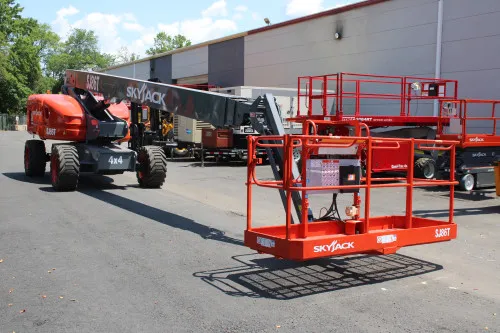
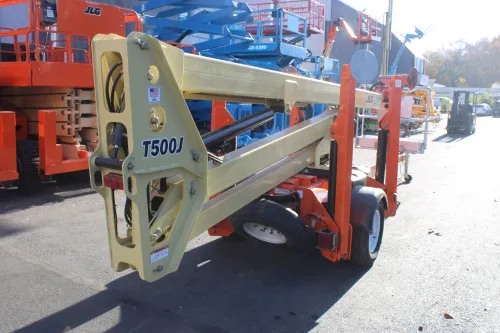
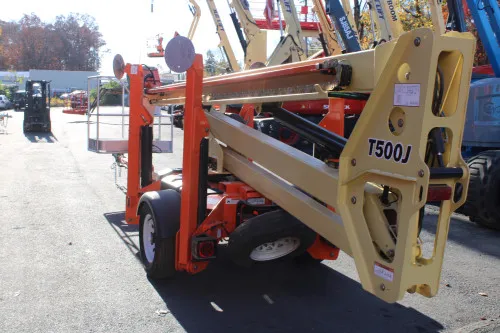
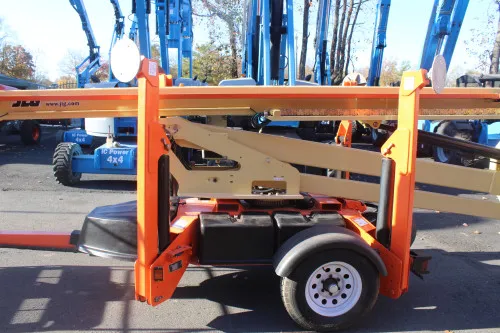
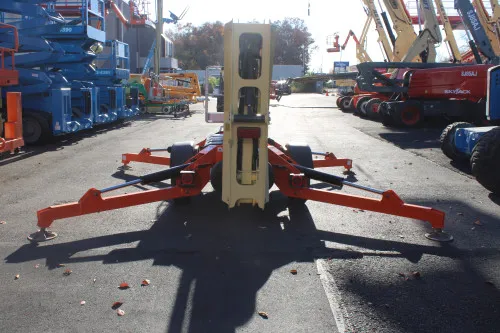
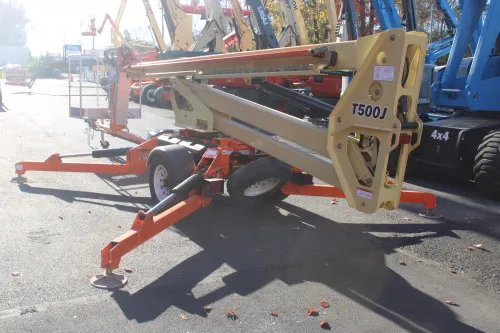
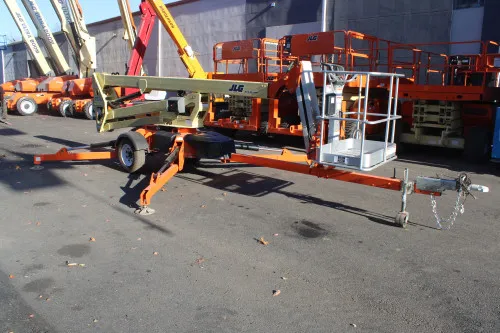
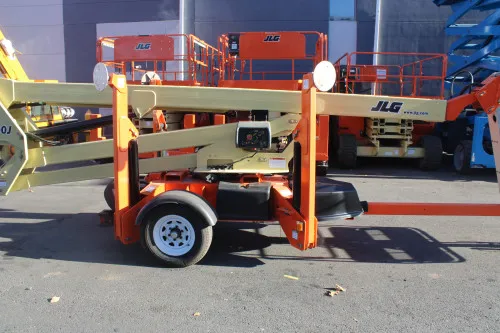
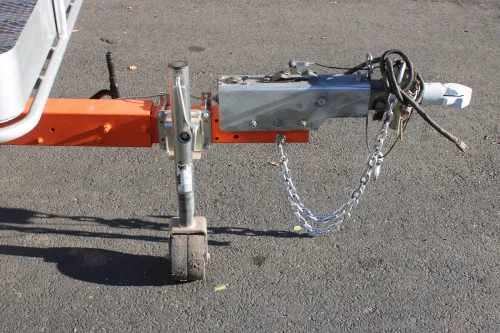
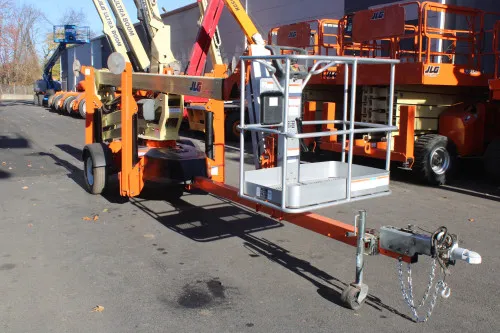
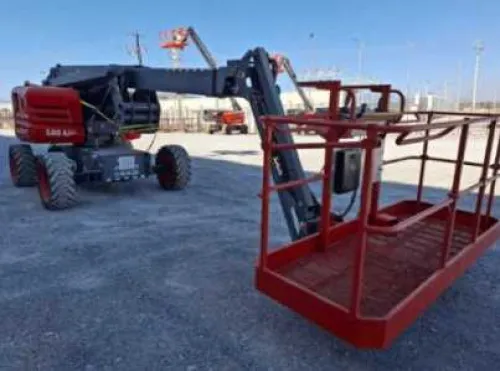
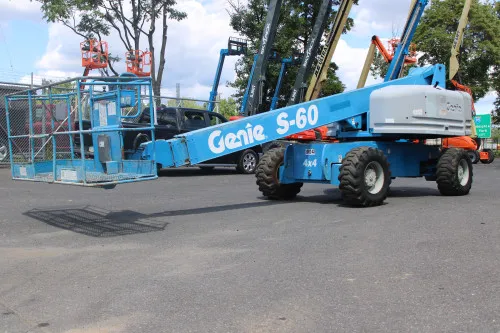
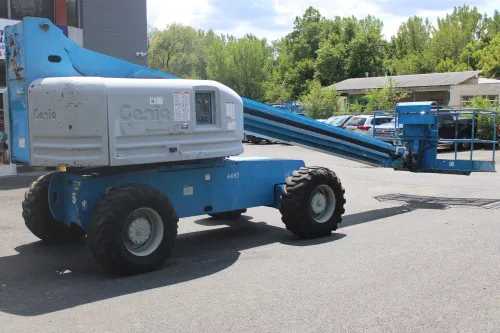
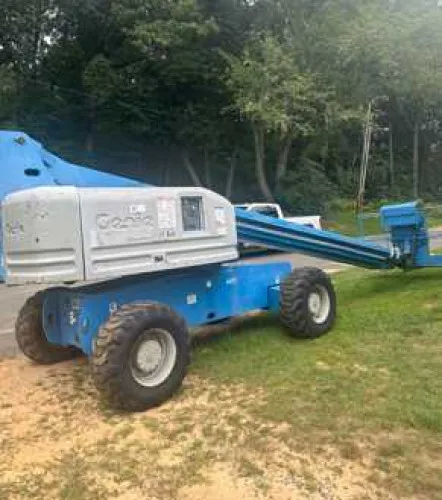
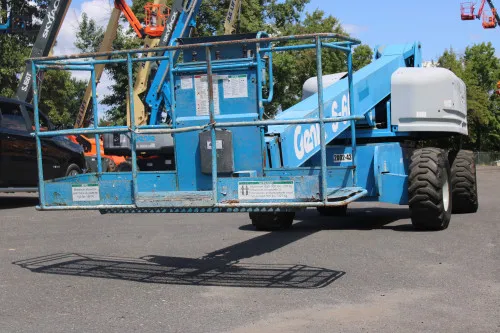
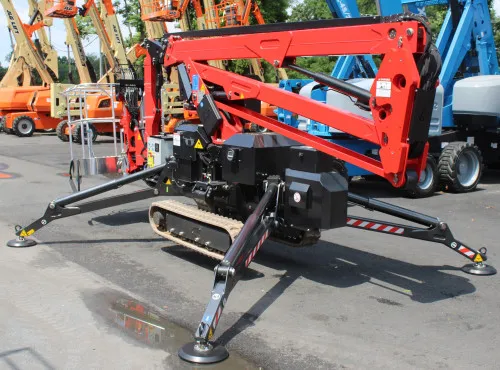
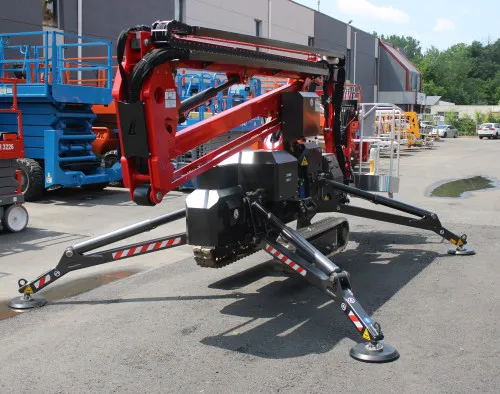
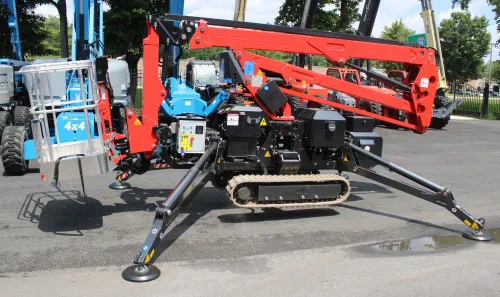
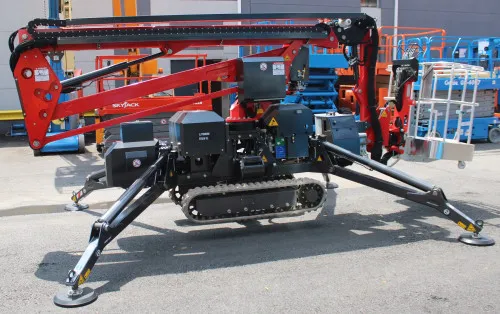
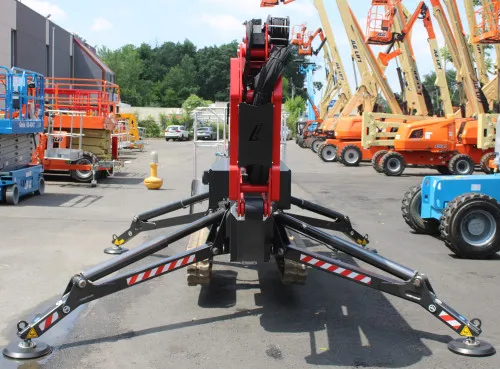
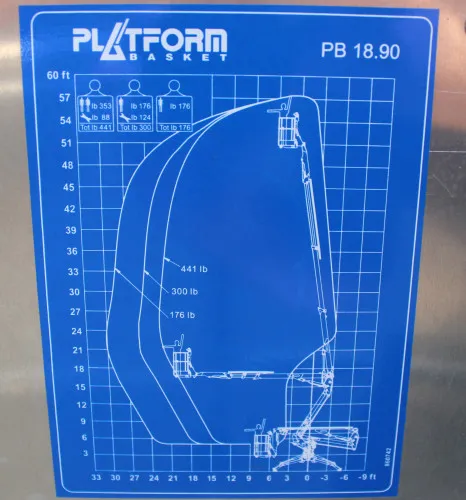
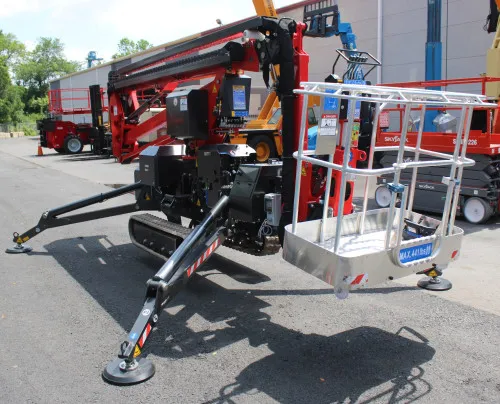
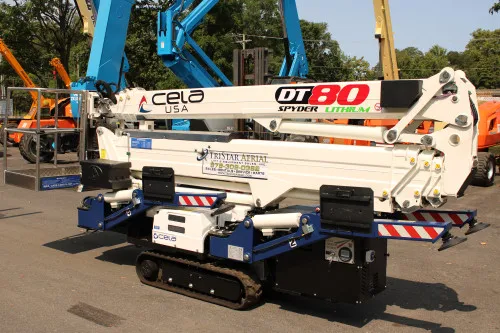
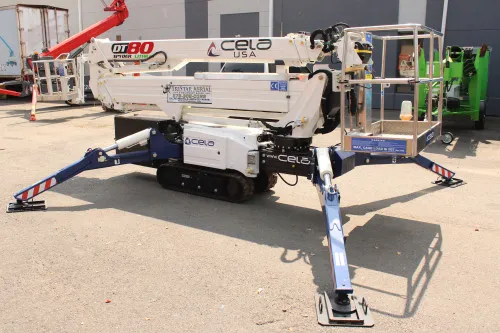
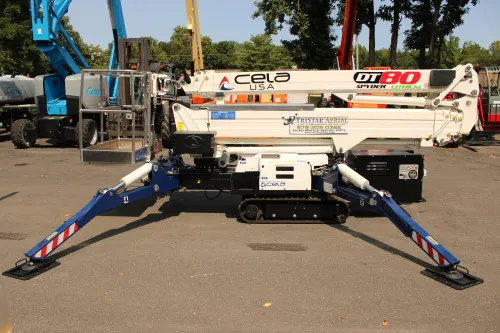
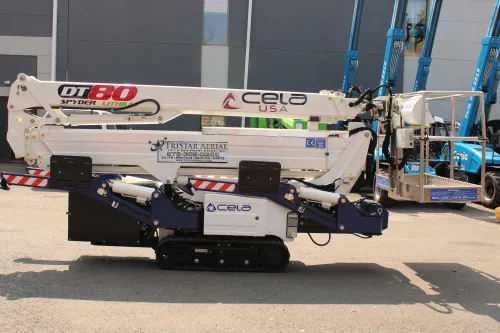
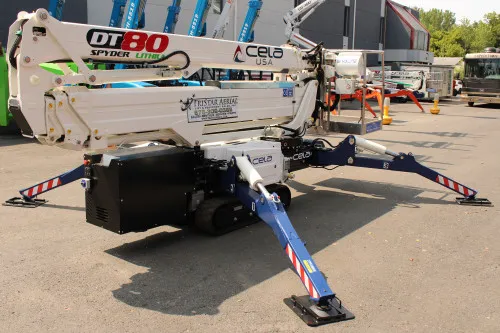
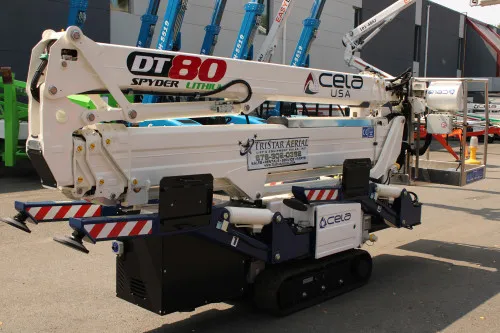
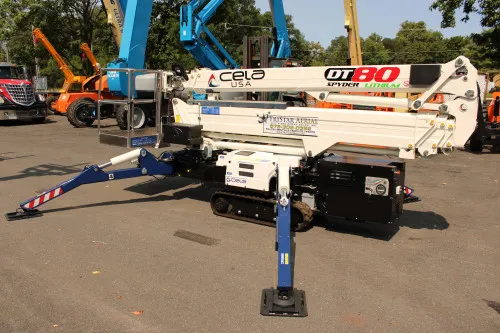
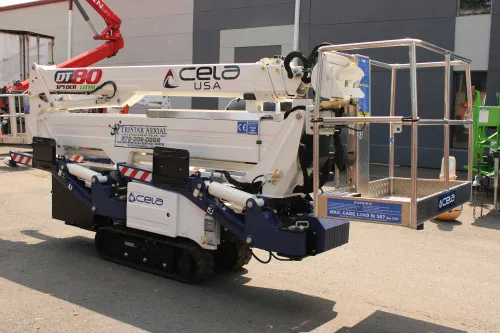
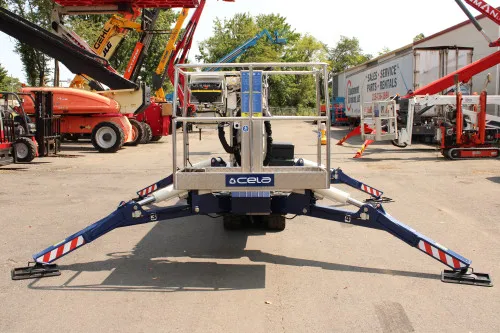
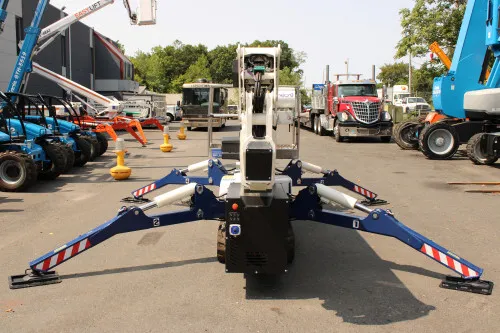
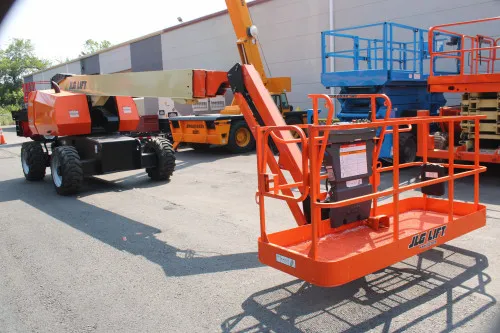
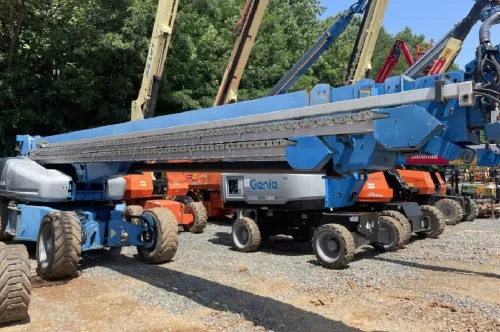
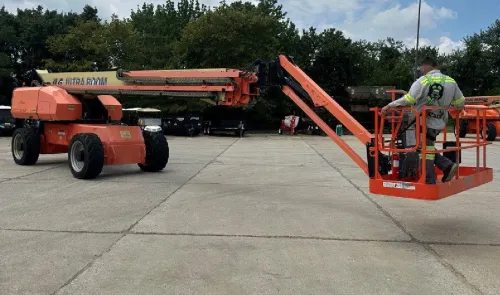
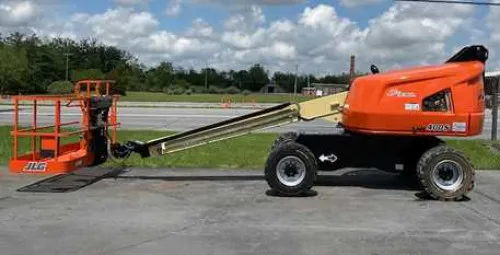
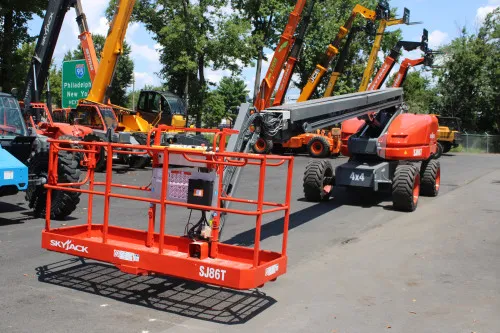
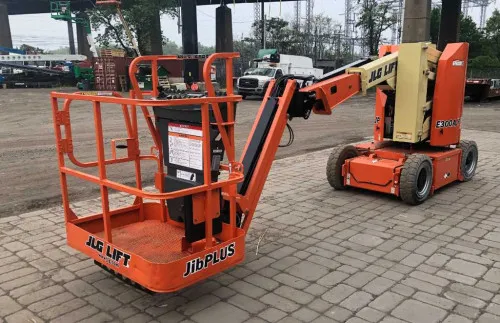
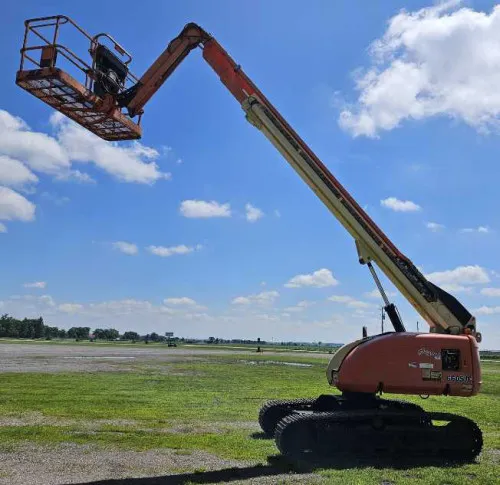
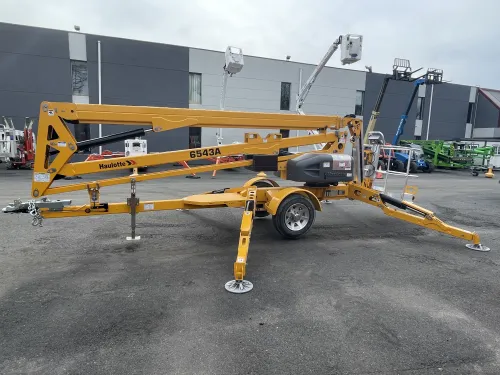
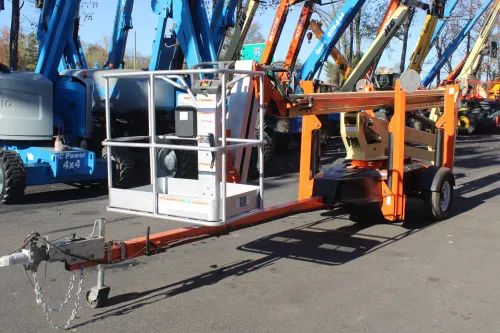
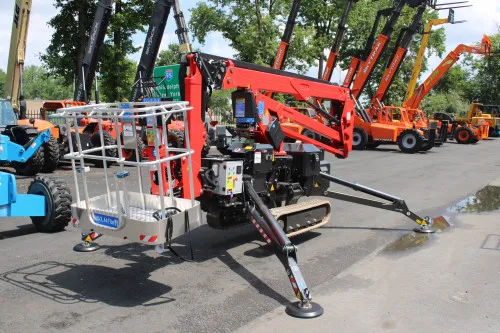
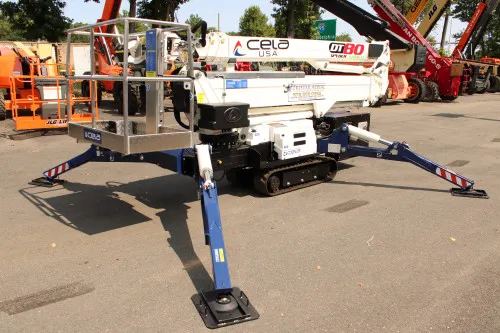
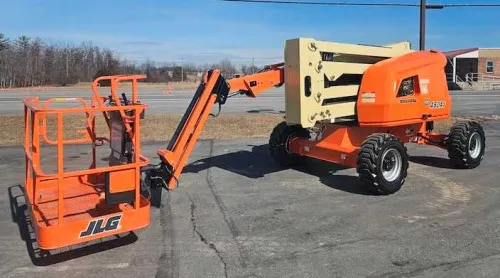
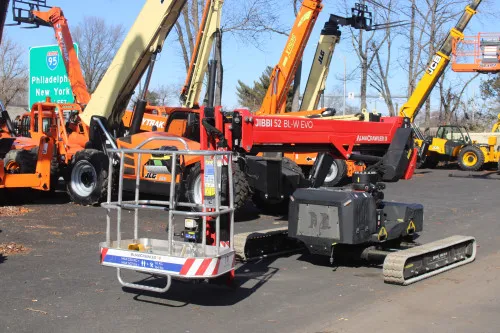
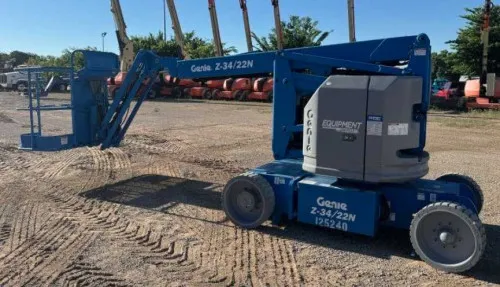
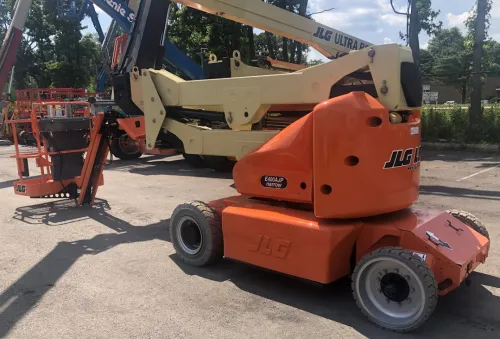
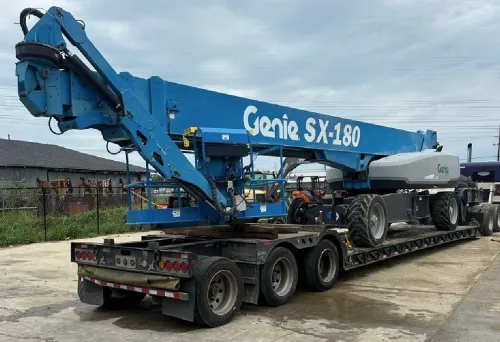
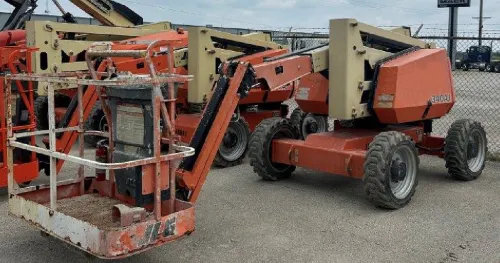
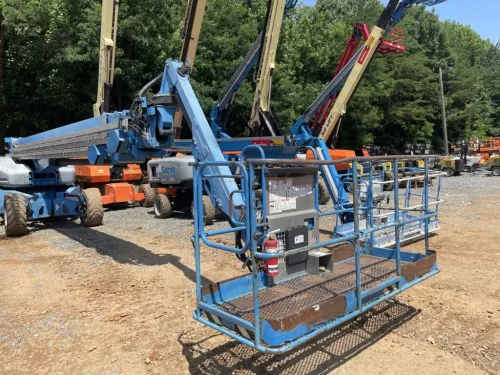
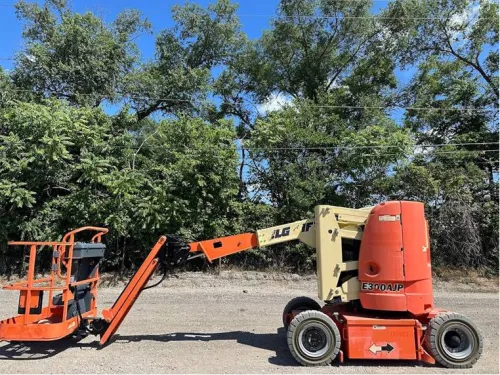
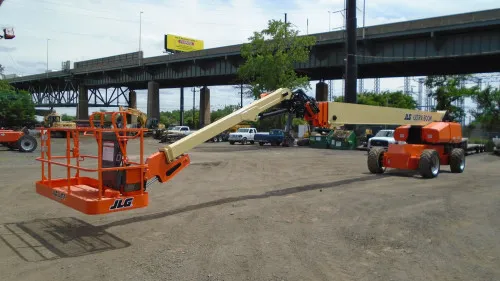
Choose the boom type by how you need to reach the work, not just how high. Articulating booms have knuckle joints that let the platform reach up and over obstacles such as rooflines, pipes and racking, and many add a short jib for fine positioning. Telescopic, or straight, booms extend in one line and give the most horizontal outreach for open sites and building faces. Towable booms ride on a trailer, set up on outriggers and suit lighter jobs spread across many locations. List the obstacles between the ground and the work, then compare the working envelope chart for each model. |
| How much height, outreach and platform capacity do you need? |
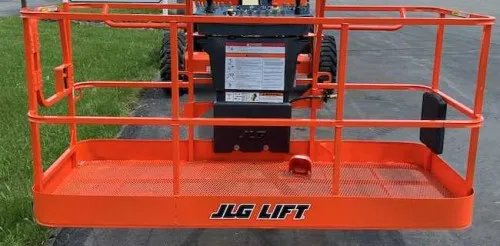
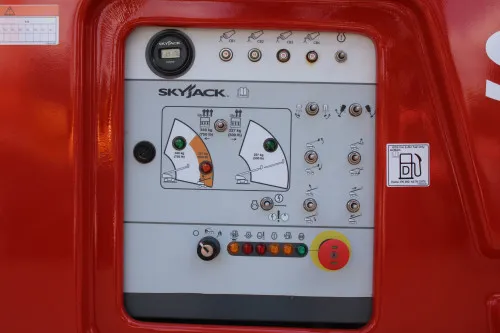
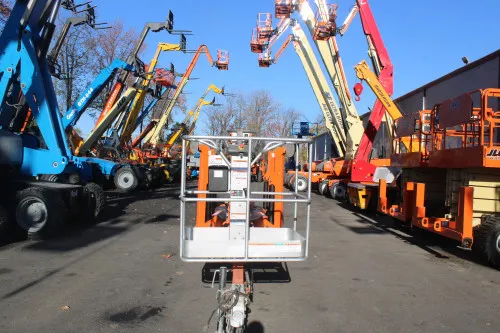
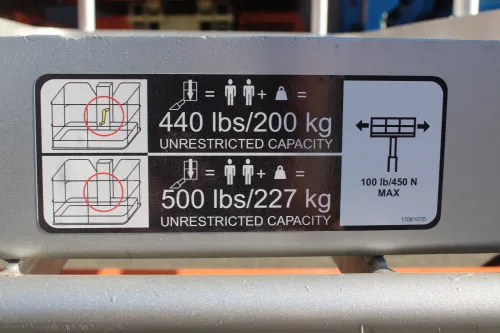
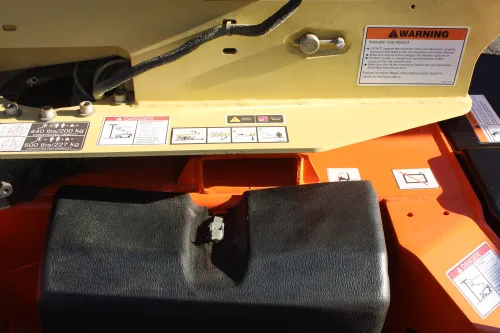
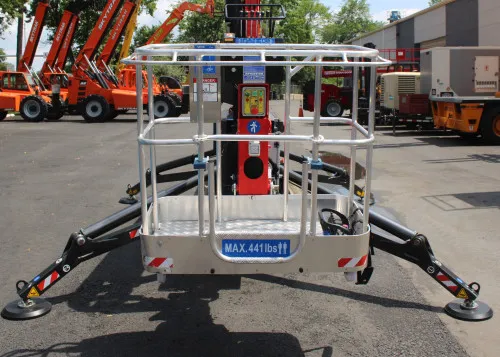
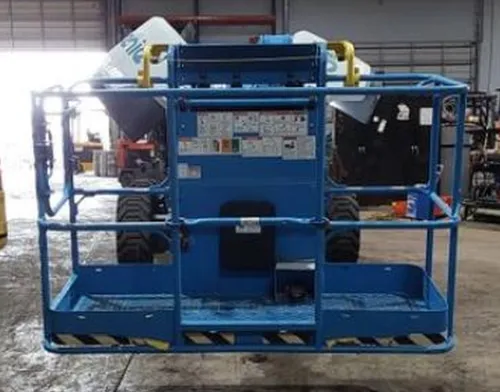
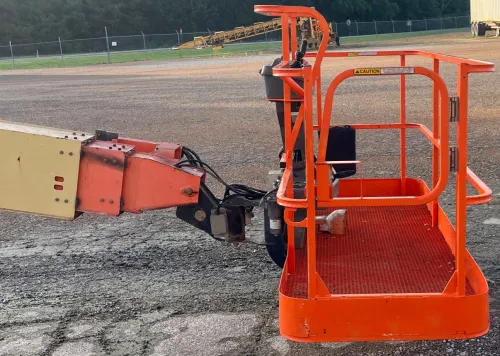
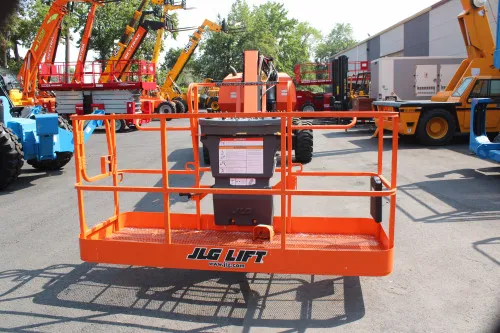
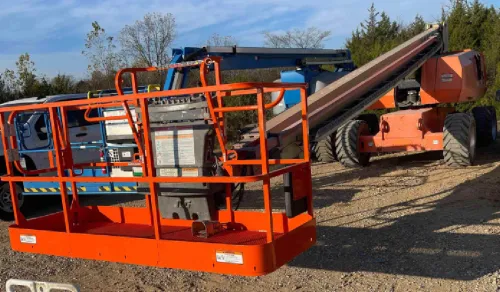
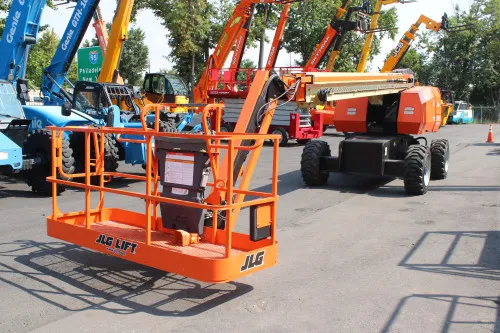
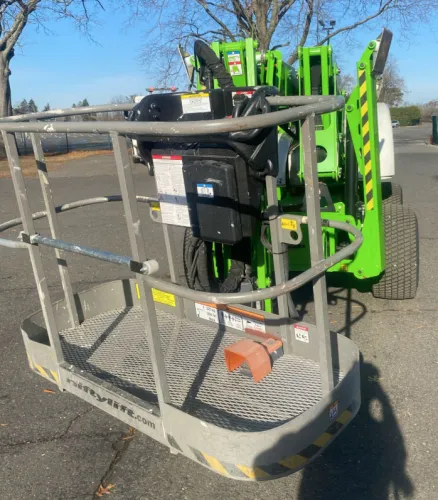
Size the boom lift from its working envelope at your real height and reach. Platform height is the floor of the basket, while working height adds an allowance for a person standing in it, so the two numbers differ on every spec sheet. Horizontal outreach is how far out the platform can go, and up and over clearance shows what the boom can clear. Many booms list an unrestricted capacity for the whole envelope and a higher restricted capacity that applies only within the limits shown on that model's capacity chart. Add up the people, tools and materials you will carry, and confirm the capacity decal on the platform matches the spec for that model. |
| Which power type and drive suit your jobsite? |
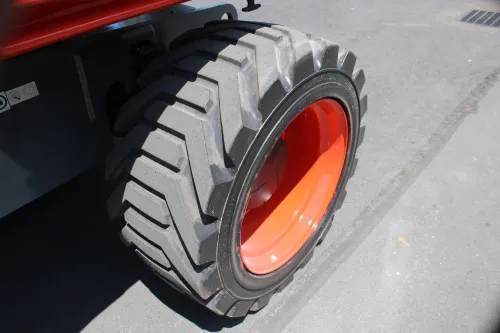
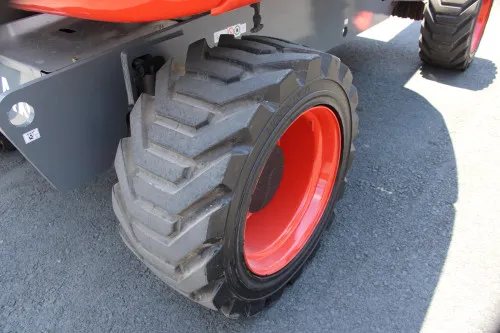
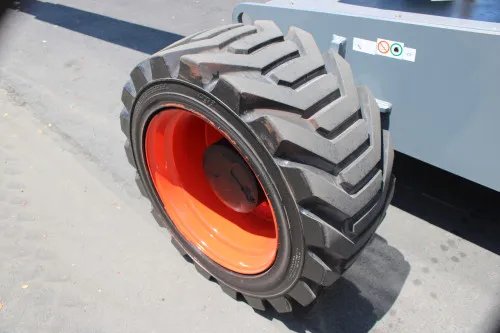
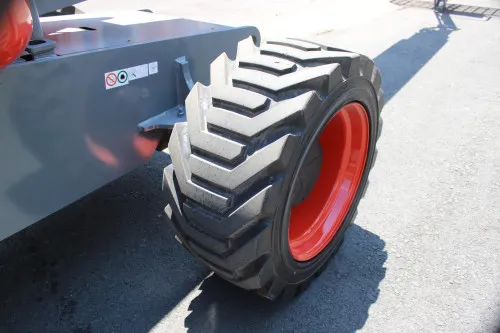
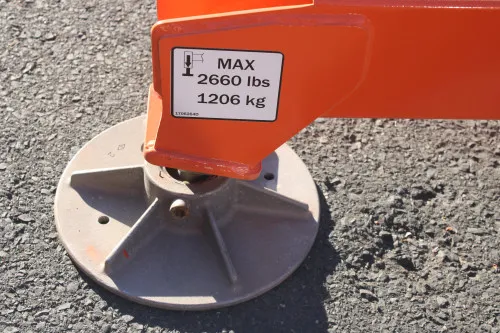
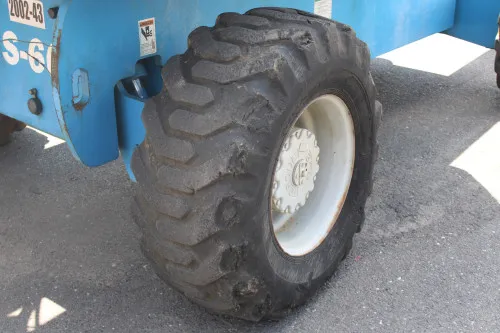
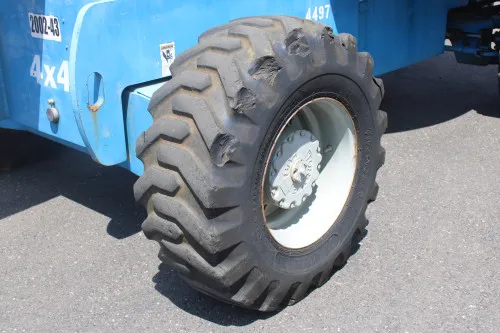
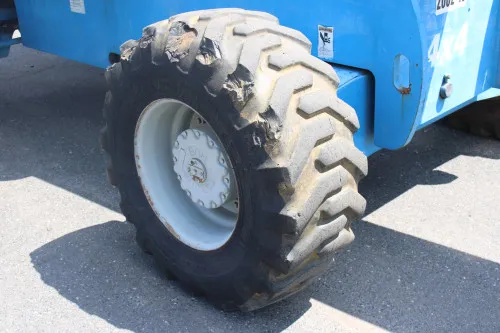
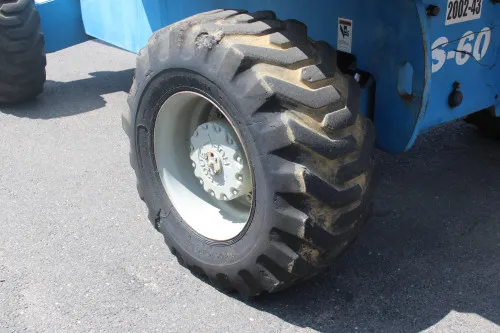
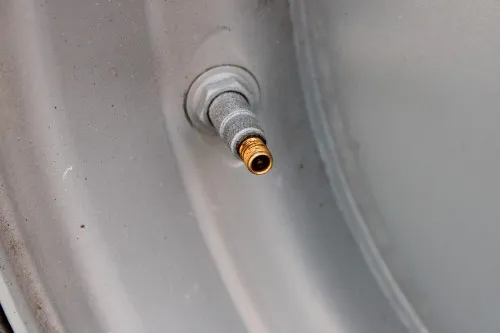
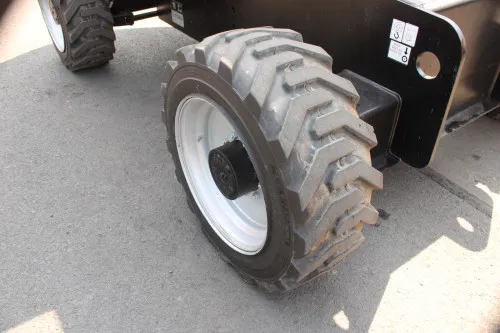
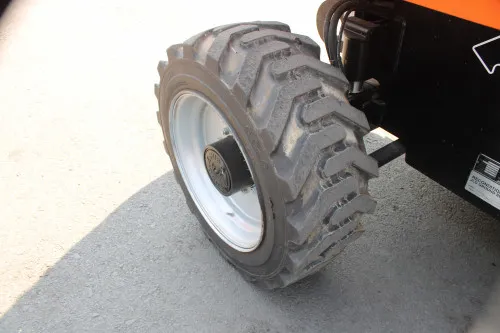
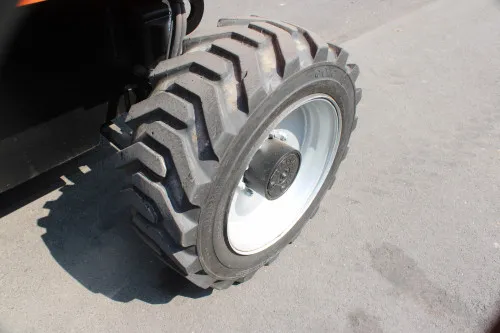
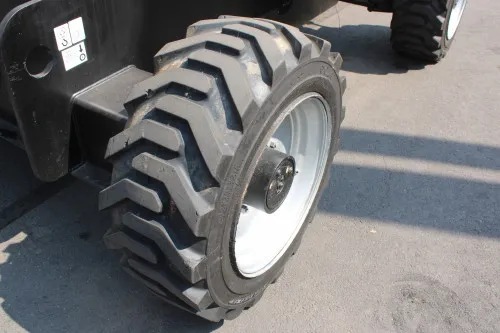
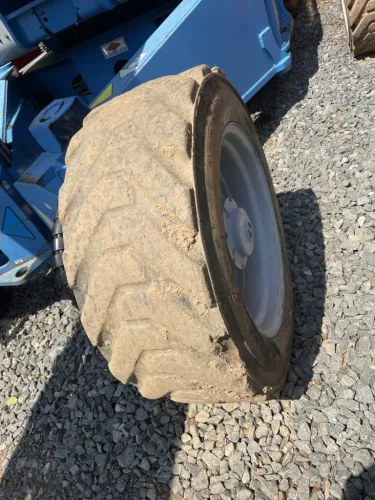
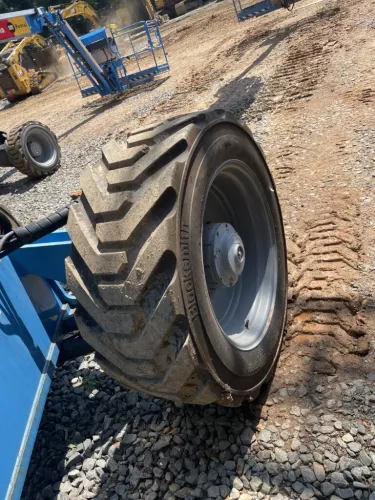
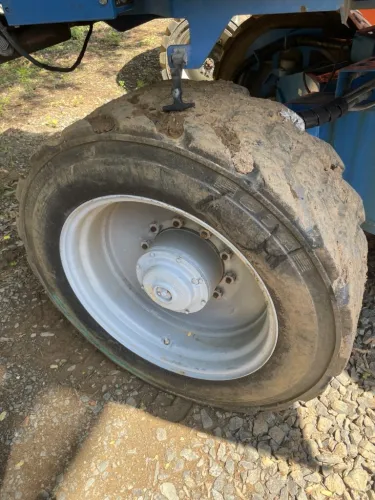
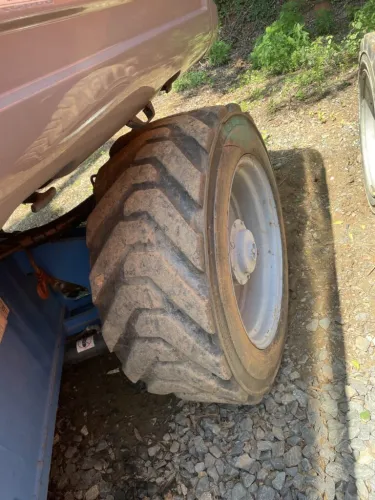
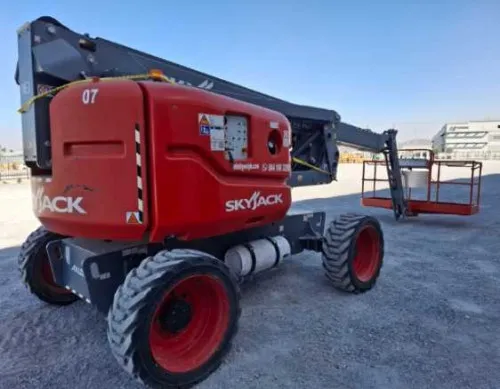
Match the power, tires and drive to the ground and the air where you work. Diesel rough-terrain booms with four-wheel drive, an oscillating axle and lugged or foam-filled tires handle mud, gravel and slopes. Electric booms are quiet and produce no exhaust, so they fit indoor work and finished slabs, often on non-marking tires. Hybrid models combine battery power with an engine for sites that mix indoor and outdoor work. Check gradeability, tilt alarm settings and the machine's weight against the floors, ramps and trailers it will use. |
| What should you inspect on a used boom lift? |
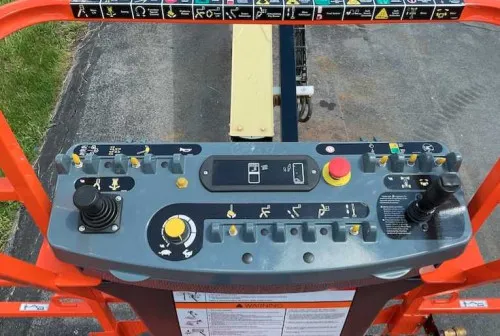
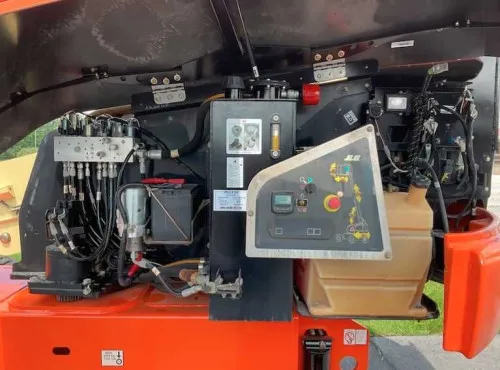
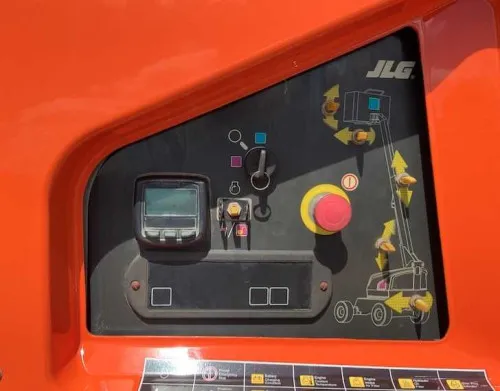
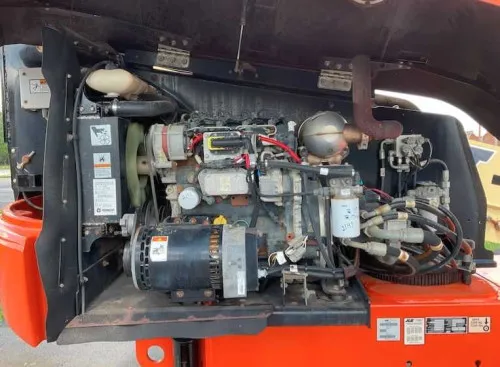
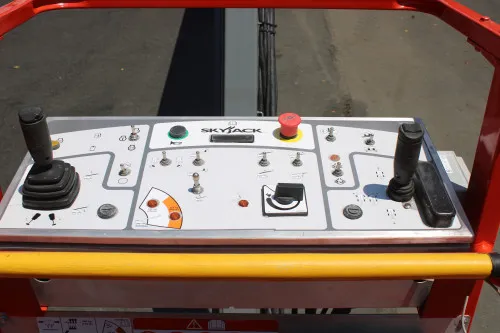
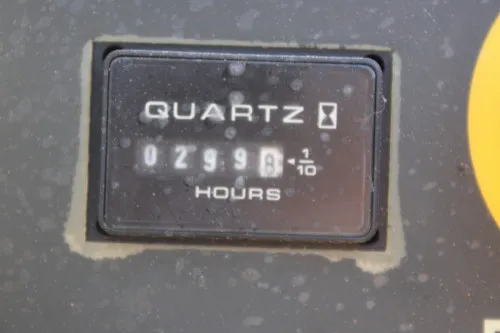
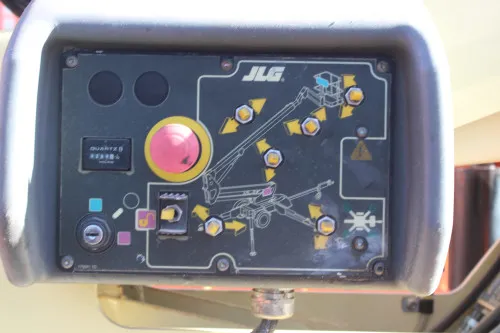
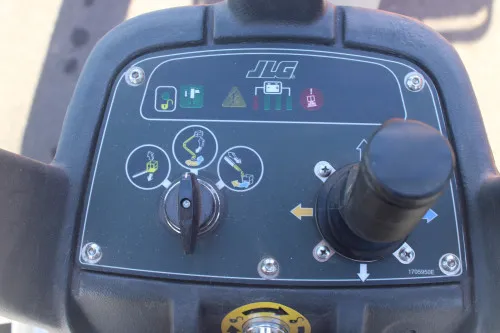
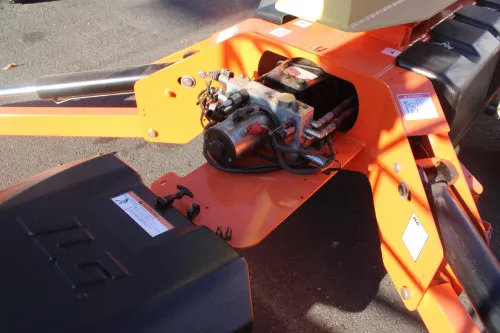
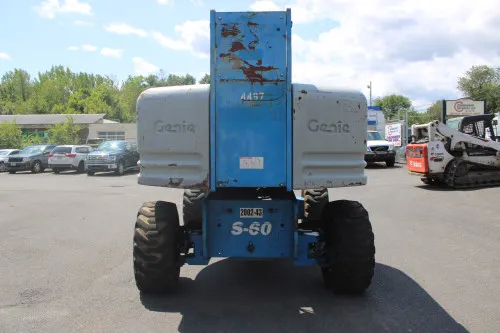
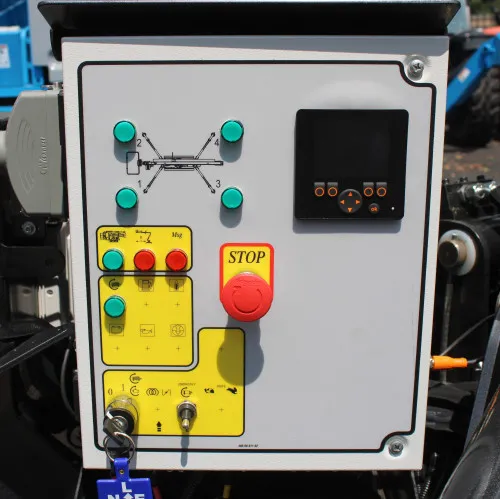
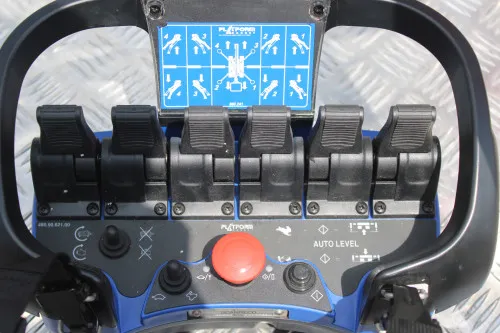
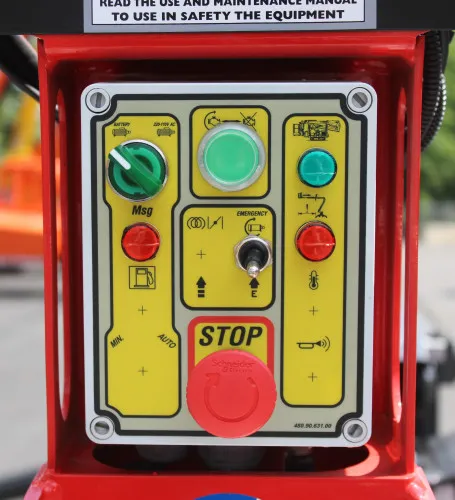
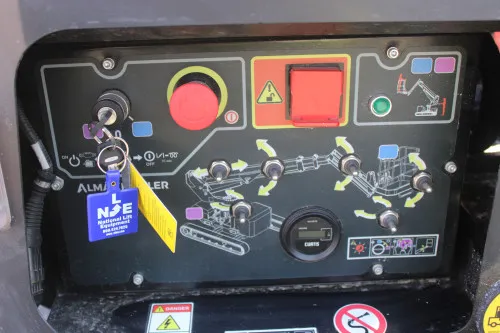
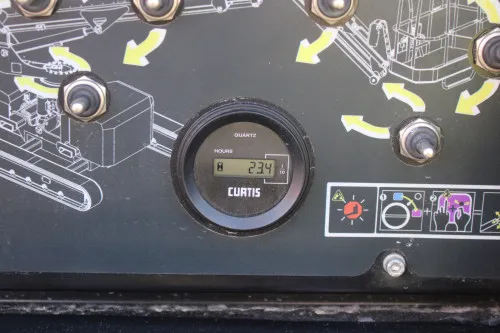
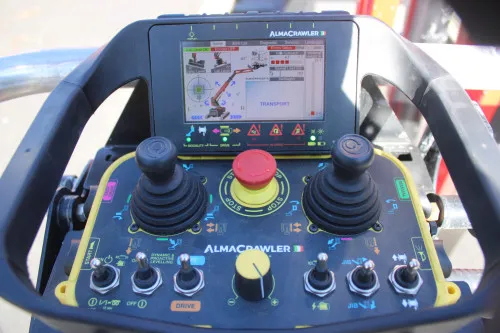
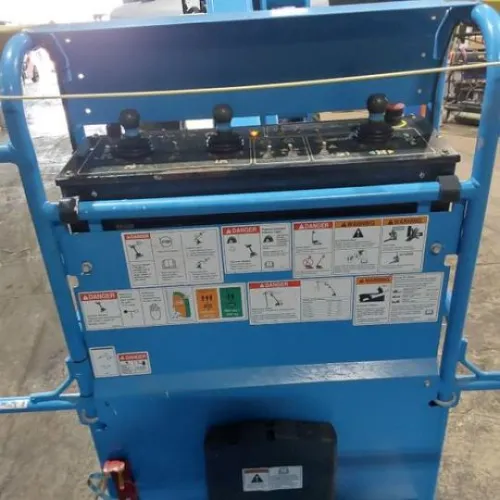
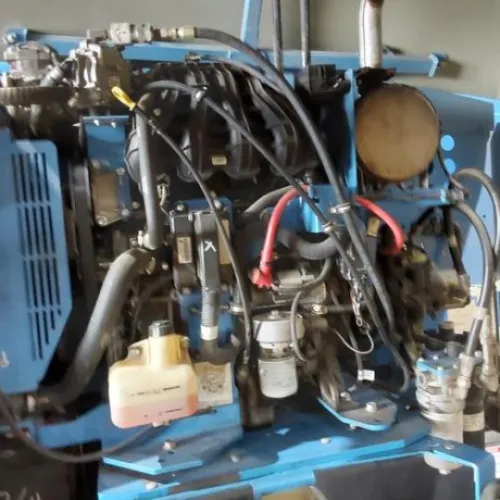
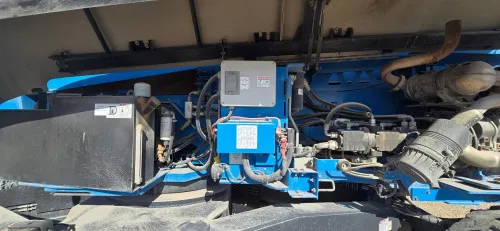
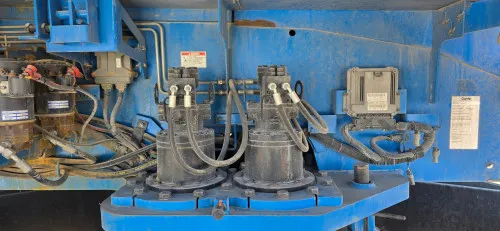
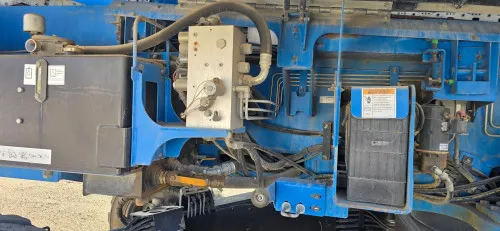
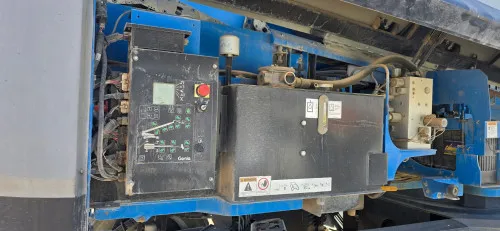
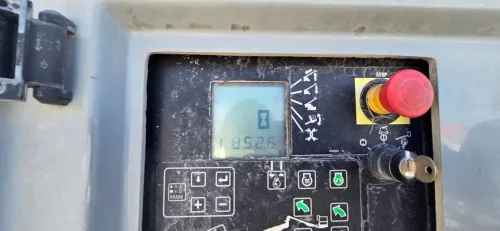
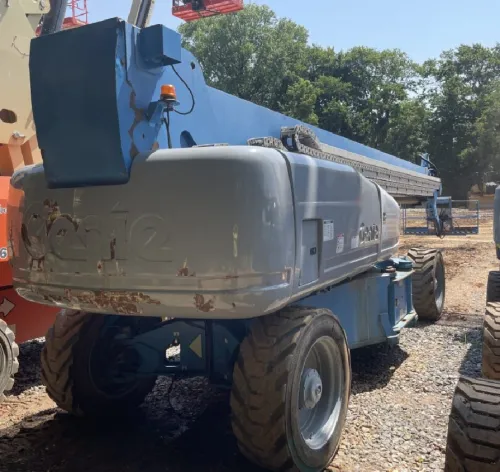
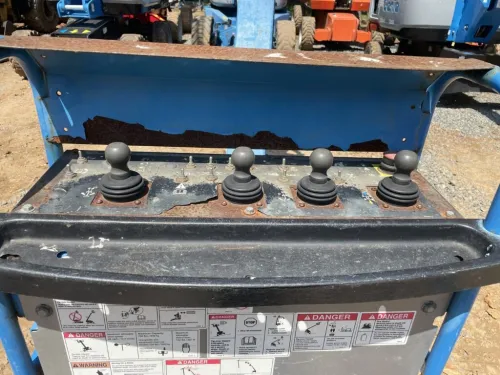
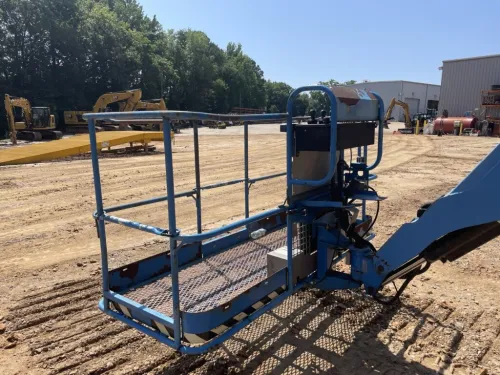
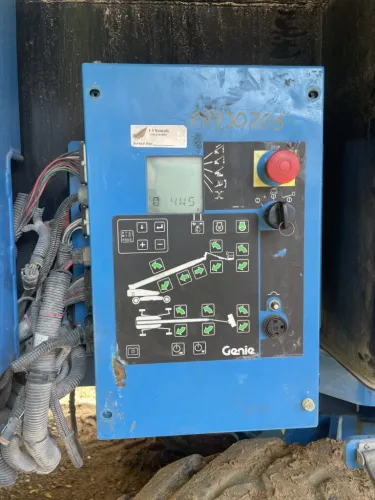
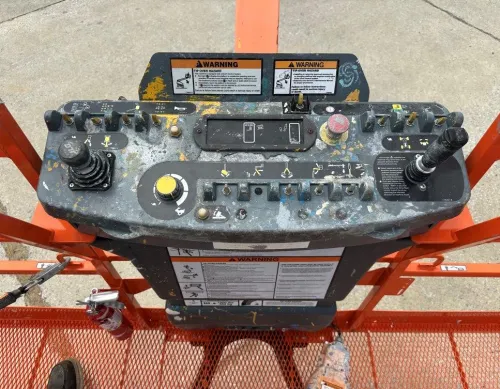
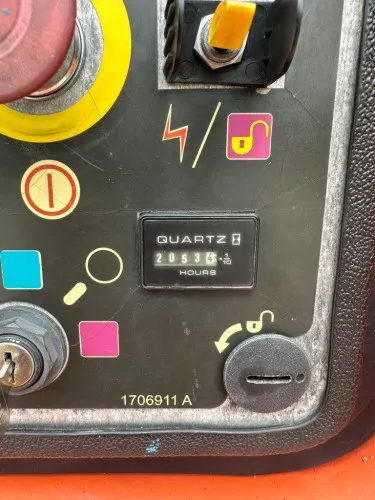
Review the boom, turntable, hydraulics, controls and inspection records before making an offer. Raise, extend and swing the boom through its full range from both the ground and platform controls, and listen for grinding in the turntable bearing or swing drive. Look for cracked welds, bent sections, worn wear pads, leaking cylinders and chafed hoses. Test the tilt alarm, load sensing, emergency lowering and foot switch, and check the jib and platform rotation. Ask for the annual inspection record and the operator's manual, and have a qualified technician inspect the machine before use, as JLG advises for lifts bought used.
|
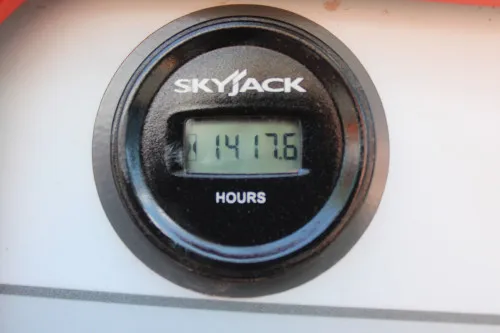
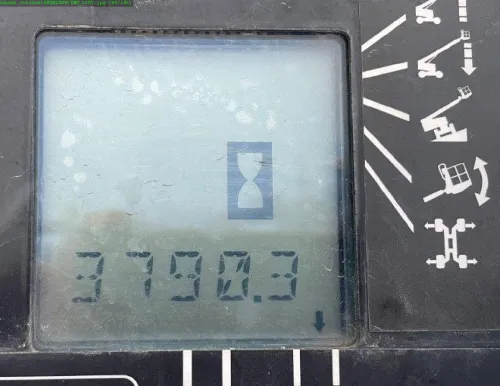
Asking prices for boom lifts on MachineryList currently range from $26,800 to $80,100, across 416 listings that show a price. The equipment market changes constantly as machines sell and new ones are listed, so treat this as a starting point, not a quote. Year, hours, condition and options move the price most.
Platform height is the basket floor, and working height assumes a person standing in it. Genie lists its Z-45/25J DC at 45 ft 9 in platform height and 51 ft 9 in working height, noting that the imperial working height adds 6 ft to platform height. Its horizontal reach is 25 ft 1 in. Compare models on the same measurement.
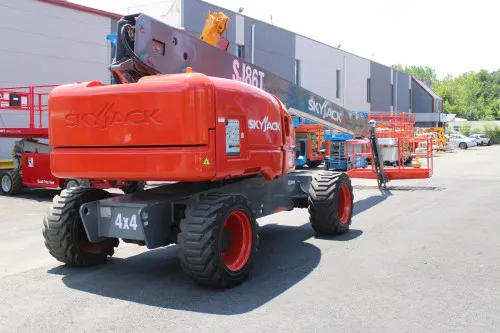
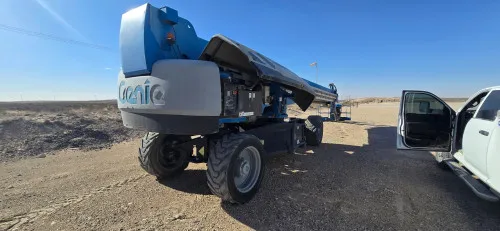
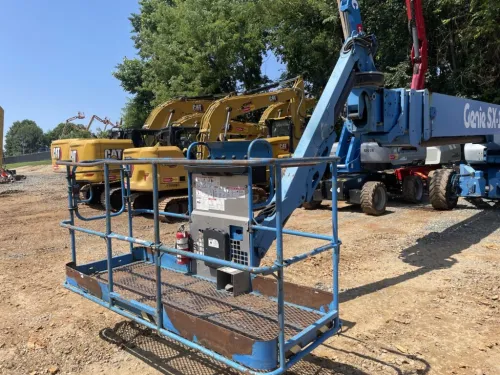
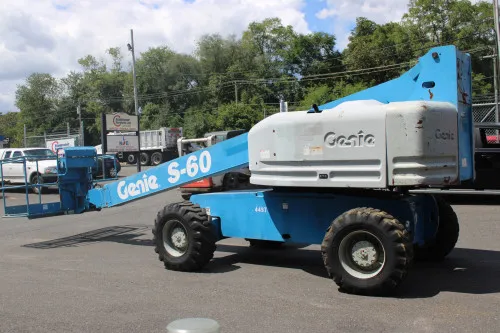
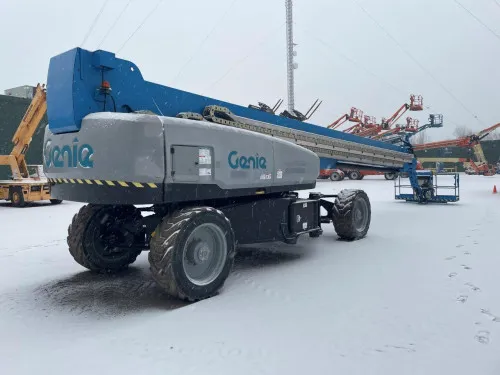
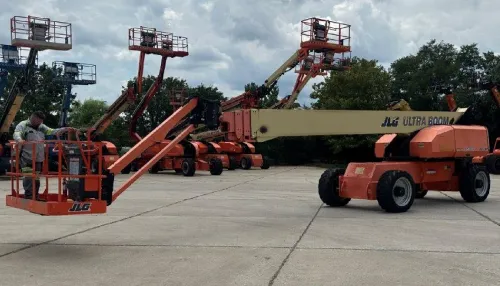
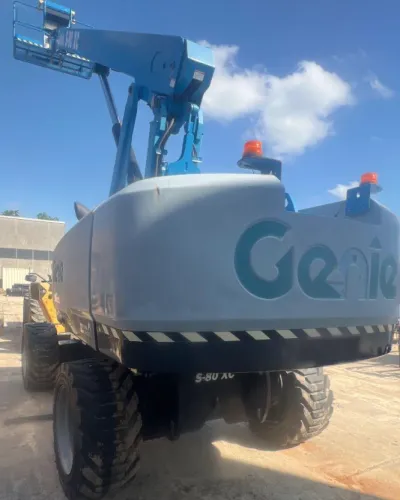
Pick articulating to reach up and over obstacles and telescopic for the most straight outreach. Skyjack lists its SJ45 AJ+ articulating boom with 24 ft 5.25 in up and over height and a 4 ft 8 in jib. Genie lists its S-65 XC telescopic boom at 71 ft working height and 54 ft 2 in horizontal reach.
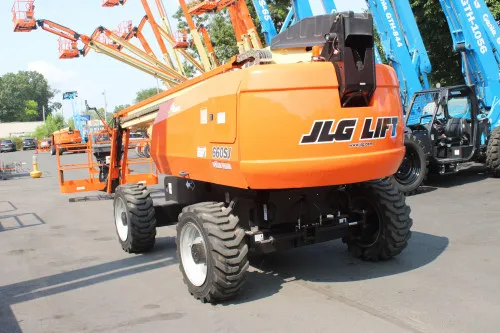
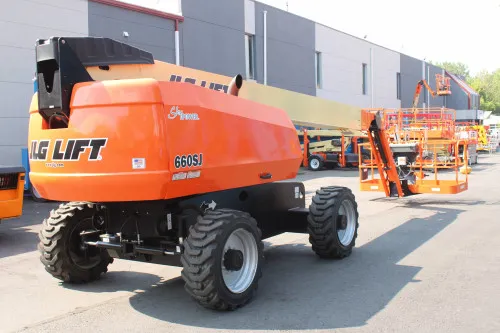
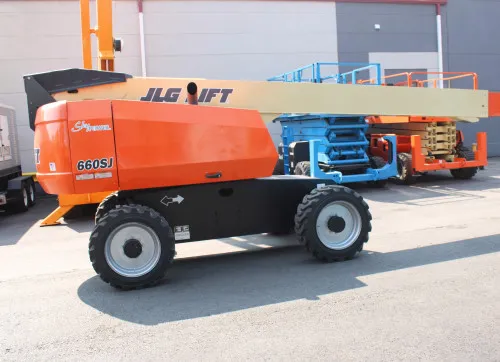
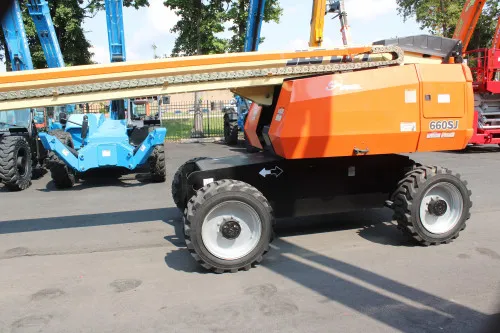
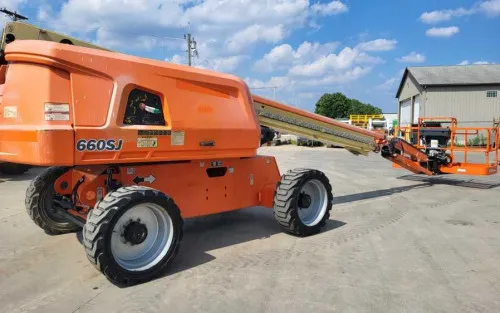
Unrestricted capacity applies across the boom's full working envelope, while restricted capacity is higher but applies only within the limits on that model's capacity chart. Genie lists its S-65 XC at 660 lb unrestricted and 1,000 lb restricted. JLG lists its 660SJ at 750 lb maximum platform capacity, with a 1,000 lb restricted option. Count every person, tool and material you will carry.
Yes. OSHA's aerial lift fact sheet says to use a body harness or positioning device with a lanyard attached to the boom or basket, so the worker cannot be ejected or pulled from the basket. OSHA also says workers should not belt off to an adjacent pole, structure or equipment while working from an aerial lift.
Genie's summary of the ANSI A92 standards says a frequent inspection is due once a machine has been in service for three months or 150 hours, whichever comes first, and an annual inspection no later than 13 months after the last one, recorded on a decal or plate. OSHA says to test the controls and inspect the lift before use each day.
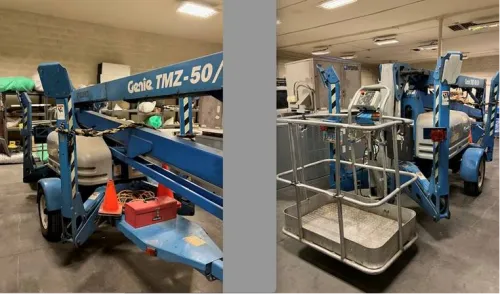
It varies widely, so check the exact model. Skyjack lists its SJ45 AJ+ at 11,190 lbs, and Genie lists its electric Z-45/25J DC at 16,315 lb. A towable boom is much lighter: Genie lists its TZ-50 trailer-mounted boom at 4,400 lb, with 55 ft 6 in working height. Confirm your trailer and tow vehicle ratings.