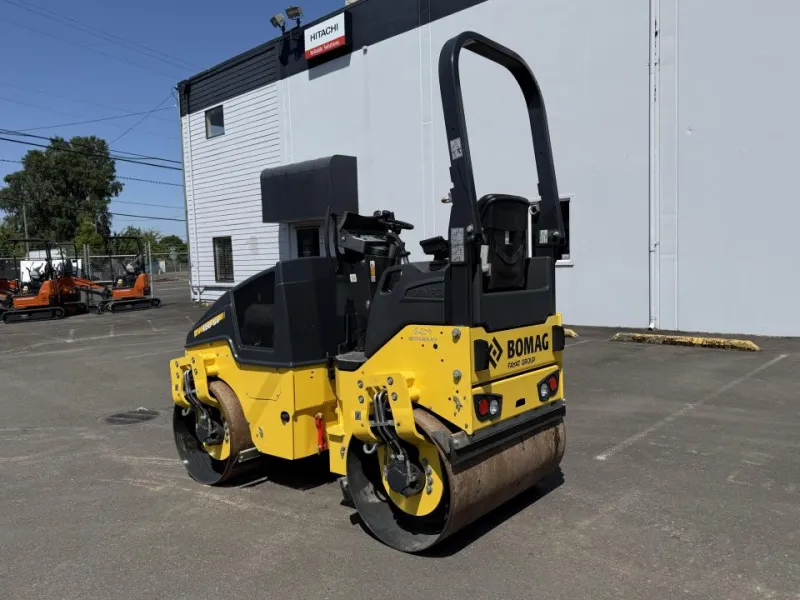
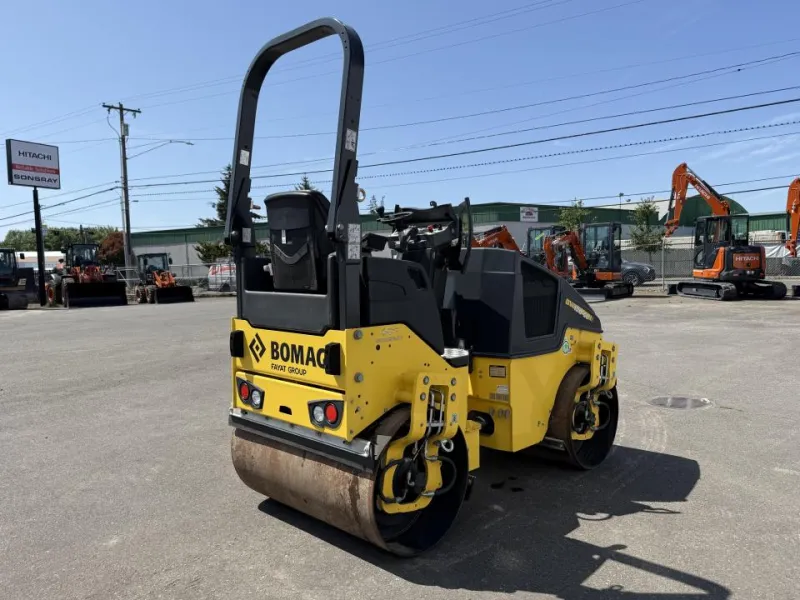
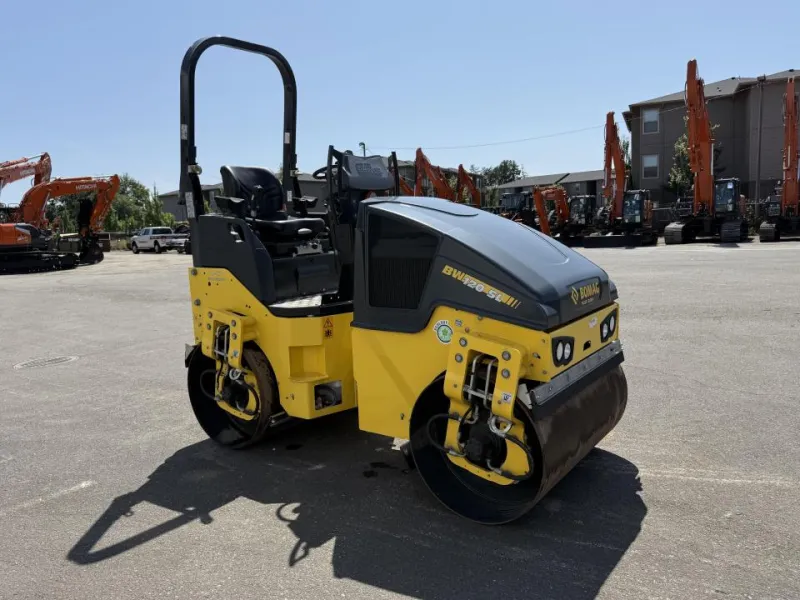
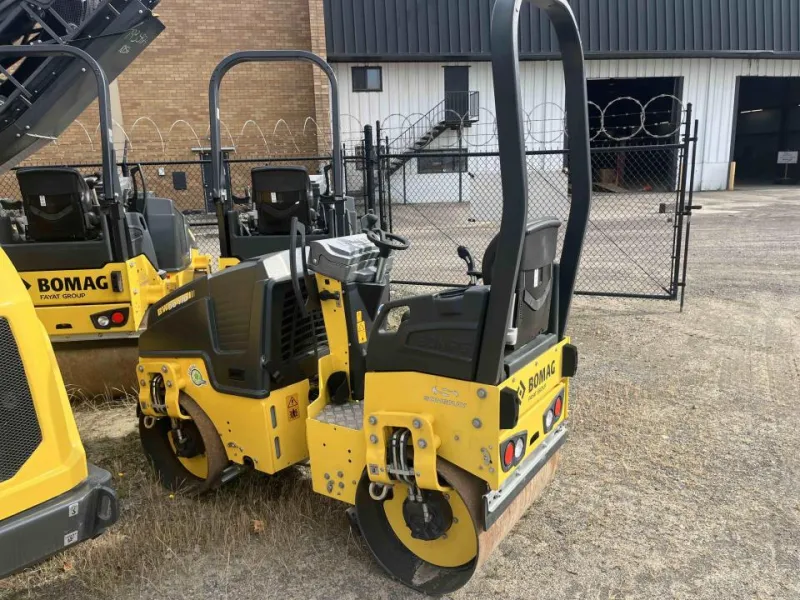
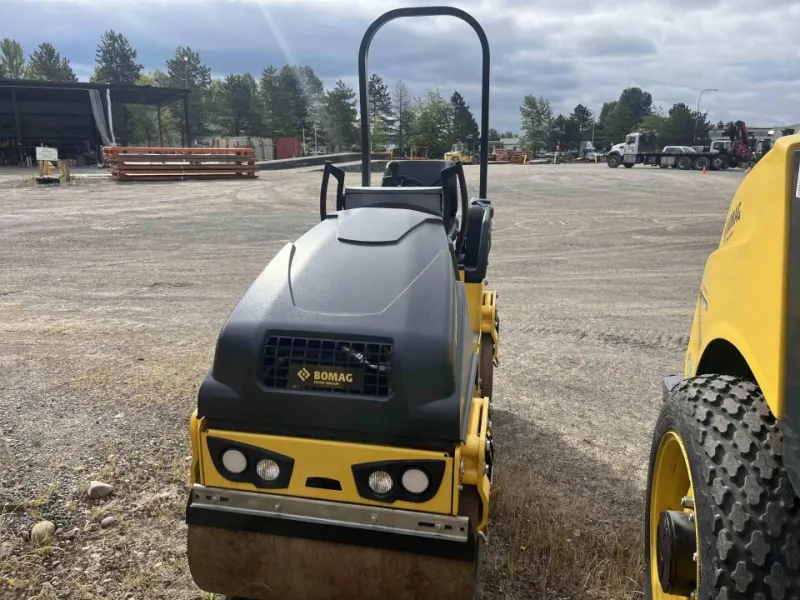
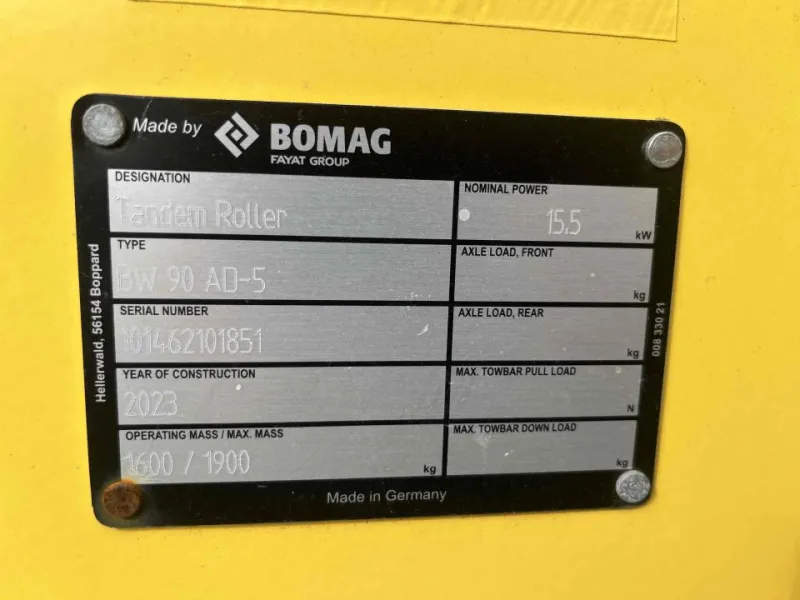
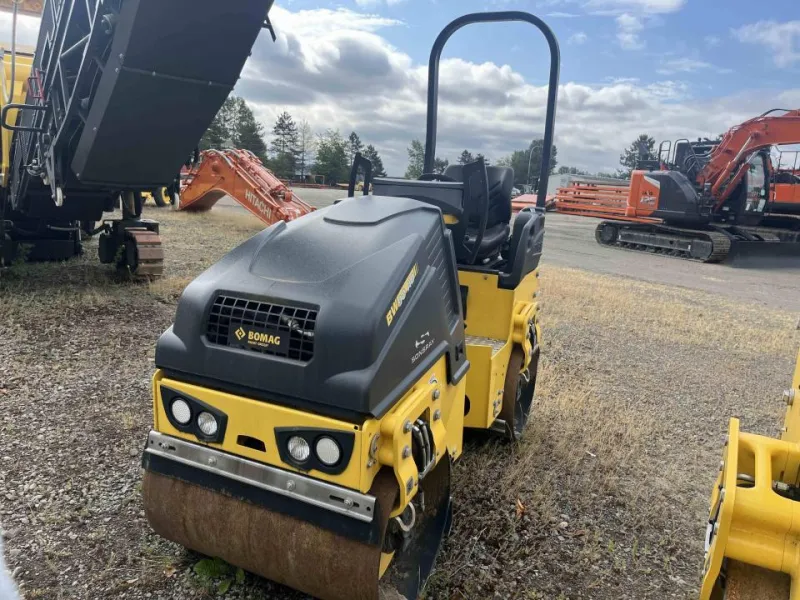
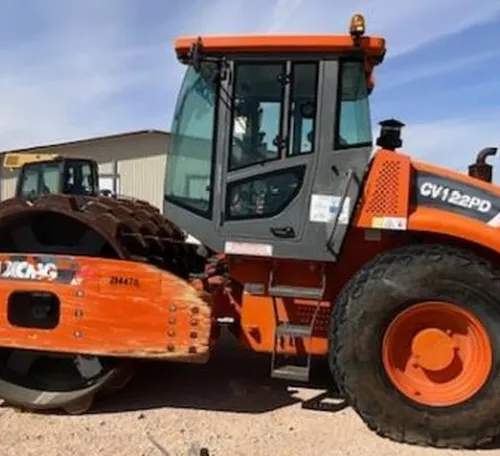
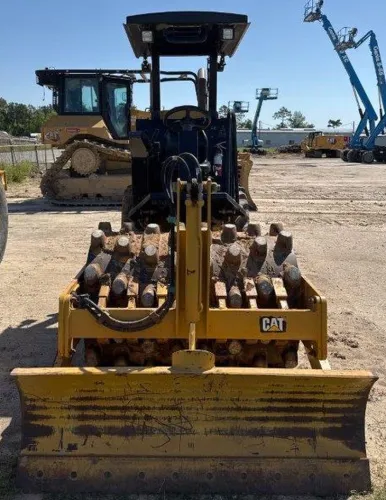
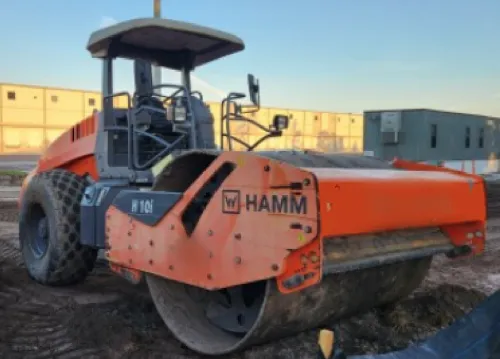
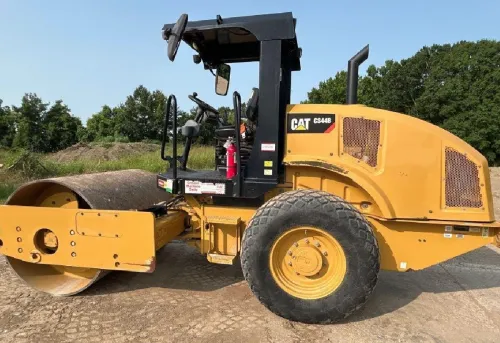
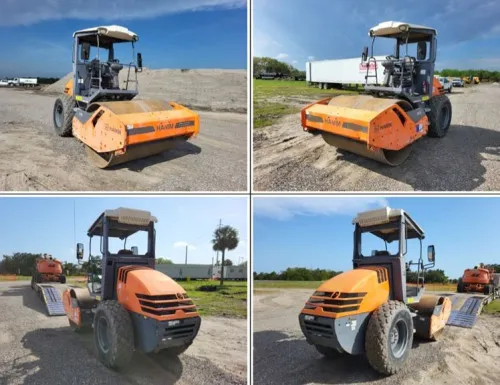
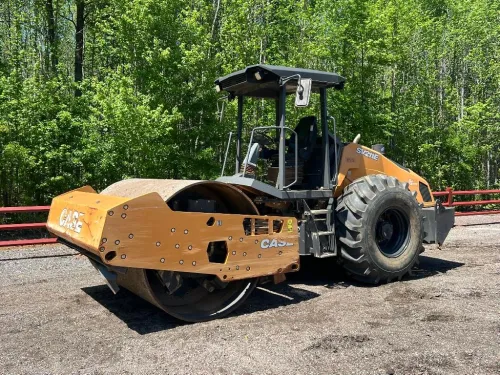
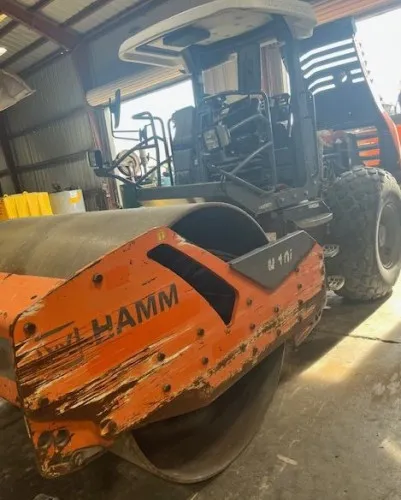
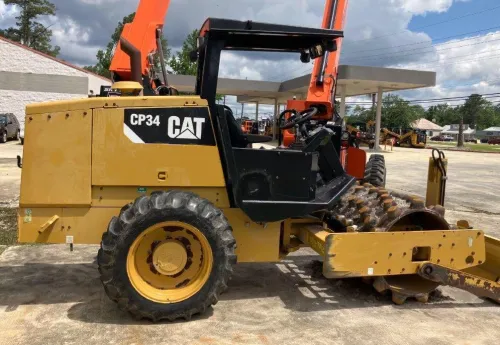
66 compactors for sale
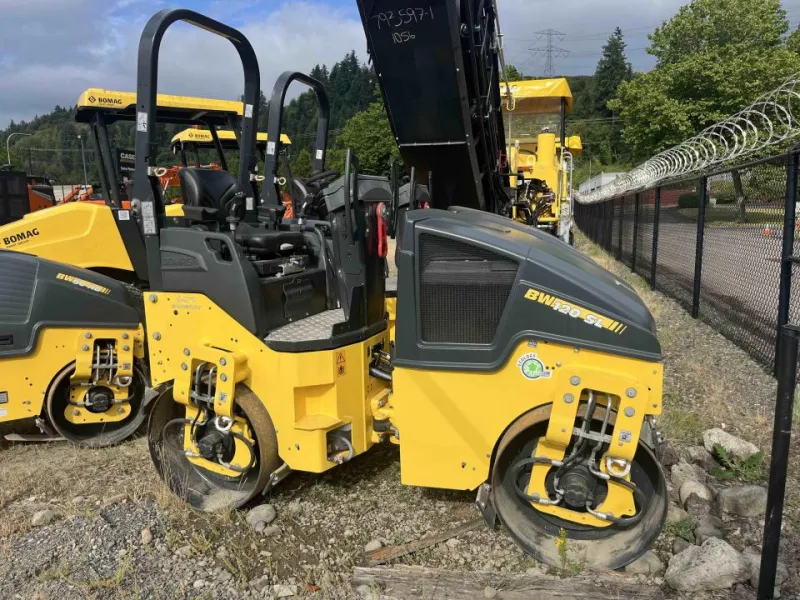
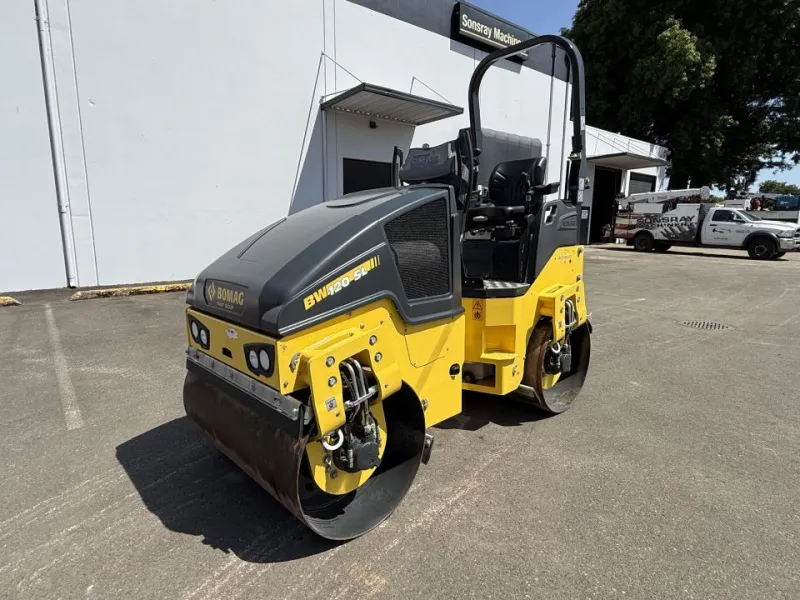
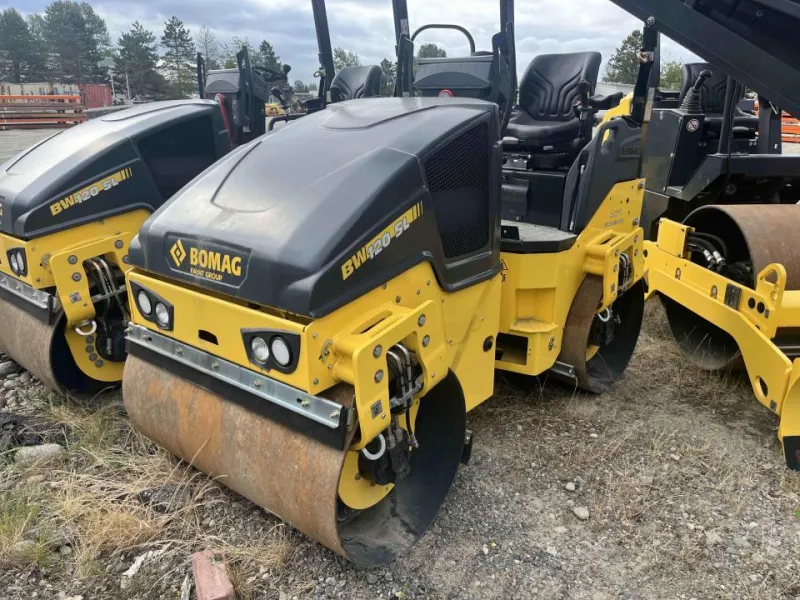
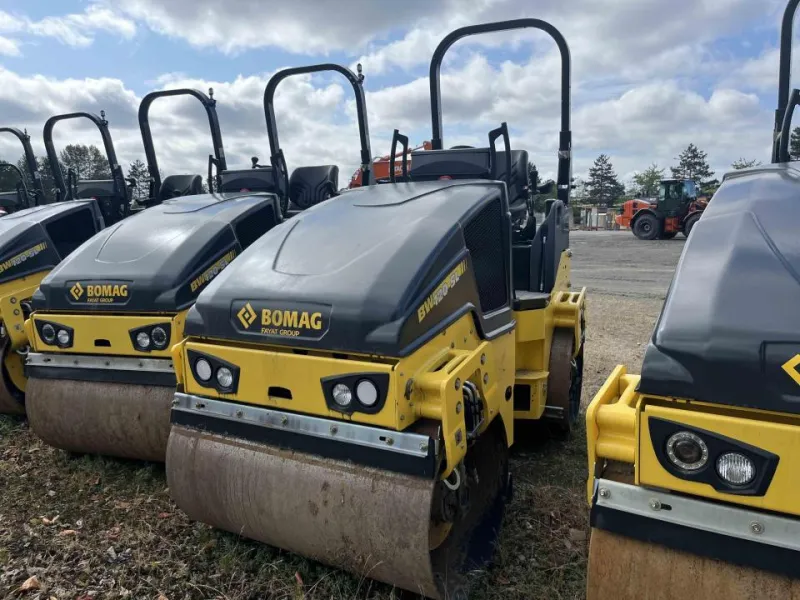
Buying guide
How to choose between soil compactors, tandem rollers and pneumatic rollers, pick a drum, and check the vibration system on a used machine.

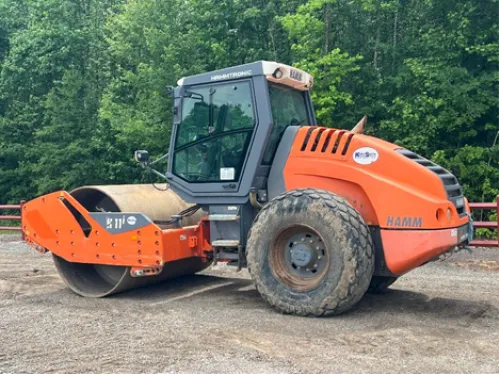
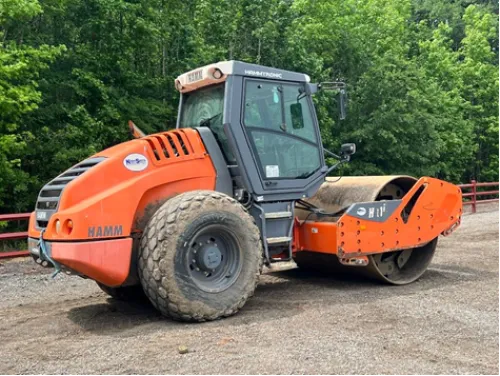
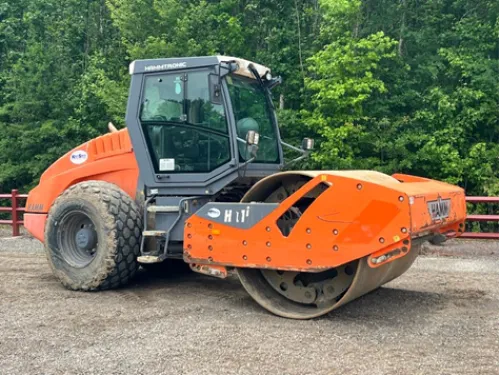
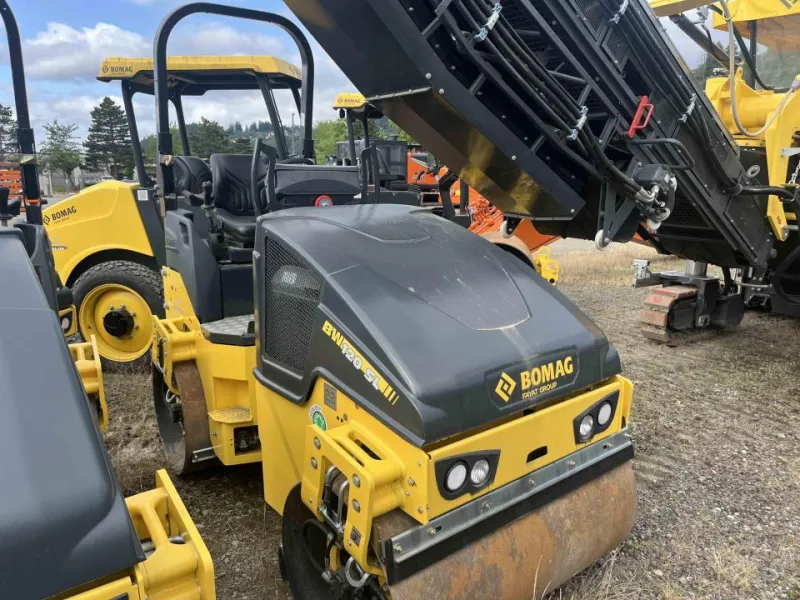
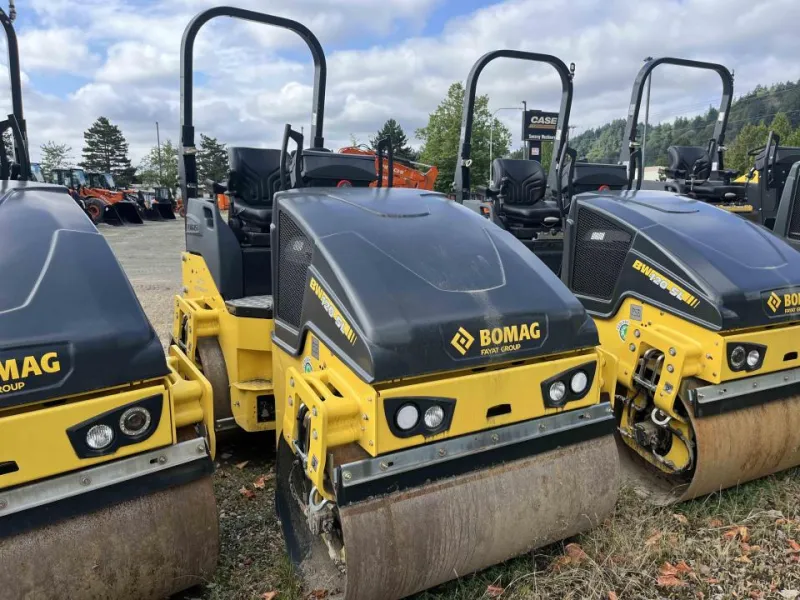
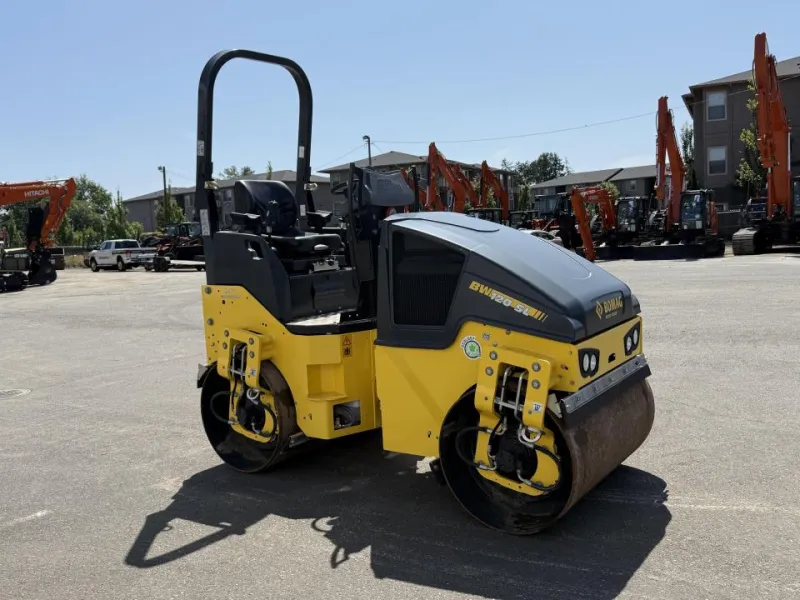
Compactors and rollers press soil, gravel and asphalt into a dense, stable layer. Single-drum soil compactors handle earthwork and subgrade, tandem rollers finish asphalt, pneumatic rollers knead and seal surfaces, and plates and rammers work in trenches and tight spots.
Start with the material you compact, the width of the area and how deep each layer is. Then check the exact machine's drum type, vibration system, size and condition. Pick the roller type for the material you compact most, then use the questions below to compare the machines listed above.
| Buying question | What to look for |
|---|---|
| Soil or asphalt: which type of roller do you need? |
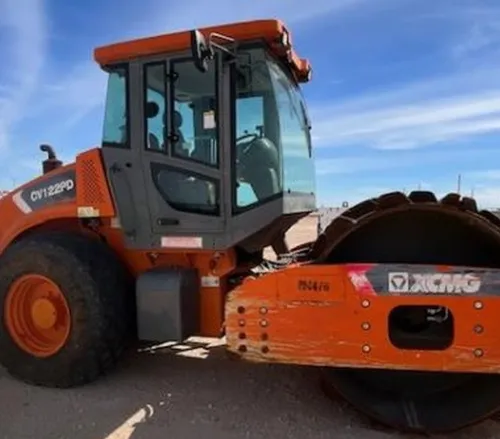
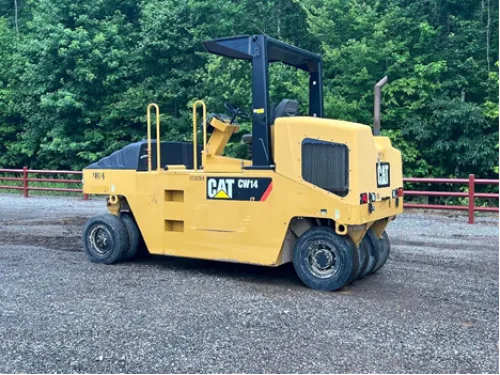
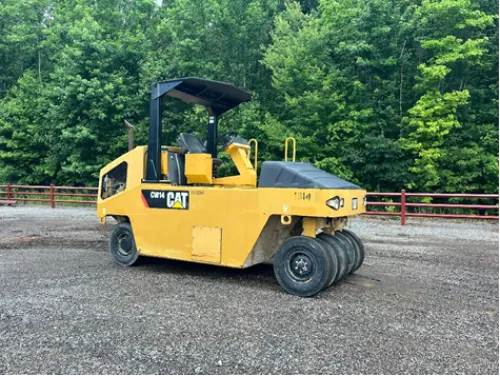
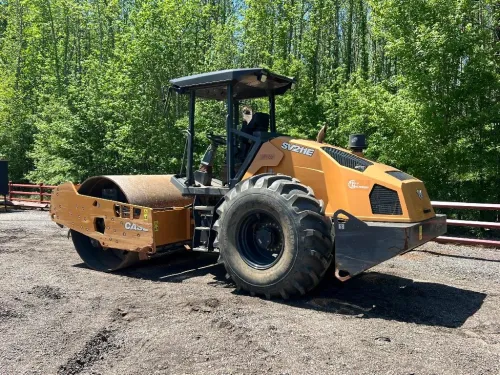
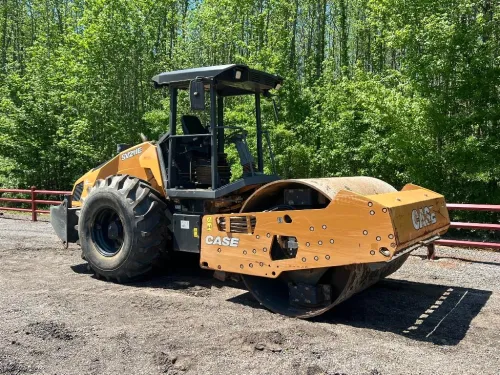
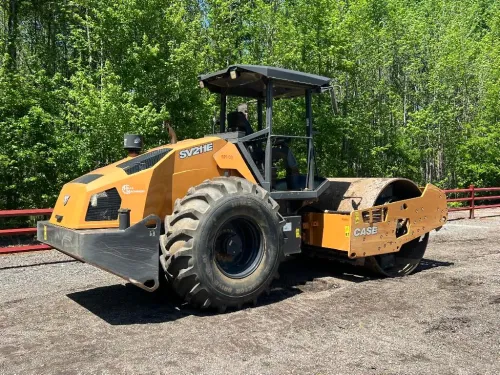
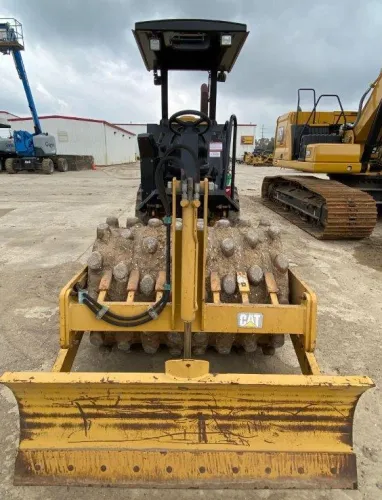
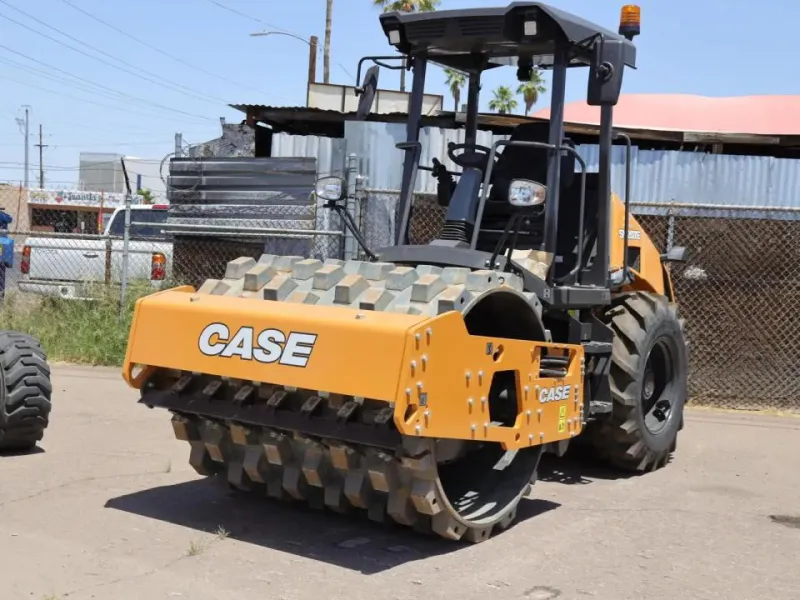
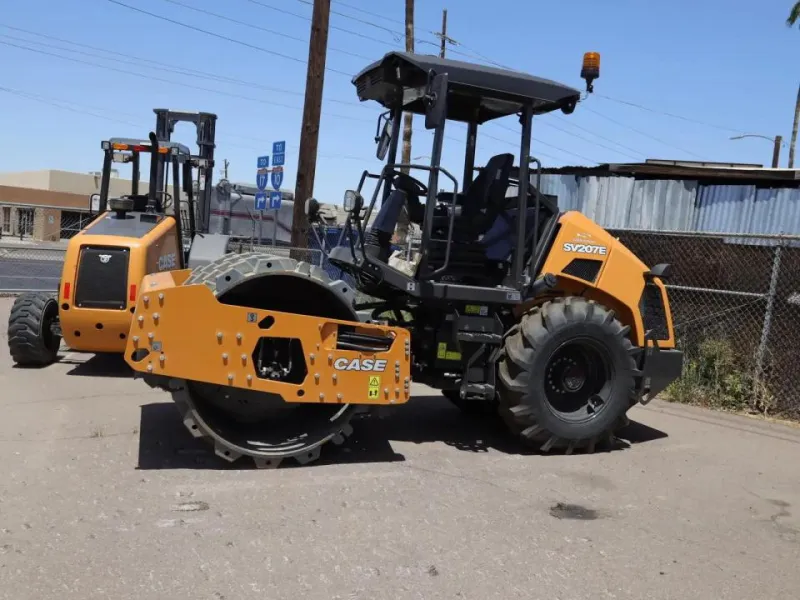
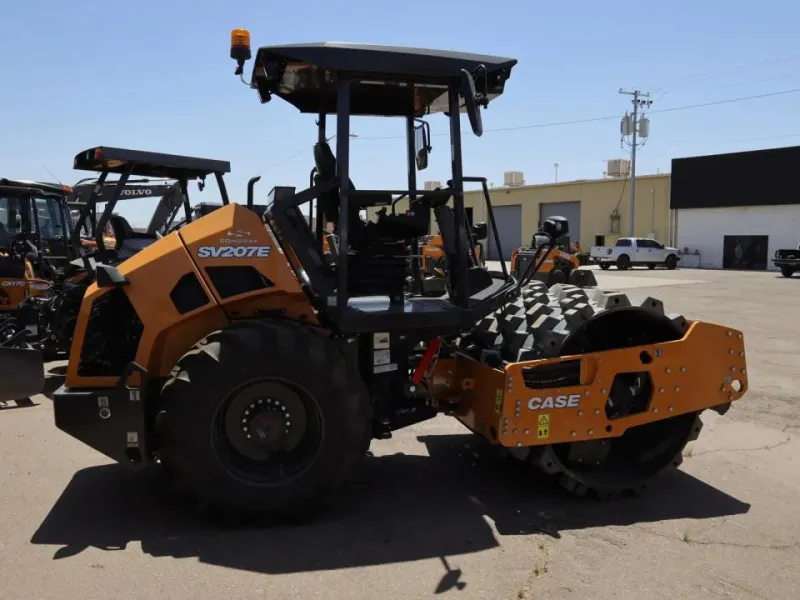
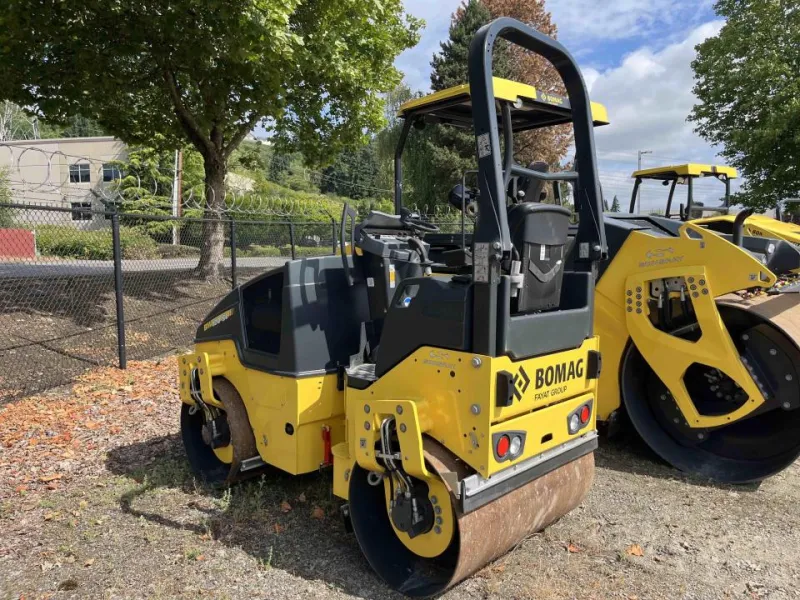
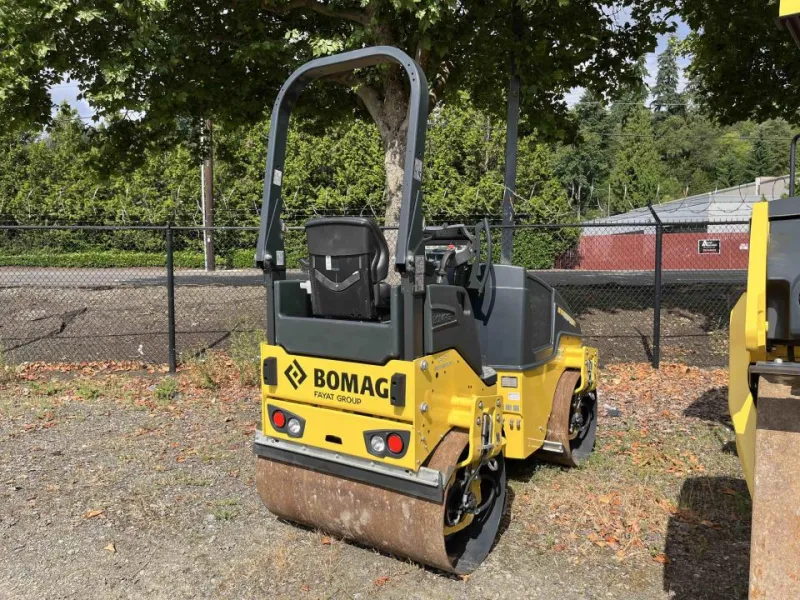
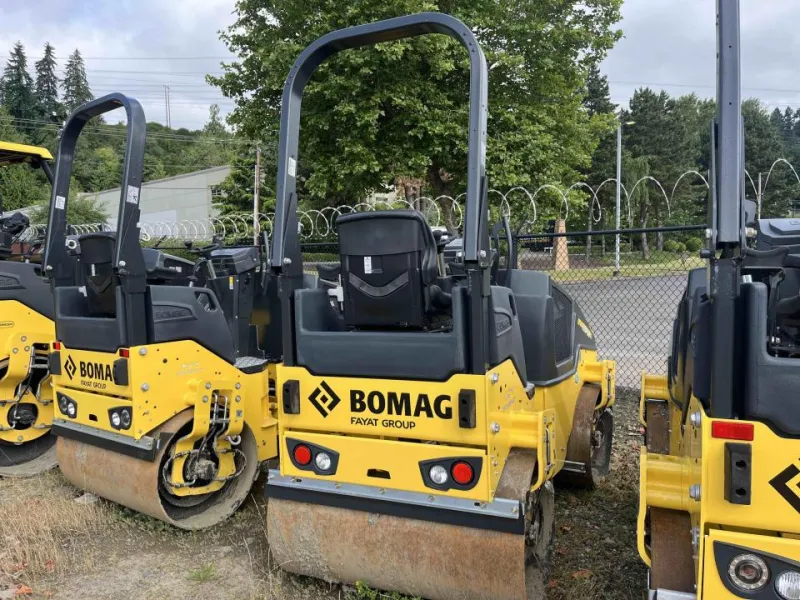
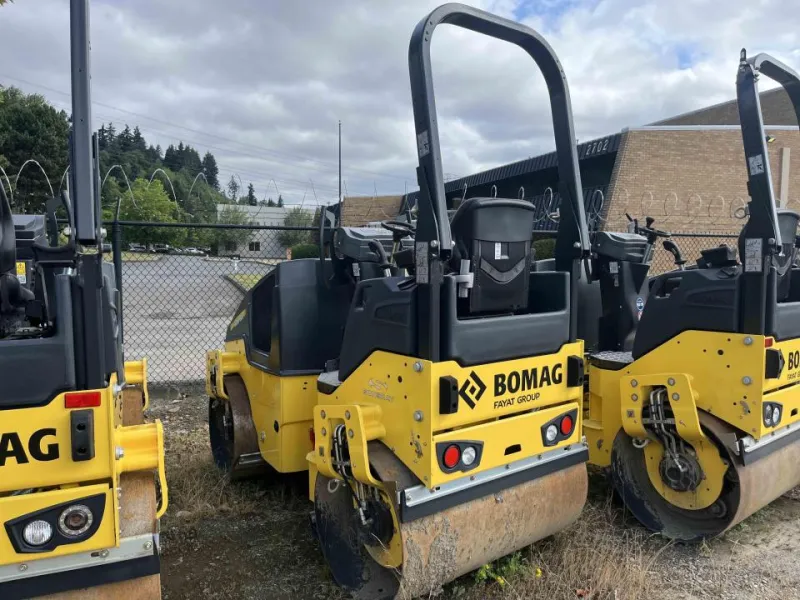
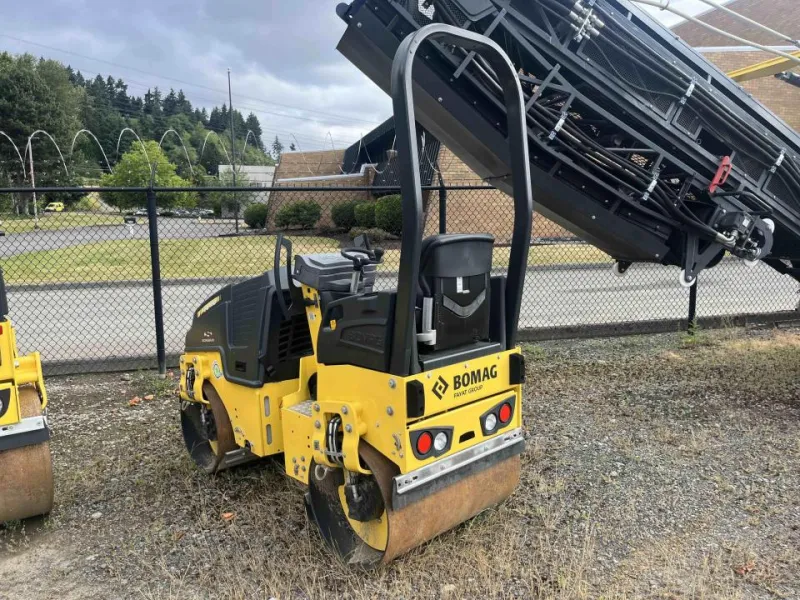
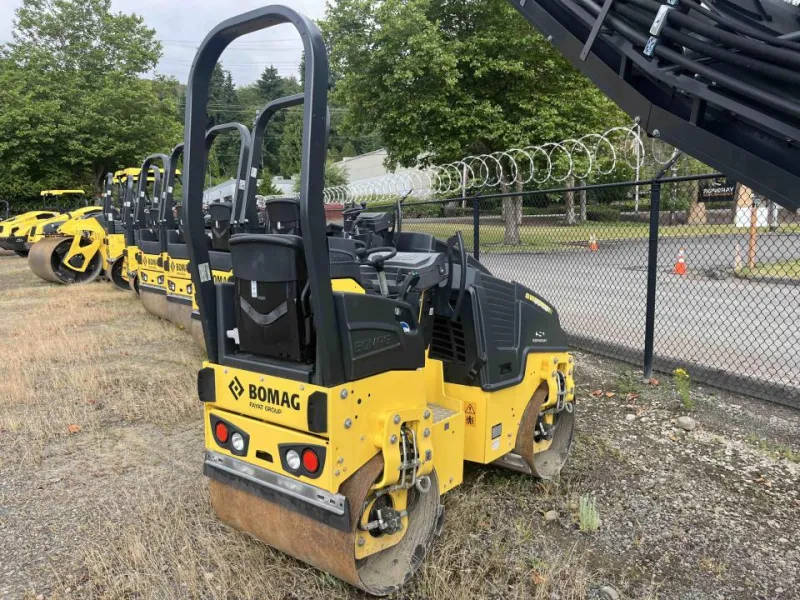
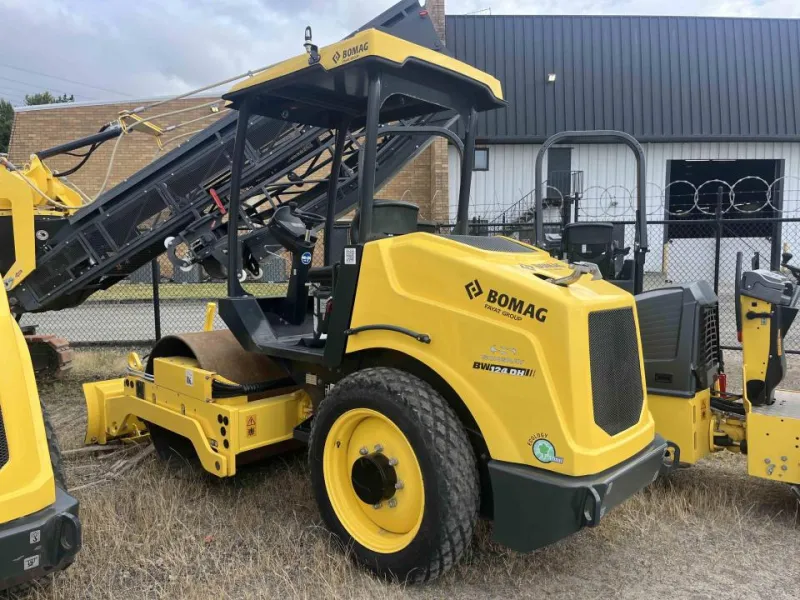
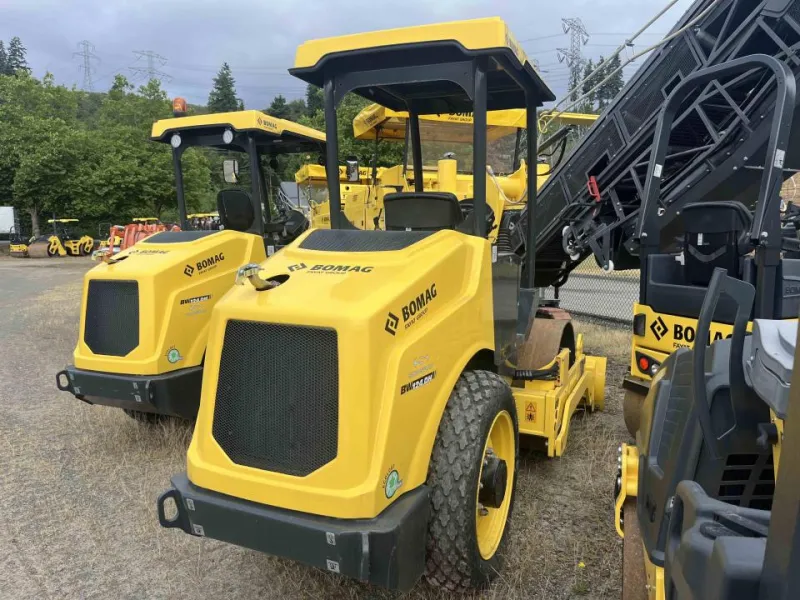
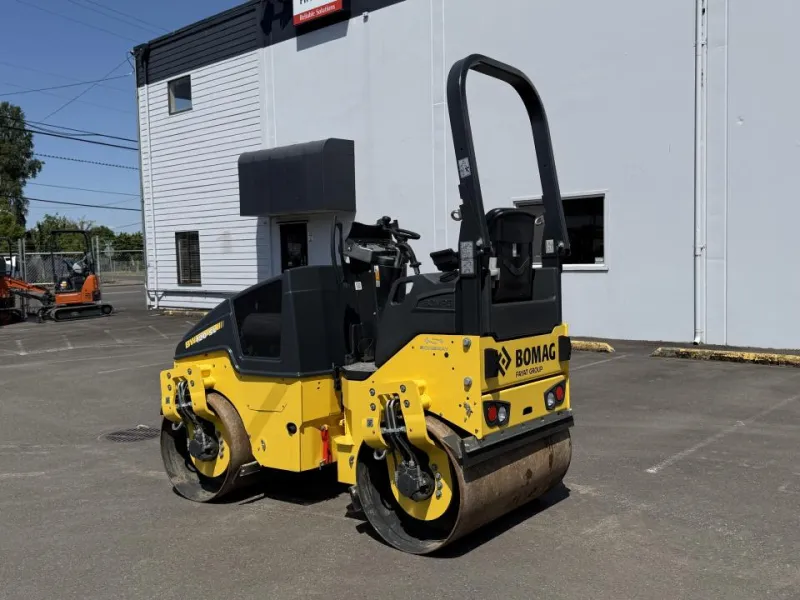
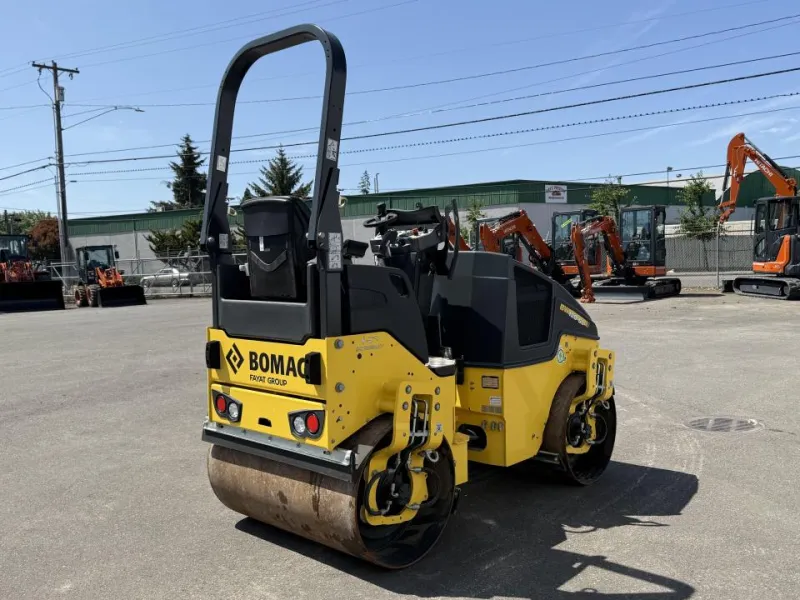
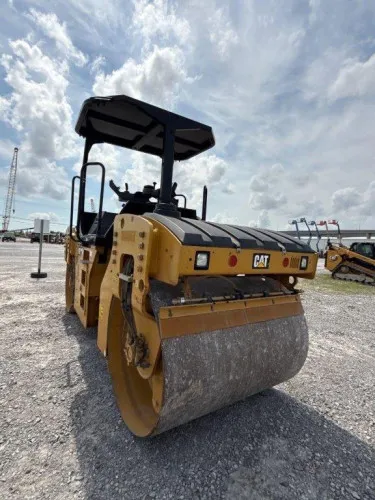
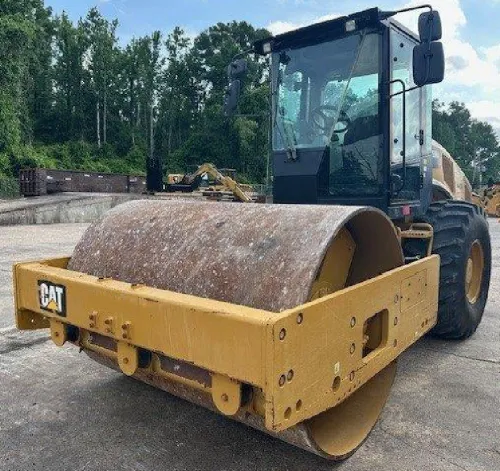
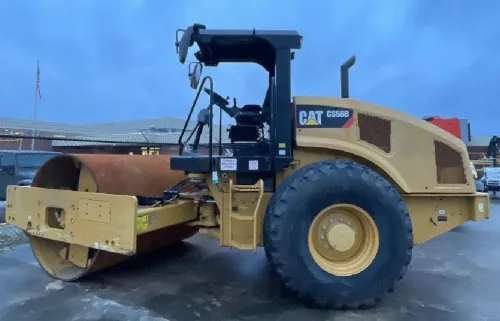
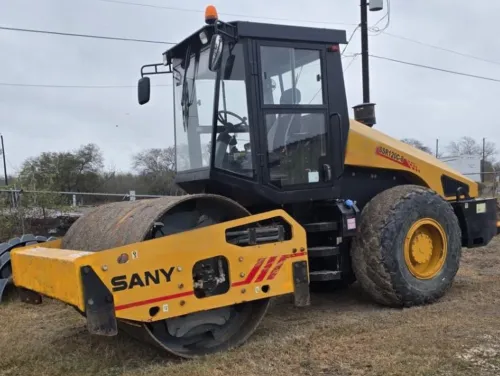
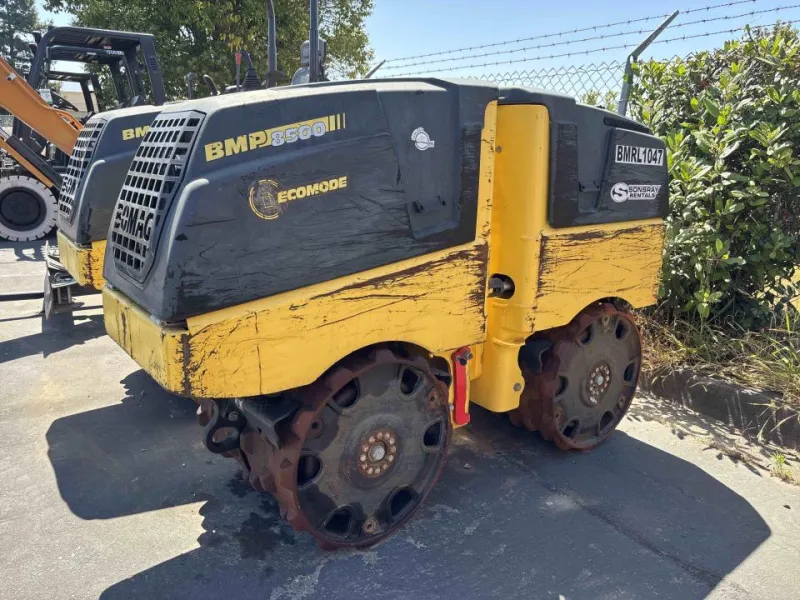
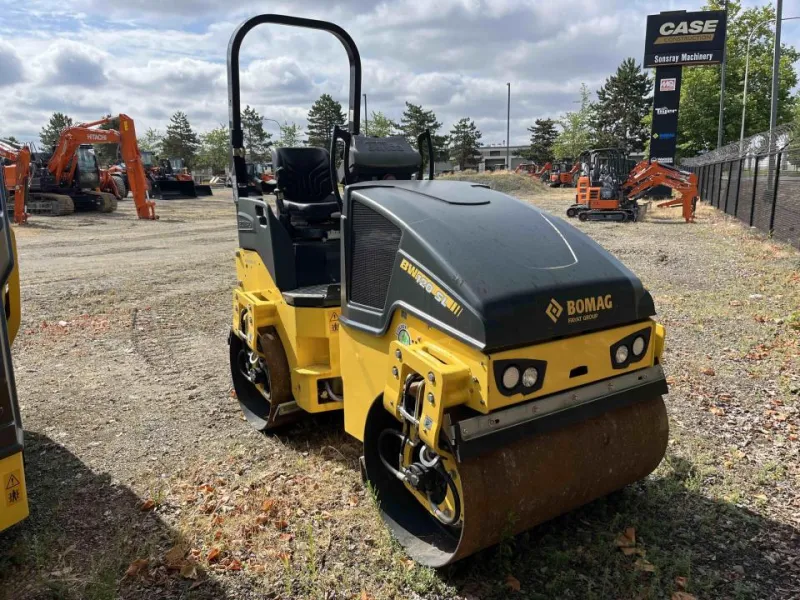
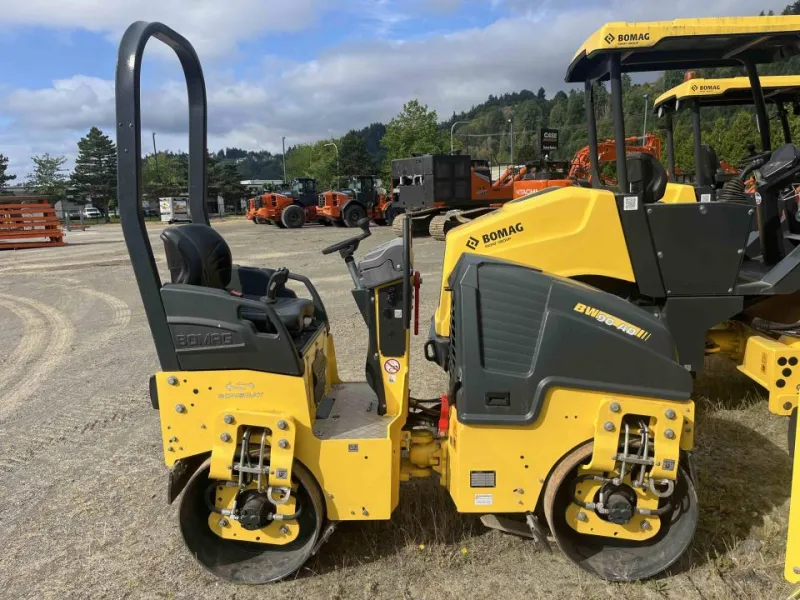
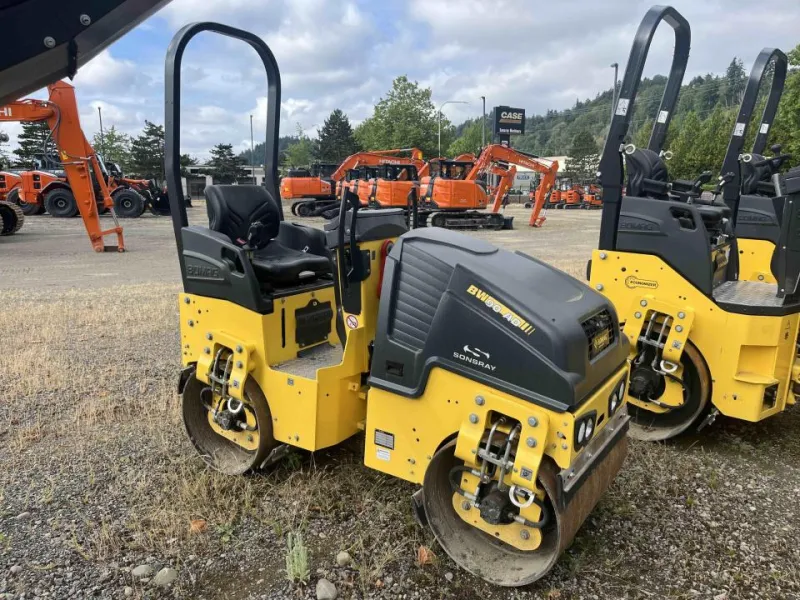
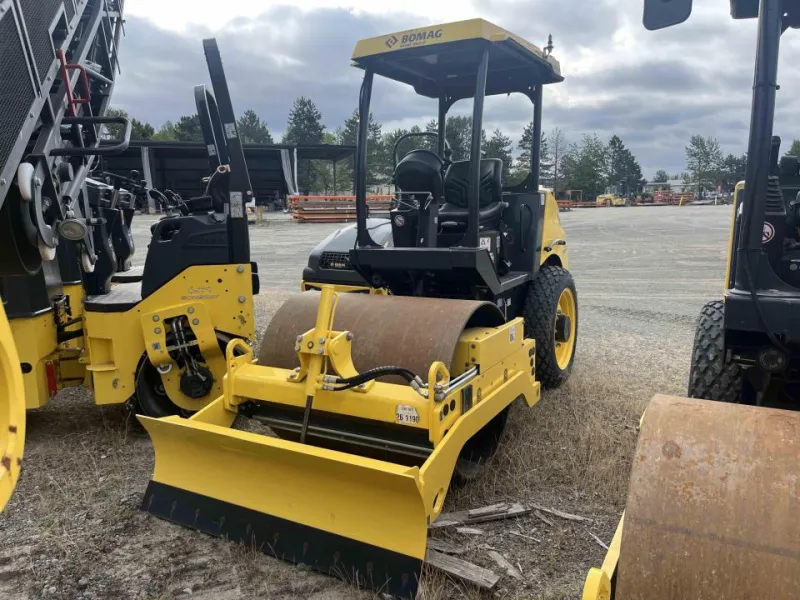
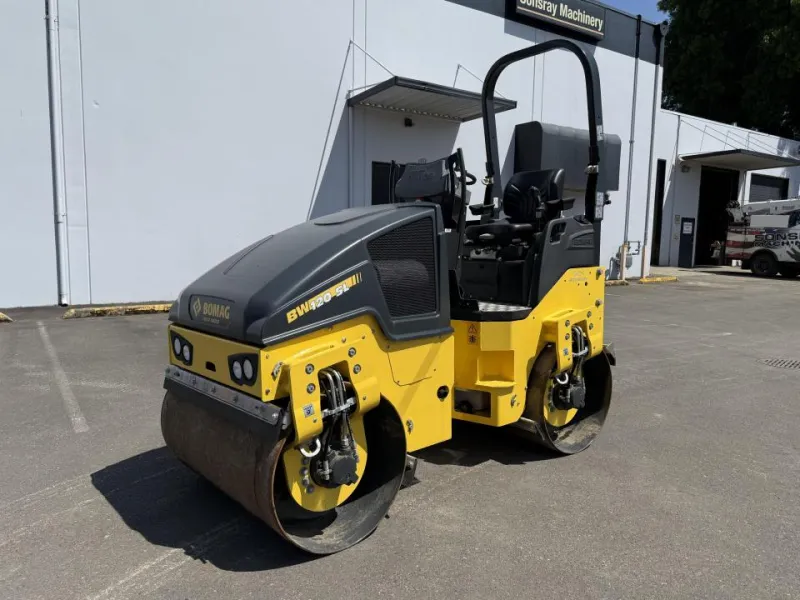
Choose the machine for the material you compact most. Single-drum soil compactors pair a front drum with rubber tires at the rear and are built to compact volume in earthwork. Tandem rollers have two smooth steel drums and are designed to compact asphalt, finishing the surface area. Pneumatic rollers use rubber tires and ballast for asphalt and surface work. If you work on both, plan for the jobs that make you the most money, then rent or add a second machine for the rest. |
| Smooth drum or padfoot? |
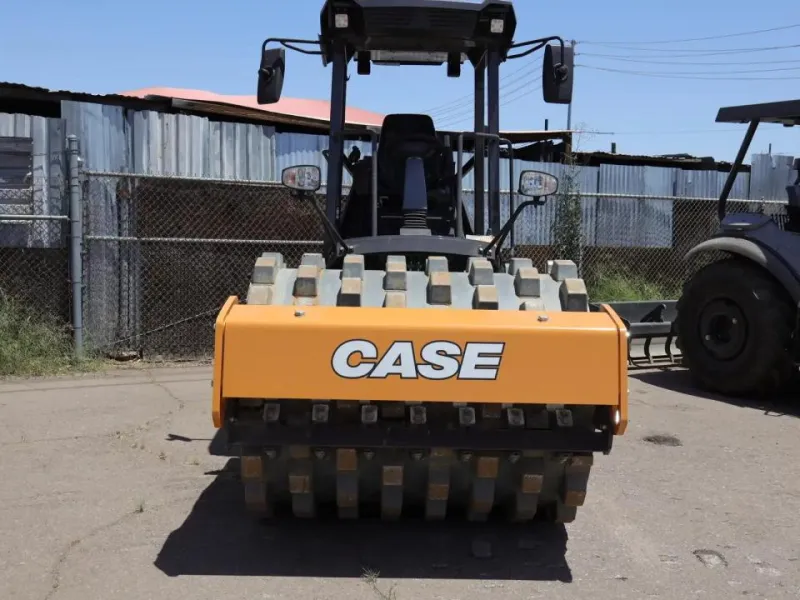
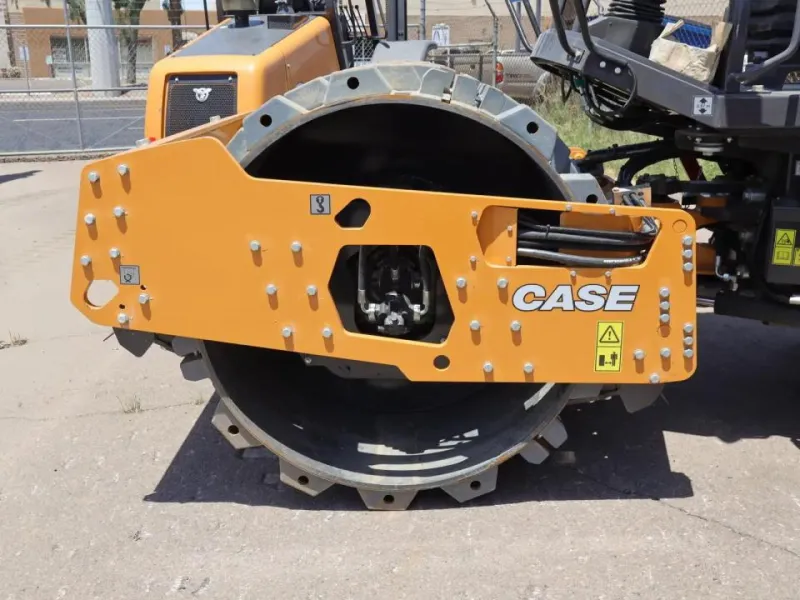
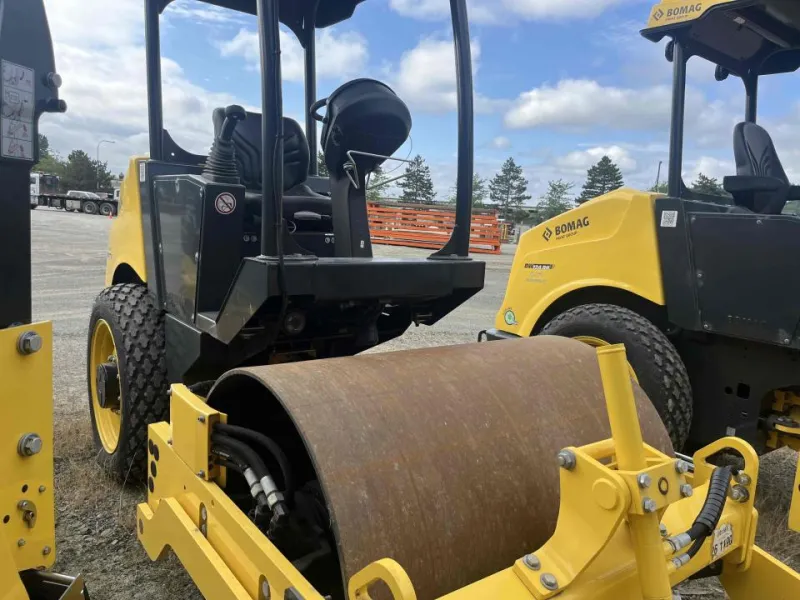
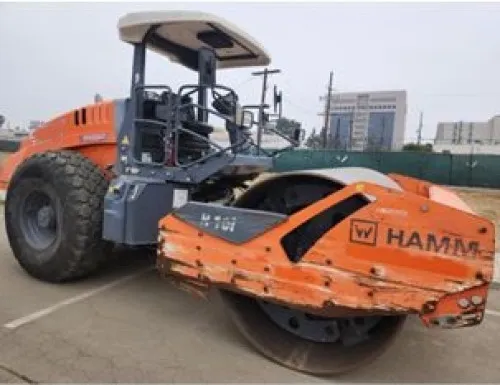
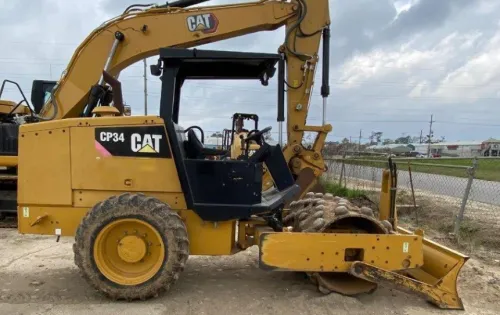
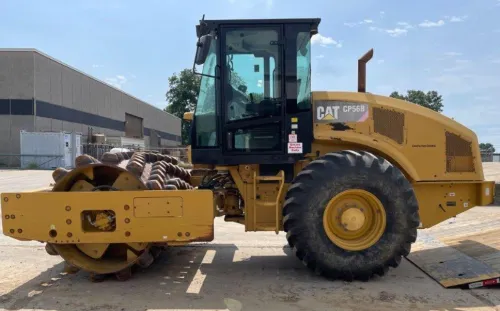
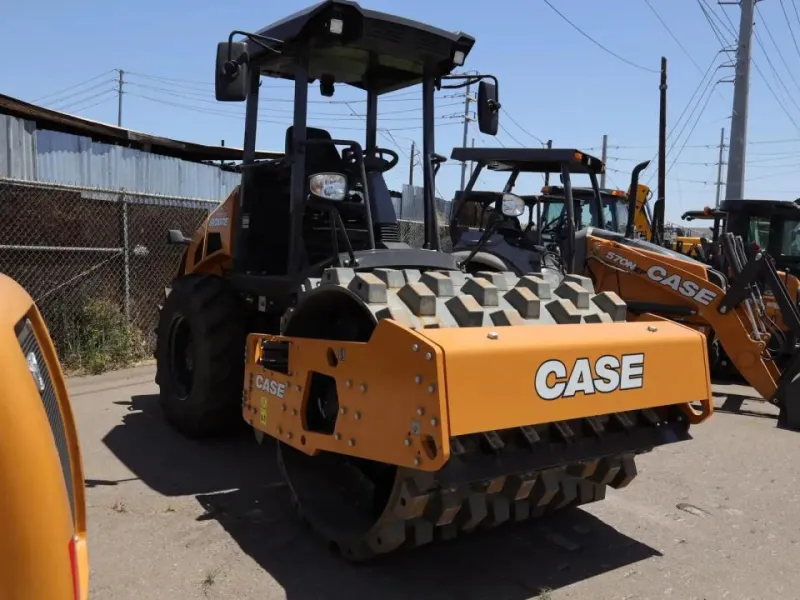
Match the drum to how the soil behaves. In cohesive soils such as clay, silt and loam the particles stick together, and padfoot drums with high amplitude work best. In non-cohesive soils such as sand and gravel the particles lie loose, and smooth drums with lower amplitude are more effective. Some smooth-drum machines can take a padfoot shell kit. Ask whether the drum shell, pads and scrapers are original, worn or replaced. |
| What size and vibration settings matter? |
Compare drum width, weight class and how the vibration can be adjusted. Compaction results depend on the amplitude and frequency of the vibration or oscillation; the right settings reach target density in fewer passes. Weight classes run from light machines for trenches and small lots to heavy compactors for highway earthwork. Drum width decides how many passes a lane or pad needs. Check which vibration modes the exact machine has, and whether it offers adjustable or automatic amplitude. |
| What should you inspect on a used compactor? |
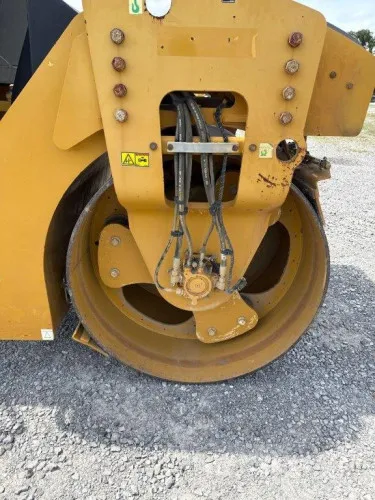
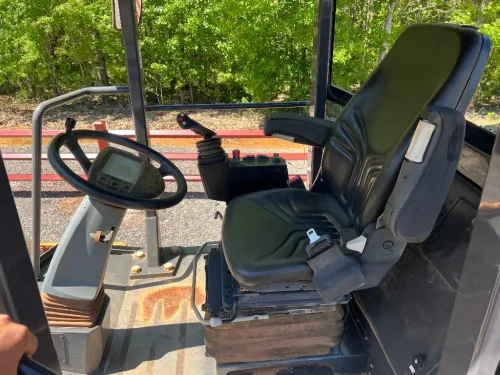
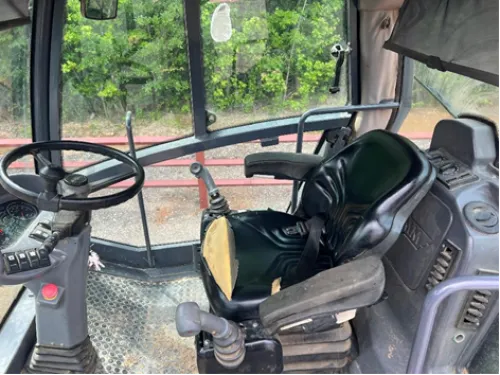
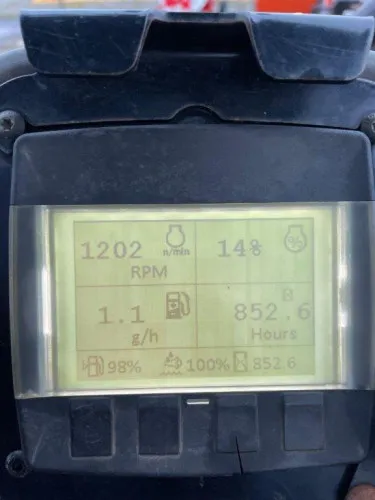
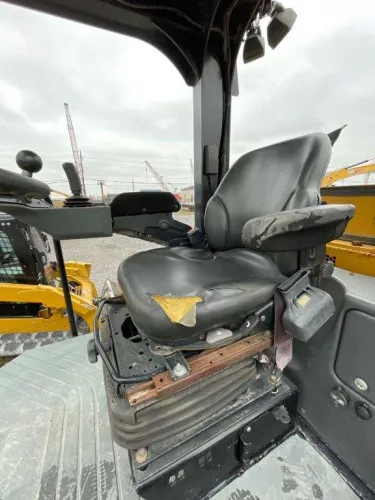
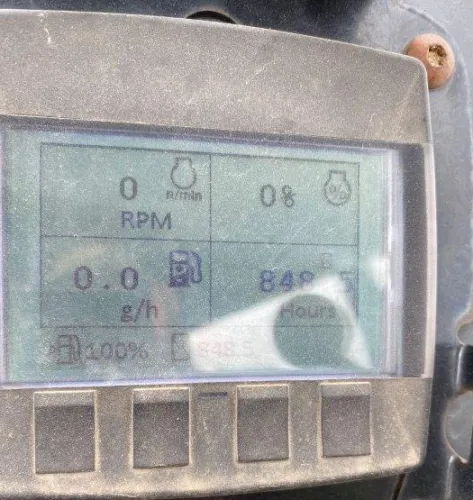
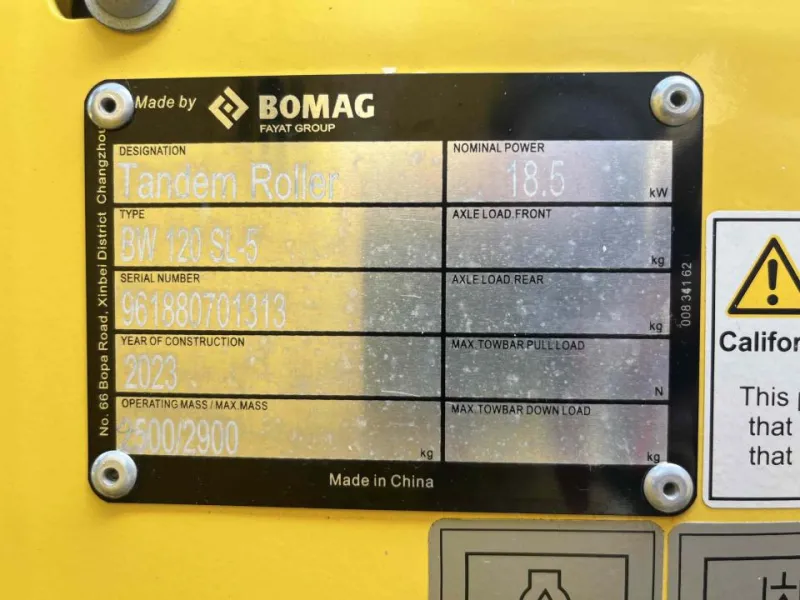
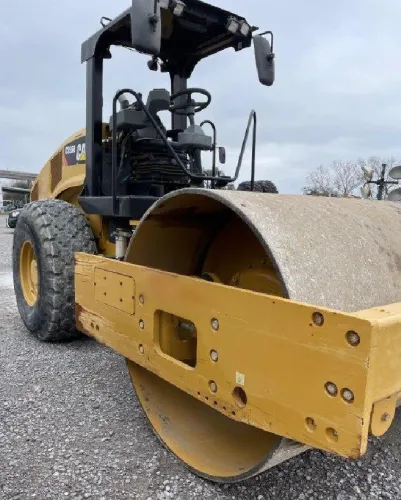
Review the drum, vibration system and drivetrain before making an offer. Look at the drum surface for flat spots, cracks and worn pads, and check the scrapers and drum mounts. Run the vibration in each mode and listen for unusual noise. On asphalt rollers, test the water spray system and nozzles. Drive forward and reverse, test the brakes, and confirm the seat belt, horn and reverse alarm work. Ask for service records.
|
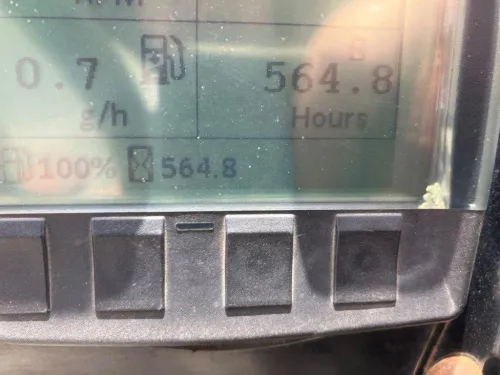
Asking prices for compactors on MachineryList currently range from $44,600 to $116,600, across 60 listings that show a price. The equipment market changes constantly as machines sell and new ones are listed, so treat this as a starting point, not a quote. Year, hours, condition and options move the price most.
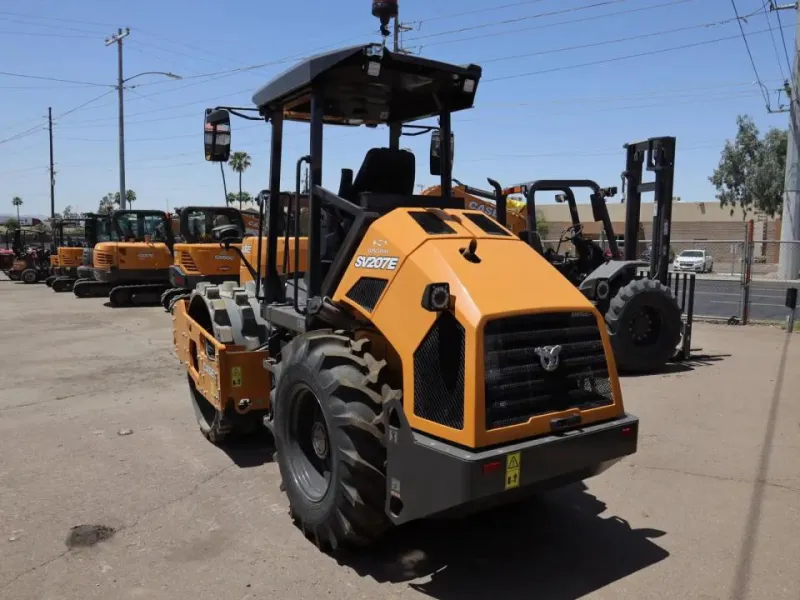
JCB explains that tandem rollers have two smooth steel drums, are designed to compact asphalt and finish area rather than volume, and run from about 1 to 17 tonnes. Soil compactors have one front drum and rear tires, are built to compact volume, and run from about 7 to 21 tonnes.
Use a padfoot drum for cohesive soils such as clay, silt and loam, and a smooth drum for non-cohesive soils such as sand and gravel. The Wirtgen Group, which owns HAMM, recommends high amplitude with padfoot drums and lower amplitude with smooth drums for those soils.
Amplitude is how far the drum moves with each vibration, and frequency is how many times per second it vibrates. Together they decide how much compaction energy reaches the material. With the right settings for the soil and layer, the target density is reached in considerably fewer passes.
Wacker Neuson recommends rammers for cohesive soils such as clay and loam and for trenches, and vibratory plates for non-cohesive or mixed ground such as sand, gravel or chippings. Reversible plates can move forward and backward and cover a larger area.
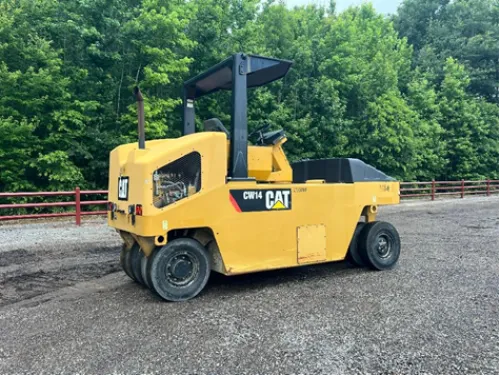
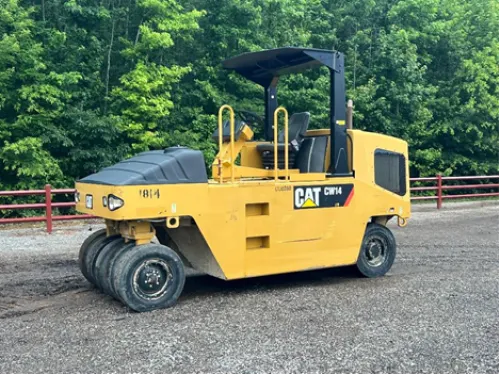
A pneumatic roller uses a set of rubber tires instead of steel drums, mainly on asphalt and surface layers. Weight can be changed with ballast; Cat lists its CW34 eight-wheel roller at an operating weight range of 22,050 to 59,525 lb with a water-tight ballast chamber.
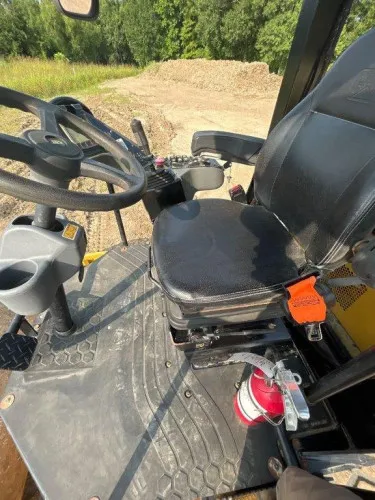
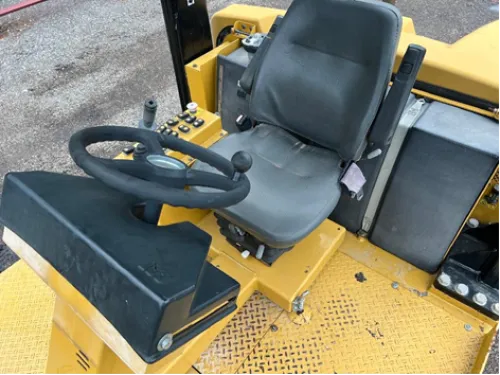
OSHA lists rollers and compactors among the bidirectional machines that need a horn, and a reverse alarm or signal person when the rear view is obstructed. Earthmoving equipment also needs seat belts unless designed only for standup operation. Check that each works before you buy.