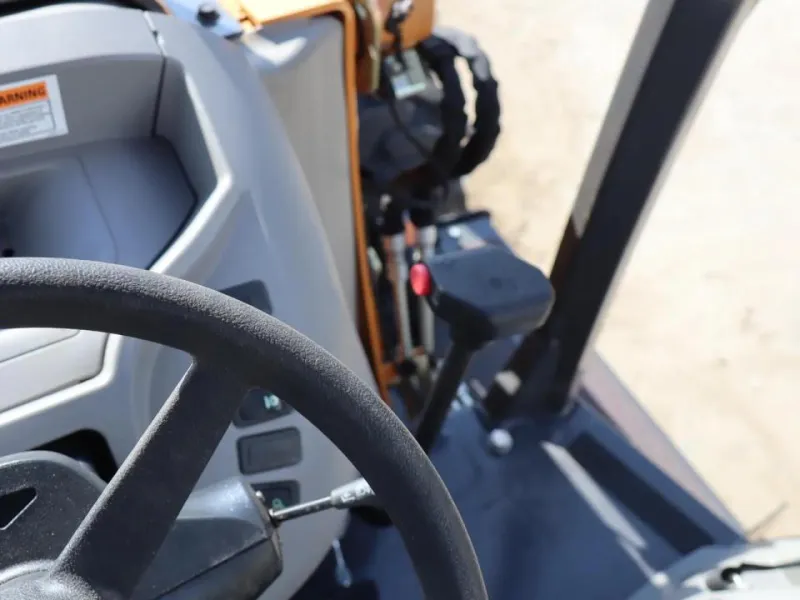
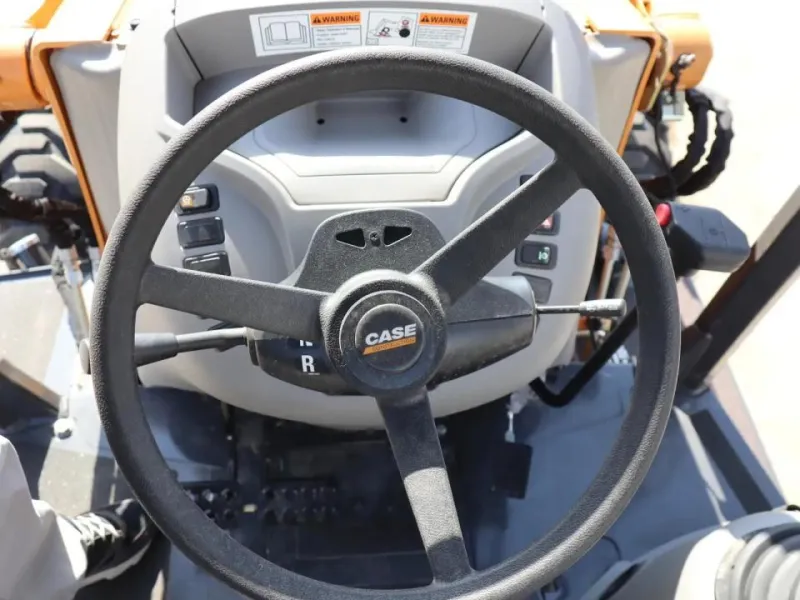
13 skip loaders for sale

Buying guide
How to tell whether a skip loader fits your work, choose a rear attachment and drive, and check a used skip loader before you buy.

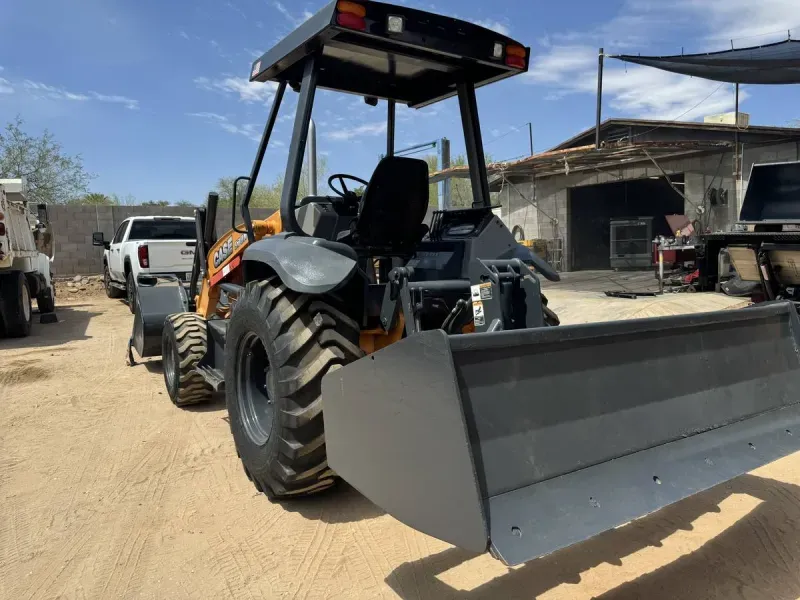
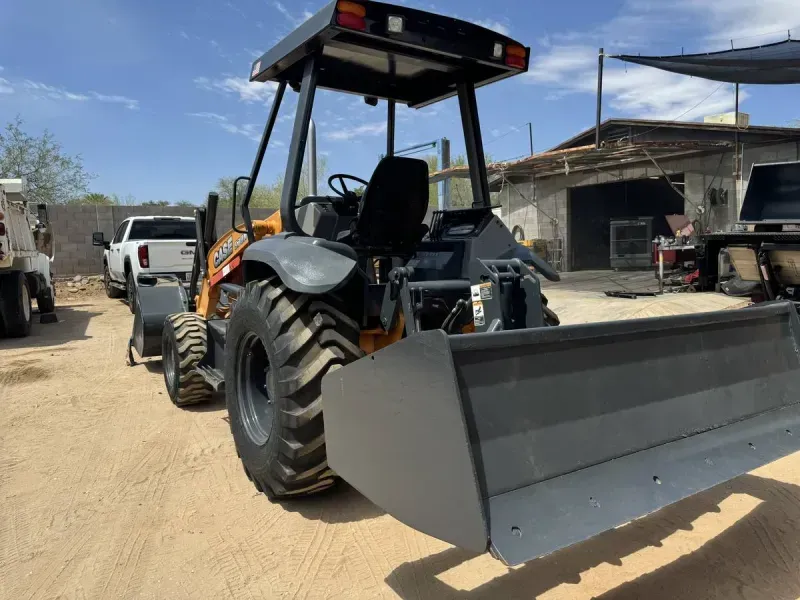
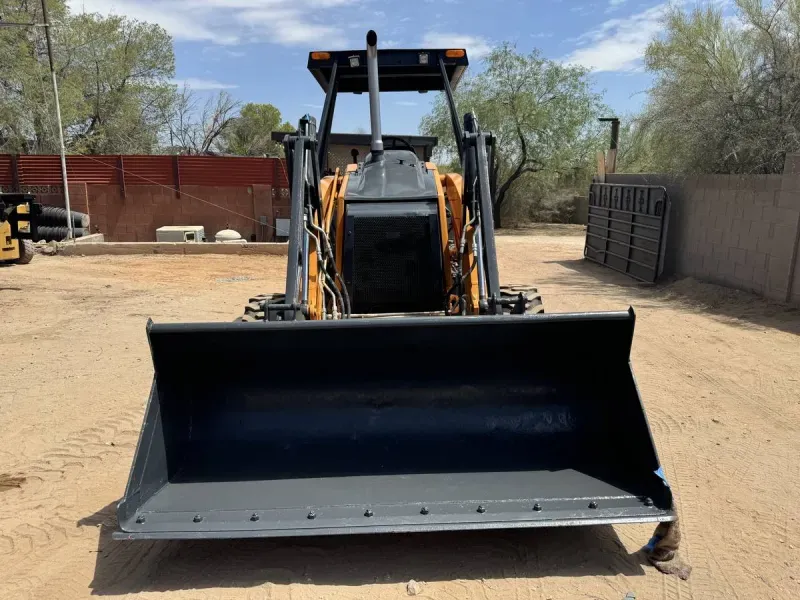
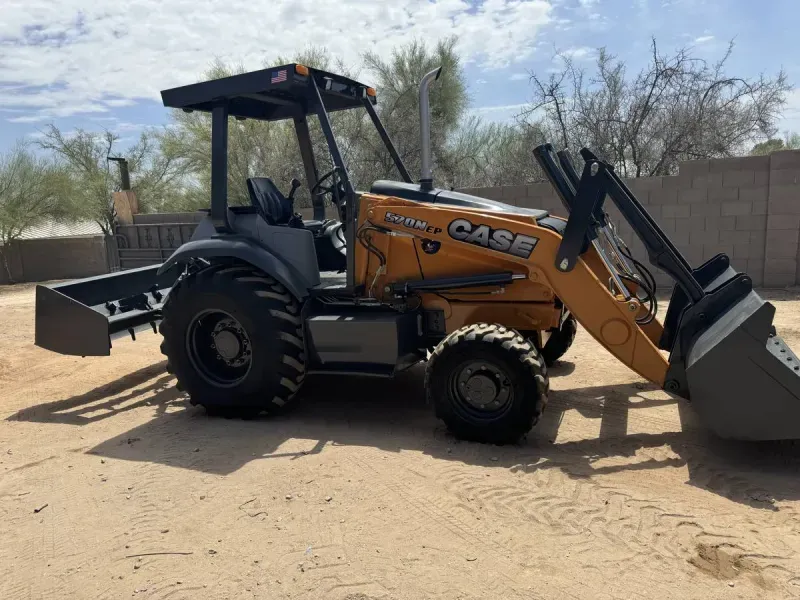
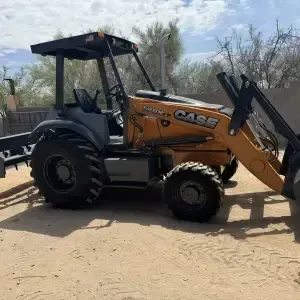
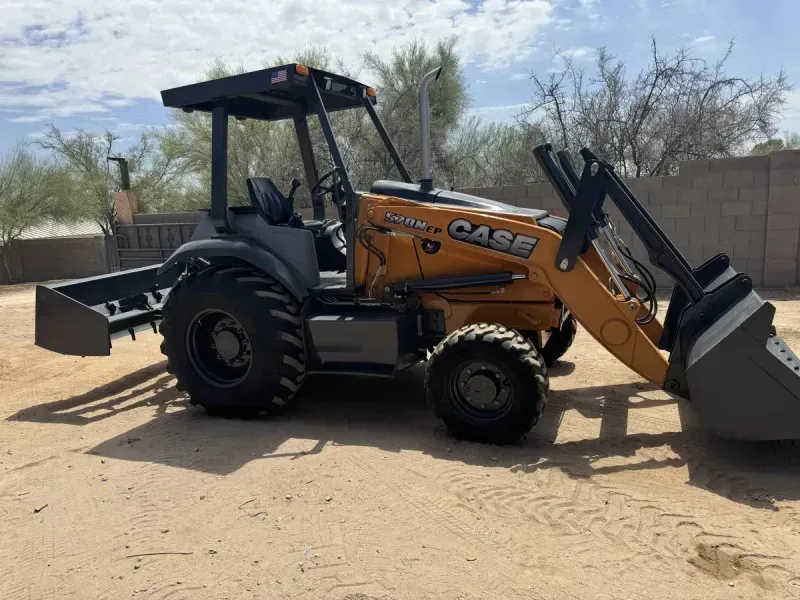
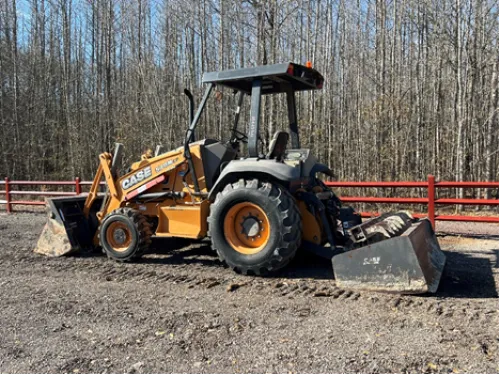
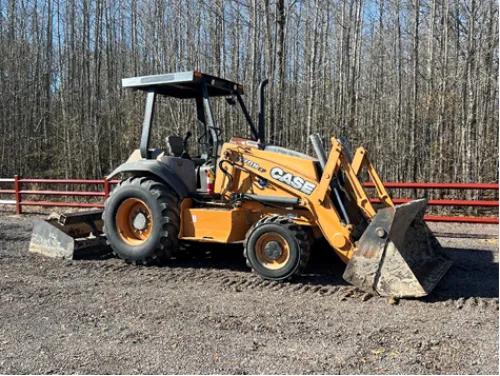
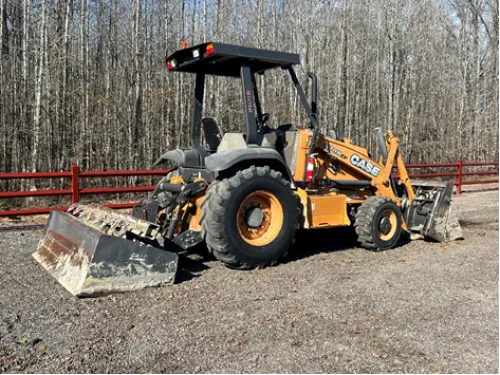
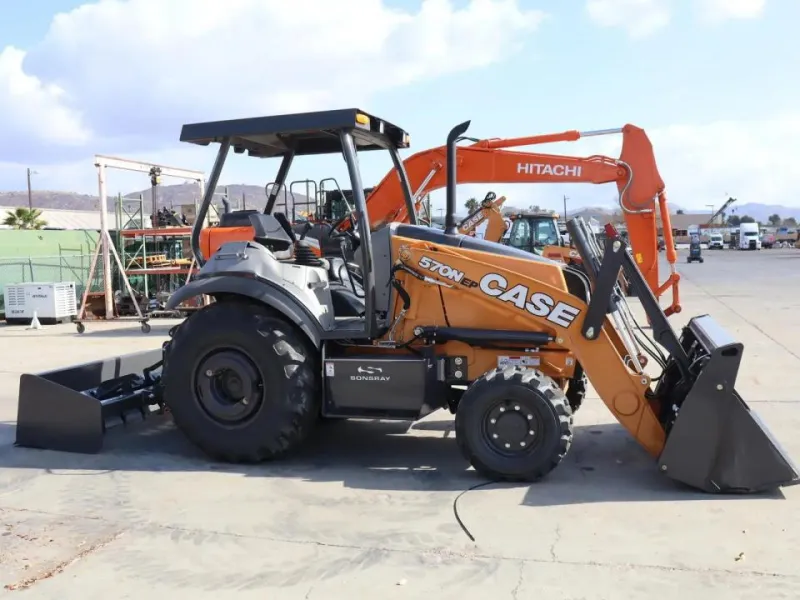
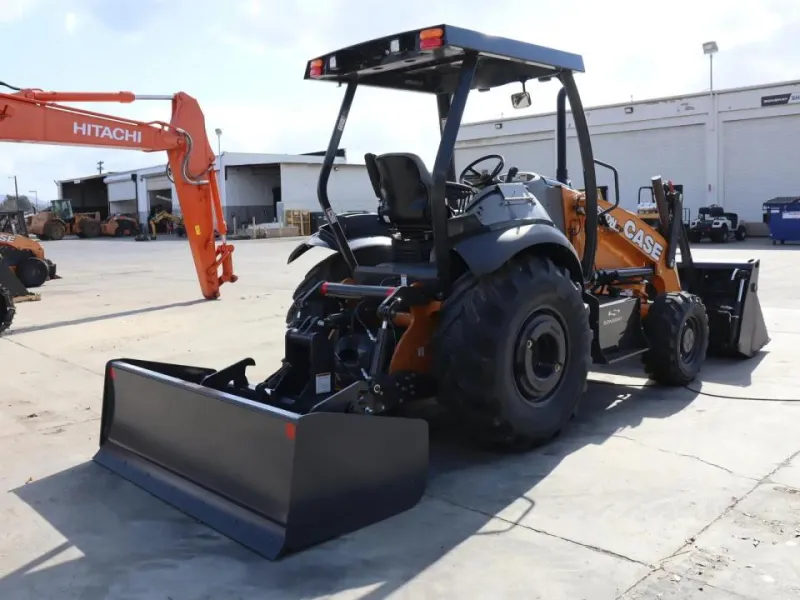
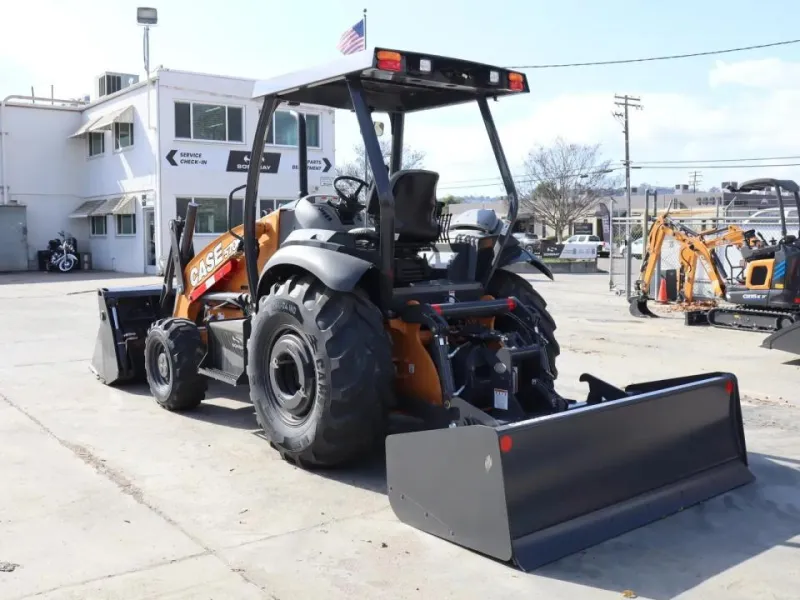
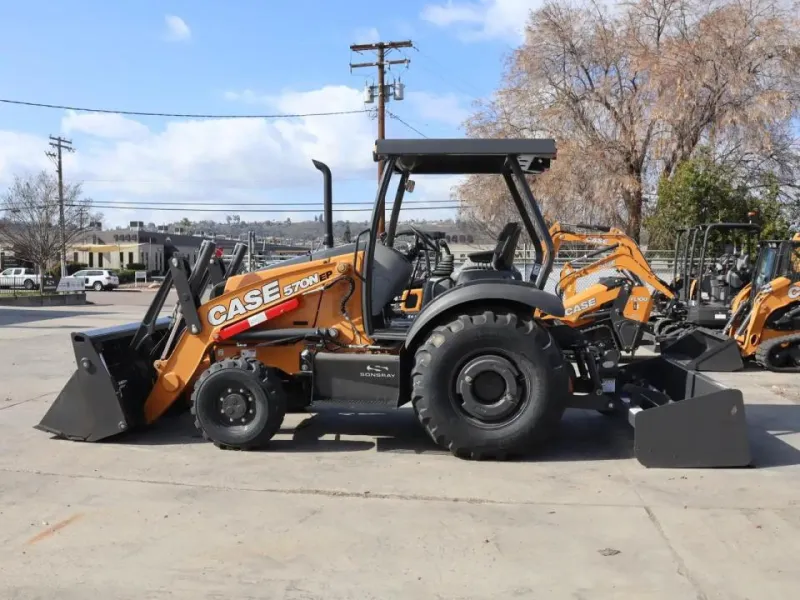
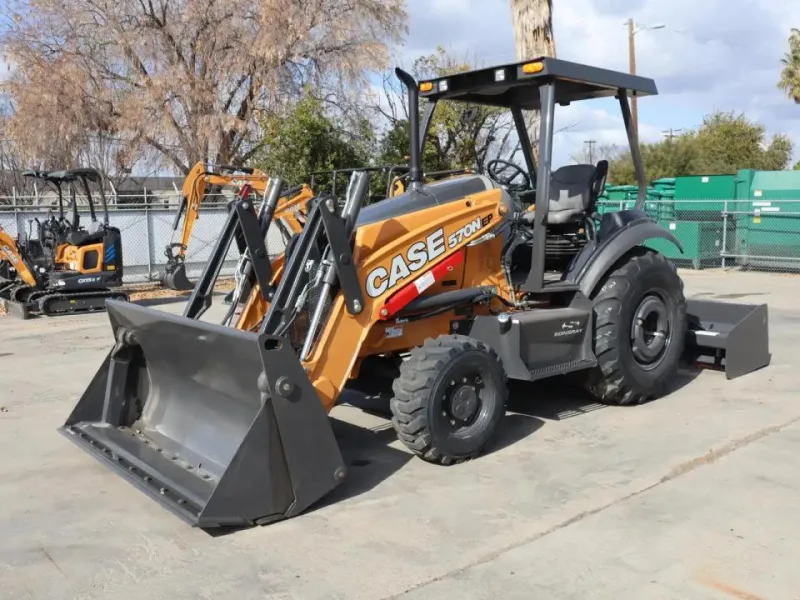
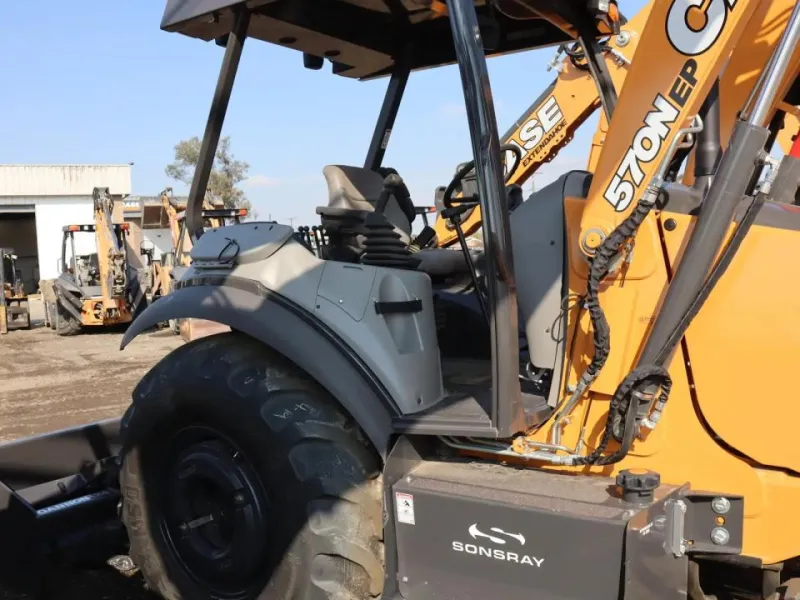
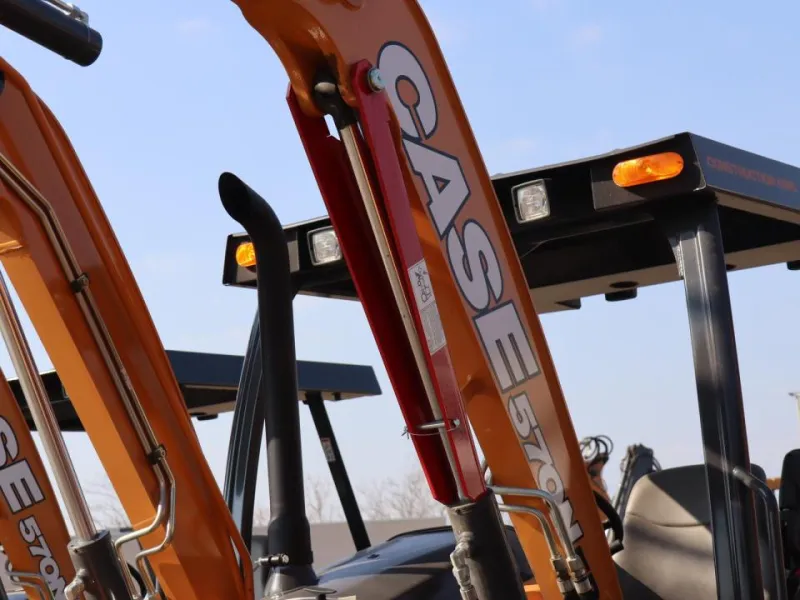
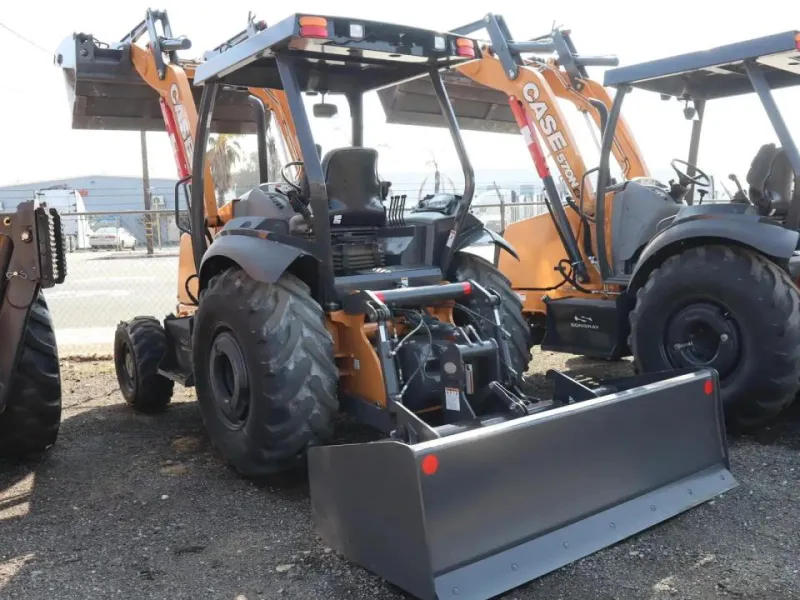
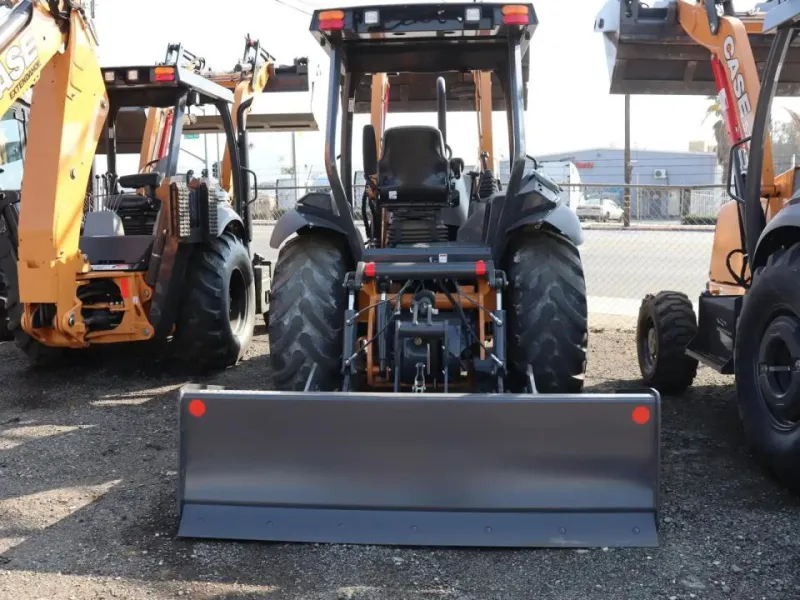
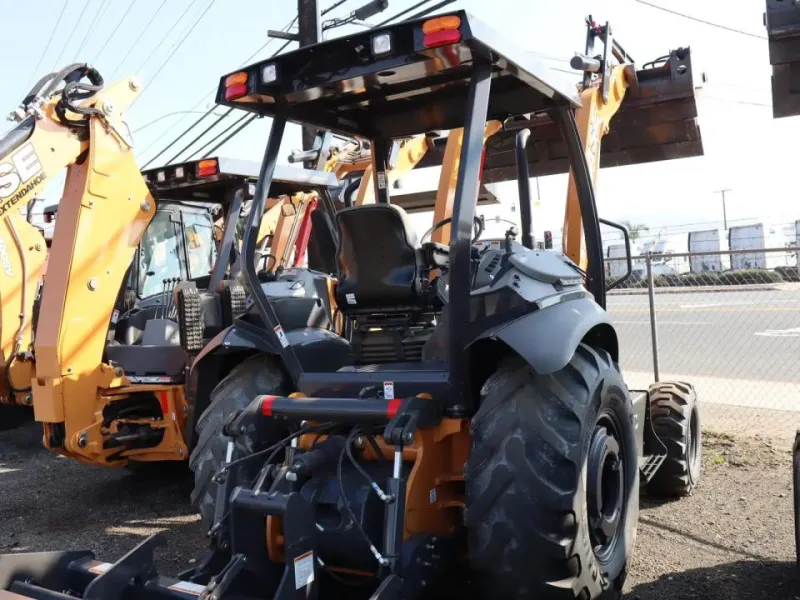
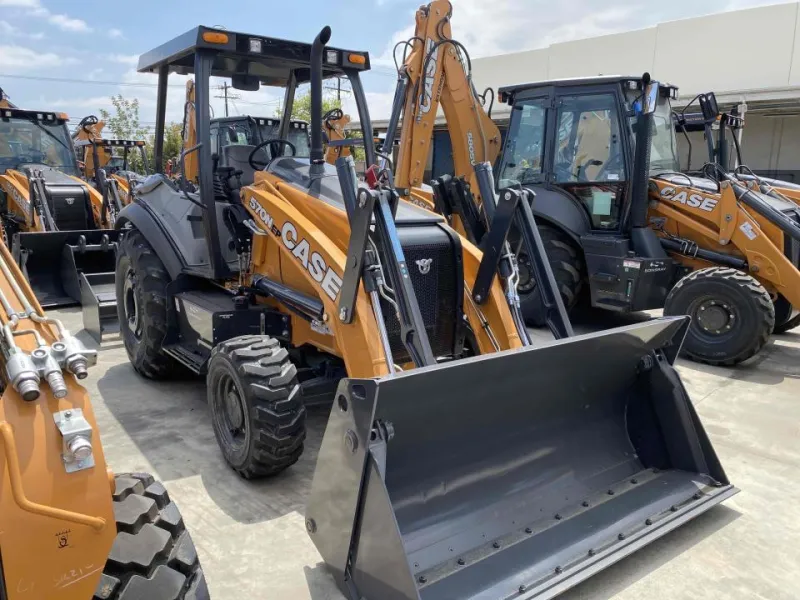
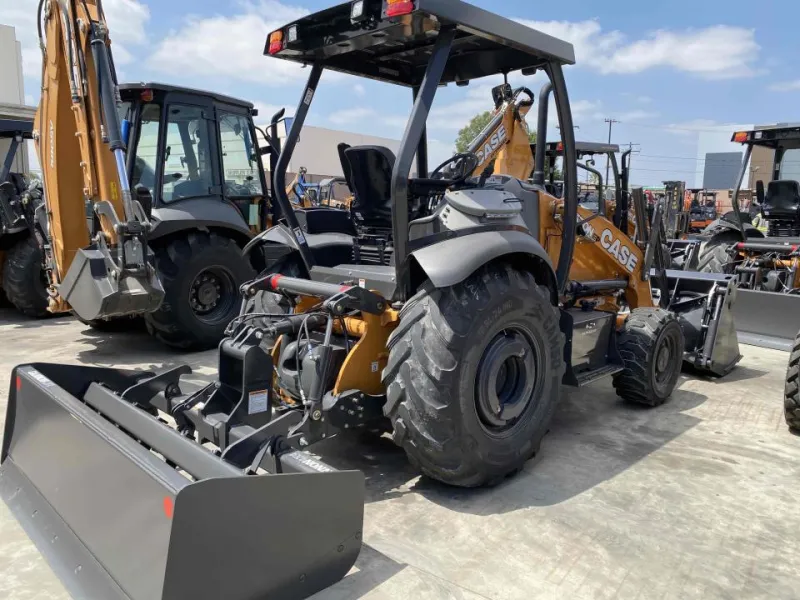
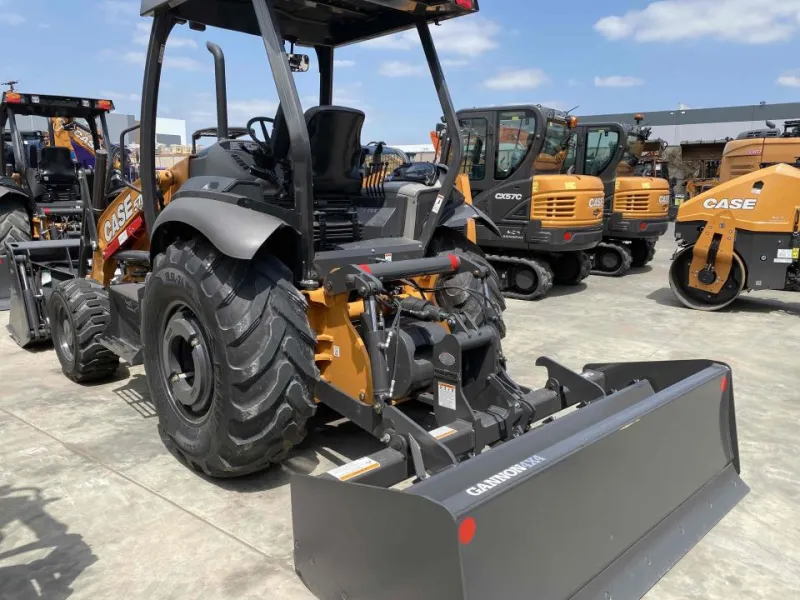
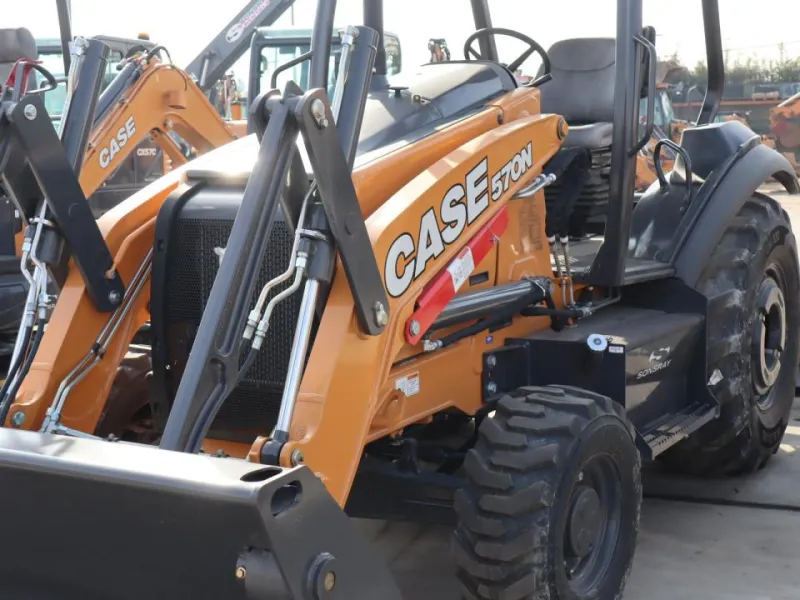
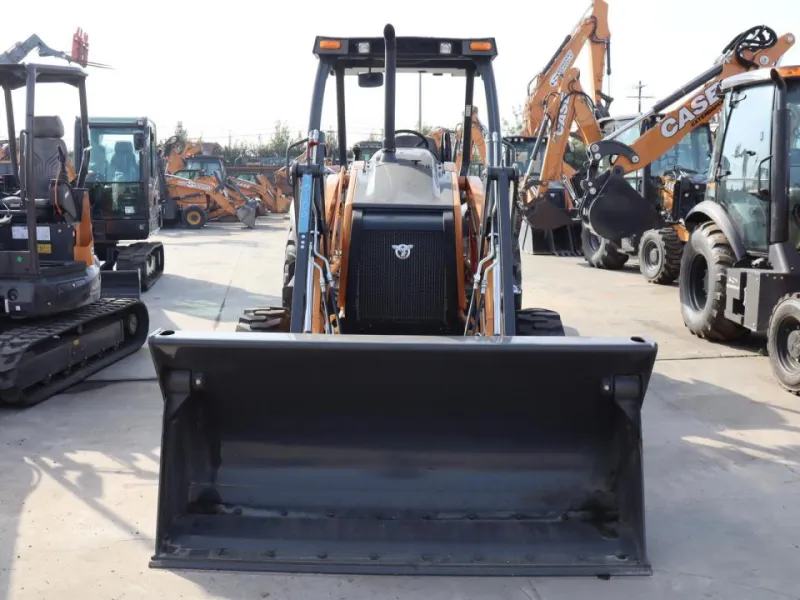
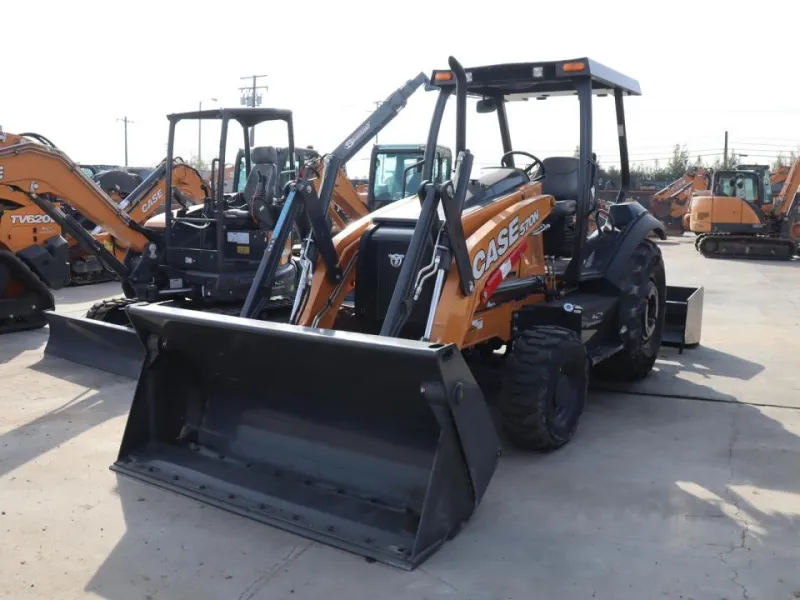
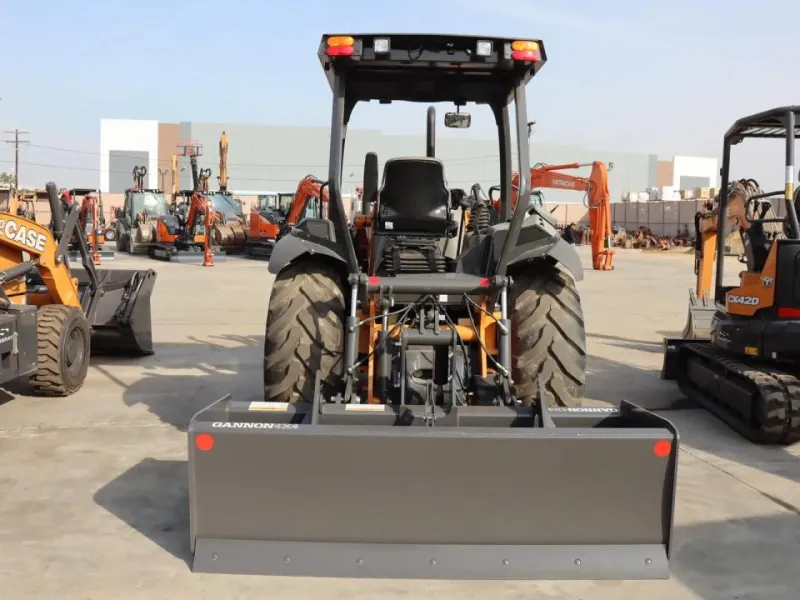
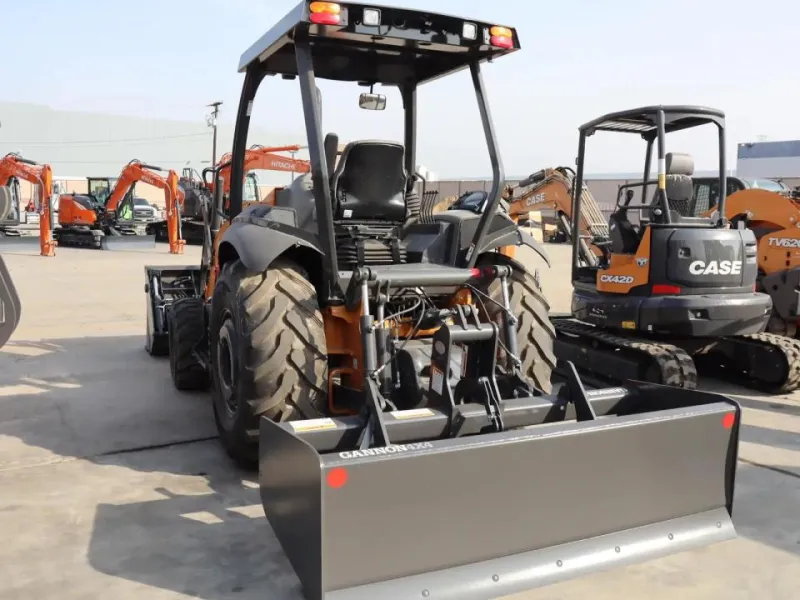
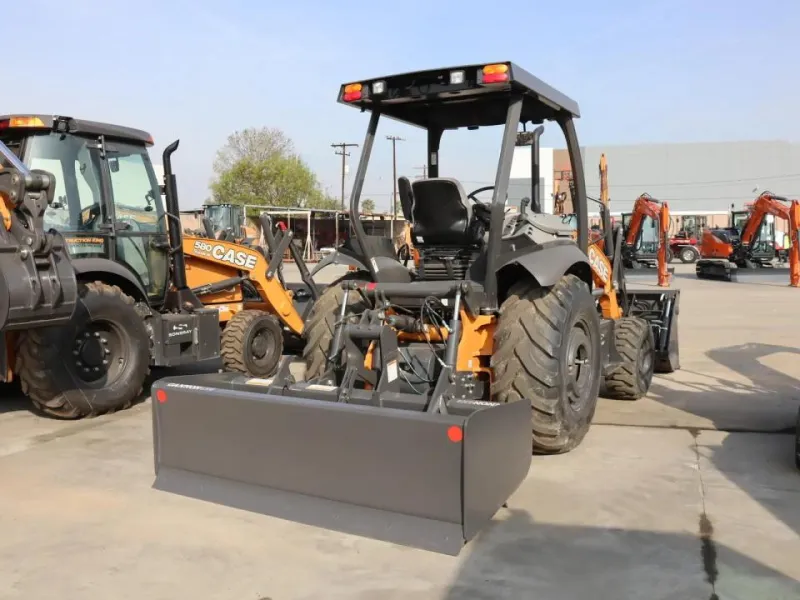
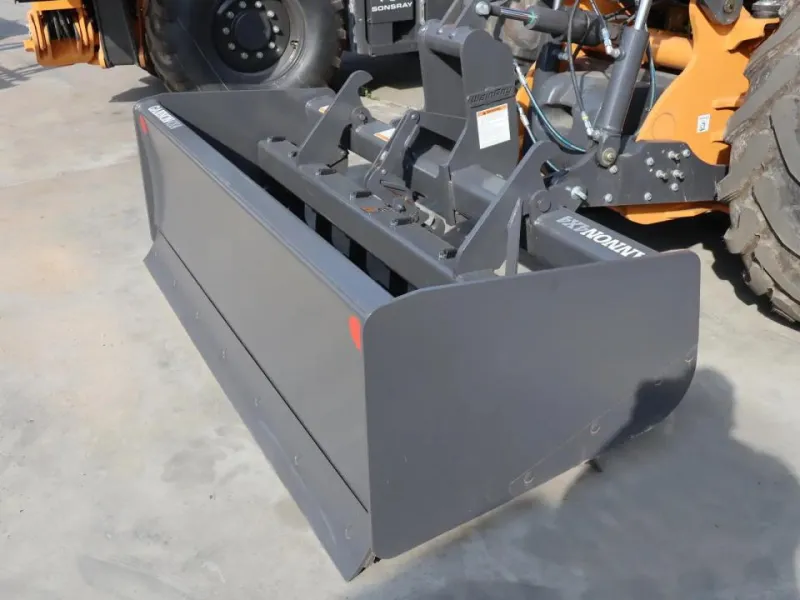
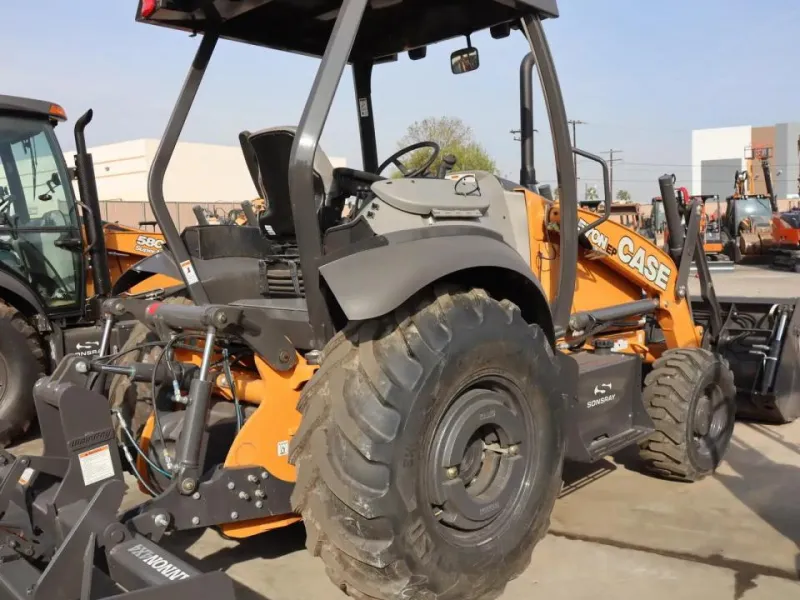
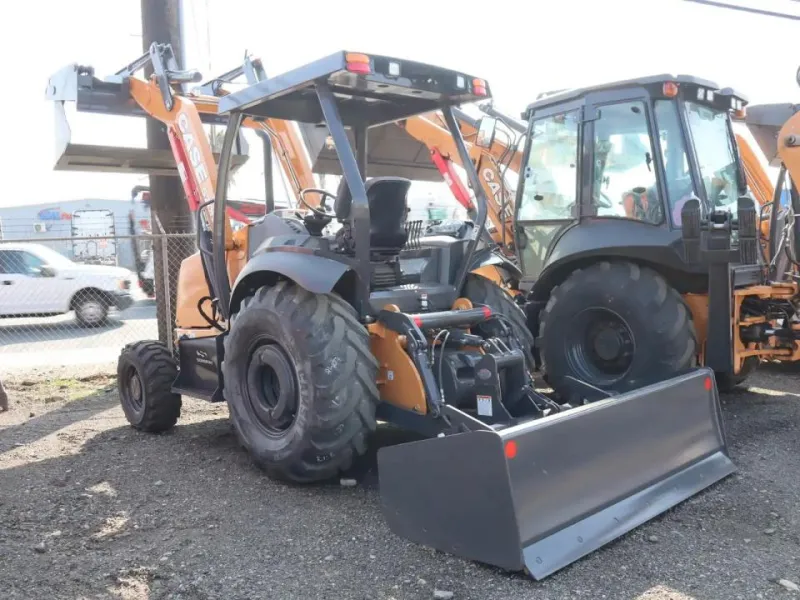
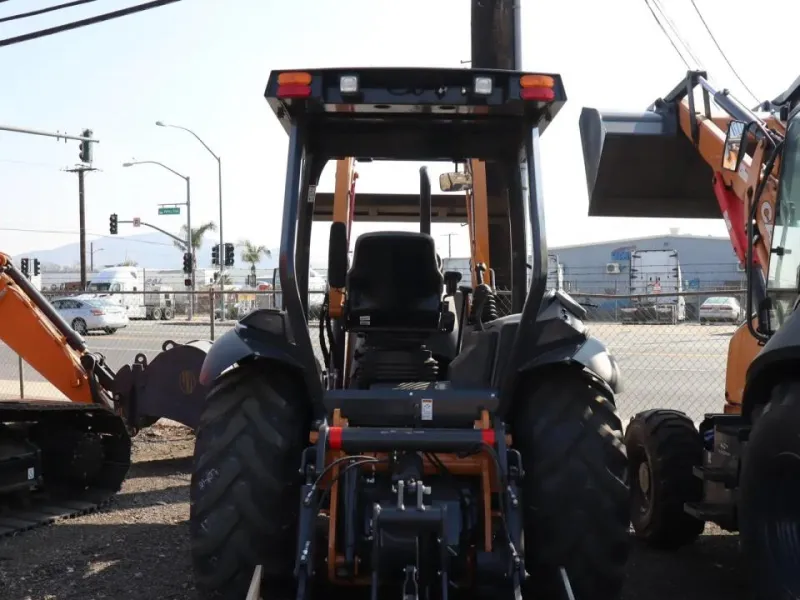
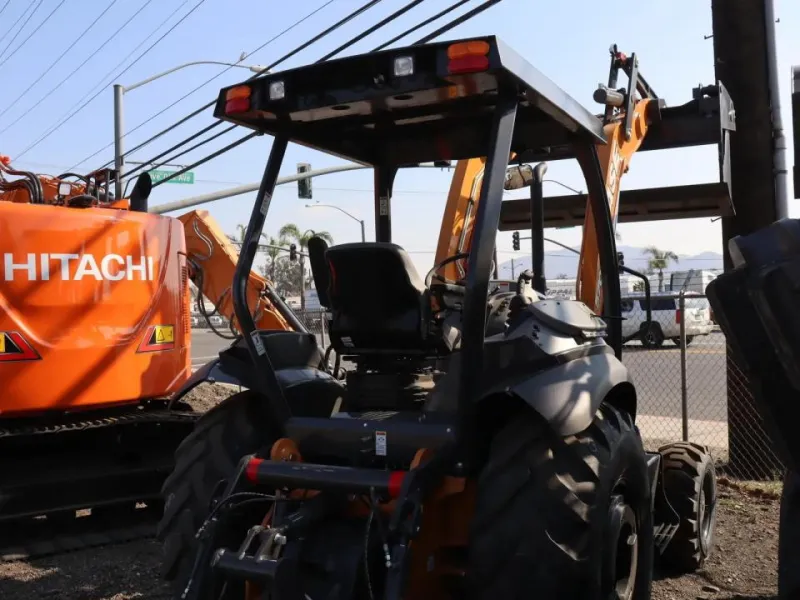
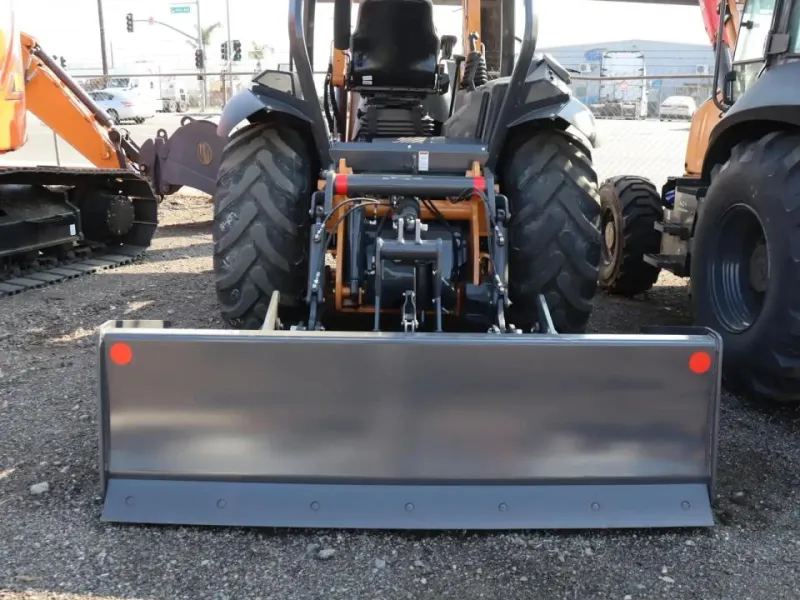
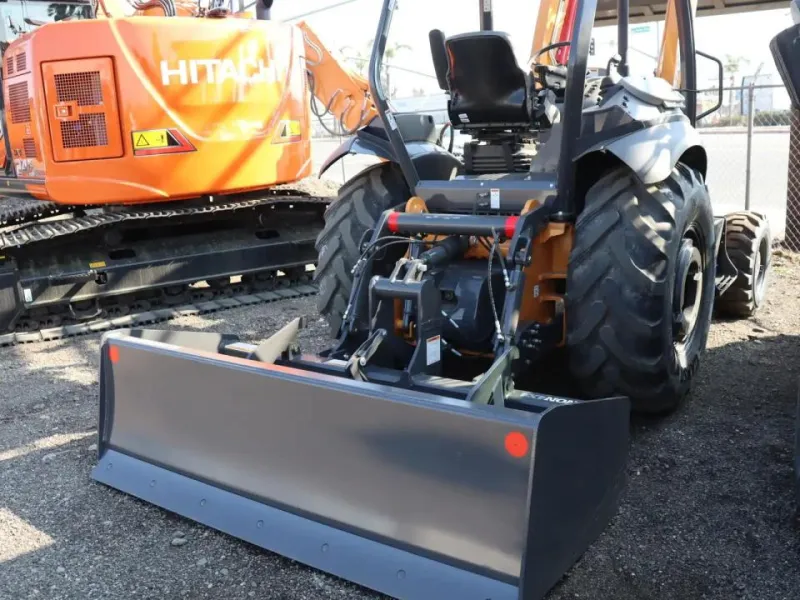
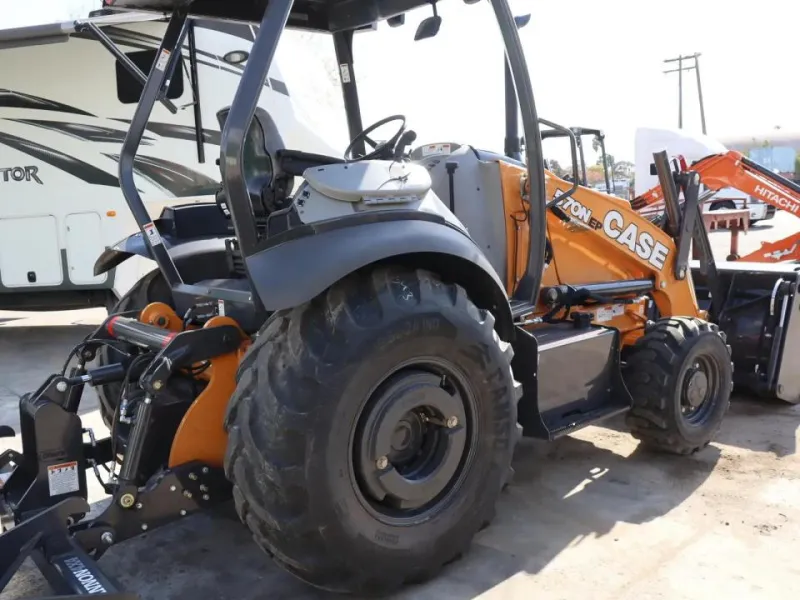
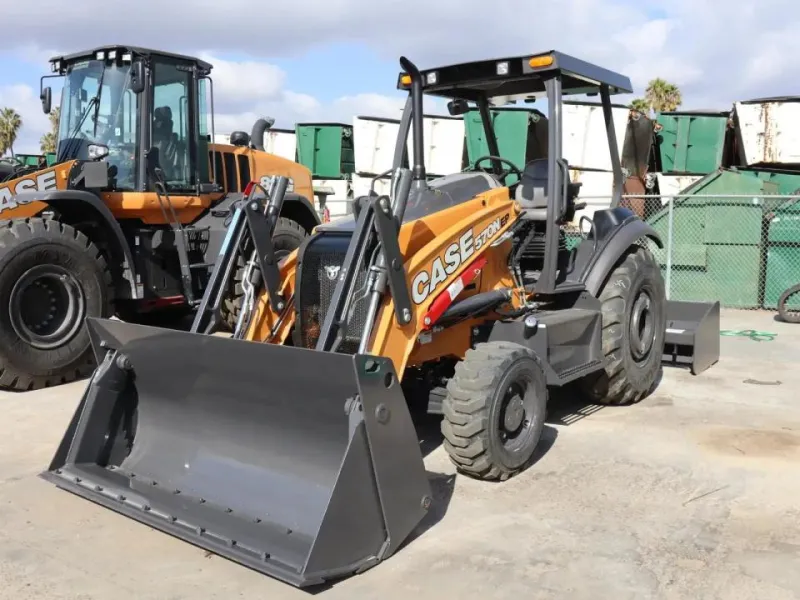
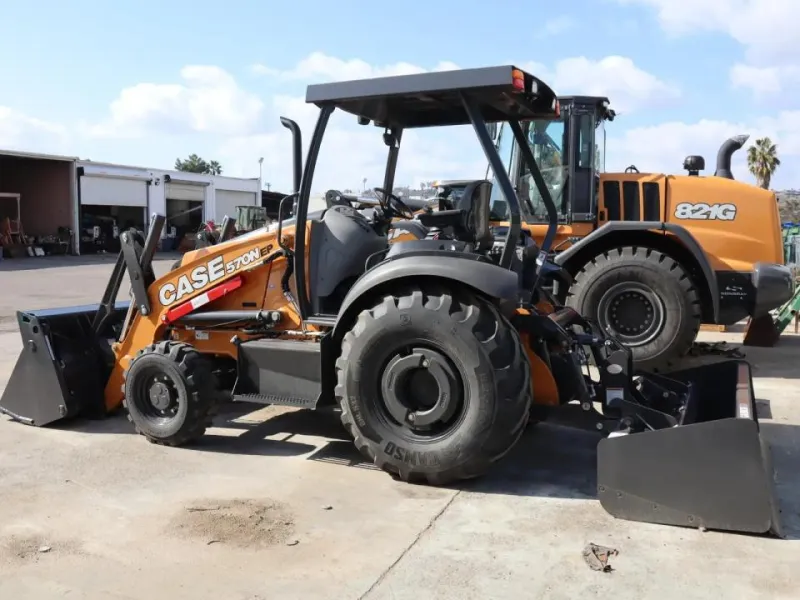
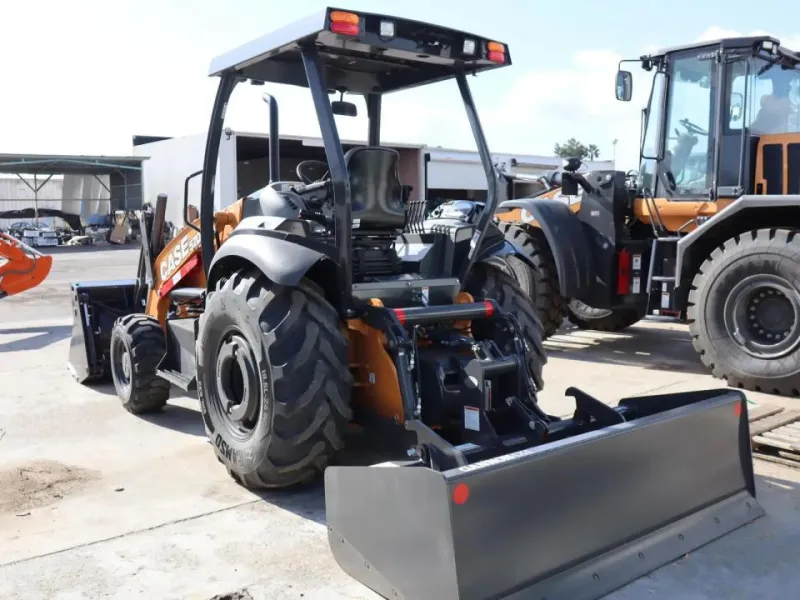
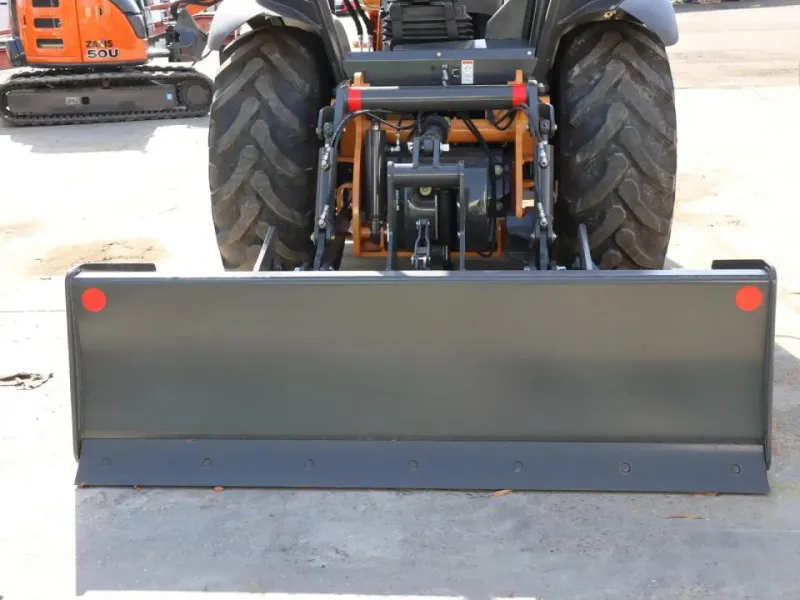
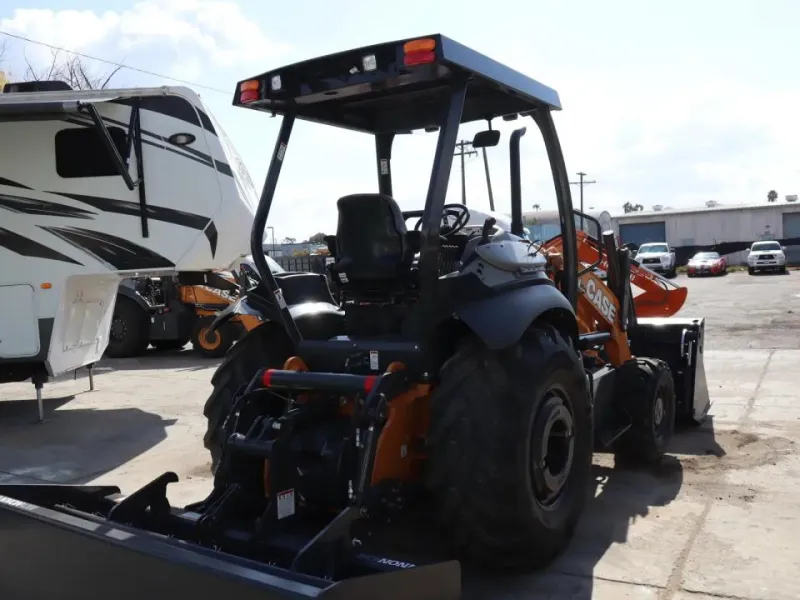
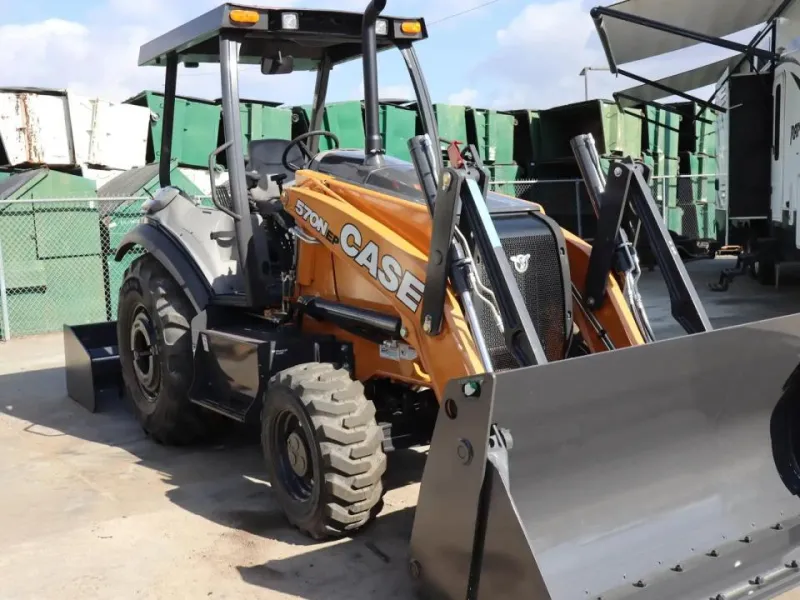
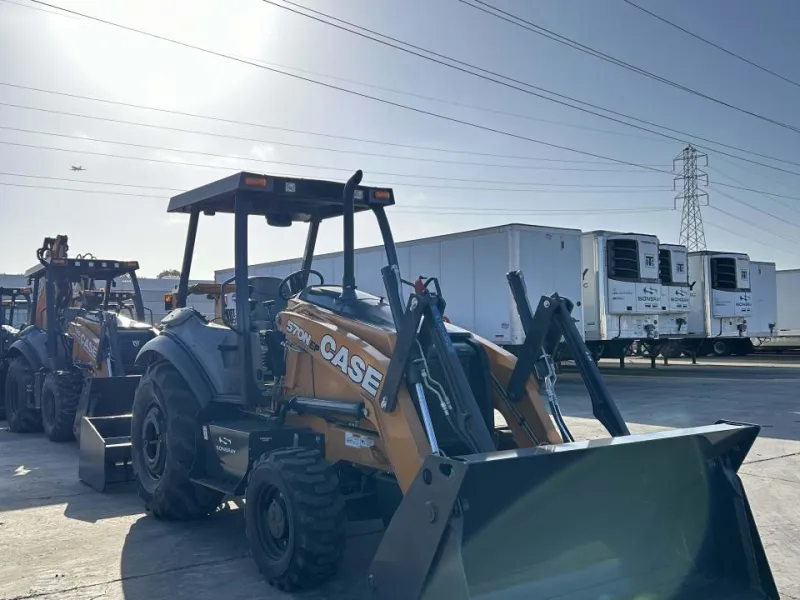
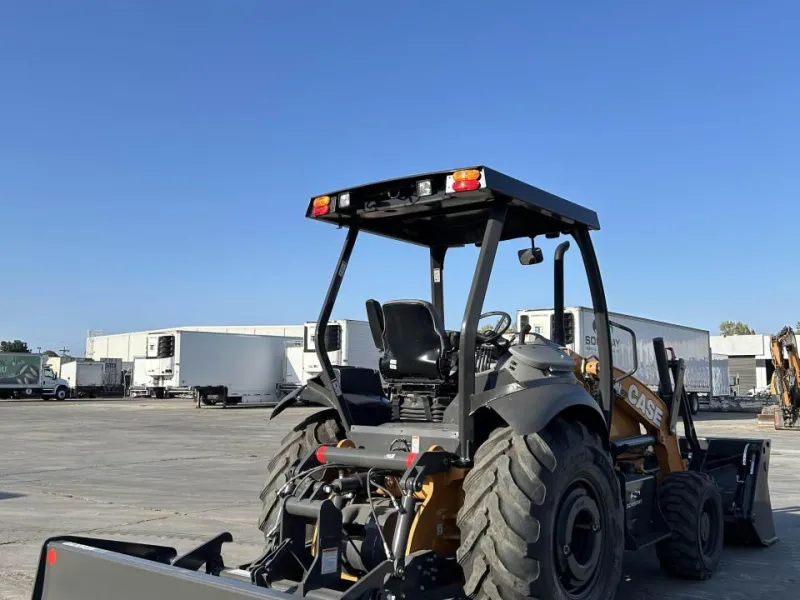
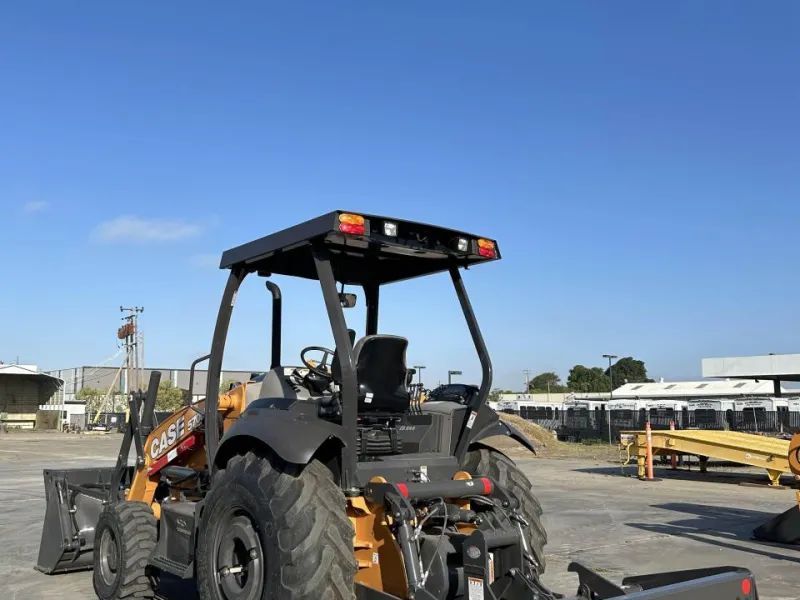
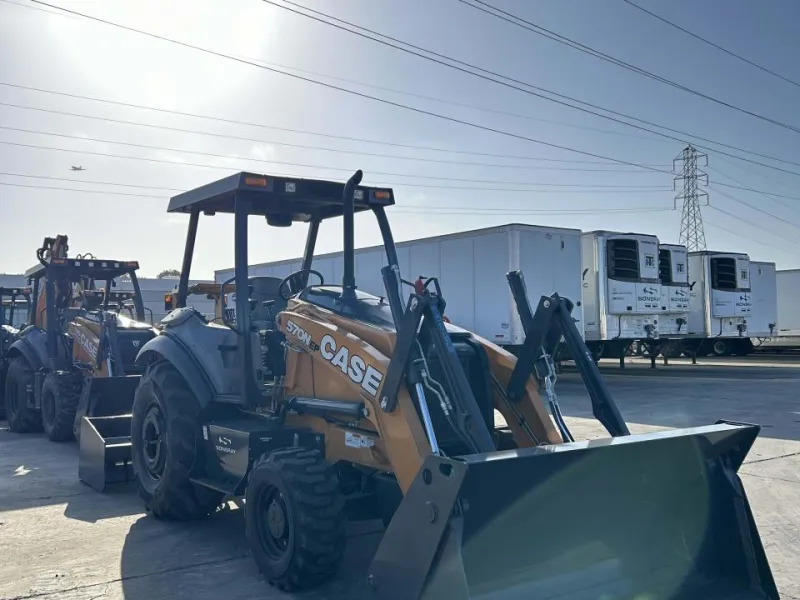
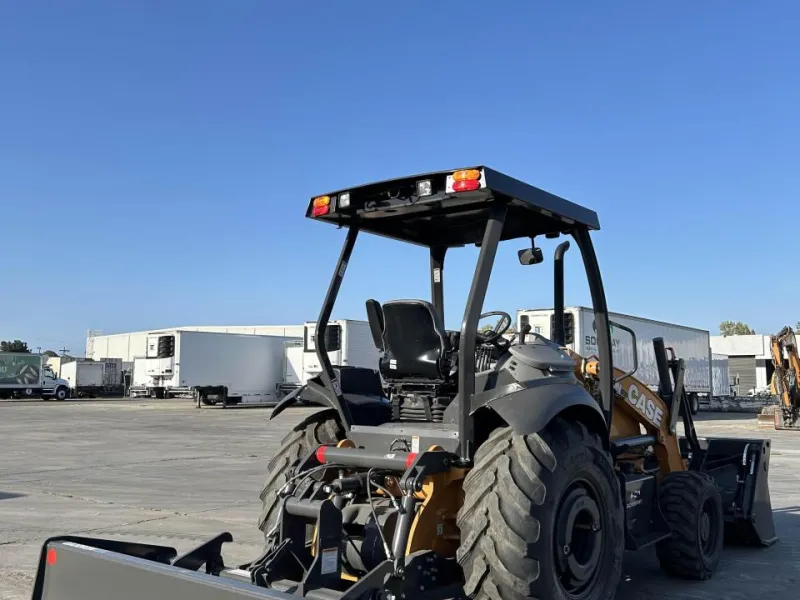
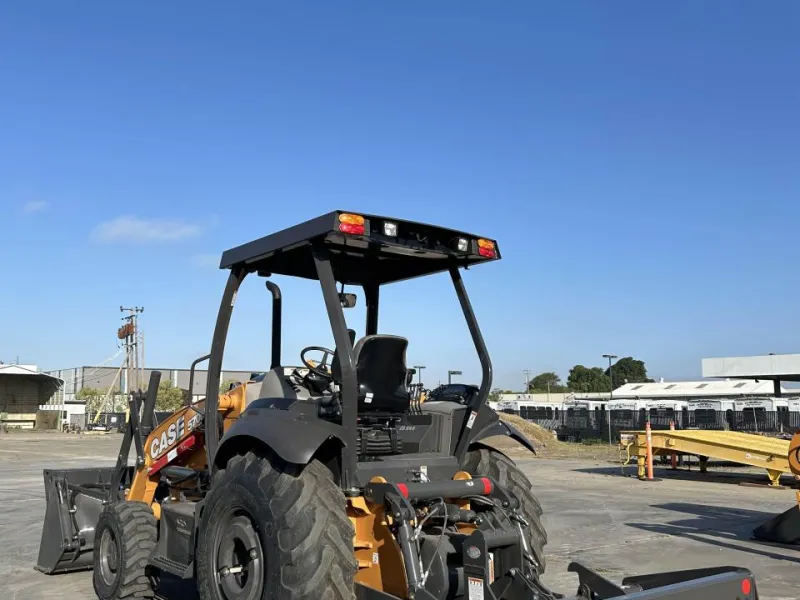
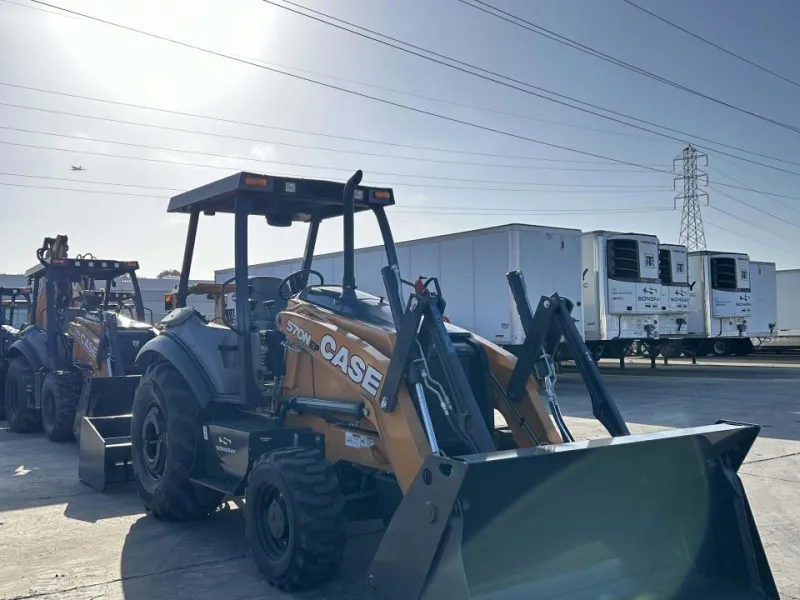
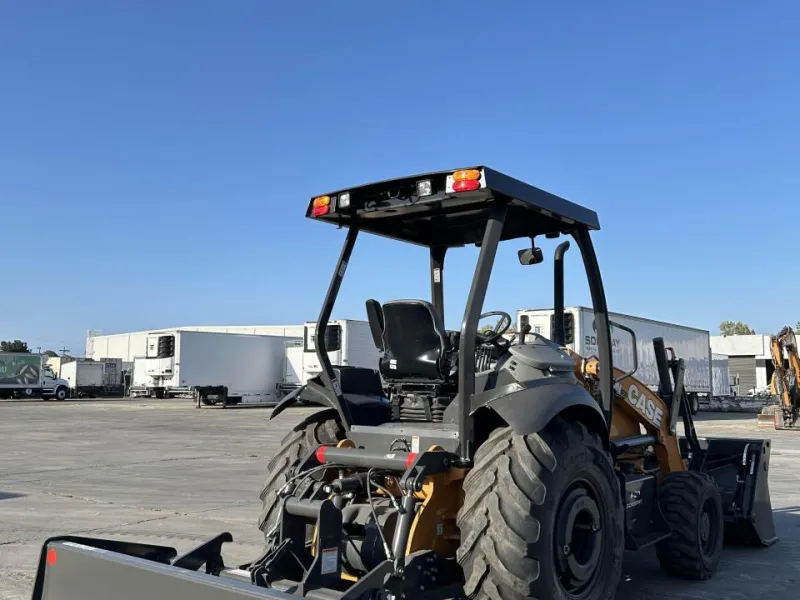
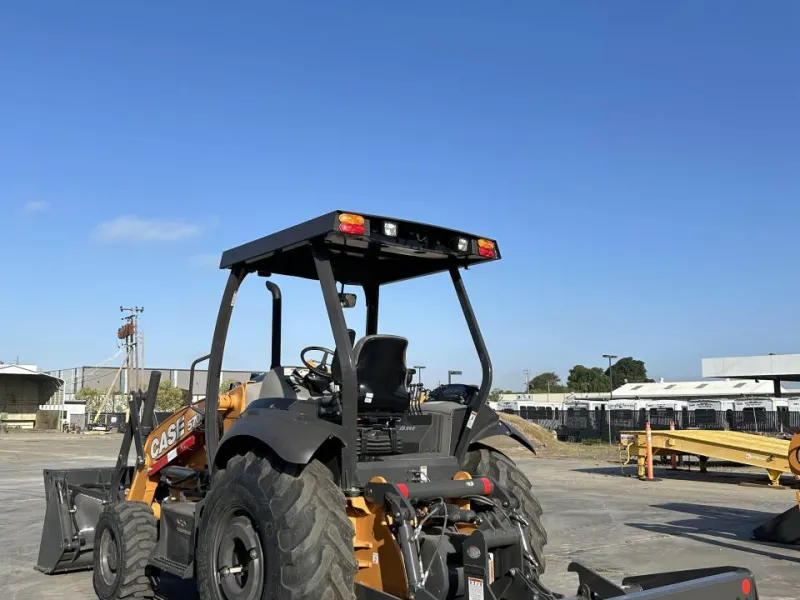
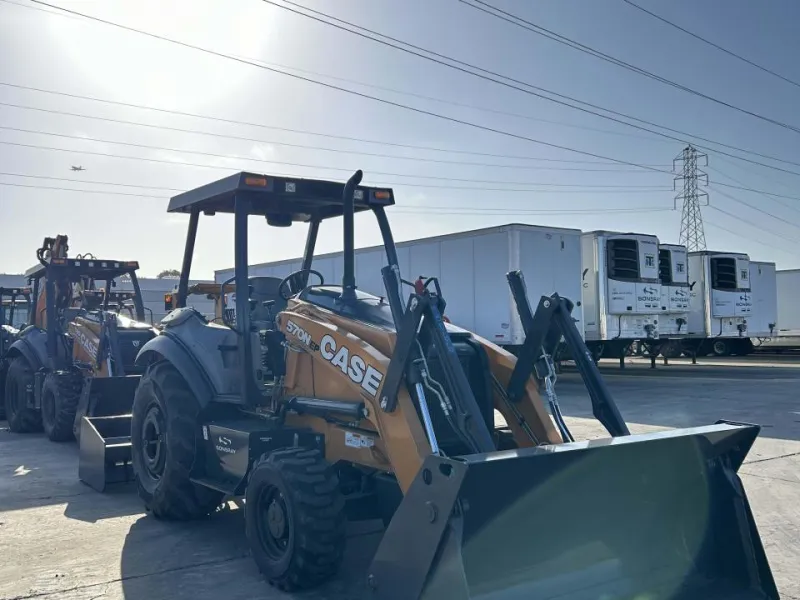
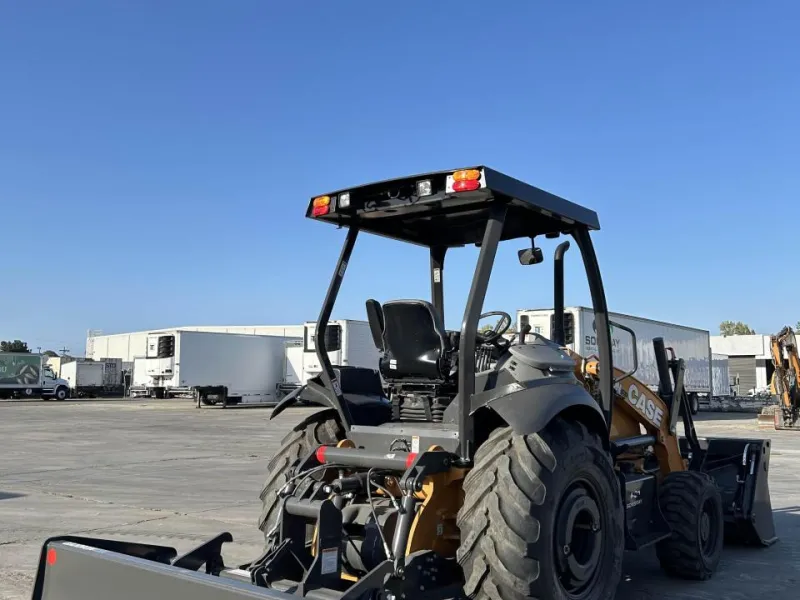
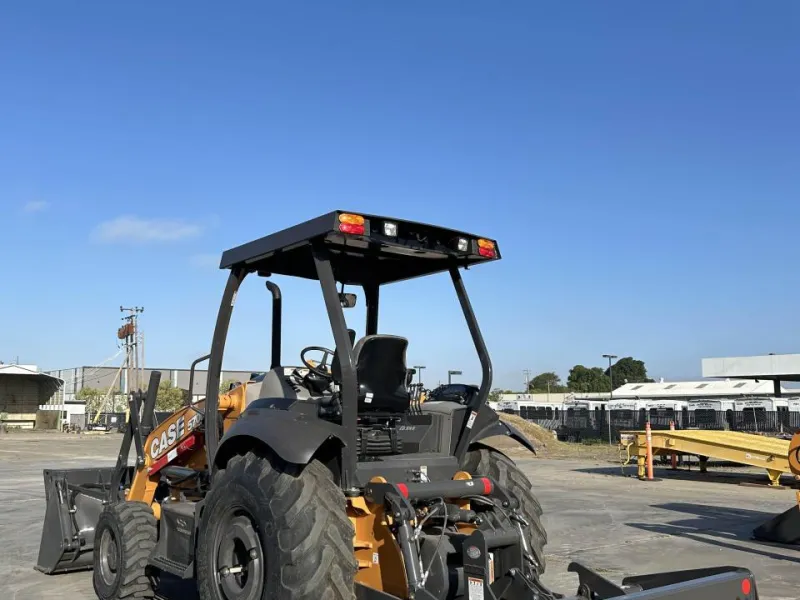
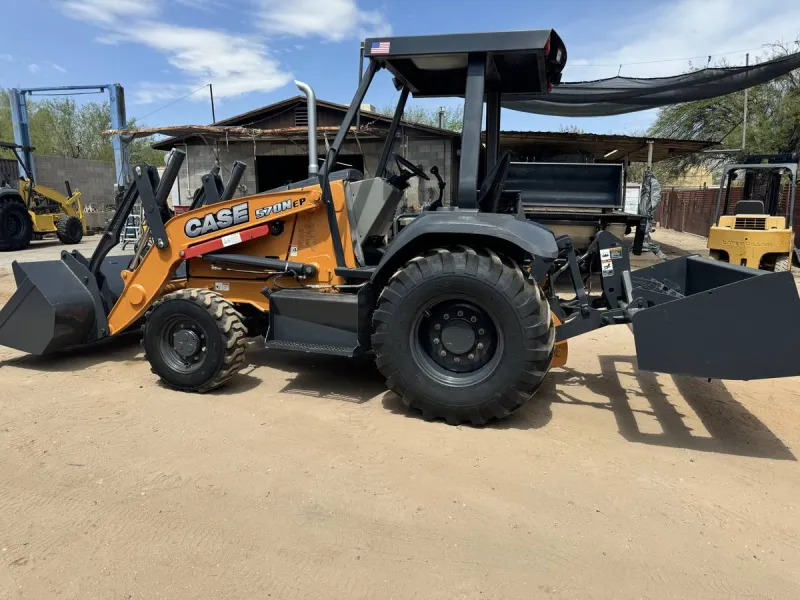
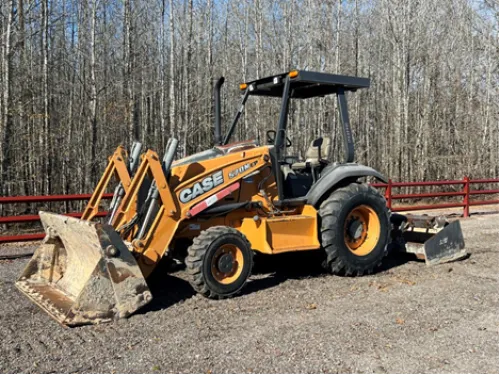
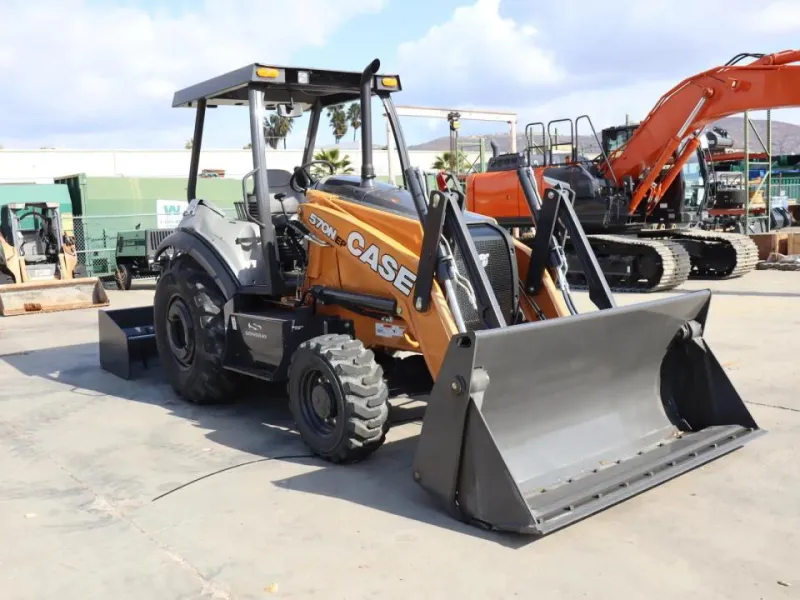
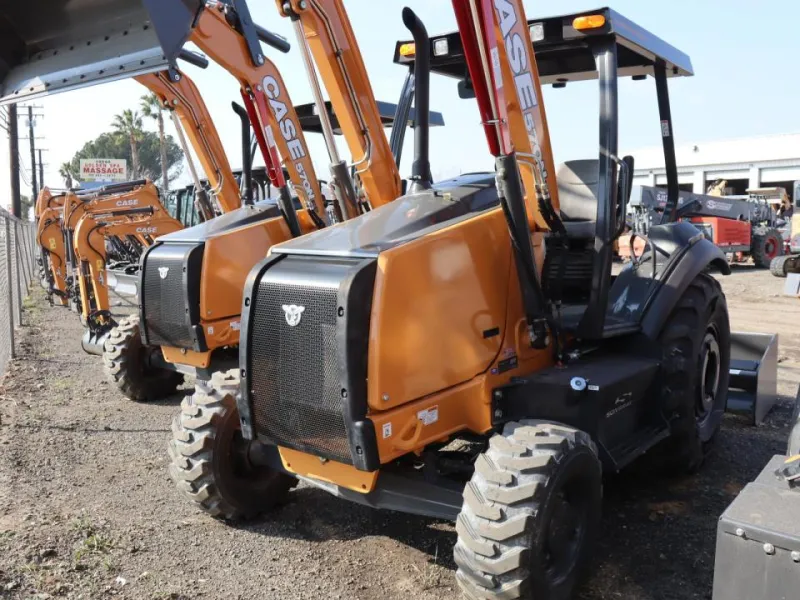
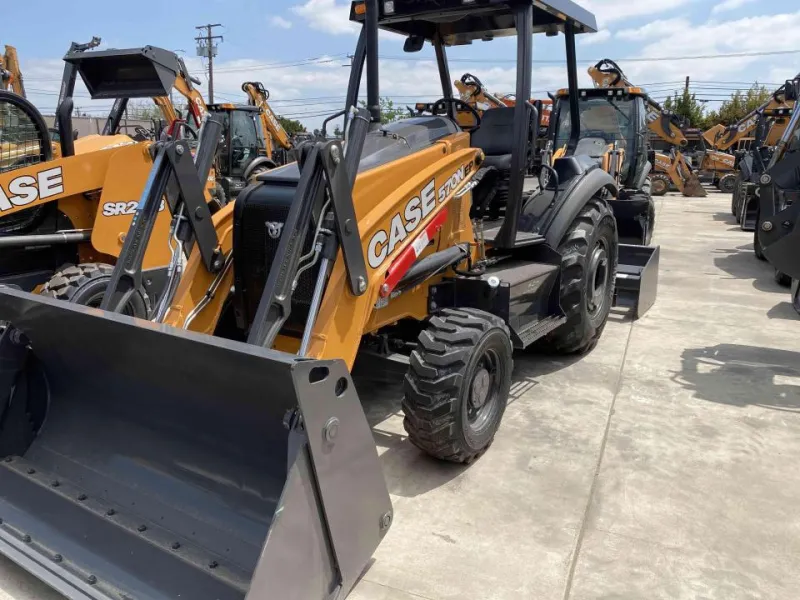
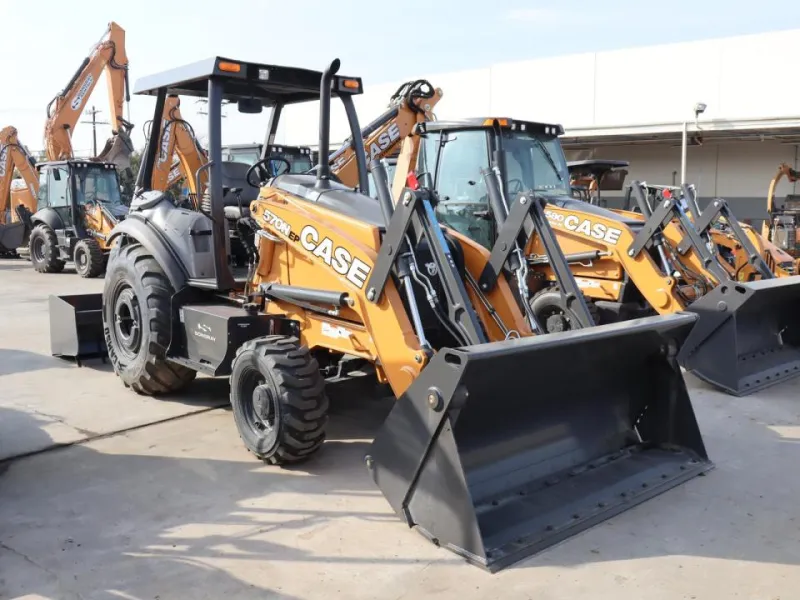
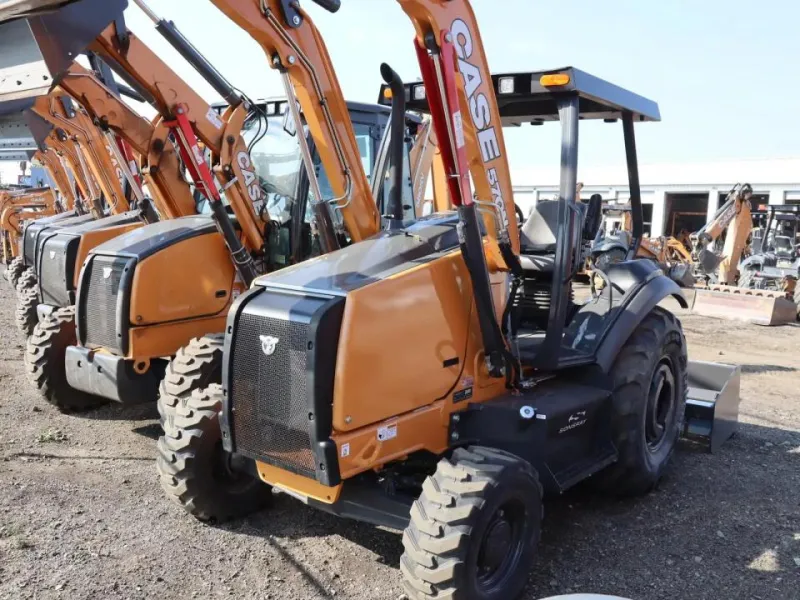
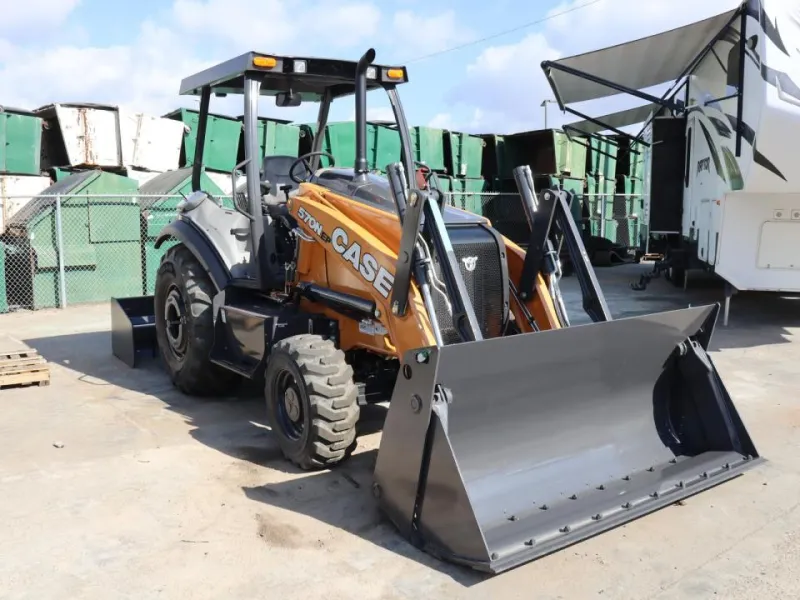
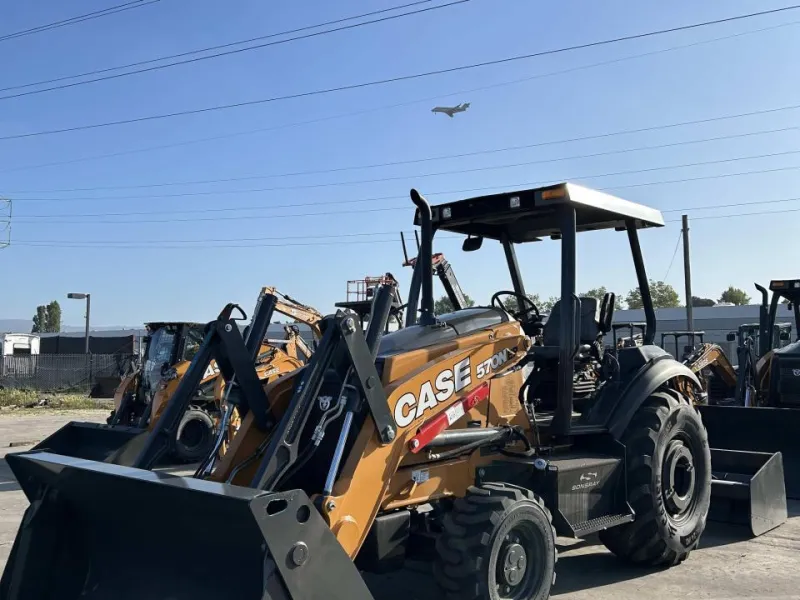
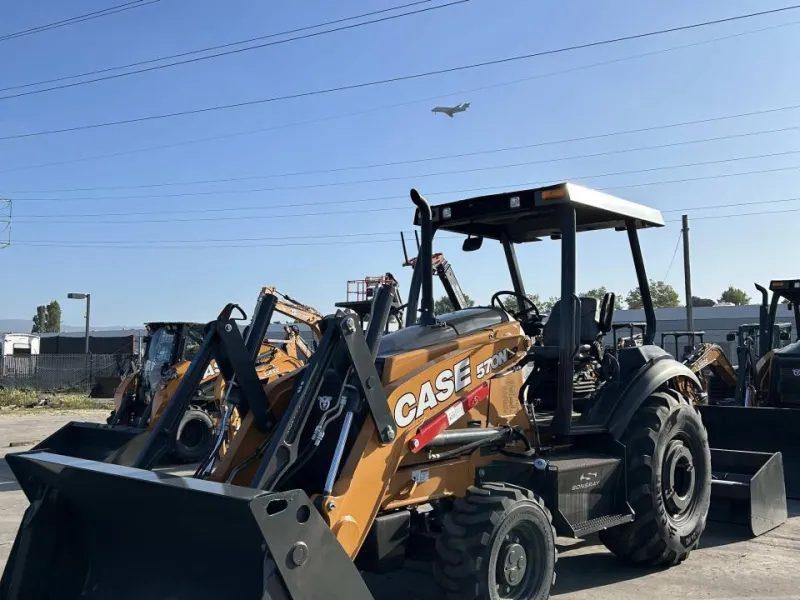
A skip loader is a tractor loader built for grading: a front loader bucket on a tractor chassis, with a box scraper and scarifier at the rear. Manufacturers call them tractor loaders or landscape loaders. Contractors use them for finish grading, pads, driveways, leveling and loading trucks.
Start with the grading and loading work you do most and the ground you work on. Then check the exact machine's rear attachment, front bucket, drive, transmission and condition. Confirm a skip loader fits your grading work, then use the questions below to compare the machines listed above.
| Buying question | What to look for |
|---|---|
| Is a skip loader right for your work? |
Choose a skip loader when grading and leveling are the main jobs. A skip loader combines a front loader with a rear box scraper, so one machine can rip, spread and fine grade, then load trucks. CASE describes its tractor loader as adept at dozing, ripping, fine grading and scraping, and it travels quickly between work areas on wheels. If you mainly dig trenches, a loader backhoe or excavator is usually a better fit. |
| Which rear attachment and bucket do you need? |
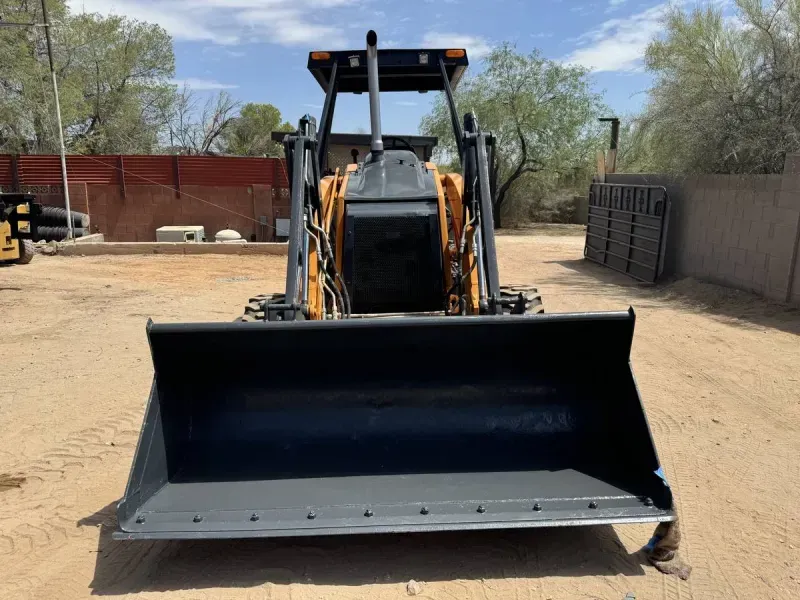
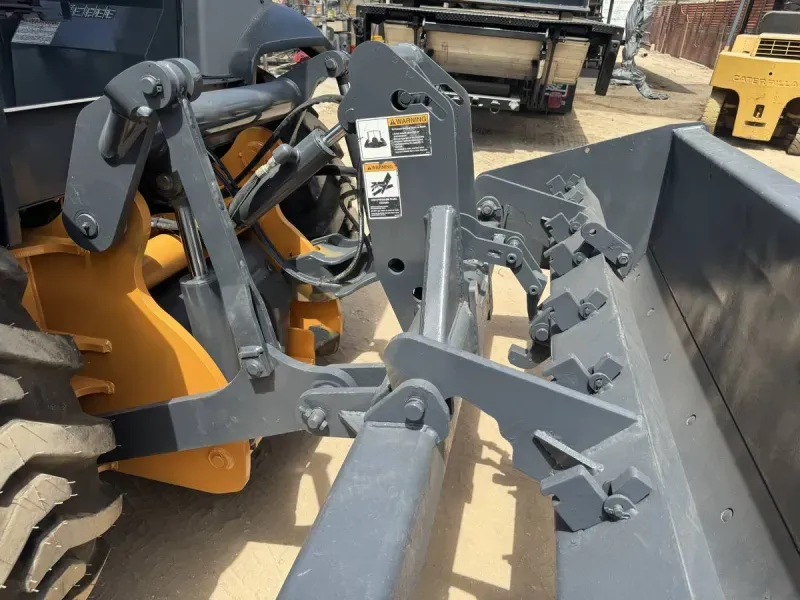
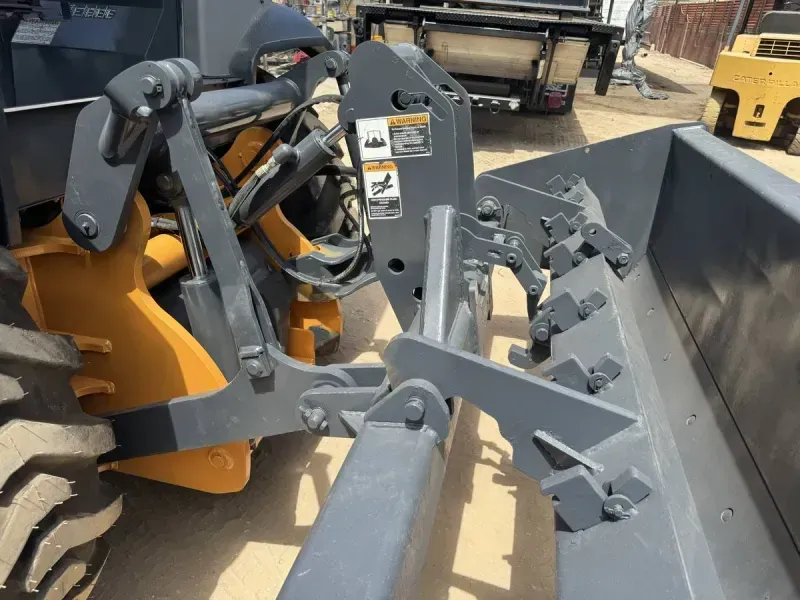
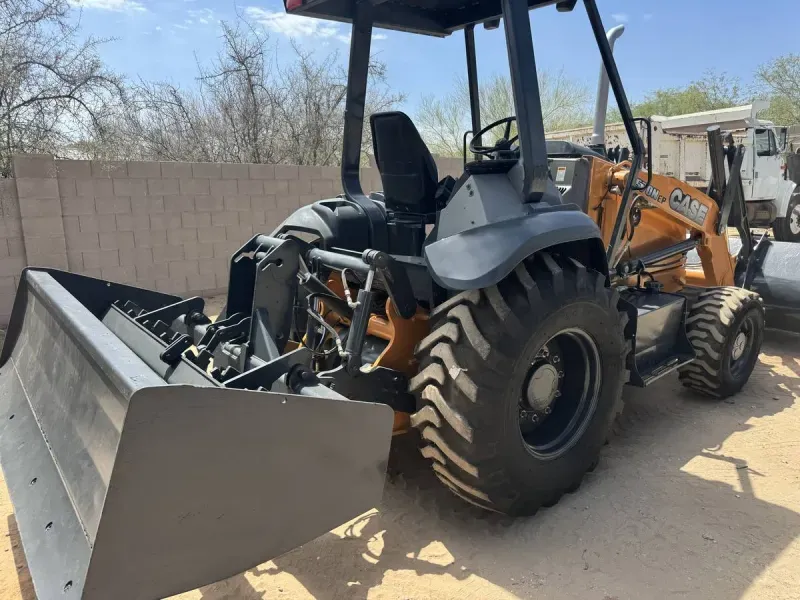
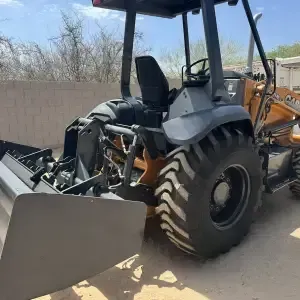
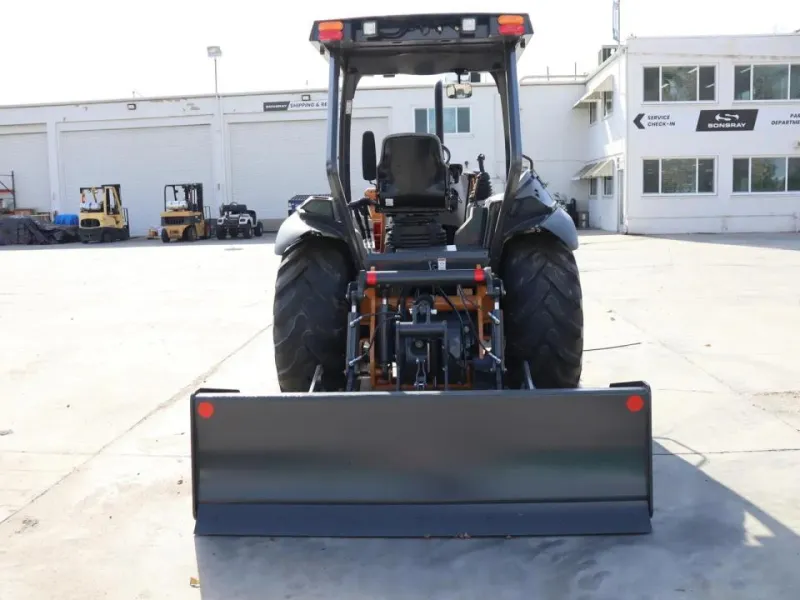
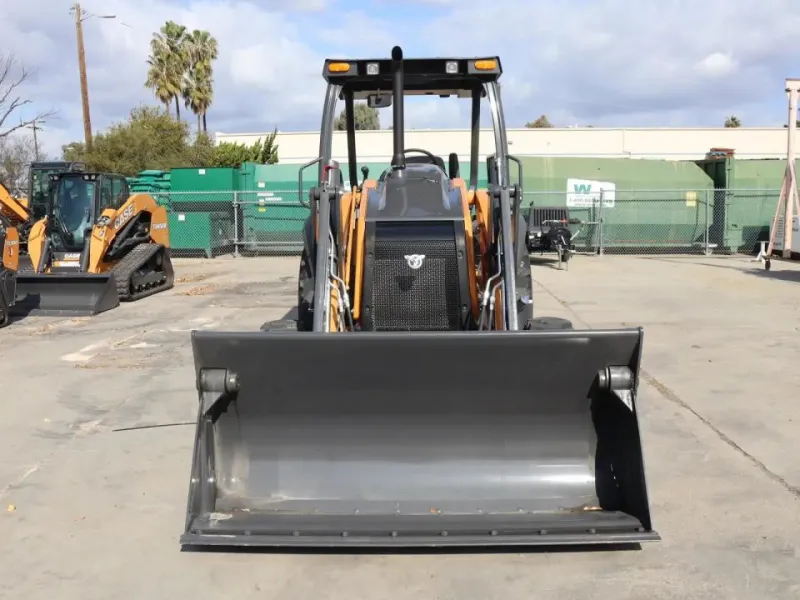
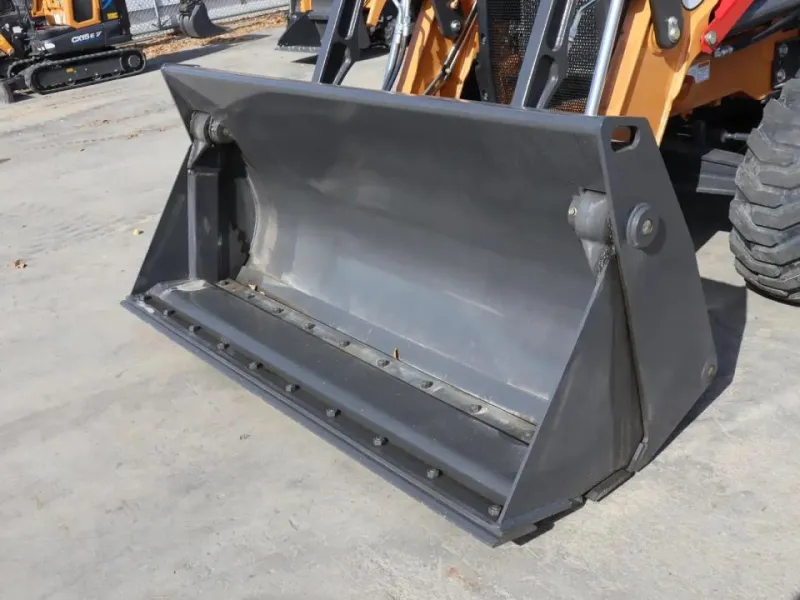
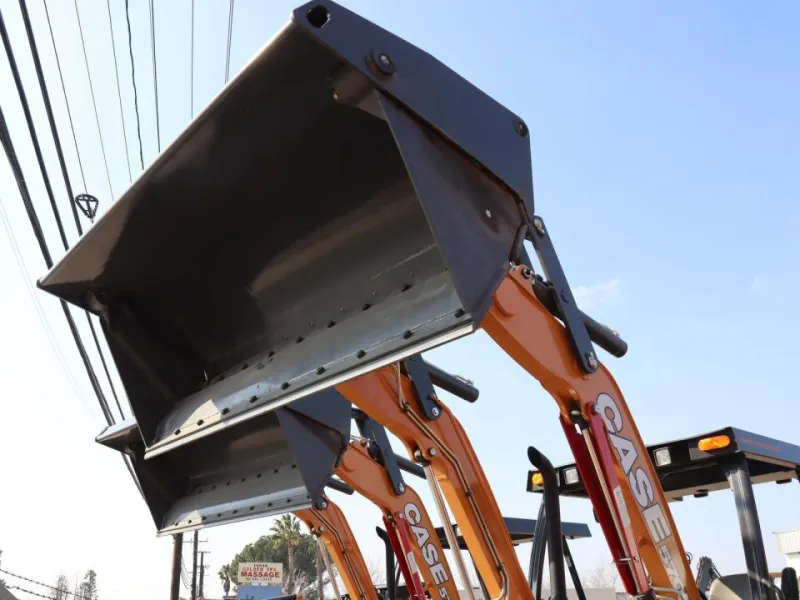
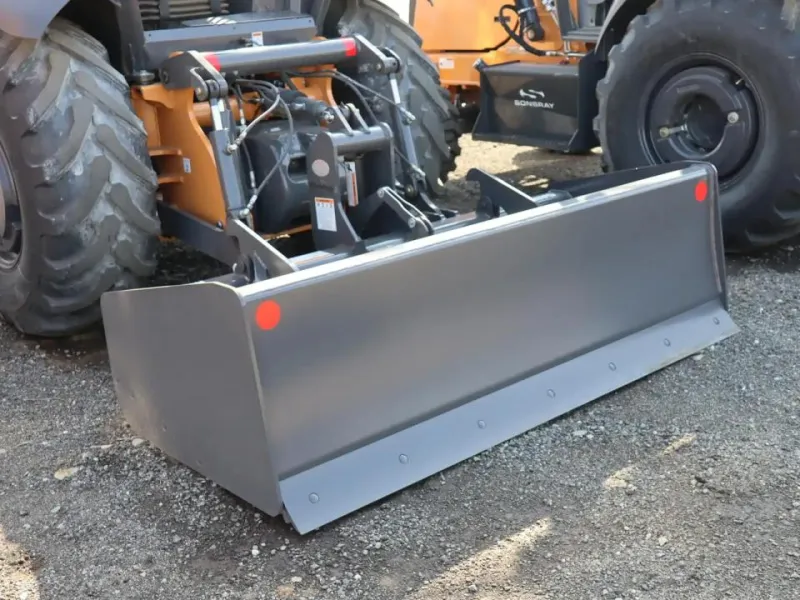
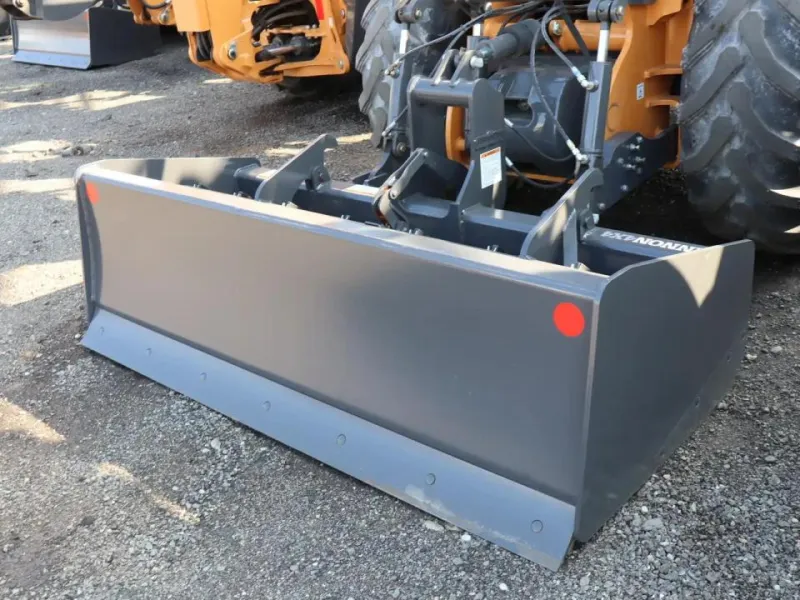
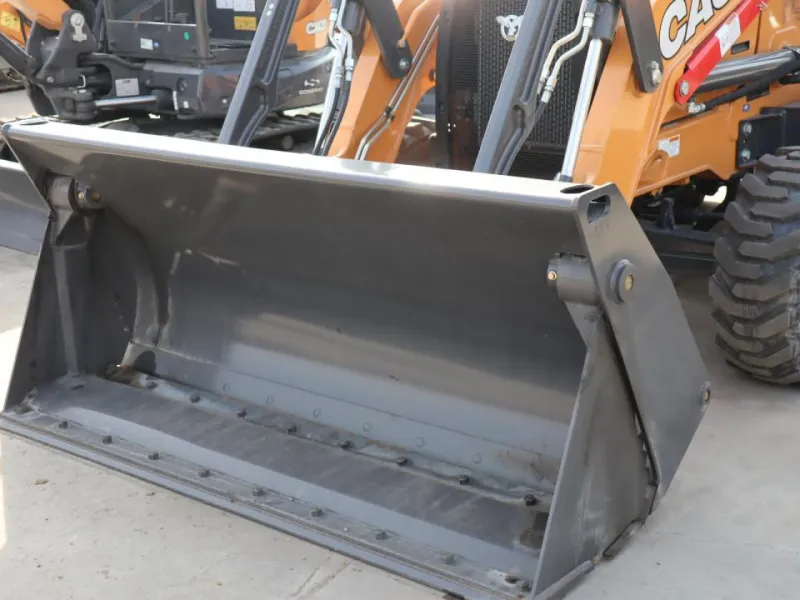
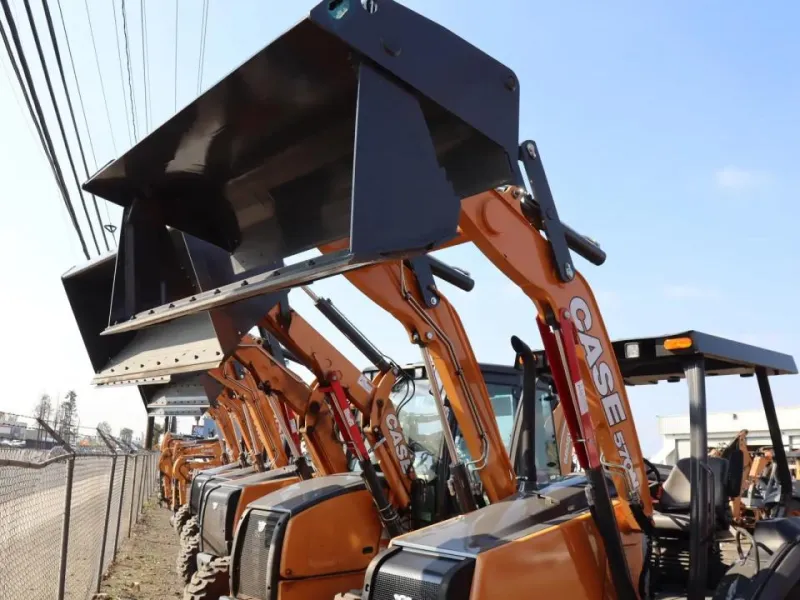
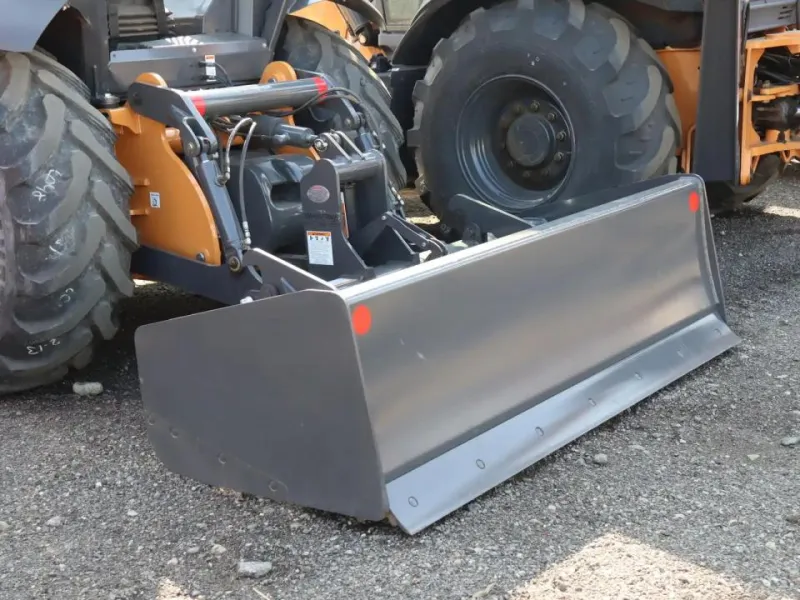
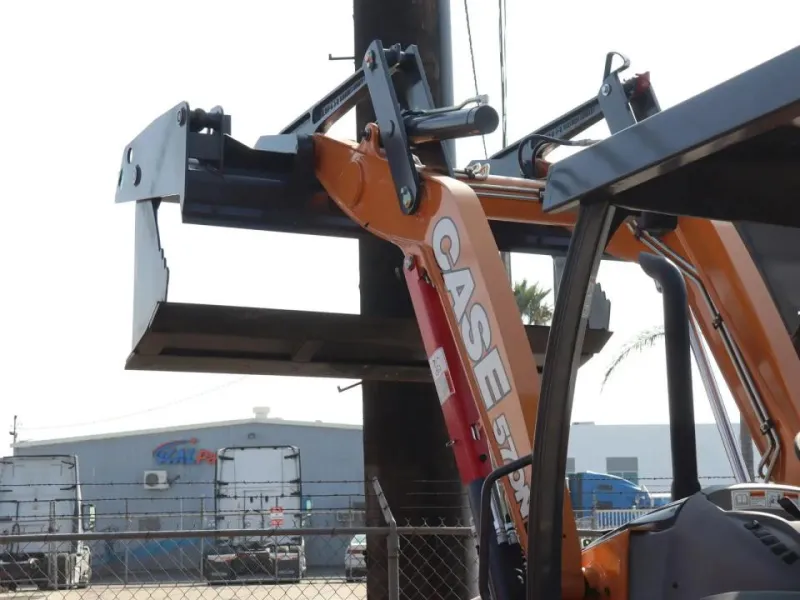
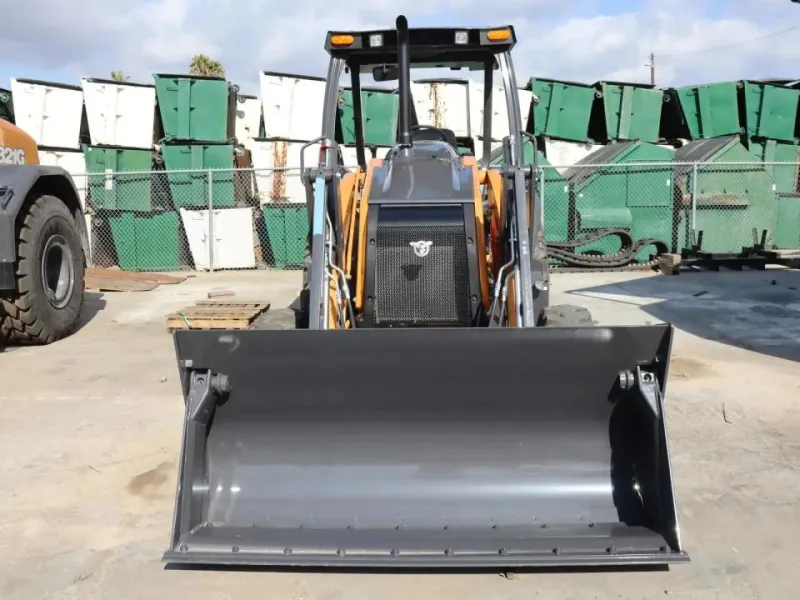
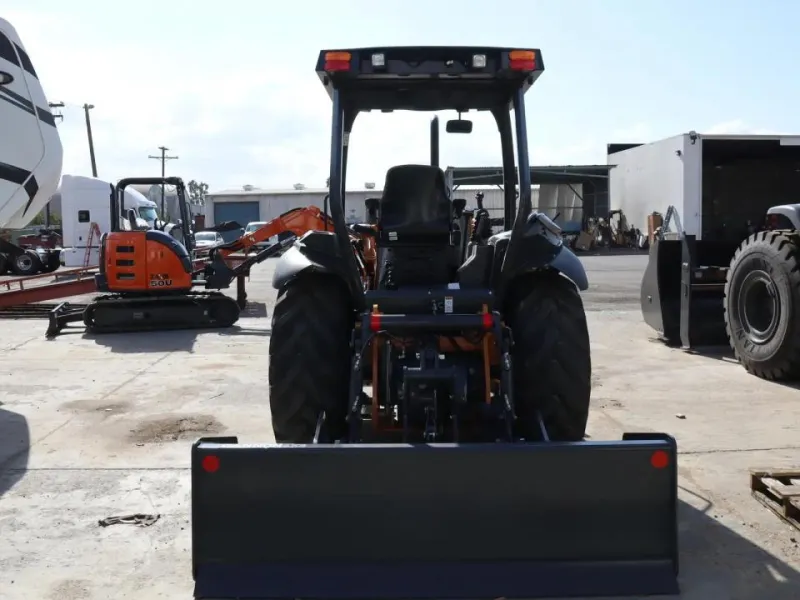
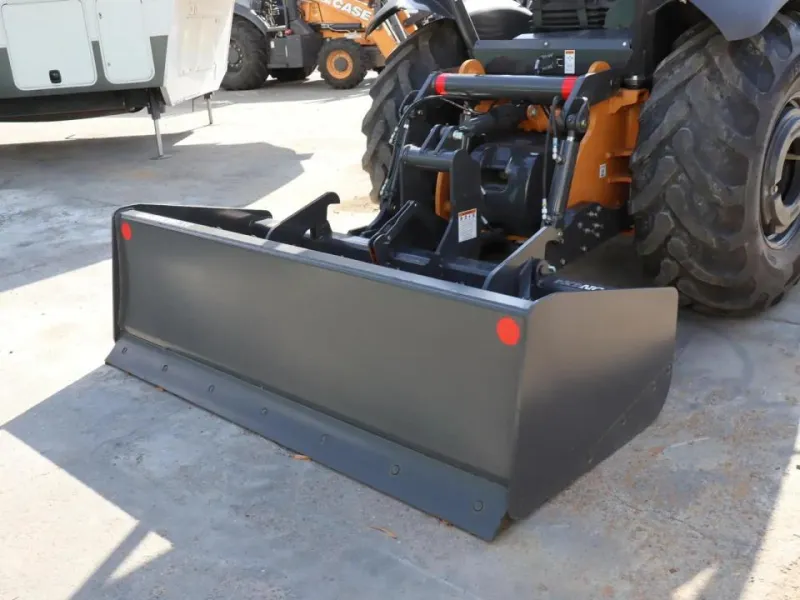
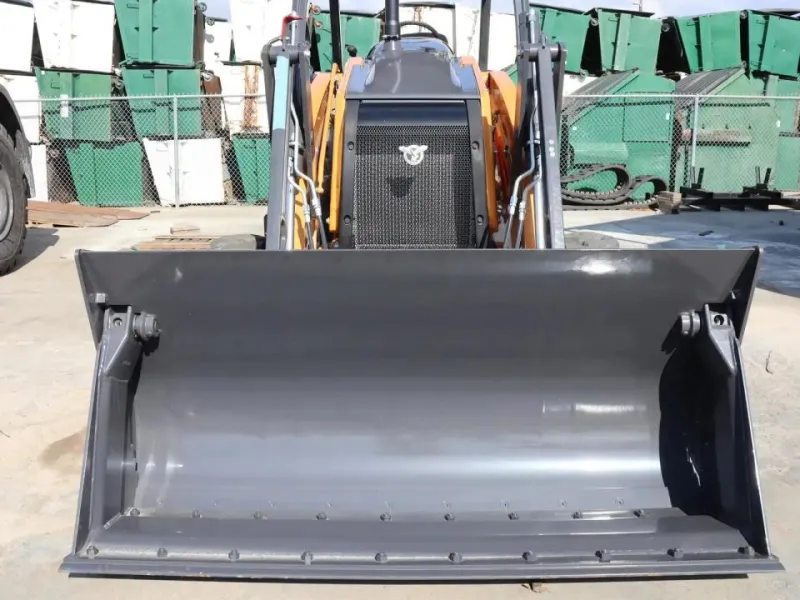
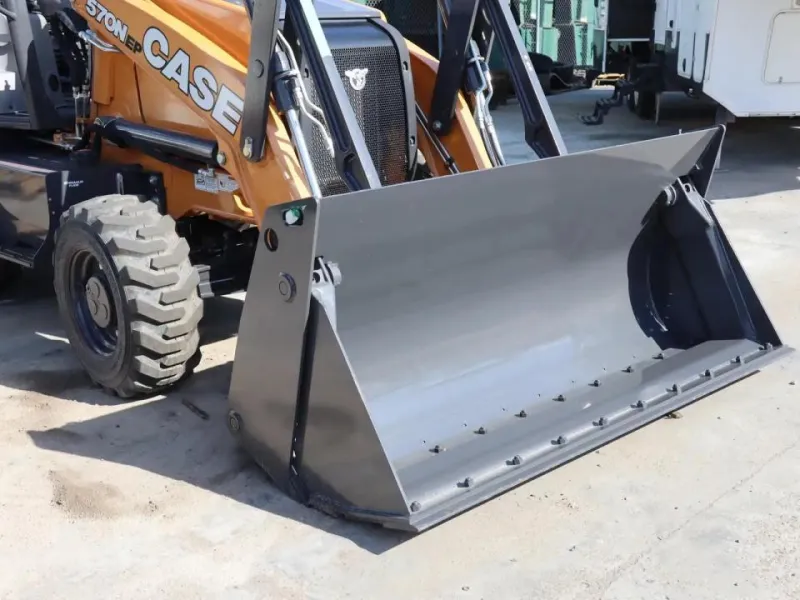
Look at the box scraper, scarifier and front bucket together. The rear box scraper with a scarifier is what makes a skip loader a grading machine: the scarifier teeth loosen hard ground and the box spreads and levels material. A four-in-one front bucket can work as a materials bucket, a dozing blade, a grading tool and a grapple. Check the width of the box scraper, the condition of the cutting edges and scarifier teeth, and whether the four-in-one bucket opens and closes fully. |
| Two-wheel or four-wheel drive, and which transmission? |
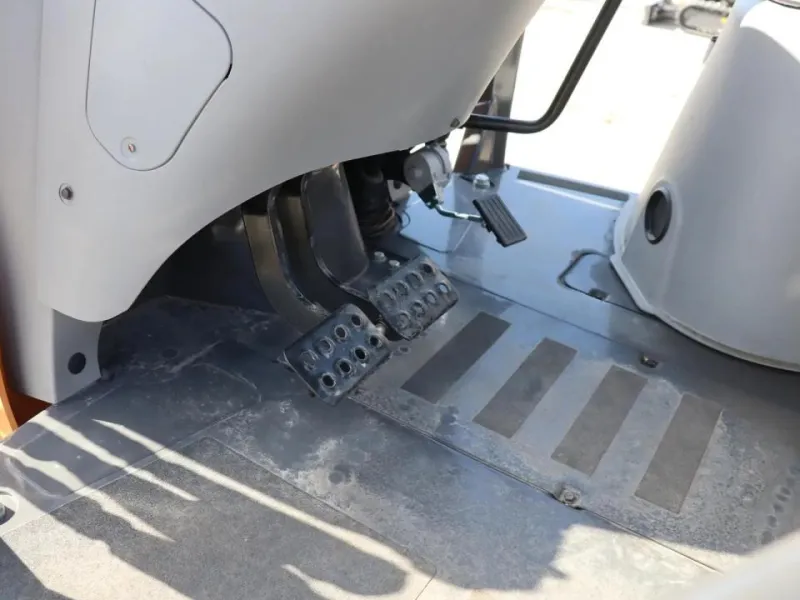
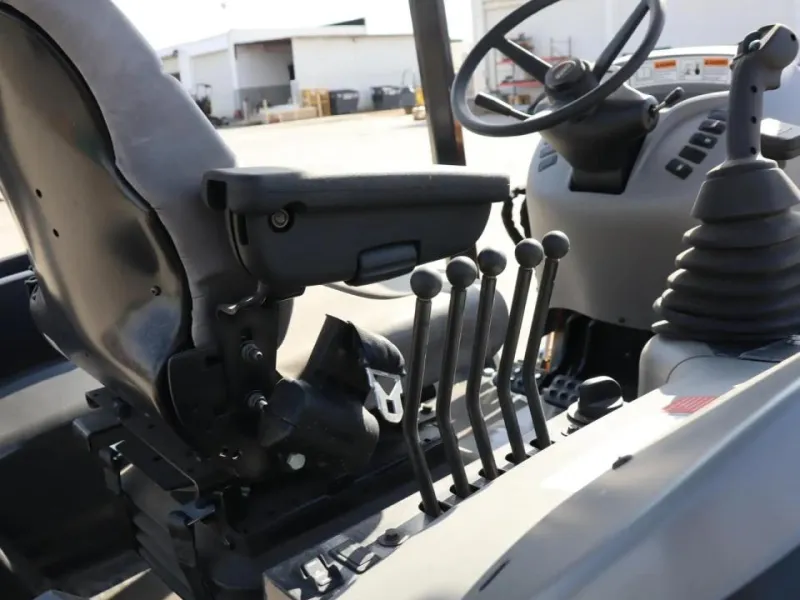
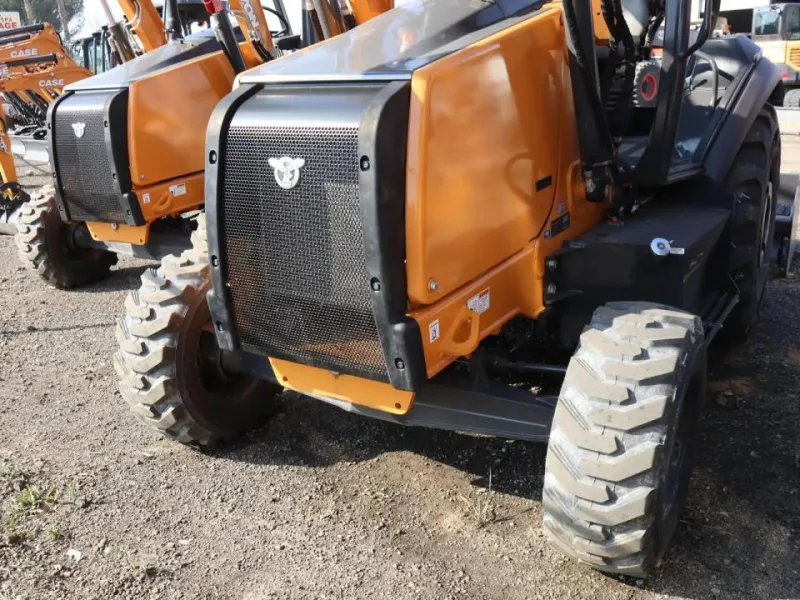
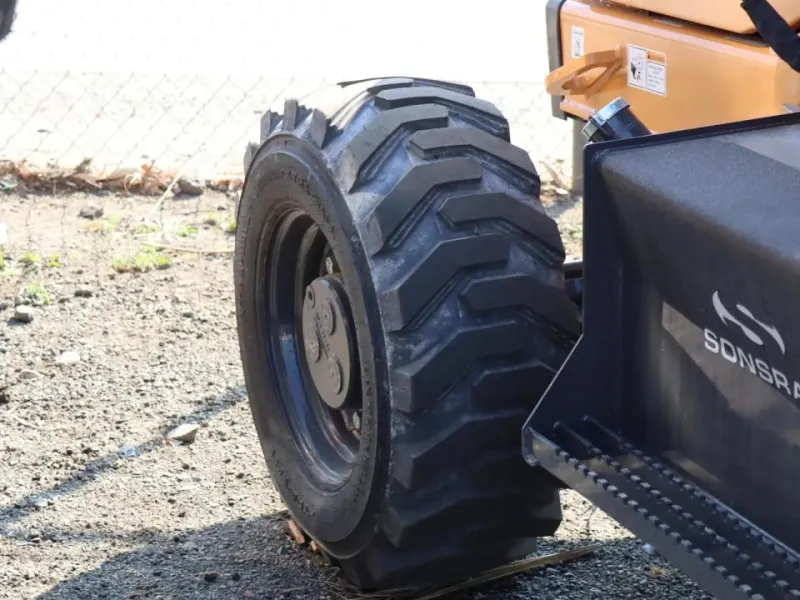
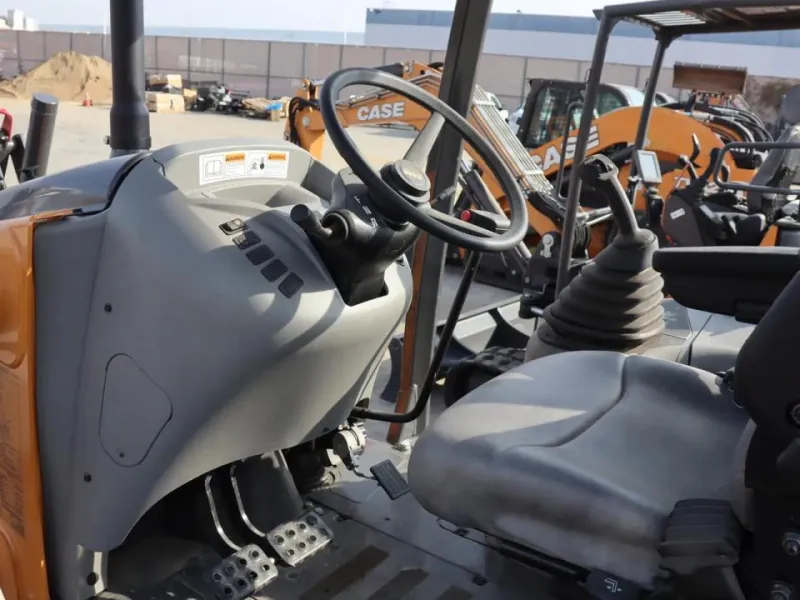
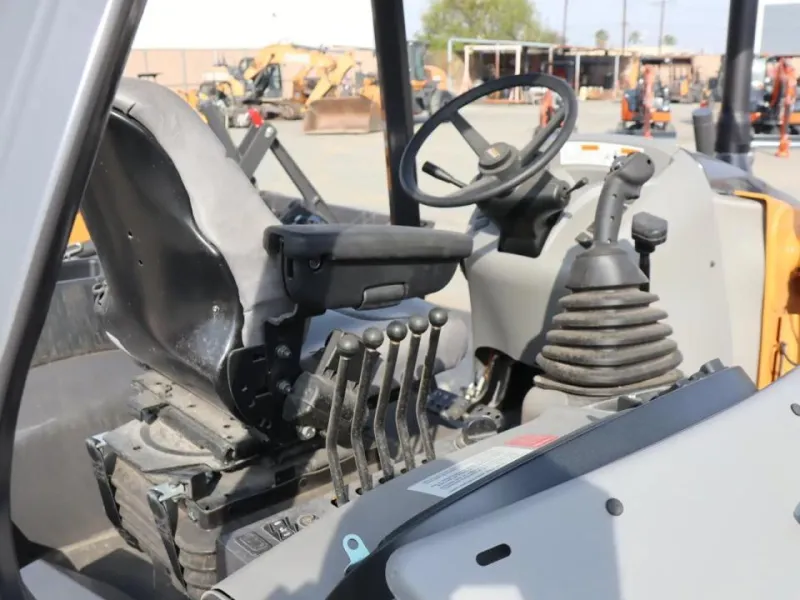
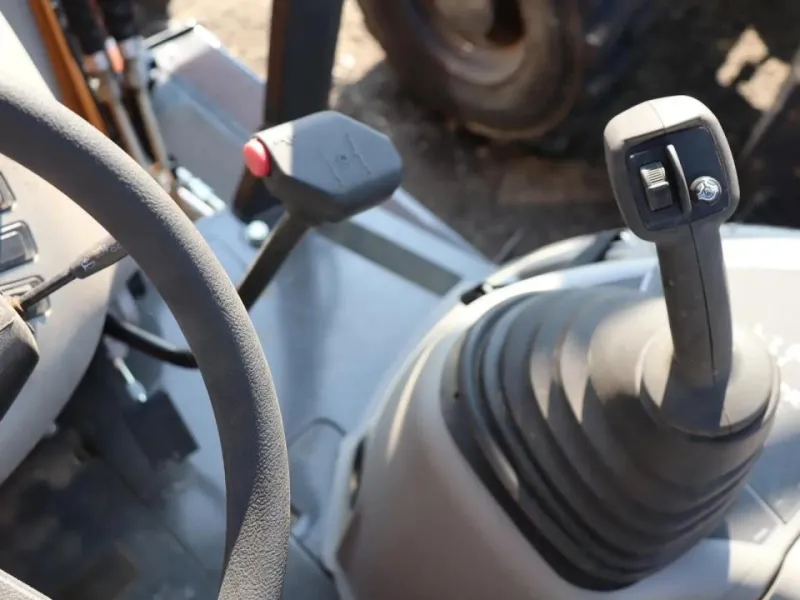
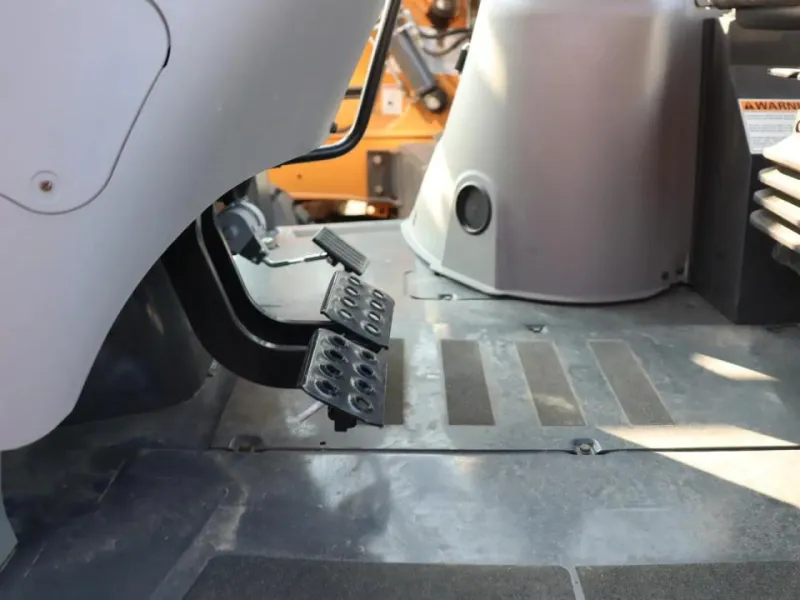
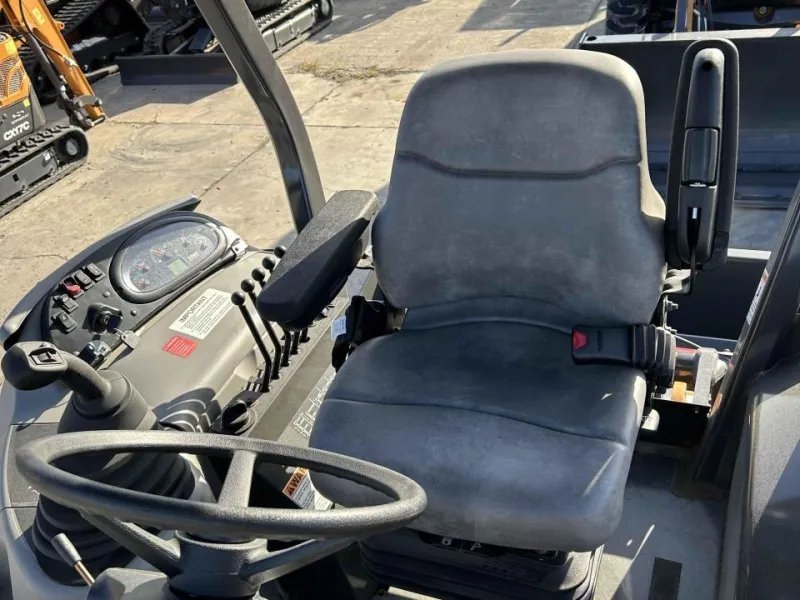
Match traction and shifting to your ground and how much you travel. Mechanical front-wheel drive with a differential lock adds traction on loose or soft ground, which helps when pushing material with the box. Transmissions vary: some models use a gear transmission with a hydraulic reverser, others offer powershift for easier shifting while grading. Drive the machine forward and reverse under load to confirm smooth direction changes. |
| What should you inspect on a used skip loader? |
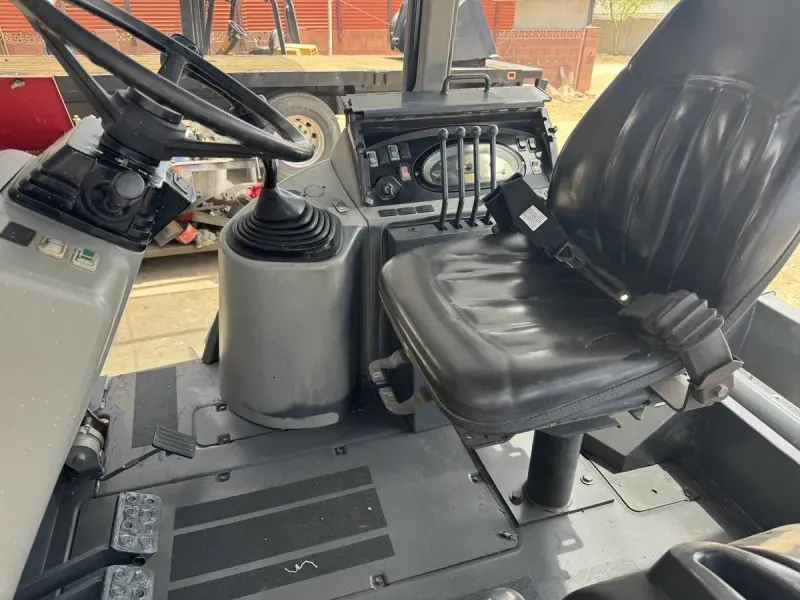
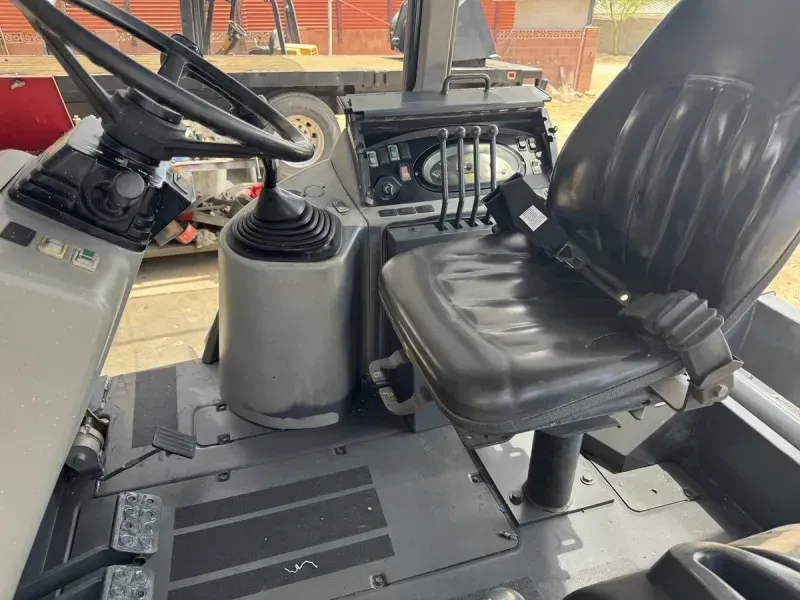
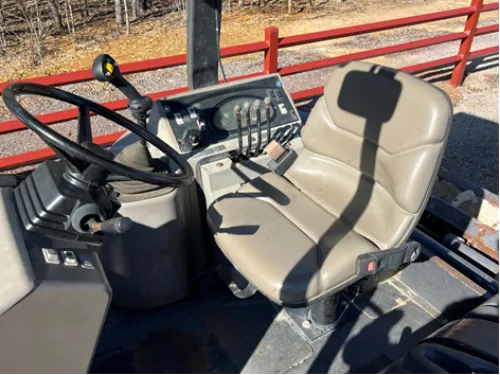
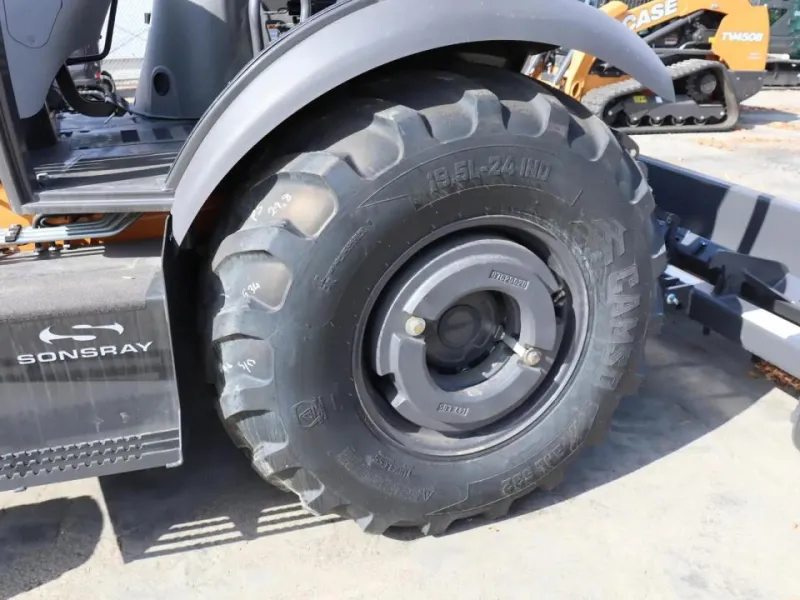
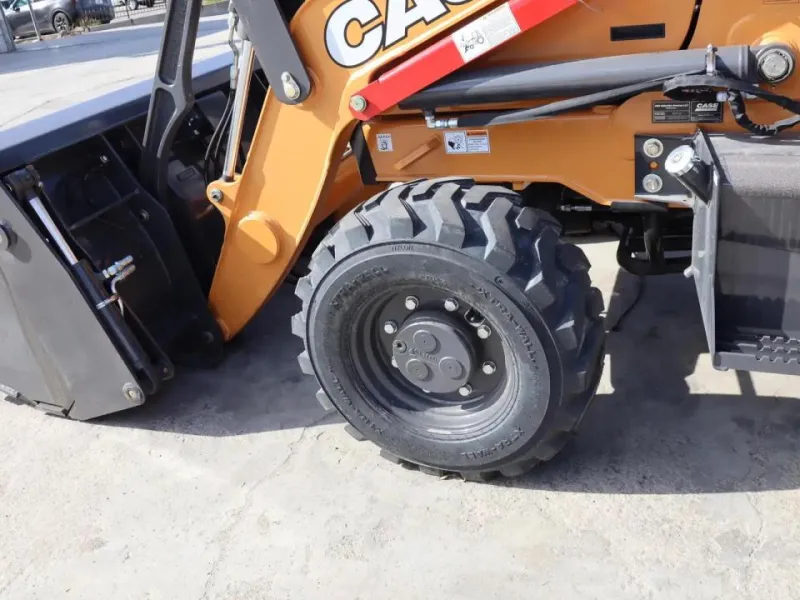
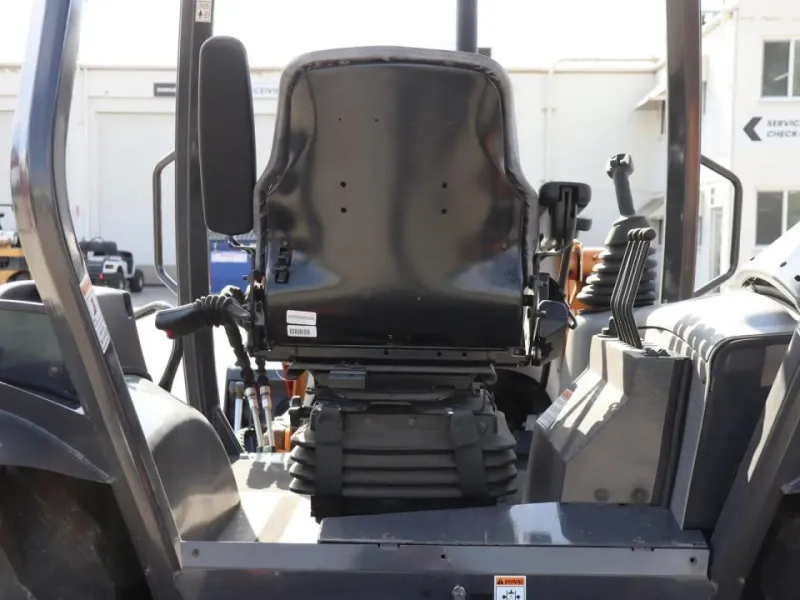
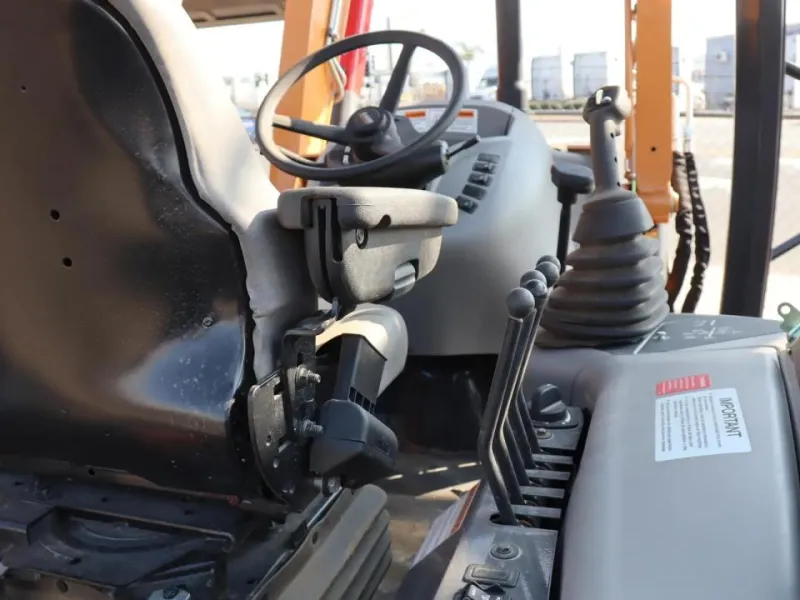
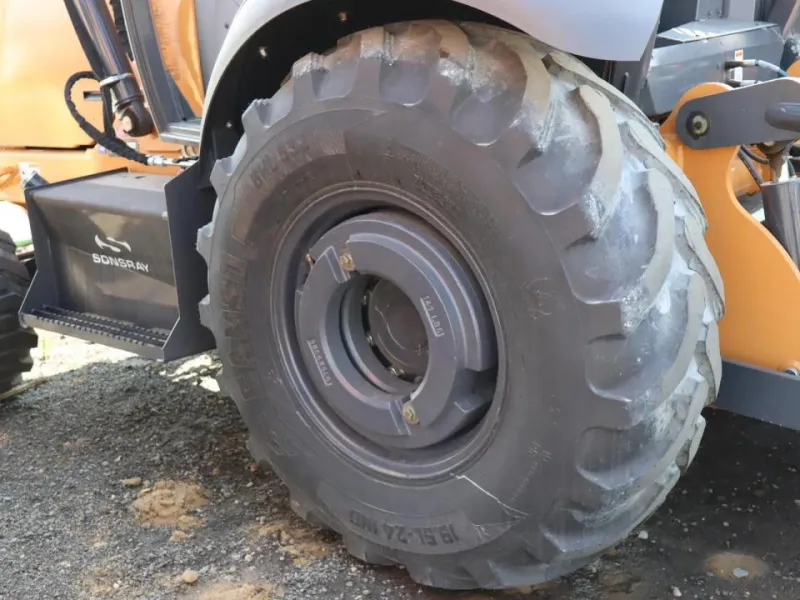
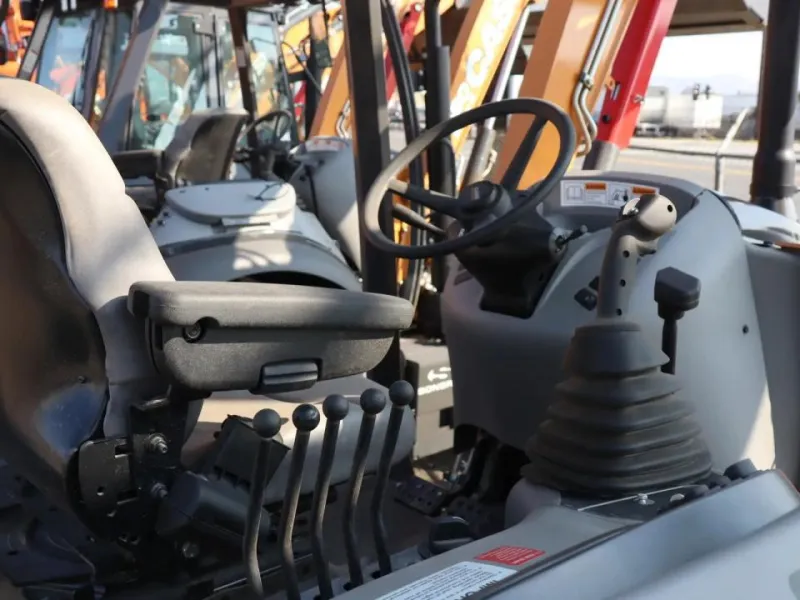
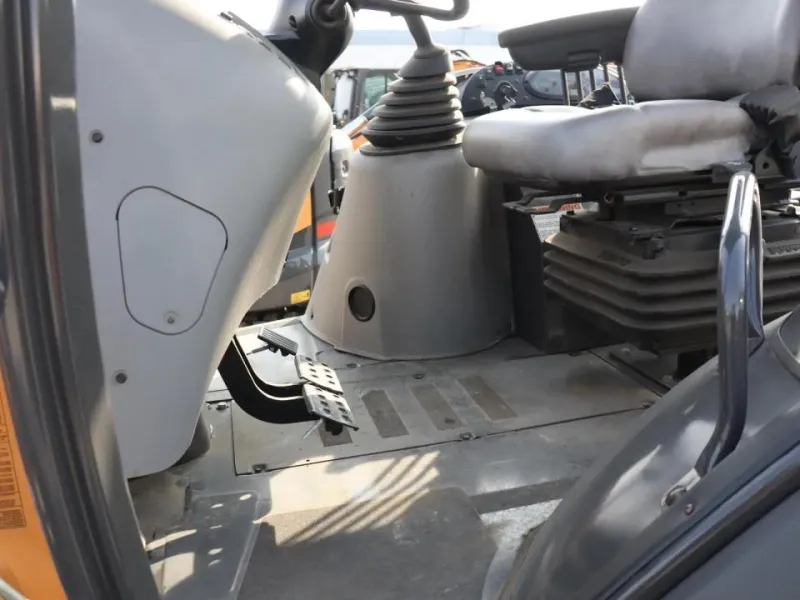
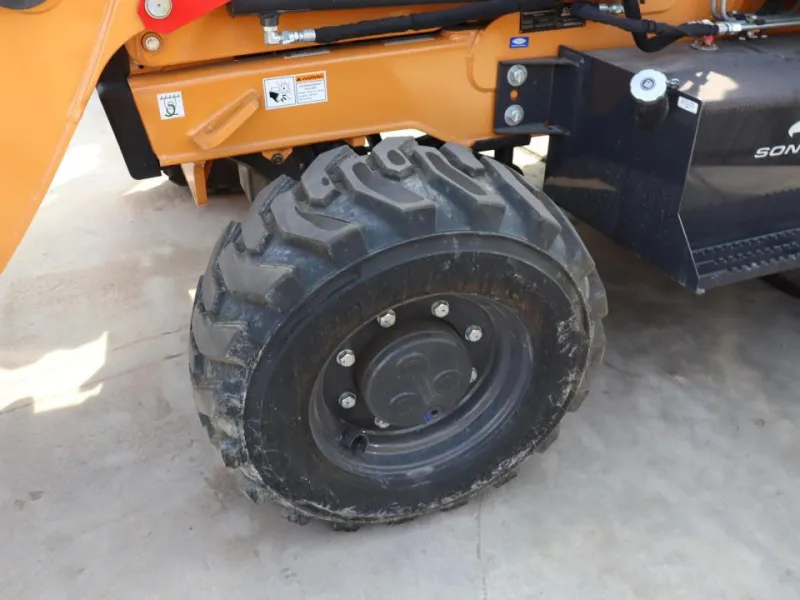
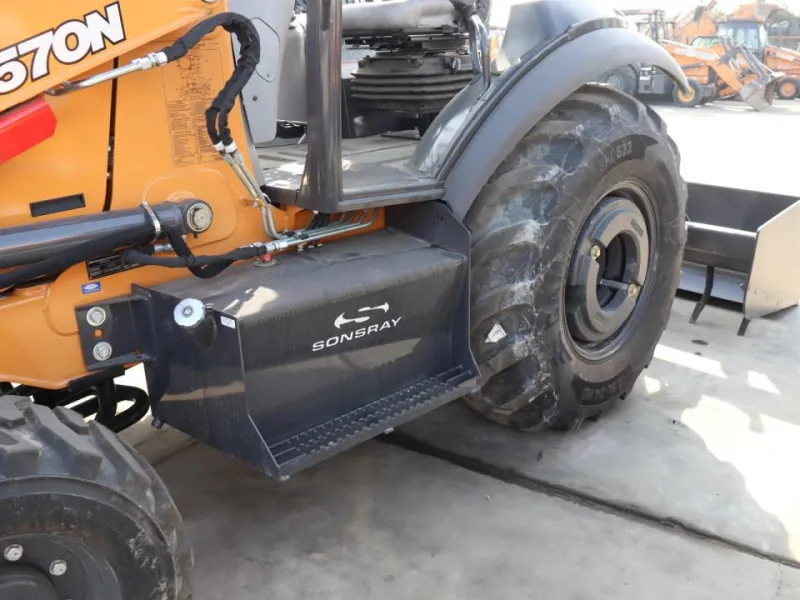
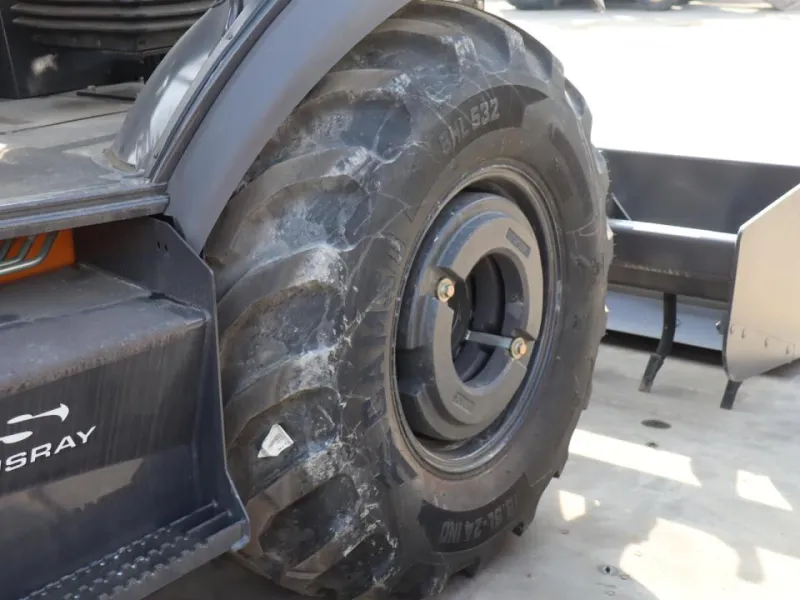
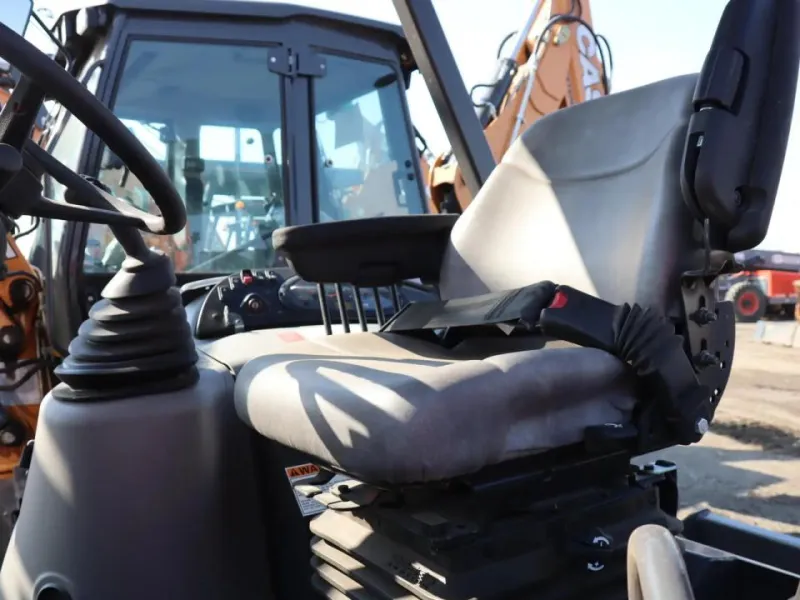
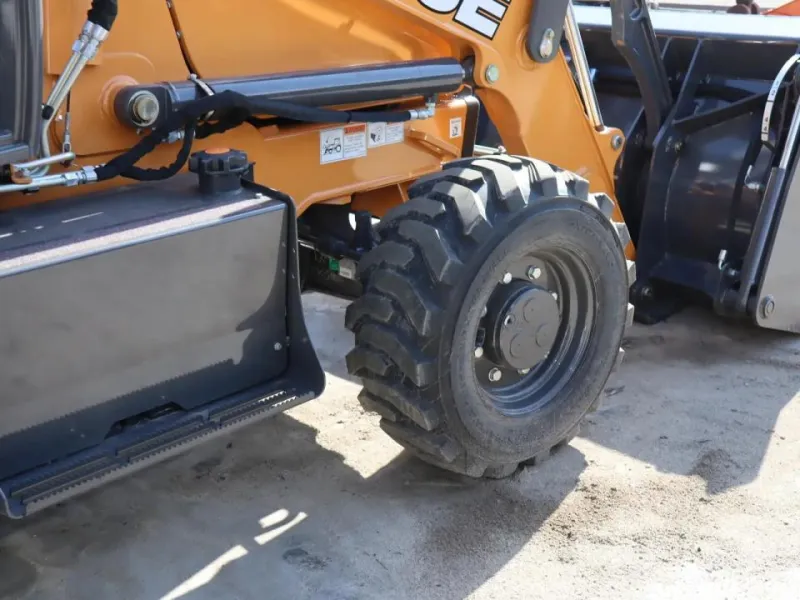
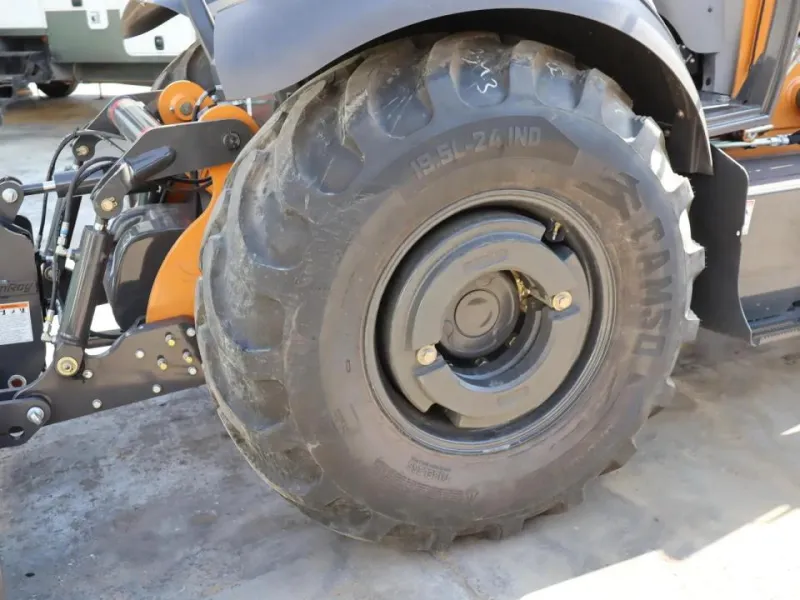
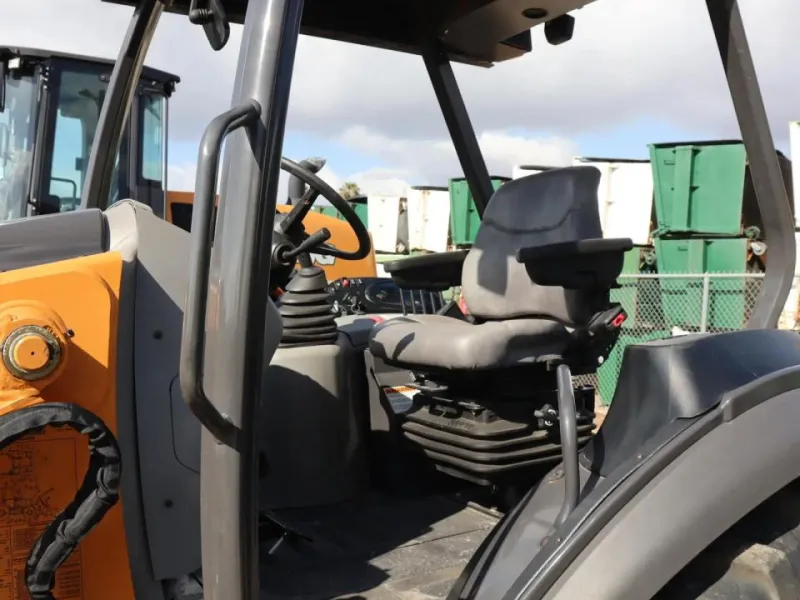
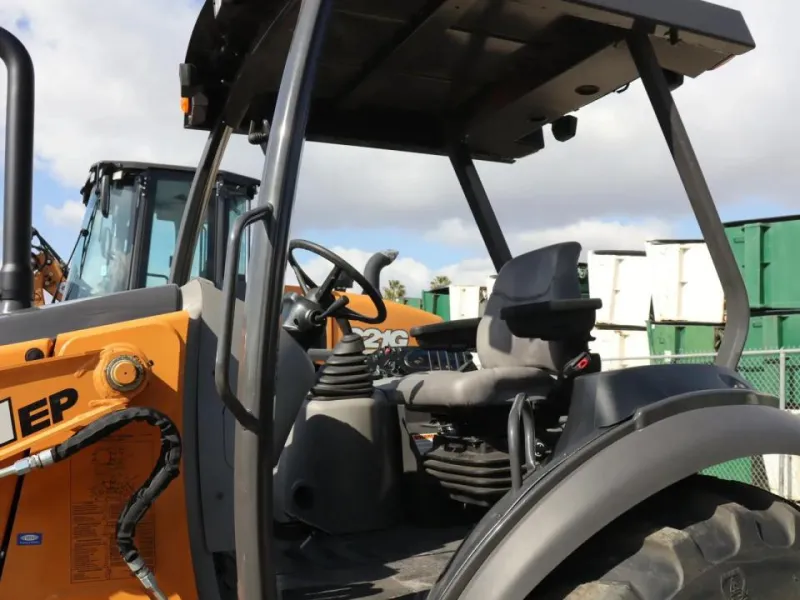
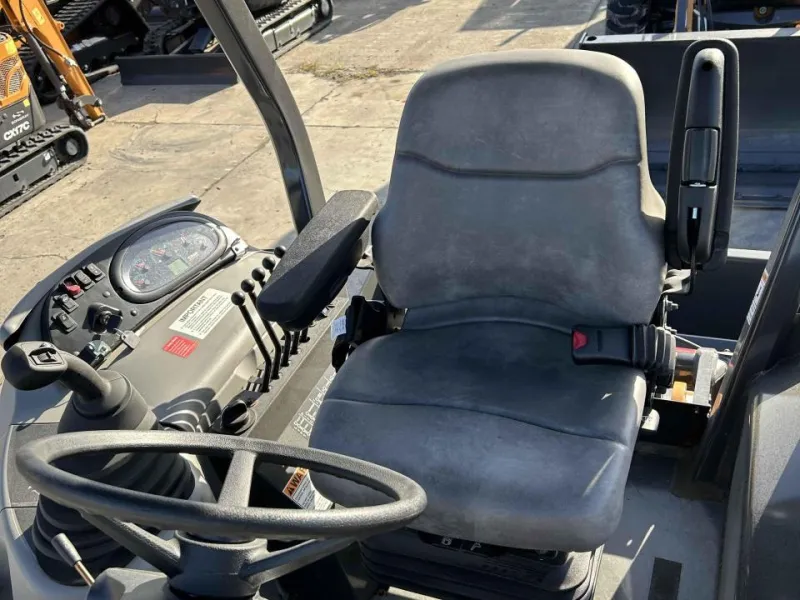
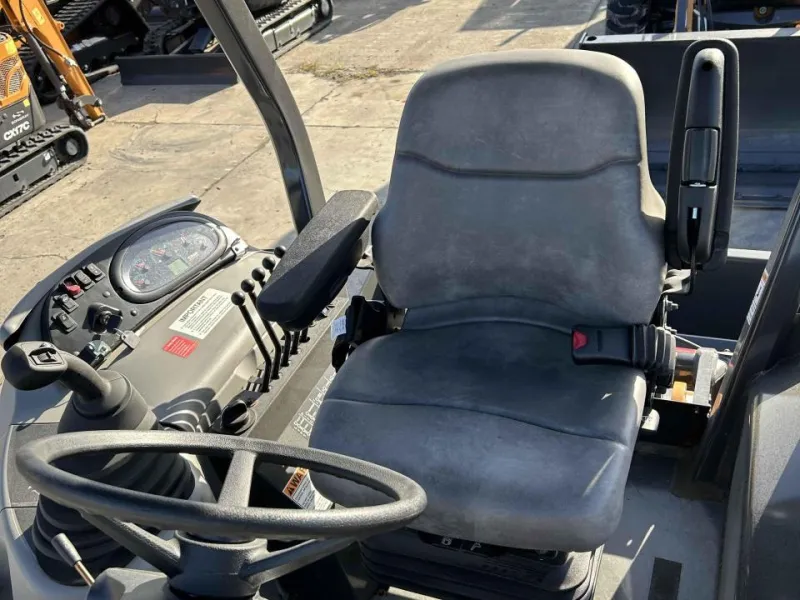
Review the grading tools, loader, drivetrain and service history before making an offer. Check the box scraper, scarifier teeth and three-point hitch for wear, cracks and bent parts. Look at the loader arms and four-in-one bucket for cracks and leaks, feel the pins and bushings for play, and check the tires. Test the transmission, reverser, brakes and front-wheel drive under load. Confirm the seat belt and ROPS are in place, and ask for service records.
|
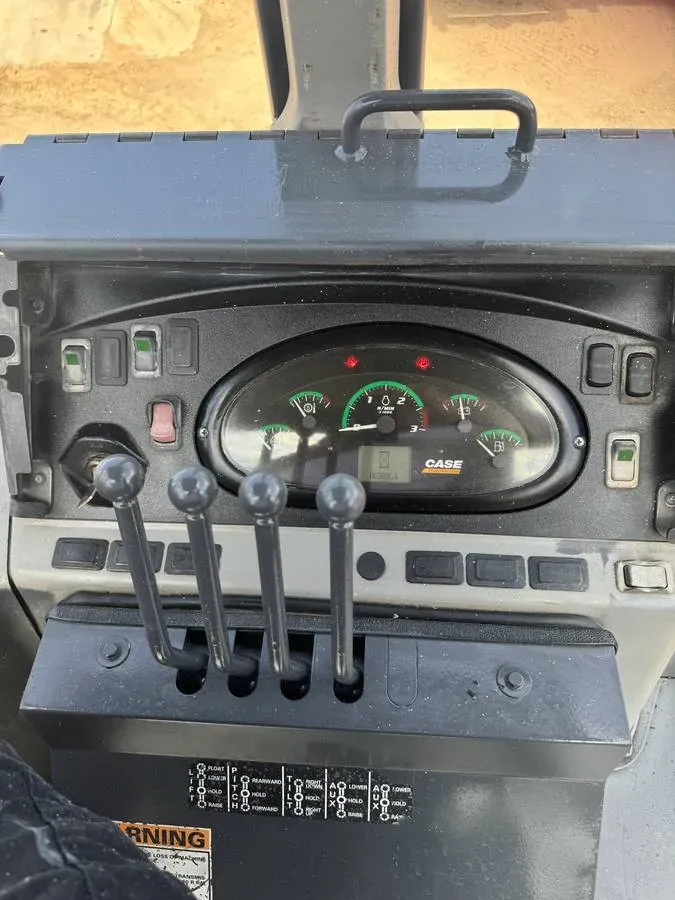
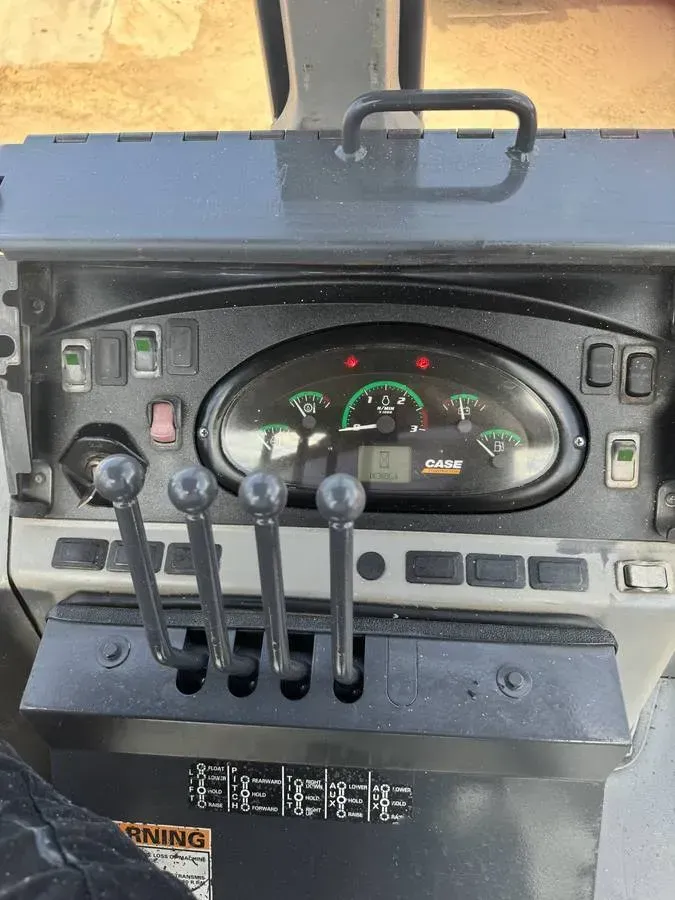
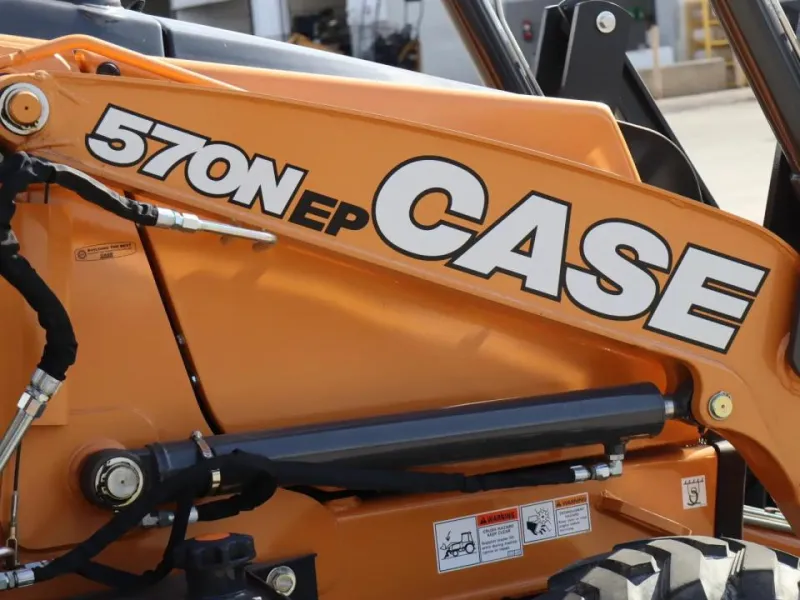
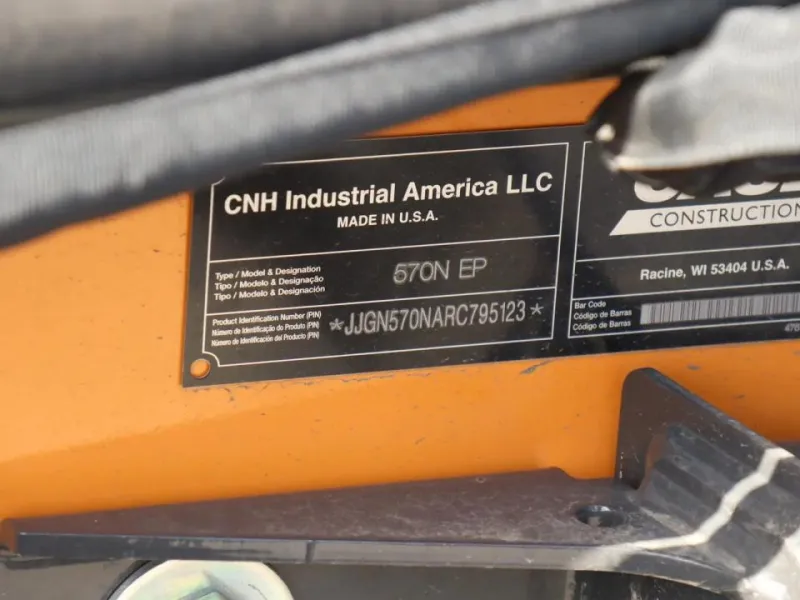
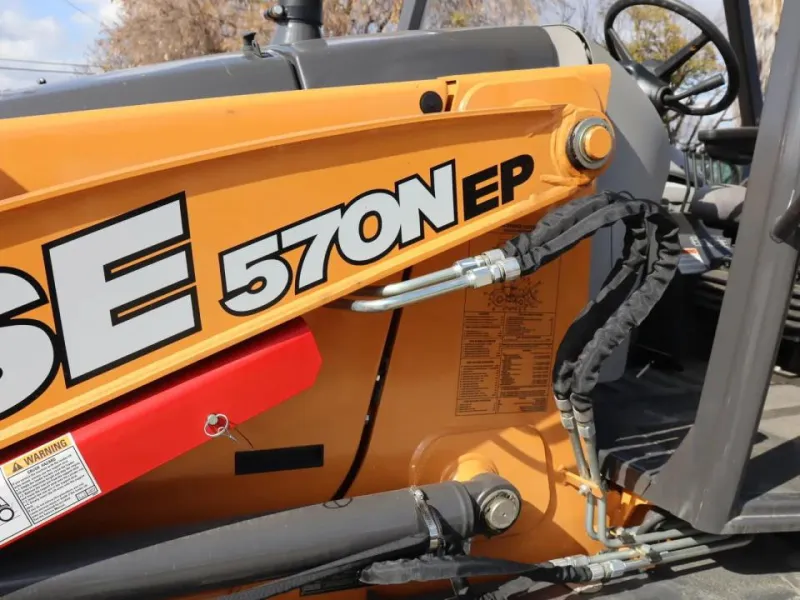
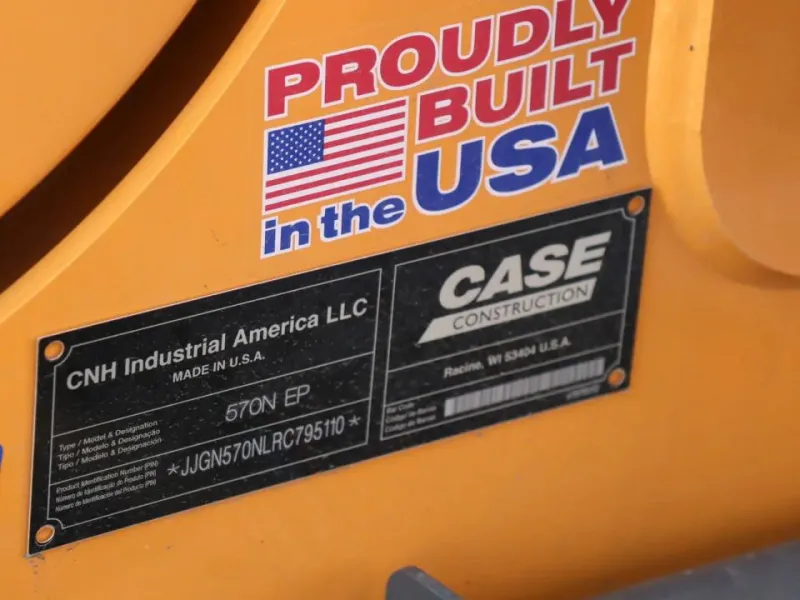
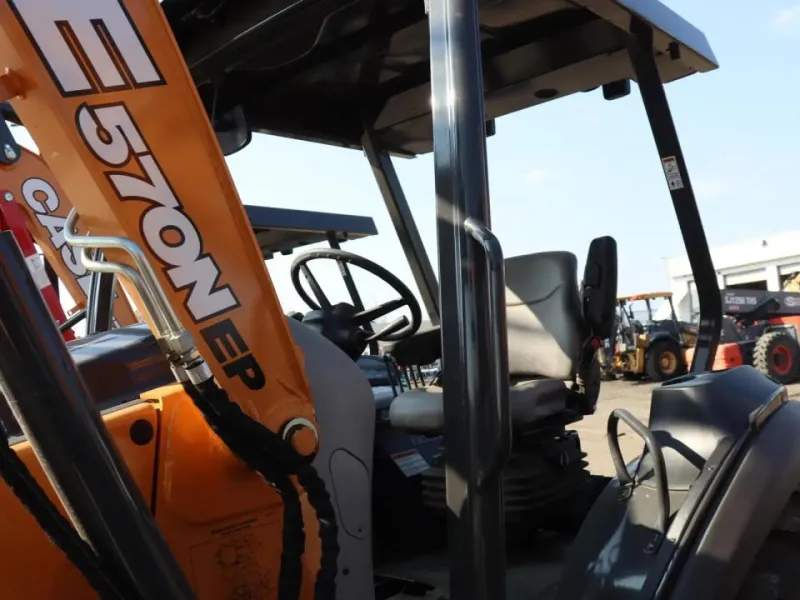
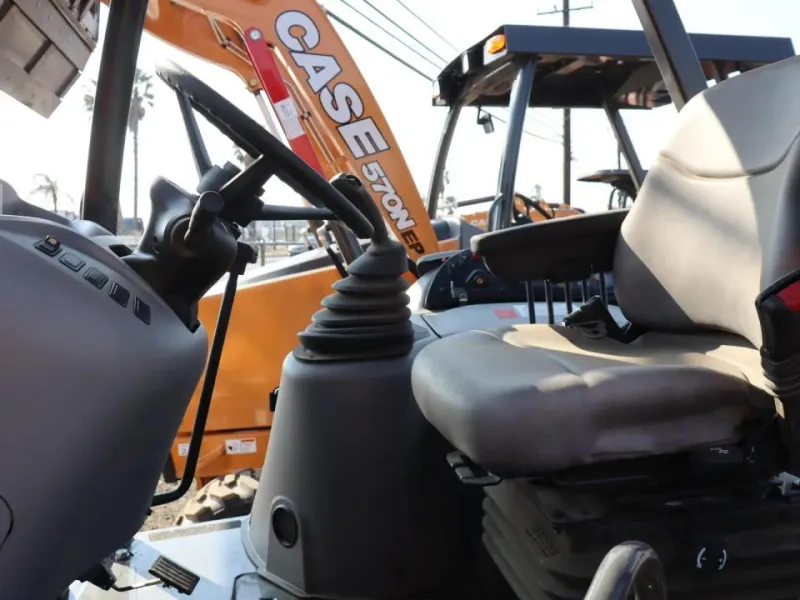
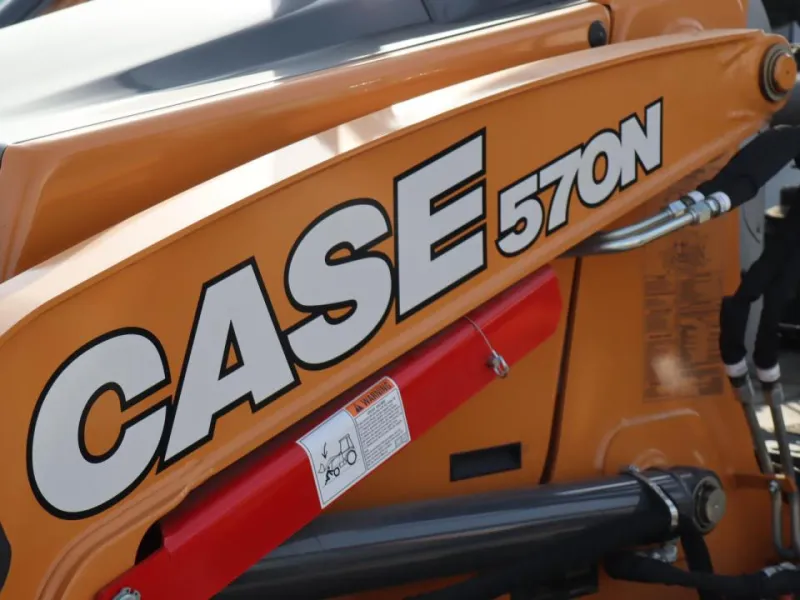
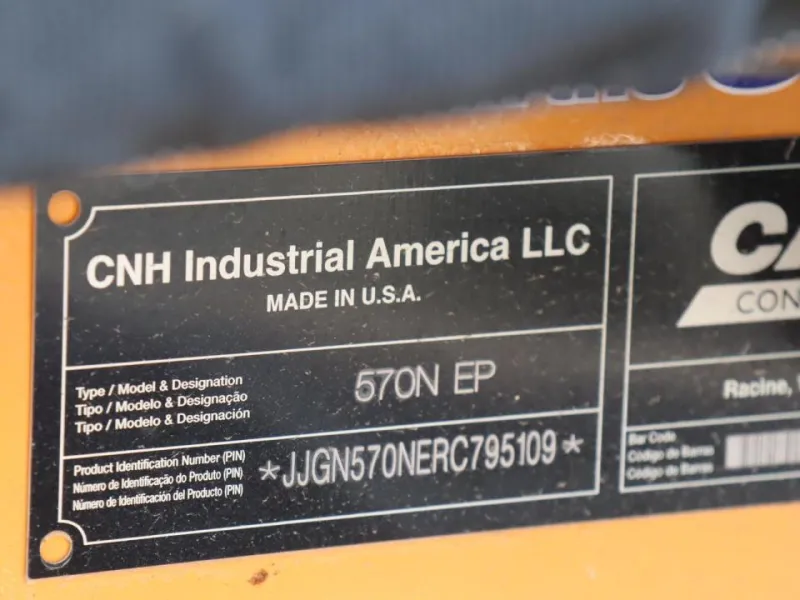
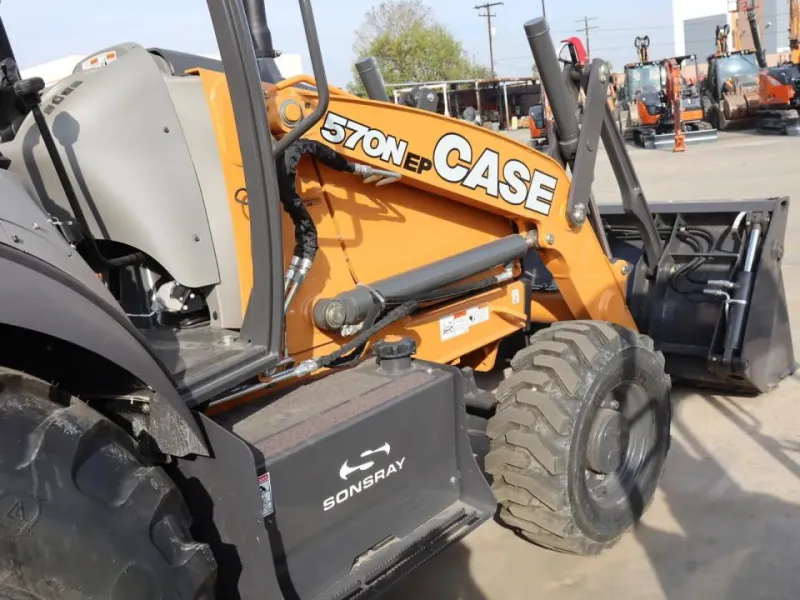
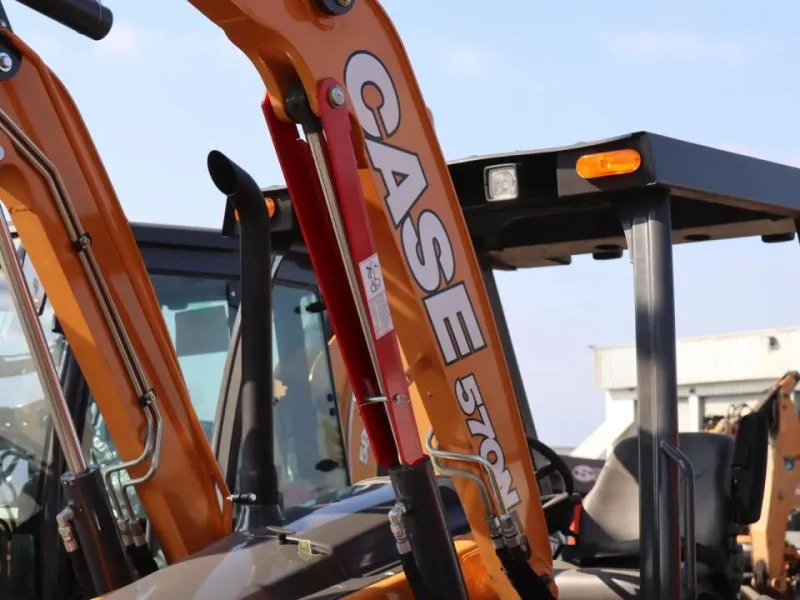
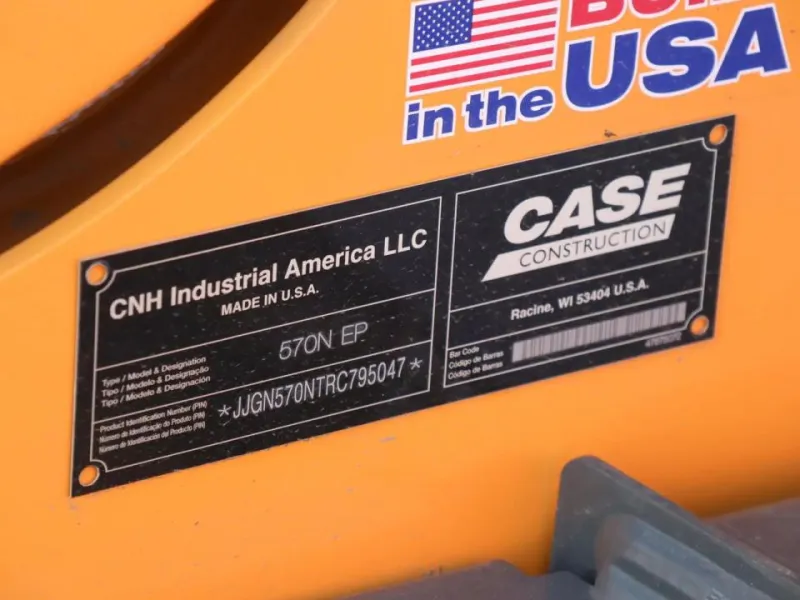
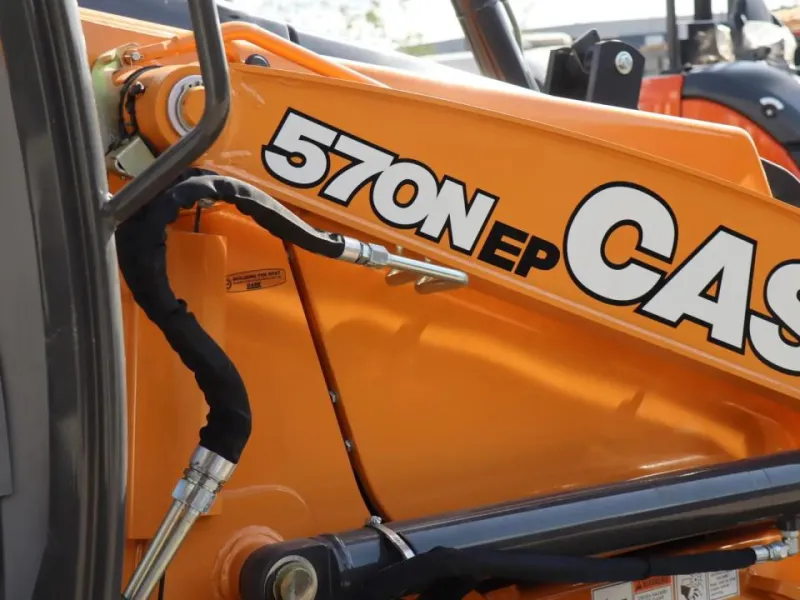
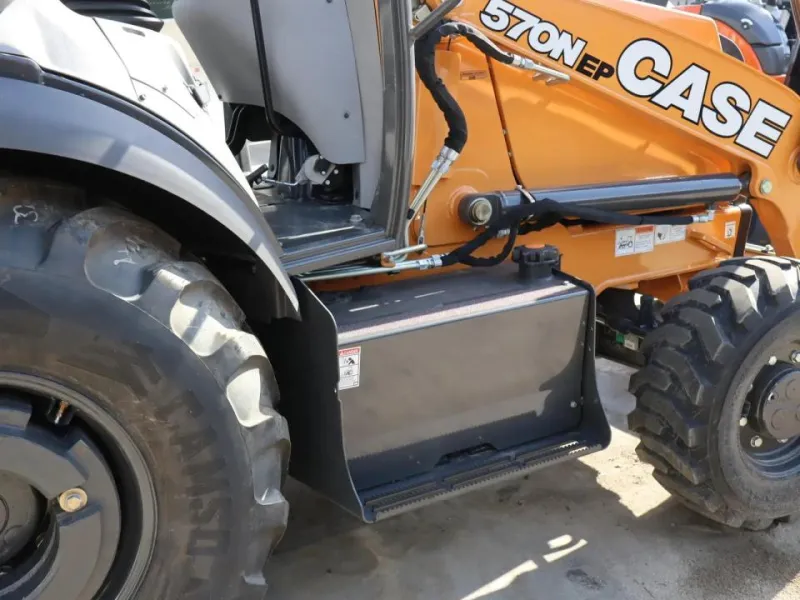
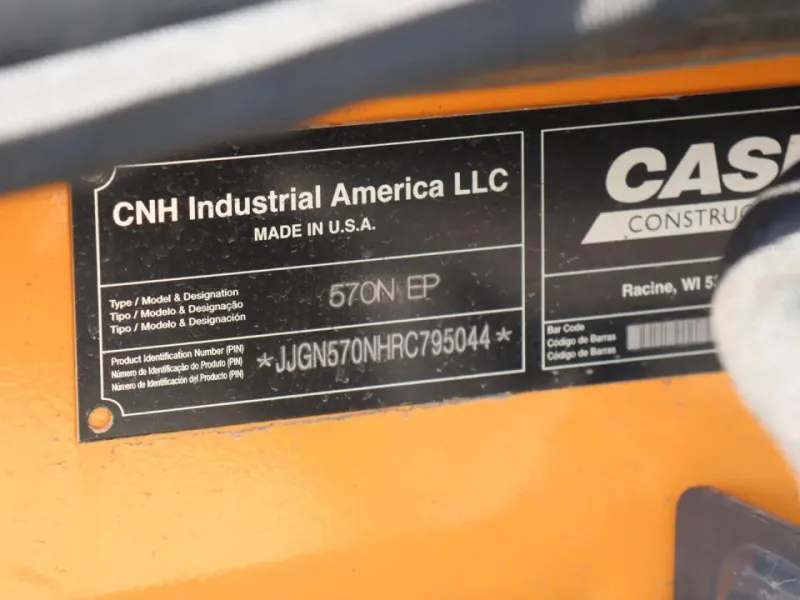
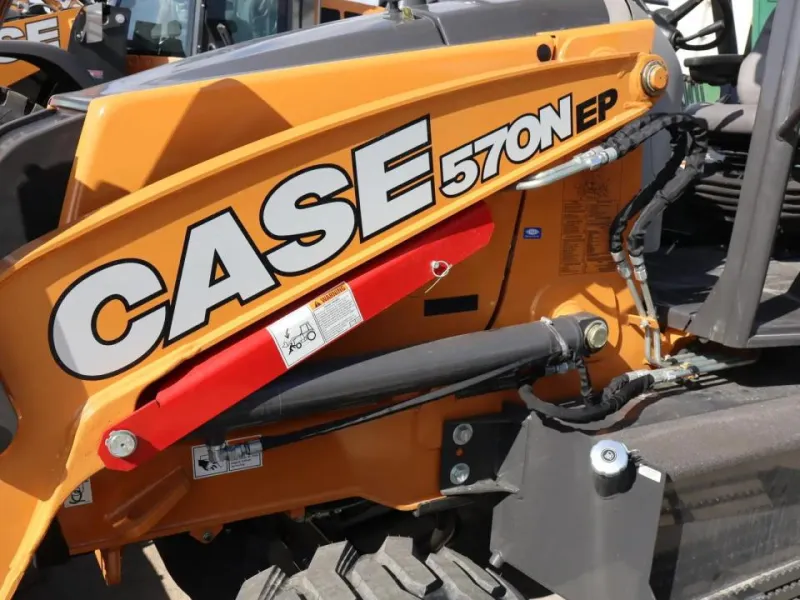
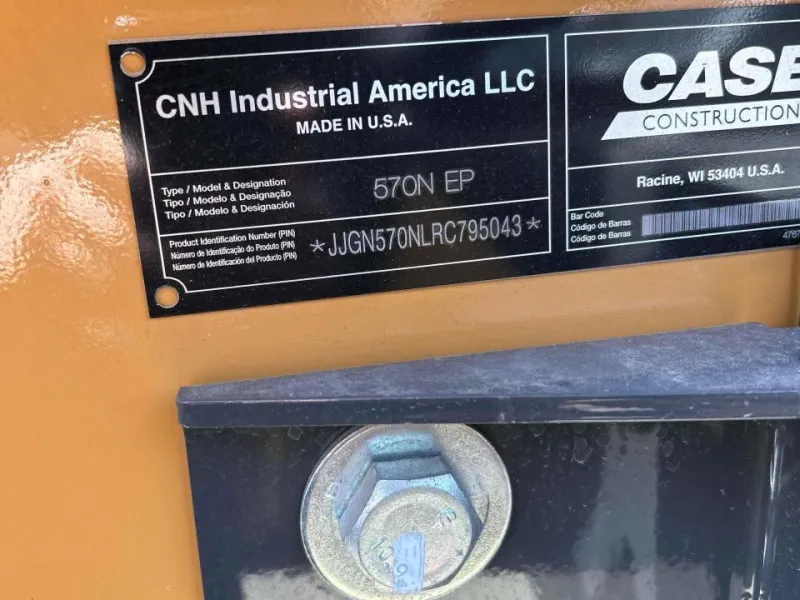
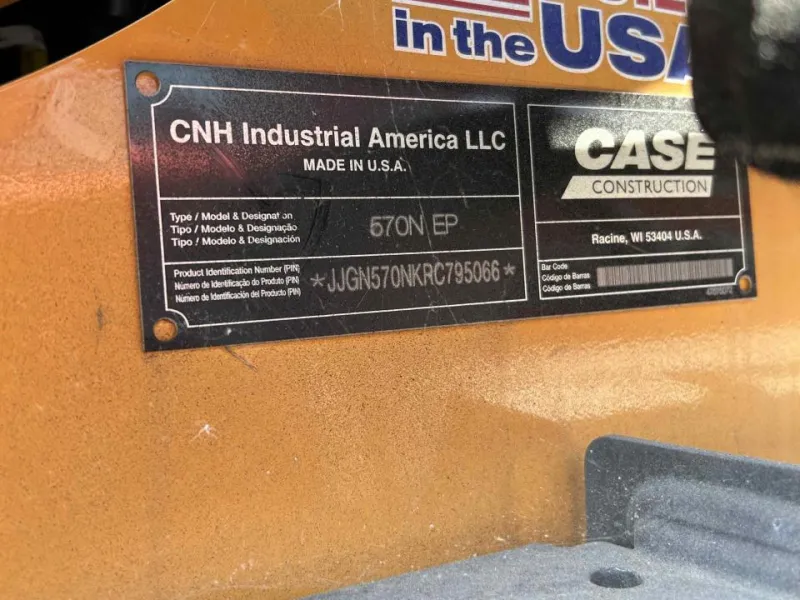
A skip loader is a tractor loader set up for grading, with a front loader bucket and a rear box scraper and scarifier. CASE calls its 570N EP a tractor loader and John Deere called its 210LE a landscape loader. Contractors use them for leveling, pads, driveways and loading trucks.
Mainly grading and leveling. CASE says its tractor loader is adept at dozing, ripping, fine grading and scraping, and suggests putting a box scraper on the back to level a tract of land or using the front loader to load dump trucks. Wheels let it travel quickly between work areas.
A box scraper is a rear-mounted box with a cutting edge that spreads and levels material. The scarifier is a row of teeth that rip and loosen hard ground before grading. John Deere's 210LE used an 84-inch box scraper with a reversible cutting edge and a high-lift scarifier with replaceable teeth.
A four-in-one bucket has a hinged clamshell that opens and closes hydraulically. John Deere says it can work as a materials bucket, a dozing tool, a grading tool and a grapple, which suits spreading gravel, grading, carrying awkward objects and loading trucks.
If fine grading over larger areas is the main job, a skip loader's rear box scraper and travel speed make it efficient. If you need a compact machine that runs many attachments in tight spaces, a skid steer is usually the better fit. Many contractors own both for different work.
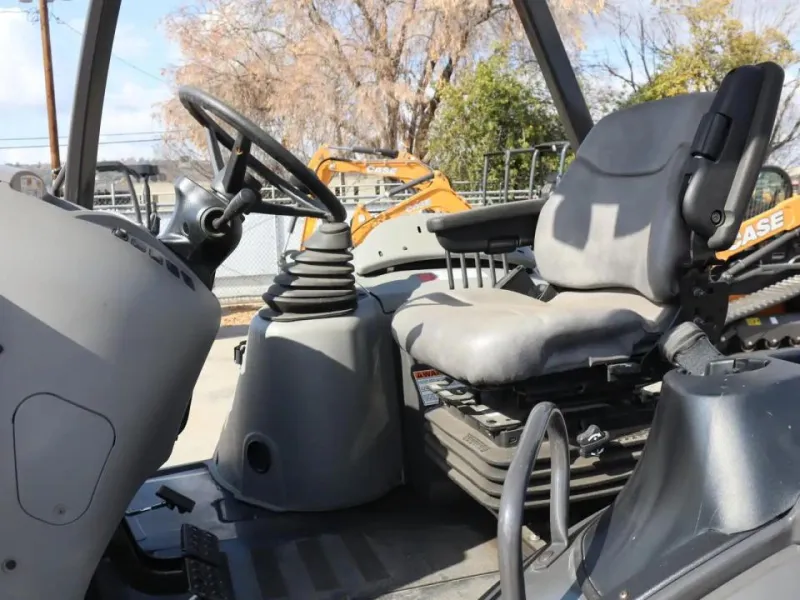
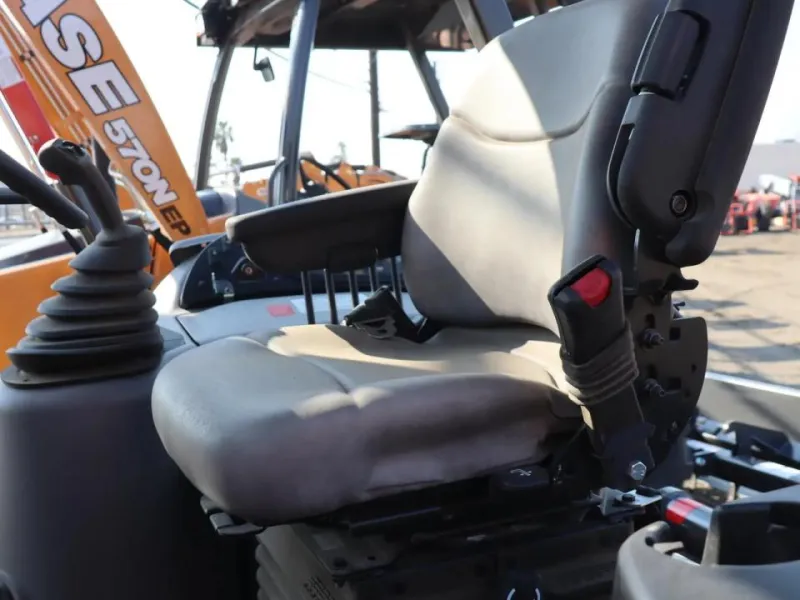
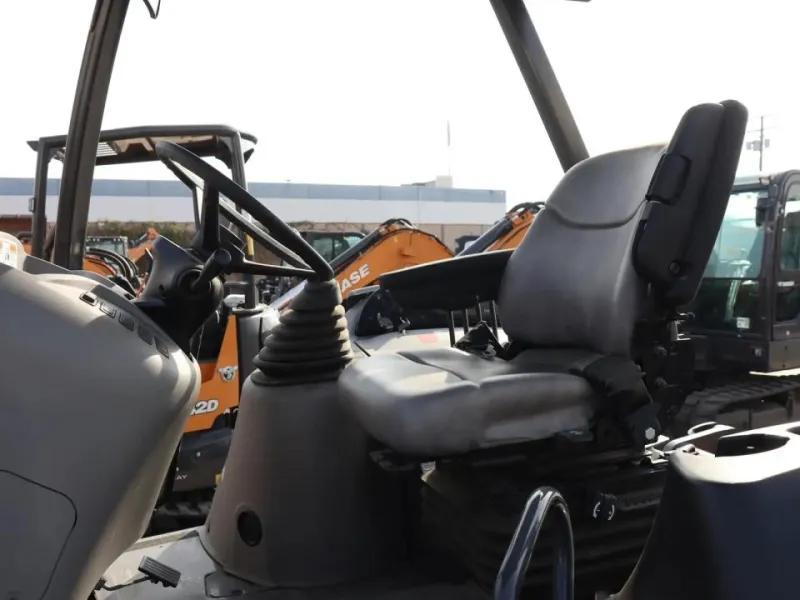
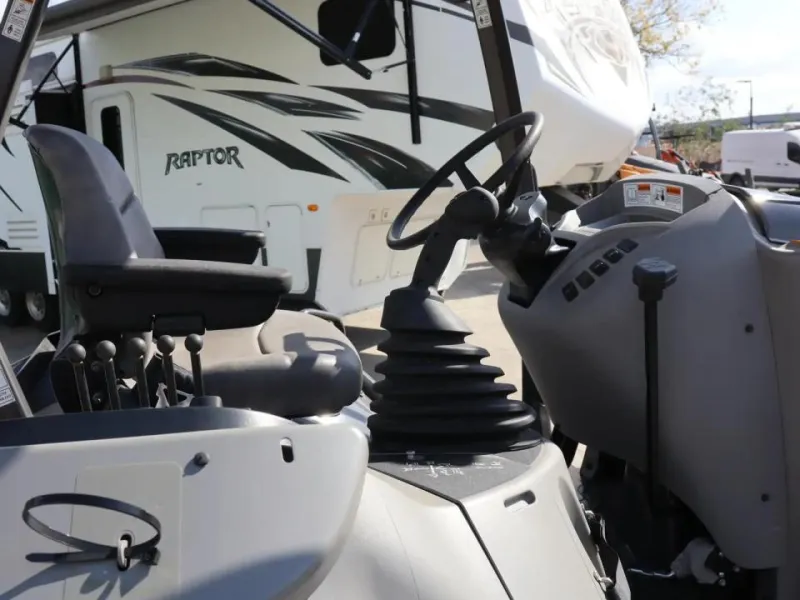
OSHA's earthmoving equipment rules cover agricultural and industrial tractors and loaders, requiring seat belts on covered equipment and pointing to rollover protective structure requirements. Confirm the ROPS is undamaged and the seat belt works on any used skip loader.